Negotiation केवल boardrooms, sales meetings, salary discussions या million-dollar deals में होने वाली चीज़ नहीं है। आप तब भी negotiate कर रहे होते हैं जब आप थोड़ा अधिक time माँगते हैं, boundary set करते हैं, घर की responsibilities पर बात करते हैं, conflict resolve करने की कोशिश करते हैं, किसी client को convince करते हैं, team manage करते हैं, vendor से बात करते हैं, raise माँगते हैं या simply यह चाहते हैं कि सामने वाला आपको सही तरह समझे।
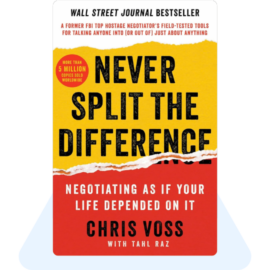
यही बात Chris Voss की Never Split the Difference: Negotiating As If Your Life Depended On It, जिसे Tahl Raz के साथ लिखा गया है, इतनी useful बनाती है। यह book high-pressure FBI hostage negotiations से निकले lessons को ऐसे practical tools में बदलती है जिन्हें ordinary people business और everyday communication में use कर सकते हैं।
यह Never Split the Difference summary book की 10 सबसे practical ideas पर focus करती है: Tactical Empathy, mirroring, labeling, Accusation Audit, “No” की power, “That’s right” तक पहुँचना, calibrated questions, bargaining strategy, implementation और Black Swans। इन ideas का उद्देश्य aggressive या manipulative बनना नहीं है। सही तरीके से use किए जाएँ तो ये आपको ज्यादा carefully सुनने, defensiveness कम करने, hidden information discover करने और ऐसी language use करने में help करती हैं जिससे better agreements possible हो सकें।
Readers Books Club audience के लिए यह खास तौर पर valuable है क्योंकि यह book communication, psychology, business, leadership, personal growth, coaching, sales, confidence और emotional intelligence के intersection पर बैठती है। यह meditation और mental clarity जैसी practices को भी complement कर सकती है क्योंकि good negotiation का बड़ा हिस्सा attention पर depend करता है। आप जितने calm होंगे, उतनी accurately सुन पाएँगे। आप “win” करने के लिए जितने कम desperate होंगे, उतनी ज्यादा information notice कर पाएँगे।
अगर आप Dr Amiett Kumar, Amiett Kumar, Readers Books Club, coaching, manifestation, visualisation, affirmation, spirituality या law of attraction follow करते हैं, तो यहाँ एक और useful connection है: intention तब ज्यादा powerful बनता है जब communication improve होती है। Better job, stronger relationship, successful business या ज्यादा confident future self चाहना process का केवल एक हिस्सा है। किसी point पर आपको value communicate करनी होगी, questions पूछने होंगे, objections सुनने होंगे, boundaries set करनी होंगी, terms negotiate करनी होंगी और दूसरे व्यक्ति का perspective समझना होगा।
यहीं यह book practical बनती है।
इसका central message “ज़्यादा बोलो” नहीं है।
यह इसके ज्यादा करीब है:
Better सुनिए, सामने वाले की emotional reality समझिए और ऐसी language use कीजिए जो दोनों sides को reveal करने में help करे कि वास्तव में matter क्या करता है।
Never Split the Difference के बारे में
Chris Voss ने कई years FBI hostage negotiator के रूप में काम किया और बाद में FBI के lead international kidnapping negotiator बने। Never Split the Difference उन्हीं experiences की stories use करके traditional negotiation assumptions को challenge करती है।
यह book पहली बार 2016 में Harper Business द्वारा publish हुई और Chris Voss ने इसे Tahl Raz के साथ लिखा। इसकी long-lasting popularity का एक बड़ा कारण यह है कि इसकी techniques केवल hostage situations तक limited नहीं हैं। यही communication principles salary negotiations, sales, leadership, contracts, family discussions, customer conversations और difficult everyday interactions में भी use किए जा सकते हैं।
Traditional negotiation advice कई बार यह assume करती है कि लोग rational decision-makers होते हैं जो options compare करते हैं और fair compromise तक पहुँच जाते हैं। Voss argue करते हैं कि real people emotions, intuition, fear, loss, identity, status और understood feel करने की need से बहुत ज्यादा influence होते हैं।
इसका मतलब यह नहीं कि logic useless है।
इसका मतलब यह है कि logic अक्सर तब better काम करता है जब emotion को पहले acknowledge किया जा चुका हो।
यह book की सबसे बड़ी ideas में से एक है।
लोग rarely ज्यादा cooperative होते हैं सिर्फ इसलिए कि आपने prove कर दिया कि वे wrong हैं।
वे ज्यादा open तब होते हैं जब उन्हें feel होता है कि उन्हें सुना गया है।
“Never Split the Difference” क्यों?
Title खुद एक familiar idea को challenge करता है।
Imagine कीजिए दो लोग एक number पर negotiate कर रहे हैं। एक 100 चाहता है। दूसरा 50 चाहता है। Easiest solution 75 दिखाई देता है।
यही splitting the difference है।
कई situations में compromise बिल्कुल reasonable हो सकता है। लेकिन Voss warn करते हैं कि उसे automatic solution की तरह treat नहीं करना चाहिए। Midpoint fairness का appearance create कर सकता है, जबकि real problem solve नहीं होती।
मान लीजिए एक person चाहता है कि project 10 days में complete हो और दूसरा 20 days कहता है। 15 days पर split करना fair लग सकता है, लेकिन क्या होगा अगर real issue days की संख्या ही नहीं है? शायद client के पास day 12 पर event है। शायद supplier 10 days में deliver कर सकता है अगर scope change हो। शायद कोई specific feature delay cause कर रहा हो।
अगर आप बहुत जल्दी compromise कर लेते हैं, तो हो सकता है आप वह information कभी discover ही न करें जो better agreement create कर सकती थी।
इसीलिए book compromise से पहले curiosity encourage करती है।
Goal हर middle ground reject करना नहीं है।
Goal यह है कि सिर्फ इसलिए कुछ छोड़ न दें क्योंकि आपके questions खत्म हो गए।
Lesson 1: Persuade करने से पहले Tactical Empathy Practise करें
Never Split the Difference की सबसे important concepts में से एक है Tactical Empathy।
Empathy को कई बार agreement समझ लिया जाता है। लोगों को डर होता है कि अगर वे दूसरे व्यक्ति की emotions या point of view acknowledge करेंगे तो इसका मतलब वे मान रहे हैं कि सामने वाला सही है।
लेकिन empathy और agreement अलग हैं।
आप समझ सकते हैं कि कोई angry क्यों है, बिना यह agree किए कि उसका accusation accurate है।
आप समझ सकते हैं कि client को आपका price high क्यों लगता है, बिना यह agree किए कि आपका price unreasonable है।
आप समझ सकते हैं कि employee ज्यादा flexibility क्यों चाहता है, बिना हर request accept किए।
Tactical Empathy का मतलब है deliberately सामने वाले के perspective, emotions, concerns और situation को recognize करना और यह demonstrate करना कि आपने उसे recognize किया है।
यह demonstration important है।
कई लोग सोचते हैं कि वे good listener हैं क्योंकि जब दूसरा बोलता है तो वे silent रहते हैं। लेकिन internally वे अपना rebuttal prepare कर रहे होते हैं।
यह genuinely understand करने जैसा नहीं है।
Voss की method कहती है कि words के नीचे मौजूद emotional world को सुनिए।
अगर कोई कहता है, “This project has taken much longer than expected,” तो obvious subject time है। लेकिन emotional subject trust हो सकता है।
अगर customer कहता है, “Your competitor is cheaper,” तो issue वास्तव में price न हो। वह पूछ रहा हो सकता है कि आपकी service risk के लायक है या नहीं।
अगर family member कहता है, “You never have time for us,” तो “never” word पर debate करना conversation को worse करेगा। Real message हो सकता है, “I do not feel important.”
Skilled communicator दोनों levels सुनता है।
Tactical Empathy Conversations क्यों बदलती है
लोग defensive तब होते हैं जब उन्हें लगता है कि उन्हें ignore, misunderstand या push किया जा रहा है।
जब आप accurately उनका point of view express करते हैं, तो उनकी need कम हो जाती है कि वे बार-बार उसे prove करें।
एक useful sentence हो सकता है:
“It sounds like the delay has made you question whether we can deliver.”
आपने guilt accept नहीं किया।
आपने understanding दिखाई।
यह conversation का emotional temperature पूरी तरह बदल सकता है।
इसीलिए Tactical Empathy negotiation से बहुत आगे relevant है। यह coaching, leadership, relationships, customer service, sales और conflict resolution improve कर सकती है।
यहीं meditation और mental clarity communication को support कर सकते हैं। Distracted mind words सुनता है। Present mind hesitation, tone, emotional shifts और जो नहीं कहा गया उसे भी notice करता है।
अपनी next difficult conversation से पहले यह मत पूछिए, “How do I convince them?”
पूछिए:
“यह situation उनकी side से कैसी दिखाई देती होगी?”
केवल यह question आपको better negotiator बना सकता है।
Lesson 2: लोगों को ज्यादा बोलने देने के लिए Mirroring Use करें
Mirroring book के simplest tools में से एक है।
आप सामने वाले द्वारा अभी बोले गए कुछ important words repeat करते हैं, usually interested या questioning tone में।
Imagine कीजिए colleague कहता है:
“We cannot approve the proposal because the timeline is too risky.”
आप respond करते हैं:
“The timeline is too risky?”
फिर stop।
यह छोटा mirror सामने वाले को explain करने के लिए invite करता है।
वह कह सकता है:
“Yes. Our operations team needs at least three weeks to test everything, and your schedule gives us only five days.”
अब आपके पास ज्यादा information है।
First statement rejection जैसा लग रहा था।
Explanation ने ऐसा problem reveal किया जो solve हो सकता है।
यही mirroring की power है। यह conversation को argument में बदलने से पहले दूसरे person को ज्यादा बोलने देती है।
Most People Information क्यों Miss करते हैं
जब हम कुछ ऐसा सुनते हैं जो हमें पसंद नहीं आता, हमारा brain तुरंत answers produce करना शुरू कर देता है।
“That is not true.”
“They misunderstood.”
“I need to defend my price.”
“I need to prove this.”
“I have to respond.”
जिस moment आप defence prepare करने में busy हो जाते हैं, listening quality drop हो जाती है।
Mirroring आपको slow down करती है।
यह सामने वाले को additional information देने की space देती है।
Negotiation में information leverage है।
जितनी accurately आप motivations, constraints, fears, timelines, pressures और expectations understand करेंगे, उतनी intelligently respond कर पाएँगे।
Everyday Communication में Mirroring
मान लीजिए manager कहता है:
“I am not sure you are ready for that responsibility.”
Defensive response हो सकता है:
“But I have already done more than everyone else.”
Mirror हो सकता है:
“Not ready?”
यह आगे lead कर सकता है:
“You have the technical ability, but I need to see you handle client presentations independently.”
अब situation ज्यादा clear है।
आप vague judgment से specific requirement तक पहुँच गए।
Same technique relationships में भी काम कर सकती है।
“I feel like you are not listening.”
“Not listening?”
अब person explain कर सकता है कि उसे वास्तव में क्या चाहिए।
Mirroring robotic नहीं लगनी चाहिए। आप हर sentence copy नहीं करते। आप important लगने वाले words select करते हैं और clarification invite करने के लिए use करते हैं।
Deeper lesson simple है:
Silence को भरने की जल्दी मत कीजिए।
कई बार सबसे useful चीज़ एक small mirror होती है और फिर quiet attention।
Lesson 3: Emotions से Argue करने के बजाय उन्हें Label करें
अगर mirroring लोगों को बोलते रहने में help करती है, तो labeling उन्हें understood feel करने में help करती है।
Label किसी emotion, thought या experience का verbal observation है जो सामने वाला शायद feel कर रहा हो।
Common structures हैं:
“It sounds like…”
“It seems like…”
“It looks like…”
Label और accusation में difference notice कीजिए।
“You are angry” confrontational लग सकता है।
“It seems like this situation has been frustrating” ज्यादा distance create करता है और सामने वाले को आपको correct करने की space देता है।
यह correction useful है।
अगर वह कहता है, “I am not frustrated; I am worried this will damage our reputation,” तो आपने ज्यादा important information learn कर ली।
Emotion को Name करने से उसकी Power क्यों कम हो सकती है
लोग अक्सर assume करते हैं कि emotional conversations को ज्यादा logical बन जाना चाहिए।
इसलिए वे emotion ignore करके facts present करते रहते हैं।
लेकिन अगर सामने वाला threatened, unheard, insulted या anxious feel कर रहा है, तो more data problem solve नहीं करेगा।
Label emotional concern को open में ला सकता है।
Imagine कीजिए client कहता है:
“I do not understand why this costs so much.”
Immediately price explain करने के बजाय आप कह सकते हैं:
“It sounds like the price feels difficult to justify.”
अब client explain कर सकता है कि वह किससे compare कर रहा है।
अब आप real issue को answer कर सकते हैं।
The Accusation Audit
Book labeling को एक और powerful technique के through extend करती है: Accusation Audit।
Important negotiation से पहले सोचिए कि सामने वाला आपके या आपके proposal के बारे में कौन-सी negative बातें पहले से believe कर सकता है।
शायद वह सोचता है:
“You are too expensive.”
“You are going to waste my time.”
“You do not understand our business.”
“You are asking for too much.”
“You only care about the sale.”
इन thoughts को silently conversation influence करने देने के बजाय आप उन्हें पहले acknowledge कर सकते हैं।
For example:
“It may seem like we are asking you to take on more risk without enough certainty.”
यह आपकी position को weak नहीं बनाता।
यह objection की emotional force reduce कर सकता है।
Hidden accusation अक्सर उस accusation से ज्यादा powerful होती है जिसे openly discuss किया जा चुका हो।
Labels Curiosity के साथ Use करें, Manipulation के साथ नहीं
Purpose fake empathy perform करना नहीं है जबकि internally आप सामने वाले को ignore कर रहे हों।
अगर communication techniques mechanically use करेंगे, लोग अक्सर notice कर लेते हैं।
Method best तब work करती है जब आपको problem genuinely understand करने की care हो।
यह खास तौर पर coaching और leadership में apply होता है। Good coach, manager या life coach सिर्फ client या employee के बोलना खत्म करने का wait नहीं करता। वह words के पीछे beliefs और emotions सुनता है।
Labels उस understanding को language में बदलने में help करते हैं।
Lesson 4: Quick “You’re Right” के बजाय “That’s Right” तक पहुँचिए
Book की सबसे interesting distinctions में से एक है “That’s right” और “You’re right” के बीच difference।
दोनों similar सुनाई देते हैं।
Emotionally इनका meaning बहुत अलग हो सकता है।
Imagine कीजिए आप किसी ऐसे person से argue कर रहे हैं जो same point बार-बार explain कर रहा है। Eventually आप कहते हैं:
“You’re right.”
कई बार इसका मतलब genuine agreement होता है।
लेकिन कई बार इसका मतलब होता है:
“I want this conversation to end.”
यह polite escape हो सकता है।
इसके contrast में “That’s right” उस time आ सकता है जब कोई person अपनी situation को इतना accurately summarized सुनता है कि उसे deeply understood feel होता है।
इसीलिए summaries matter करती हैं।
Good Summary की Power
Strong summary situation के facts को emotions और concerns के साथ combine करती है जिन्हें आपने सुना है।
मान लीजिए client ने 15 minutes explain किया कि वह contract sign करने में hesitant क्यों है।
आप summarize कर सकते हैं:
“It sounds like you like the proposed solution, but your team had a bad experience with a previous supplier, so committing to another long agreement feels risky. You need to know that implementation will be controlled and that there is a clear response if something goes wrong.”
अगर summary accurate है, client कह सकता है:
“That’s right.”
अब कुछ important हुआ है।
Conversation अब आपके case prove करने के बारे में नहीं है।
आपने show किया कि आप उनका case understand करते हैं।
यह influence के लिए stronger foundation बनाता है।
Relationships में यह क्यों Matter करता है
लोग अक्सर इसलिए argue करते हैं क्योंकि हर person चाहता है कि उसे पहले understand किया जाए, तभी वह दूसरे को understand करेगा।
इससे deadlock बनता है।
Partner A explain करता है।
Partner B defend करता है।
Partner A repeat करता है।
Partner B अपनी side explain करता है।
Nobody feels heard.
Order reverse करके देखिए।
अपना point present करने से पहले दूसरे person की position summarize कीजिए जब तक वह honestly न कह सके:
“Yes, that is what I mean.”
उसके बाद ही अपने perspective पर जाएँ।
यह patience मांगता है।
लेकिन understanding में spend किया time उस argument से कहीं ज्यादा time बचा सकता है जिसे यह prevent करता है।
Lesson 5: “No” को Failure Treat करना बंद करें
Most people “yes” सुनना पसंद करते हैं।
Salespeople yes चाहते हैं।
Managers yes चाहते हैं।
Parents yes चाहते हैं।
Negotiators yes चाहते हैं।
लेकिन Chris Voss एक surprising argument देते हैं: “No” useful हो सकता है।
क्यों?
क्योंकि “yes” commitment जैसा feel हो सकता है।
“No” control जैसा feel हो सकता है।
जब लोगों पर yes कहने का pressure होता है, वे suspicious या defensive हो सकते हैं। उन्हें worry होती है कि agreement उन्हें trap कर देगा।
लेकिन no कहना उन्हें खुद को protect करने देता है।
यह sense of safety conversation open रख सकता है।
No-Oriented Questions
पूछने के बजाय:
“Do you have a few minutes to talk?”
आप पूछ सकते हैं:
“Is now a bad time to talk?”
इसके बजाय:
“Would you like to explore another option?”
आप पूछ सकते हैं:
“Would it be a bad idea to look at another option?”
Goal grammar manipulate करना नहीं है।
Deeper principle pressure reduce करना है।
जिस person को no कहने की freedom feel होती है, वह honest participation के लिए ज्यादा willing हो सकता है।
Fast Yes Dangerous क्यों हो सकता है
कई negotiations में लोग केवल discomfort avoid करने के लिए yes कह देते हैं।
“Yes, I understand.”
“Yes, we will try.”
“Yes, that sounds good.”
लेकिन commitment के बिना agreement weak है।
आपको जानना होगा कि सामने वाला actually follow through करेगा या नहीं।
Business में यह especially important है।
Meeting में customer का “yes” matter नहीं करता अगर वह बाद में disappear हो जाए।
Employee का “yes” guarantee नहीं करता कि task understood है।
Partner का “fine” मतलब disagreement resolved नहीं है।
Positive-sounding words के addicted मत बनिए।
Real understanding और real implementation look कीजिए।
No Boundaries Clear कर सकता है
Personal communication में भी “No” essential है।
जो person no नहीं कह सकता, वह resentment से negotiate करने लगता है।
वह जल्दी agree करता है।
Overcommit करता है।
Difficult conversations avoid करता है।
फिर later frustrated होता है।
Healthy negotiation में यह ability शामिल है:
“No, that timeline will not work.”
“No, I cannot agree to that price.”
“No, I can help with this part, but not the whole thing.”
Clear boundaries relationships को कम नहीं, बल्कि कई बार ज्यादा sustainable बनाती हैं।
Lesson 6: ऐसे Calibrated Questions पूछिए जो सामने वाले को Think करने पर मजबूर करें
Never Split the Difference के most recognizable tools में से एक है calibrated question।
ये open-ended questions होते हैं, अक्सर “what” या “how” से start होते हैं, जो सामने वाले को problem के बारे में सोचने के लिए encourage करते हैं।
Method का famous example है:
“How am I supposed to do that?”
Calmly deliver किया गया यह question communicate कर सकता है कि request difficult है, बिना तुरंत confrontation create किए।
यह problem-solving responsibility का एक हिस्सा वापस सामने वाले पर transfer करता है।
Calibrated Questions क्यों Work करते हैं
दो approaches compare कीजिए।
Approach one:
“That deadline is impossible.”
Approach two:
“How can we meet that deadline without sacrificing the testing you said was essential?”
First opposition create करता है।
Second एक problem create करता है जिसे मिलकर solve करना है।
यह subtle लेकिन important shift है।
Good negotiation questions केवल information requests नहीं हैं।
वे attention shape करते हैं।
वे सामने वाले को consequences, constraints और alternatives examine करने के लिए encourage करते हैं।
Useful examples:
“What is the biggest challenge you are trying to solve?”
“How would this work in practice?”
“What makes this important right now?”
“What would happen if we did nothing?”
“How can we make this workable for both sides?”
Again, point scripts memorize करना नहीं है।
Point ज्यादा curious बनना है।
“Why” के साथ Careful रहें
“Why” useful हो सकता है, लेकिन accusatory भी sound कर सकता है।
“Why did you do that?”
easily ऐसा feel करा सकता है:
“Defend yourself.”
“What” question less resistance create कर सकता है।
“What led to that decision?”
Information same हो सकती है, लेकिन emotional experience अलग होता है।
Leadership में Calibrated Questions
Managers कई बार problems बहुत जल्दी solve करते हैं।
Employee problem लाता है।
Manager answer दे देता है।
Over time, employee और problems लाना सीखता है।
Instead, calibrated questions ownership build कर सकते हैं:
“What do you think is causing this?”
“What options have you considered?”
“What would you recommend?”
“What support do you need from me?”
Negotiation skills यहाँ leadership skills बन जाती हैं।
आप केवल agreement पाने की कोशिश नहीं कर रहे।
आप लोगों को think करने में help कर रहे हैं।
Lesson 7: समझिए कि “Fair” एक Emotional Word है
Few words negotiation को “fair” जितना strongly influence करते हैं।
लोग fairness की बहुत care करते हैं।
लेकिन fairness हमेशा objective नहीं होती।
अगर कोई कहता है:
“That is not fair,”
आपका nervous system तुरंत accused feel कर सकता है।
आप खुद को justify करना, concession देना या prove करना चाह सकते हैं कि आप reasonable हैं।
Voss point out करते हैं कि यह word emotionally powerful है क्योंकि कोई खुद को unfair नहीं देखना चाहता।
“Fair” को Automatically Control न करने दें
मान लीजिए vendor कहता है:
“We have worked with you for years. Raising the price now is not fair.”
Statement sincere हो सकता है।
लेकिन यह automatically नहीं बताता कि new price reasonable है या नहीं।
आपको फिर भी information चाहिए।
Costs क्या change हुए?
Alternatives क्या हैं?
क्या value provide हो रही है?
पहले क्या agree हुआ था?
Market कैसा है?
Emotion matter करता है, लेकिन analysis replace नहीं करना चाहिए।
Deadlines भी Decisions Distort करते हैं
Deadlines में भी similar power होती है।
“This offer expires today.”
“We need an answer by 5 PM.”
“If you do not decide now, the opportunity is gone.”
कई बार deadlines real होती हैं।
कई बार pressure tools होती हैं।
Either way, urgency लोगों को खुद के against negotiate करा सकती है।
जिस moment आप close, buy, sign या approval पाने के लिए desperate होते हैं, decision quality decline कर सकती है।
यहीं mental clarity genuine negotiation advantage बनती है।
Short pause another argument से ज्यादा valuable हो सकती है।
यह meditation से भी connect करती है। Meditation आपके लिए contract negotiate नहीं करेगी, लेकिन urgency notice करके automatically react न करने की ability choices improve कर सकती है।
अपने Against Negotiate मत कीजिए
जब सामने वाला silent हो जाता है, कई लोग panic करते हैं।
वे silence fill करने के लिए concession offer कर देते हैं।
“We could reduce the price.”
Still silence.
“And perhaps extend the payment terms.”
अब उन्होंने सामने वाले से कुछ माँगे बिना खुद ही दो बार negotiate कर लिया।
Silence हमेशा rejection नहीं होती।
वह simply thinking हो सकती है।
उसे tolerate करना सीखिए।
Calm रहने की ability leverage है।
Lesson 8: Emotion से नहीं, System के साथ Bargain करें
Eventually कुछ negotiations numbers पर आ जाती हैं।
Price.
Salary.
Fee.
Budget.
Contract value.
Discount.
यहीं emotions जल्दी take over कर सकते हैं।
Buyer को too much pay करने का fear होता है।
Seller को deal lose करने का fear होता है।
हर side किसी number पर anchored हो जाती है।
Voss book में structured bargaining approach present करते हैं जिसे अक्सर Ackerman model से associate किया जाता है। Broader lesson percentages memorize करने से ज्यादा important है: target prepare कीजिए, limits जानिए, deliberately move कीजिए और random concessions avoid कीजिए।
Conversation से पहले अपना Number जानिए
अगर आप अपनी real boundary नहीं जानते, सामने वाला आपसे पहले discover कर सकता है।
Salary negotiation से पहले जानिए salary के अलावा क्या matter करता है।
Remote work?
Learning opportunity?
Bonus?
Title?
Leave?
Start date?
Review period?
Vendor negotiation से पहले जानिए किस चीज़ की value सबसे ज्यादा है।
Price?
Quality?
Speed?
Warranty?
Payment terms?
Support?
Volume?
Number rarely whole deal होता है।
यहीं title Never Split the Difference फिर relevant हो जाता है।
अगर one side price पर move नहीं कर सकती, दूसरा variable problem solve कर सकता है।
Specific Numbers ज्यादा Thoughtful Feel हो सकते हैं
Book precise numbers के psychological effect पर भी discuss करती है।
47,350 जैसा price 50,000 से ज्यादा calculated feel हो सकता है।
Implication यह होता है कि number process से आया है, casually invent नहीं हुआ।
हर चीज़ में strange numbers use करने की जरूरत नहीं।
Lesson यह है कि presentation perception affect करती है।
Negotiation partly facts और partly इस बात पर है कि facts interpret कैसे होते हैं।
Concessions छोटे होते जाने चाहिए
Another useful principle यह है कि repeated concessions equally large नहीं रहने चाहिए।
अगर आप हर बार same amount move करते हैं, सामने वाला assume कर सकता है कि और movement available है।
Smaller concessions communicate करते हैं कि आप limit के करीब हैं।
More importantly, concession सिर्फ इसलिए मत दीजिए क्योंकि आपको uncomfortable feel हो रहा है।
Appropriate हो तो बदले में कुछ माँगिए।
Negotiation exchange है।
अगर one side लगातार दे रही है और other लगातार माँग रही है, agreement moment में successful दिख सकता है लेकिन later resentment create करेगा।
Lesson 9: Deal तब तक Finish नहीं होती जब तक आपको पता न हो कि वह Happen कैसे होगी
Book की सबसे practical lessons में से एक है कि agreement और implementation same चीज़ नहीं हैं।
आप brilliant deal negotiate कर सकते हैं जो next day fail हो जाए क्योंकि किसी को clear नहीं कि actually काम कैसे होगा।
इसीलिए Voss “how” पर इतना attention देते हैं।
“How will we make this happen?”
“How will your team implement this?”
“How will we know whether we are on schedule?”
“What happens if the deadline slips?”
ये questions negotiation को intention से reality में move करती हैं।
Room में मौजूद न होने वाले लोग भी Matter करते हैं
Common business mistake यह है कि सिर्फ उस person से negotiate करना जो सामने बैठा है।
वह yes कह सकता है।
लेकिन perhaps finance director, founder, spouse, department head, legal team, procurement manager या investor के पास real power हो कि agreement block कर दे।
ये hidden decision-makers matter करते हैं।
Celebrate करने से पहले पूछिए:
“Who else will be affected by this?”
“What will they need to approve?”
“How does this usually get signed off?”
यह paranoia नहीं है।
यह implementation awareness है।
Behaviour में Commitment Look कीजिए
People commitment indirectly reveal करते हैं।
क्या वे detailed questions पूछते हैं?
क्या वे आपको other decision-makers से introduce करते हैं?
क्या dates discuss करते हैं?
क्या next steps clarify करते हैं?
क्या obstacles solve करने में time invest करते हैं?
ये behaviours enthusiastic yes से ज्यादा बता सकते हैं।
यह lesson relationships में भी useful है।
Words matter करते हैं।
Patterns ज्यादा matter करते हैं।
अगर कोई repeatedly agree करता है लेकिन follow through नहीं करता, real negotiation another promise पाने की नहीं है।
यह understand करने की है कि implementation बार-बार fail क्यों हो रही है।
The Rule of Three
Book negotiators को agreement multiple times, अलग-अलग तरीकों से confirm करने के लिए encourage करती है।
Goal सामने वाले को interrogate करना नहीं है।
Goal test करना है कि agreement deeper questioning survive करती है या नहीं।
अगर कोई कहता है कि Friday तक deliver कर सकता है, later आप पूछ सकते हैं:
“What needs to happen on your side for Friday to work?”
Response hidden problem reveal कर सकती है।
Strong agreement examination में clearer होती है।
Weak agreement weaker होती है।
यह useful information है।
Lesson 10: Black Swans Search करें
Final major concept Chris Voss की company को भी name देती है: Black Swans।
Negotiation में Black Swans ऐसी unknown pieces of information हैं जो discover होने के बाद outcome dramatically change कर सकती हैं।
Discover करने से पहले situation fixed लगती है।
Discover करने के बाद new possibilities दिखाई देती हैं।
Imagine कीजिए seller price lower करने से refuse करता है।
आप assume करते हैं money issue है।
फिर discover करते हैं कि उसे deal quarter end से पहले close करनी है।
अब timing price से ज्यादा matter कर सकती है।
Candidate role accept नहीं करता।
आप assume करते हैं salary low है।
फिर discover होता है कि वह relocation को लेकर worried है।
अब negotiation बदल जाती है।
Customer कहता है आपकी service expensive है।
Later discover होता है कि उसे trust नहीं कि उसकी team implement कर पाएगी।
Real obstacle price नहीं, risk था।
ये hidden facts Black Swans हैं।
Inconsistencies सुनकर Black Swans मिलते हैं
लोग information fragments में reveal करते हैं।
Tone change।
Surprising word।
Repeated concern।
Something they avoid answering।
Something that does not fit the rest of the story।
यहाँ curiosity matter करती है।
अगर आप जल्दी decide कर लेते हैं कि problem already understand हो गई, तो search बंद हो जाती है।
इसीलिए overconfidence negotiation में dangerous है।
आप जितना ज्यादा सोचते हैं कि आप लोगों को read करने में expert हैं, उतना आसान है listening बंद करना।
सामने वाले को Irrational Assume मत कीजिए
जब किसी का behaviour sense नहीं बनाता, उसे irrational कहना tempting होता है।
Voss एक अलग possibility encourage करते हैं:
Maybe आपके पास information missing है।
शायद उनके पास ऐसा constraint है जो आपको दिखाई नहीं दे रहा।
शायद another decision-maker मौजूद है।
शायद वह ऐसी चीज़ value करते हैं जिसे आप नहीं करते।
शायद उनके पास ऐसी information है जो आपके पास नहीं।
पूछने के बजाय:
“What is wrong with them?”
try करें:
“उनका behaviour sensible बनने के लिए क्या true होना चाहिए?”
यह question analysis पूरी तरह change कर सकता है।
The Black Swan Mindset
Black Swans search करना वास्तव में humility का mindset है।
आप conversation में enter करते हैं यह assume करके:
“I do not know everything yet.”
यह better questions create करता है।
Better questions better information produce करते हैं।
Better information better decisions create करती है।
Negotiation लोगों को overpower करने के बारे में कम और problem की structure discover करने के बारे में ज्यादा हो जाती है।
Book के पीछे की Psychology: Emotion Logic से पहले आती है
Never Split the Difference इतने लंबे समय तक influential रहने का एक reason यह है कि यह ऐसी चीज़ reflect करती है जिसे हम daily experience करते हैं: लोग decisions केवल logic से नहीं लेते।
हम respect, control, fairness, loss, identity, fear, status, belonging और safety की care करते हैं।
Purely logical argument fail कर सकता है क्योंकि वह decision की emotional meaning ignore करता है।
Salary negotiation consider कीजिए।
Number matter करता है।
लेकिन questions भी matter करते हैं:
“Does this company value me?”
“Am I being treated like my colleagues?”
“Will asking make me look disloyal?”
“Does the manager respect my contribution?”
Strong negotiator number और meaning दोनों understand करता है।
यहीं emotional intelligence practical बनती है।
आपको less analytical बनने की जरूरत नहीं।
आपको more complete बनने की जरूरत है।
Never Split the Difference और Communication Skills
Although book negotiation के बारे में है, इसकी strongest lessons में से कई communication lessons हैं।
Mirroring आपको interrupt करना कम करना सिखाती है।
Labeling emotions को attack किए बिना name करना सिखाती है।
Summaries persuade करने से पहले understand करना सिखाती हैं।
Calibrated questions confrontation को curiosity से replace करना सिखाती हैं।
No-oriented questions autonomy respect करना सिखाती हैं।
Black Swans याद दिलाते हैं कि आपका first interpretation incomplete हो सकता है।
ये skills किसी को better salesperson बना सकती हैं, लेकिन better manager, spouse, parent, colleague, coach या friend भी बना सकती हैं।
Deepest shift है:
“How do I win this conversation?”
से:
“मैं इस conversation को इतना अच्छी तरह कैसे understand करूँ कि intelligently influence कर सकूँ?”
यह communication का ज्यादा mature form है।
Negotiation, Meditation और Mental Clarity
Meditation और negotiation unrelated लग सकते हैं, लेकिन good negotiation attention, emotional regulation, patience और silence के साथ comfortable होने पर depend करती है। अगर कोई आपके work की criticism करता है, first impulse defend करने का हो सकता है। एक brief pause आपको options देता है: आप mirror कर सकते हैं, concern label कर सकते हैं या react करने के बजाय calibrated question पूछ सकते हैं।
Meditation automatically किसी को skilled negotiator नहीं बनाती, लेकिन अपनी emotional reaction notice करके action से पहले pause करने की ability better communication support कर सकती है। Mental clarity stakes बढ़ने पर curious रहने में help करती है, जिससे Tactical Empathy real conversations में use करना आसान होता है।
Daily Life में Never Split the Difference कैसे Practise करें
ये techniques best तब work करती हैं जब इन्हें understand करने और problems solve करने के लिए use किया जाए, facts hide करने या vulnerability exploit करने के लिए नहीं। Healthy influence clarity create करती है; manipulation one-sided advantage के लिए confusion create करती है।
Practise करने के लिए major deal की जरूरत नहीं है।
Actually low-stakes conversations best training ground हैं।
Next time कोई statement कहे जिसे आप पूरी तरह नहीं समझते, दो या तीन important words mirror कीजिए।
जब कोई emotional लगे, solution देने से पहले label try कीजिए।
Important discussion से पहले negative things लिखिए जो सामने वाला आपके बारे में believe कर सकता है और देखिए Accusation Audit help करेगी या नहीं।
जब request impossible लगे, immediately reject मत कीजिए। Calmly calibrated question पूछिए।
जब “No” सुनें, panic करने की urge resist कीजिए।
पूछिए no क्या protect कर रहा है।
जब कोई बहुत आसानी से agree करे, implementation explore कीजिए।
जब behaviour irrational लगे, missing information search कीजिए।
ये small experiments theory को skill में बदलते हैं।
Negotiation books awareness improve कर सकती हैं।
Practice behaviour change करती है।
Never Split the Difference किसे पढ़नी चाहिए?
यह book entrepreneurs, sales professionals, managers, business owners, HR professionals, freelancers, consultants, creators, recruiters, marketers, leaders, coaches और उन सभी लोगों के लिए particularly useful है जिनके work में regularly difficult conversations आती हैं।
यह उन लोगों के लिए भी valuable है जो conflict पसंद नहीं होने की वजह से negotiation avoid करते हैं।
Good negotiate करने के लिए aggressive बनना जरूरी नहीं।
Actually Voss के कई strongest tools quiet हैं।
A mirror.
A label.
A summary.
A question.
A pause.
यह उन लोगों के लिए encouraging हो सकता है जो assume करते हैं कि negotiation केवल loud, dominant personalities के लिए है।
Book psychology, communication, self improvement books, personal growth books, leadership books और business books के readers को भी appeal कर सकती है।
क्या Never Split the Difference पढ़ने लायक है?
हाँ, especially अगर आप purely academic negotiation textbook के बजाय practical communication book चाहते हैं।
इसकी greatest strength usability है।
आप mirroring के बारे में आज पढ़ सकते हैं और आज ही conversation में test कर सकते हैं।
आप next meeting में labels use कर सकते हैं।
Salary discussion से पहले calibrated questions prepare कर सकते हैं।
Stuck deal में Black Swans look कर सकते हैं।
Relationship conversation में summaries practise कर सकते हैं।
हर technique हर situation fit नहीं करेगी और skilled negotiation के लिए judgment फिर भी चाहिए। लेकिन book उन चीज़ों के लिए language देती है जिन्हें लोग अक्सर intuitively करते हैं बिना understand किए कि वे क्यों work करती हैं।
यह आपको slow down करना सिखाती है।
Listen.
Observe.
Ask.
Confirm.
Then influence.
Never Split the Difference से 10 Lessons Quick Recap
- Tactical Empathy use करें। Persuade करने से पहले सामने वाले के perspective को understand करें और यह demonstrate करें कि आप उसे समझते हैं।
- Important words mirror करें। छोटी repetition सामने वाले को बहुत ज्यादा information reveal करने के लिए encourage कर सकती है।
- Emotions label करें। Concerns name करने से defensiveness कम हो सकती है और real problem सामने आ सकती है।
- “That’s right” का aim रखें। Accurate summaries superficial agreement से deeper understanding create करती हैं।
- “No” की power respect करें। No safety, autonomy और ज्यादा honest conversation create कर सकता है।
- Calibrated questions पूछें। “What” और “how” questions सामने वाले को think करने और problem solve करने में involve करती हैं।
- Fairness, deadlines और silence के सामने calm रहें। Emotional pressure आपको अपने against negotiate करा सकता है।
- Preparation के साथ bargain करें। Numbers move होने से पहले target, variables, boundaries और trade-offs जानिए।
- केवल agreement नहीं, implementation negotiate करें। Deal तभी matter करती है जब लोग उसे actually carry out कर सकें।
- Black Swans search करें। Hidden information impossible लगती negotiation को completely बदल सकती है।
Frequently Asked Questions
Never Split the Difference किस बारे में है?
Never Split the Difference former FBI hostage negotiator Chris Voss की negotiation और communication book है, जिसे Tahl Raz के साथ लिखा गया है। यह Tactical Empathy, mirroring, labeling, calibrated questions, No-oriented questions, summaries, bargaining methods और Black Swans कहलाने वाली hidden information search करने जैसी techniques explain करती है।
Never Split the Difference किसने लिखी?
Book Chris Voss ने Tahl Raz के साथ लिखी। Voss former FBI hostage negotiator हैं जिन्होंने बाद में The Black Swan Group नाम की negotiation training और advisory company founded की।
Tactical Empathy क्या है?
Tactical Empathy deliberately दूसरे person की feelings, perspective और situation समझने और conversation के दौरान उस understanding को demonstrate करने की कोशिश है। इसके लिए उनसे agree करना जरूरी नहीं है।
Negotiation में Mirroring क्या है?
Mirroring सामने वाले द्वारा अभी बोले गए कुछ important words repeat करना है, usually interested tone में, ताकि वह आगे explain करे।
Never Split the Difference में Labeling क्या है?
Labeling का मतलब phrases जैसे “It sounds like…” या “It seems like…” use करके emotion, concern या dynamic verbally identify करना है। यह unspoken emotional issues को conversation में surface करने में help करती है।
Chris Voss क्यों कहते हैं कि “No” useful है?
Method “No” को ऐसा word treat करती है जो safety और control create कर सकता है। जब लोग जानते हैं कि वे refuse कर सकते हैं, वे yes कहने का pressure feel किए बिना conversation continue करने में ज्यादा comfortable हो सकते हैं।
Calibrated Questions क्या होते हैं?
Calibrated questions open-ended questions होते हैं जो commonly “what” या “how” से start होते हैं और सामने वाले को problem के बारे में think करने, constraints explain करने या solution खोजने में participate करने के लिए encourage करते हैं।
“Never Split the Difference” का क्या मतलब है?
इसका मतलब है कि दो positions के बीच midpoint को automatically best solution assume नहीं करना चाहिए। Instead, interests, constraints और hidden information explore करें जो better agreement produce कर सके।
Negotiation में Black Swans क्या हैं?
Black Swans unknown information के pieces हैं जो discover होने के बाद negotiation significantly change कर सकते हैं। इनमें hidden deadlines, unseen decision-makers, unexpected priorities या constraints शामिल हो सकते हैं।
क्या Never Split the Difference Business के बाहर भी Useful है?
हाँ। इसकी principles relationships, family discussions, leadership, coaching, salary conversations, conflict resolution, purchasing decisions और कई everyday situations में apply की जा सकती हैं।
Final Thoughts
Never Split the Difference का most powerful lesson कोई single sentence या tactic नहीं है।
यह posture का change है।
Most people difficult conversations में enter करते हैं सोचते हुए:
“I need them to understand me.”
Skilled negotiator कहीं और से start करता है:
“I need to understand what is happening here.”
इसका मतलब goals abandon करना नहीं है।
इसका मतलब हर किसी से agree करना नहीं है।
इसका मतलब weak होना नहीं है।
Actually understanding आपको more leverage देती है क्योंकि understanding आपको more information देती है।
जब आप understand करते हैं कि सामने वाला क्या value करता है, किससे डरता है, क्या protect करता है और उसे क्या चाहिए, तो आप बहुत ज्यादा intelligently communicate कर सकते हैं।
आप surface positions से argue करना बंद करते हैं।
आप real problem के साथ काम करना शुरू करते हैं।
इसीलिए book उन readers के लिए भी useful है जो कभी major contract negotiate नहीं करेंगे।
हर meaningful relationship में negotiation होती है।
Time negotiate होता है।
Attention negotiate होती है।
Expectations negotiate होती हैं।
Responsibilities negotiate होती हैं।
Boundaries negotiate होती हैं।
Value negotiate होती है।
Goal हर conversation को strategy game में बदलना नहीं है।
Goal enough awareness के साथ communicate करना है ताकि important conversations सिर्फ इसलिए collapse न हों क्योंकि किसी ने properly सुना ही नहीं।
Mirroring आपको curious रहने की याद दिलाती है।
Labels याद दिलाते हैं कि emotion matter करता है।
Tactical Empathy याद दिलाती है कि understanding weakness नहीं है।
Calibrated questions याद दिलाती हैं कि better questions better thinking create करती हैं।
“No” याद दिलाता है कि people को autonomy चाहिए।
“That’s right” याद दिलाता है कि people understood feel करना चाहते हैं।
Black Swans याद दिलाते हैं कि story rarely complete होती है।
Readers Books Club के लिए यही चीज़ Never Split the Difference को सिर्फ business book से ज्यादा बनाती है। यह human communication पर practical book है।
और communication में आप जितने better होते हैं, उतना effectively lead, sell, negotiate, coach, collaborate, boundaries set, conflict resolve और अपनी actual needs express कर सकते हैं।
कई बार conversation का biggest breakthrough perfect argument से नहीं आता, बल्कि उस moment से आता है जब आप win करने की कोशिश थोड़ी देर के लिए रोककर genuinely listen करते हैं।
Contents