परिचय: क्या Anxiety एक आदत बन चुकी है?
आपको एक छोटा message मिलता है जो सामान्य से थोड़ा अलग लगता है। कुछ ही मिनटों में मन punctuation analyse करने, rejection predict करने, पुरानी conversations replay करने और ऐसी problem की तैयारी करने लगता है जो हुई ही नहीं। आप phone फिर check करते हैं, किसी से पूछते हैं कि उसे क्या लगता है और खुद से कहते हैं कि आप सिर्फ careful हैं। Checking थोड़ी राहत देती है; फिर doubt लौटता है और cycle दोबारा शुरू हो जाती है।
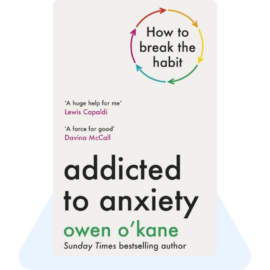
यही pattern psychotherapist Owen O’Kane की Addicted to Anxiety: How to Break the Habit के केंद्र में है। Title जानबूझकर provocative है। O’Kane यह नहीं कहते कि anxiety formal substance addiction है या लोग distress चुनते हैं। उनका central argument है कि anxiety के आसपास के thoughts और behaviours से हम strongly attached हो सकते हैं, क्योंकि वे safety, certainty, control या emotional protection का promise करते हैं। Worry, checking, overanalysis, avoidance, rehearsal, reassurance-seeking और worst-case preparation short-term में useful लग सकते हैं, जबकि वही anxiety cycle को जारी रखते हैं।
Penguin किताब को anxiety को addiction के perspective से समझने, triggers पहचानने, unhelpful habits तोड़ने और productive behaviours विकसित करने वाला guide बताता है। O’Kane के पास physical और mental health में पच्चीस साल से अधिक का experience है, जिसमें former NHS mental-health clinical lead का काम शामिल है। इसलिए किताब केवल “positive सोचो” नहीं कहती; वह body sensations, beliefs, emotions, coping habits, avoidance, uncertainty और anxious self के साथ relationship सहित पूरे system को देखने को कहती है।
यह Readers Books Club summary किताब को आसान, practical भाषा में समझाती है: anxiety self-reinforcing कैसे बनती है, worry protective क्यों लगती है, avoidance temporary relief कैसे देती है, uncertainty tolerate कैसे करें, body calm करते हुए calmness को obsession कैसे न बनाएं, और anxious thoughts को distance तथा compassion से कैसे respond करें।
Readers Books Club audience meditation, spirituality, Law of Attraction, coaching और Amiett Kumar के personal-growth content में भी interested है, इसलिए कुछ clearly labelled editorial applications शामिल हैं। ये O’Kane के original themes के रूप में प्रस्तुत नहीं हैं।
यह educational summary है, diagnosis या treatment plan नहीं। Anxiety ordinary worry से लेकर daily functioning को गंभीर रूप से प्रभावित करने वाले symptoms तक हो सकती है; persistent या severe anxiety में professional assessment और evidence-based care जरूरी हो सकती है।
मुख्य सवाल यह है: अगर goal हर anxious feeling मिटाना नहीं, बल्कि life को उसके आसपास organise करना बंद करना हो, तो क्या बदलेगा?
Addicted to Anxiety किस बारे में है?
Addicted to Anxiety सिर्फ anxiety की feeling नहीं, उसके आसपास बनने वाली habits देखने को कहती है। Anxiety normal protective process है। यह possible threats notice करने, challenges के लिए prepare होने और real danger में जल्दी respond करने में मदद करती है। Problem तब शुरू होती है जब protective system जरूरत से ज्यादा सक्रिय हो और safe feel करने की कोशिश brain को सिखाए कि anxiety की हर बात मानना जरूरी है।
मान लें meeting में बोलने को लेकर nervous हैं और volunteer करना avoid करते हैं। तुरंत relief मिलती है, इसलिए avoidance “काम” करती लगती है। लेकिन brain यह भी सीख सकता है कि बोलना dangerous था, क्योंकि बचने पर safer महसूस हुआ। अगली meeting और कठिन हो सकती है। इस तरह short-term coping long-term pattern बनाती है।
Reassurance-seeking में भी यही हो सकता है। Relationship को लेकर worry है, इसलिए partner से बार-बार पूछते हैं कि सब ठीक है या नहीं। Reassurance दस मिनट calm करता है, फिर नया doubt आता है। Reassurance हमेशा गलत नहीं; problem तब है जब uncertainty tolerate करने का एकमात्र तरीका external confirmation बन जाए और self-trust घटने लगे।
O’Kane के अनुसार लोग anxiety process पर “hooked” हो सकते हैं, pleasure के कारण नहीं बल्कि उसके promise के कारण। Anxiety कहती है: scan, analyse, predict, control और prepare करते रहो, शायद pain prevent कर लोगे। Earlier experiences में vigilance जरूरी रही हो तो यह promise और persuasive हो सकती है।
इसलिए book feelings से fight करने की जगह cycles तोड़ने पर focus करती है। Readers को thoughts से relationship बदलने, anxiety feed करने वाले behaviours कम करने, discomfort और uncertainty tolerate करने, body alarm regulate करने और anxious हिस्से के प्रति कम hostility रखने को कहा जाता है।
यही Addicted to Anxiety को simple relaxation-hack books से अलग करता है। Aim permanently calm रहना नहीं, anxiety-driven habits पर dependence कम करना है। Calmness अलग ढंग से जीने का result बनती है, action से पहले force की जाने वाली condition नहीं।
Owen O’Kane के बारे में
Owen O’Kane specialist psychotherapist और mental-health expert हैं, जिन्हें physical और mental health में पच्चीस साल से अधिक का experience है। Penguin के अनुसार वे former NHS mental-health clinical lead रहे हैं और कई bestselling books लिख चुके हैं। वे complex psychological ideas को practical language में समझाने के लिए जाने जाते हैं।
Interviews में उन्होंने Belfast के Troubles, fear और bullying के experiences को भी अपने thinking से जोड़ा है। इससे book की compassionate idea समझ आती है: anxiety ने earlier environment में protect करना सीखा हो सकता है, भले आज उतनी vigilance जरूरी न हो।
बड़ा विचार: Anxiety protective है, पर उसकी habits खुद को reinforce कर सकती हैं
Addicted to Anxiety title को literal पढ़ने पर misunderstanding हो सकती है। Anxiety simply addiction classify नहीं होती, और anxious महसूस करना distress चुनना या enjoy करना नहीं है। O’Kane addiction language reinforcement समझाने के लिए use करते हैं: कुछ behaviours short-term relief या control देते हैं, इसलिए long-term problems के बावजूद repeat होते हैं।
Pattern अक्सर ऐसा है:
1. Uncertainty, threat, discomfort या unwanted thought trigger होता है।
2. Body activated होती है और mind danger predict करता है।
3. आप avoid, check, analyse, reassurance seek, control, overprepare या mentally rehearse करते हैं।
4. Behaviour temporary relief देता है।
5. Brain relief को behaviour की necessity का evidence मानता है।
6. अगली बार वही trigger stronger लगता है।
यह cycle cognitive-behavioural anxiety approaches से मिलता है: thoughts, feelings, body sensations और behaviours एक-दूसरे को influence करते हैं। Avoidance तुरंत fear घटा सकती है, पर समय के साथ उसे बनाए रख सकती है। NHS भी बताता है कि feared situations avoid करने से future में उन्हें face करना कठिन हो सकता है और CBT unhelpful cycles पहचानकर different response सिखाती है।
O’Kane cycle को emotionally understandable बनाते हैं। Anxious mind life खराब नहीं करना चाहता; वह outdated, exaggerated या overused strategies से protect करना चाहता है। Anxiety को enemy मानकर attack करने पर एक और fear जुड़ सकता है: anxious होने का fear।
Habit तब टूटना शुरू होती है जब हर anxious signal को automatic instruction मानना बंद किया जाता है।
Lesson 1: Anxiety safety का powerful promise देती है
पहला key lesson यह है कि anxiety persuasive इसलिए होती है क्योंकि वह safety offer करती है। Anxious mind कहता है, “अगर काफी देर सोचोगे तो prepared रहोगे।” “हर possibility predict करोगे तो surprise नहीं होगा।” “Situation avoid करोगे तो embarrassment नहीं होगी।” “एक बार और check करोगे तो relax कर पाओगे।”
Problem यह है कि इस promise की finish line नहीं होती। हमेशा एक और possibility, एक और message, एक और symptom और एक और risk मिलता है। Anxiety preparation को lifestyle में बदल सकती है।
O’Kane का framework पूछता है: anxiety आपको क्या promise कर रही है? Certainty, control, rejection से protection, mistake से protection, या grief, shame, conflict और disappointment से बचाव?
Promise पहचानने के बाद उसे test करें। क्या तीन घंटे worry करने से certainty मिली? क्या दस बार checking ने self-trust बढ़ाया? Difficult conversations avoid करने से relationship safer हुआ? हर detail control करने से life predictable हुई या plan से बाहर की चीजें और frightening लगने लगीं?
यह recklessness की बात नहीं। Healthy preparation useful है। फर्क यह है कि preparation action तक ले जाती है या endless monitoring बन जाती है। Useful preparation एक point पर कहती है, “मैंने enough किया; अब जीना है।” Anxiety-driven preparation एक और guarantee मांगती है।
Practical exercise: recurring worry लिखें। Sentence पूरा करें: “मेरी anxiety मानती है कि अगर मैं यह करता रहूं तो यह मुझे … से protect करेगी।” फिर लिखें: “इस habit की actual cost … है।” Cost lost sleep, reduced concentration, conflict, missed opportunities या reassurance पर dependence हो सकती है।
Goal anxious system का मजाक बनाना नहीं, बल्कि समझना है कि वह convincing क्यों है। Promise साफ होने पर आप decide कर सकते हैं कि उसकी price अभी भी देना चाहते हैं या नहीं।
Healthy preparation और anxiety-driven preparation के बीच फर्क intention से ज्यादा stopping point में दिखता है। Healthy preparation useful information लेकर action तक पहुंचती है। Anxiety-driven preparation कहती है कि अभी enough नहीं हुआ। अगर एक और check, एक और rehearsal या एक और opinion के बाद भी certainty नहीं आती, तो problem शायद preparation की कमी नहीं बल्कि certainty की impossible demand है।
Lesson 2: Worry action जैसा लगता है, जबकि कुछ solve नहीं हो रहा
Anxiety habitual इसलिए भी बनती है क्योंकि worry से “कुछ करने” का sensation आता है। Mind busy रहता है और busyness responsible लगती है। आप problem replay करते हैं, consequences imagine करते हैं, explanations तैयार करते हैं और scenarios mentally test करते हैं। Mind active है, इसलिए progress जैसा महसूस होता है।
लेकिन worry और problem-solving अलग हैं। Problem-solving समय के साथ concrete होती है: क्या known है, क्या unknown है, क्या control किया जा सकता है और कौन-सा action available है। Worry अक्सर repetitive होती है और decision बनाने के बजाय possibilities बढ़ाती है।
Useful question है: “क्या यहां कोई action है?” अगर हां, define करें। Appointment लें, question पूछें, presentation prepare करें, bank statement एक बार check करें, plan लिखें या conversation करें। अगर action available नहीं, uncertainty को बार-बार rehearse करना अधिक control नहीं देता।
यहीं letting go practical बनता है। इसका मतलब concern को unimportant मानना नहीं; इसका मतलब endless mental repetition को action या acceptance के substitute की तरह use न करना है।
NHS भी worries को actionable और hypothetical categories में बांटने जैसे structured approaches बताता है। Thought खत्म होने का wait जरूरी नहीं। उसे acknowledge करें, देखें action possible है या नहीं, फिर attention redirect करें।
Readers Books Club readers three-column page बना सकते हैं:
- मैं किस बात को लेकर worried हूं?
- कौन-सा action वास्तव में available है?
- कौन-सी uncertainty मुझे allow करनी है?
तीसरा column सबसे important हो सकता है। कई anxious loops thought alone से uncertainty को certainty में बदलने की कोशिश हैं। Life यह bargain नहीं देती। Complete certainty के बिना action लेना giving up नहीं, psychological flexibility है।
Worry का एक hidden reward यह भी है कि वह आपको emotionally busy रखती है। Busy mind को लगता है कि वह responsible है, इसलिए uncertainty को simply allow करना careless जैसा महसूस हो सकता है। लेकिन action और acceptance दोनों active choices हो सकते हैं। हर unanswered question को तुरंत solve करना maturity नहीं; कभी-कभी सही response है available action लेना और बाकी unknown को temporarily छोड़ देना।
Lesson 3: Anxiety cycle चलाने वाले behaviours पहचानें
अधिकतर लोग अपने anxious thoughts जानते हैं; कम लोग anxiety behaviours पहचानते हैं। जबकि reinforcement अक्सर behaviour में होता है।
Common patterns हैं: messages repeatedly check करना, symptoms online search करना, कई लोगों से reassurance लेना, driving avoid करना, social plans cancel करना, overprepare करना, decisions delay करना, partner का mood monitor करना, emails reread करना, conversations rehearse करना, excessively busy रहना या control के लिए delegation से बचना।
Context matter करता है। Door एक बार check करना reasonable है; uncertainty unbearable लगने पर पंद्रह बार check करना अलग है। Interview prepare करना wise है; हर possible question सुबह तीन बजे तक rehearse करना ऐसी guarantee खरीदने की कोशिश हो सकती है जो exist नहीं करती।
O’Kane behaviour से पहले और बाद को observe करने कहते हैं। पहले discomfort, बाद में relief आती है। यही relief reward बनकर habit को reinforce करती है।
एक सप्ताह trigger-behaviour-relief log रखें:
Trigger: क्या हुआ या मैंने क्या सोचा?
Behaviour: safer feel करने के लिए क्या किया?
Relief: अगले कुछ minutes में क्या बदला?
फिर चौथी line जोड़ें: Long-term cost। क्या behaviour ने avoidance बढ़ाई, time waste किया, others पर dependence बढ़ाई या next episode intense बनाया?
यह exercise mystery कम करती है। Anxiety weather जैसी लग सकती है जो बस आ जाती है; log दिखाता है कि cycle के कुछ हिस्से behaviours हैं जिन्हें धीरे-धीरे बदला जा सकता है।
हर safety behaviour overnight बंद न करें। Meaningful cost वाला एक pattern चुनें और carefully reduce करें। Behaviour severe anxiety, trauma, obsessive-compulsive symptoms, panic या अन्य mental-health condition से जुड़ा हो तो professional guidance अकेले exposure या behaviour change से safer हो सकती है।
Lesson 4: हर thought को information मत मानें
Anxious thoughts urgency के साथ आते हैं: “कुछ गलत है,” “वे मुझसे upset हैं,” “मैं fail हो जाऊंगा,” “अगर मैं बीमार हुआ तो?” या “अगर control खो गया तो?” Intensity thought को important बनाती है, और importance को truth समझ लिया जाता है।
O’Kane thoughts से distance बनाने को कहते हैं। Thought का meaning तुरंत खोजने के बजाय उसे mental event की तरह notice करें। Thought मौजूद हो सकता है बिना prediction, command, diagnosis या fact बने।
यह repetitive “what if?” questions में खास useful है। कुछ questions action मांगते हैं; बाकी imagination के जरिए uncertainty eliminate करने की कोशिश होते हैं। हर “what if?” को और analysis देने से brain सीखता है कि anxious thoughts unlimited attention deserve करते हैं।
Practical phrase है: “मेरे मन में यह thought आ रहा है कि…” “मैं embarrass हो जाऊंगा” बदलकर “मेरे मन में thought आ रहा है कि मैं embarrass हो जाऊंगा” बनता है। आपने thought से argue नहीं किया, केवल उसे context दिया।
CBT में related technique है: step back करें, evidence देखें और anxious prediction automatically accept करने के बजाय alternative explanations consider करें। Goal forced optimism नहीं। Neutral, evidence-based response positive slogan से अधिक useful हो सकता है।
“सब definitely ठीक होगा” की जगह कहें: “मैं exactly नहीं जान सकता कि यह कैसे जाएगा। मैंने तैयारी की है, difficult situations पहले संभाली हैं, और unexpected चीज आए तो respond कर सकता हूं।”
Lesson यह है कि mental noise automatic obedience deserve नहीं करता। Thoughts notice, check और कभी-कभी बिना further investigation के pass होने दिए जा सकते हैं।
Lesson 5: Guarantees मांगने के बजाय uncertainty tolerate करना सीखें
O’Kane बार-बार uncertainty पर लौटते हैं, क्योंकि anxiety अक्सर वहीं grow करती है जहां certainty possible नहीं। Relationships, health, careers, parenting, money और future में unknowns रहते हैं। Anxious mind इन unknowns को remove करना चाहता है और तभी calm होने की permission देता है।
लेकिन certainty जितनी ज्यादा demand करेंगे, उतने fragile बन सकते हैं। अगर relax करने के लिए exactly जानना जरूरी है कि कोई आपके बारे में क्या feel करता है, हर delayed message crisis लगेगा। Health में absolute certainty चाहिए तो normal sensation threat बन सकती है। Success guarantee के बिना act नहीं कर सकते तो meaningful opportunities avoid हो सकती हैं।
Alternative careless या indifferent बनना नहीं। Practice है: “मुझे नहीं पता, और फिलहाल न जानना भी मैं handle कर सकता हूं।” यह uncertainty के सामने surrender नहीं, tolerance build करना है।
Low-stakes situations से शुरू करें। Normal message भेजें और पांच बार reread न करें। Reply late हो तो तुरंत पूछें नहीं कि क्या गलत है। Small decision लें बिना छह opinions मांगे। Minor task “good enough” पर छोड़ें। Discomfort notice करें; उसे rise और fall होने दें।
O’Kane के interviews में भी यही idea है कि difficult emotions, rejection, unpredictability और life के ordinary ups-and-downs tolerate करने पर confidence grow होता है। “What if?” का answer “मुझे सब prevent करना है” से “जो होगा, उसे मैं deal करूंगा” बन सकता है।
Realistic confidence future जानना नहीं है। यह अपनी capacity पर trust है कि uncertainty के बावजूद respond किया जा सकता है।
Uncertainty tolerance धीरे-धीरे build होती है। इसका लक्ष्य risk को ignore करना नहीं, बल्कि realistic risk और imagined guarantee के बीच फर्क सीखना है। आप careful रह सकते हैं और फिर भी complete certainty demand नहीं कर सकते। जब brain बार-बार देखता है कि uncertain situation के बावजूद आपने function किया, तो self-trust external reassurance से अलग आधार पर grow करने लगता है।
Lesson 6: Avoidance जल्दी काम करती है, इसलिए trap बन सकती है
Avoidance anxiety की strongest short-term strategies में है। Presentation cancel करें तो nervousness face नहीं करनी। Crowded place avoid करें तो body calm होती है। Phone call न करें तो awkwardness का risk नहीं लेना पड़ता। Relief immediate है, इसलिए avoidance wisdom जैसी लग सकती है।
Repeated avoidance brain को दूसरा lesson देती है: situation face करने के लिए बहुत dangerous थी। Feared experience test नहीं होता, इसलिए fear update नहीं होता। Short-term comfort long-term limitation बन सकता है।
NHS भी कहता है कि feared situations avoid करना पहले easier लगता है, लेकिन समय के साथ उन्हें face करना harder बना सकता है। Evidence-based therapies में carefully planned exposure का use होता है ताकि distress tolerate करना और feared outcomes को reality में test करना सीखा जा सके।
Everyday anxiety में पूछें: “मेरी anxiety मुझे किस चीज की practice नहीं करने दे रही?” शायद बोलने की practice तब भी चाहिए जब voice shake करती है। Social event attend करना है बिना outcome जाने। Work perfect feel होने से पहले submit करना है। Honest conversation करनी है बिना दूसरे का response control किए।
इसे self-punishment न बनाएं। Courage का मतलब खुद को सबसे कठिन situation में flood करना नहीं। Gradual practice safer principle है। Manageable step चुनें, repeat करें और brain को नया evidence दें कि discomfort survive किया जा सकता है।
अगर anxiety severe है या trauma, panic, obsessive-compulsive symptoms, eating problems या अन्य clinical condition से connected है, तो book summary के आधार पर intense exposure plan अकेले न बनाएं। Qualified mental-health professional support को situation के हिसाब से tailor कर सकता है।
Deeper lesson: relief और recovery हमेशा same नहीं। कुछ behaviours आज better feel कराते हैं लेकिन tomorrow harder बनाते हैं। Anxiety habit break करने में इस difference को पहचानना जरूरी है।
Avoidance के साथ important सवाल यह है कि वह आपको किस experience से वंचित कर रही है। जब आप feared situation में manageable level पर रहते हैं, brain केवल danger नहीं बल्कि coping का evidence भी collect करता है। इससे confidence “मुझे डर नहीं लगेगा” से बदलकर “डर लगे तो भी मैं कुछ useful कर सकता हूं” बनता है, जो everyday life में ज्यादा durable confidence है।
Lesson 7: Body को calm करें, calmness को नई requirement न बनाएं
Anxiety केवल thought problem नहीं; physical भी है। Heart rate बदलती है, breathing shallow होती है, muscles tighten होते हैं, stomach churn करता है, throat narrow लग सकता है और body action के लिए prepare होती है। Body danger signal करती है तो mind sensations explain करने के लिए story ढूंढता है, जिससे feedback loop बन सकता है।
O’Kane इसलिए body के साथ भी काम करने कहते हैं। Slow down, shoulders relax, breathing regulate, attention ground और calming place visualise करना immediate threat की feeling घटा सकता है।
लेकिन tools को ritual न बनाएं जिसे आगे बढ़ने से पहले “work” करना ही हो। अगर कहते हैं, “जब तक heart rate completely normal नहीं होगी, meeting में नहीं जाऊंगा,” तो नई dependency बन सकती है। Goal perfect calm नहीं; enough regulation है कि present रहकर next action choose कर सकें।
Brief body reset:
1. दोनों feet floor पर रखें।
2. Notice करें tension कहां hold हो रही है।
3. Breath force किए बिना exhale को inhale से थोड़ा longer करें।
4. आसपास तीन neutral objects name करें।
5. खुद को remind करें: “मेरी body activated है। Activation uncomfortable है, automatically danger नहीं।”
Grounding body से argument नहीं; उसे updated information देना है।
Readers Books Club audience के meditation readers के लिए यही कारण है कि meditation supportive हो सकती है। Mindfulness body sensations और thoughts को तुरंत react किए बिना notice करने की practice देती है। NCCIH-reviewed research suggest करती है कि mindfulness-based approaches कुछ लोगों की anxiety में help कर सकती हैं, लेकिन results vary करते हैं। Significant anxiety disorder में meditation professional treatment का replacement नहीं।
Body regulation को performance test न बनाएं। कुछ दिन breathing जल्दी settle करेगी, कुछ दिन नहीं। Grounding का value symptom घटने में नहीं, बल्कि attention को present moment में लौटाने में भी है। अगर activation बनी रहती है और फिर भी आप safe, values-based action ले पाते हैं, तो nervous system को नया message मिलता है: discomfort मौजूद है, पर मुझे हर बार escape नहीं करना।
Lesson 8: Anxious हिस्से को enemy नहीं, overworking ally मानें
कई लोग anxiety के साथ hostile relationship बना लेते हैं: “मुझे इससे नफरत है,” “मैं ऐसा क्यों हूं?” “इसे खत्म करना है,” या “अगर यह वापस आया तो cope नहीं कर पाऊंगा।” इससे second problem बनती है: anxiety की presence ही threat लगने लगती है।
O’Kane compassionate frame देते हैं। Anxiety को scared, protective part की तरह देखें। वह हमेशा accurate नहीं, लेकिन intention अक्सर protection है। वह overwork इसलिए कर रही है क्योंकि उसे danger हर जगह लगता है।
यह केवल soft language नहीं; behaviour बदलती है। Anxiety को enemy मानेंगे तो fight, suppress, avoid और monitor करने की tendency बढ़ेगी। Protective system समझेंगे जिसे update चाहिए, तो clearer information दे पाएंगे।
Difficult event से पहले internally कह सकते हैं: “मुझे पता है तुम protect करने की कोशिश कर रहे हो। Thank you। मैंने तैयारी की है। Discomfort handle कर सकता हूं। तुम्हें पूरी situation run नहीं करनी।”
Self-compassion हर anxious story believe करना नहीं। Nervous system होने के लिए खुद को shame न करना है। Tone “इसे अभी बंद करो” से “मैं समझता हूं यह क्यों हो रहा है, और next response मैं choose करूंगा” बनती है।
Years से anxiety carry करने वालों के लिए यह खास important है। अगर vigilance ने unsafe environment में survive करने में मदद की थी, environment बदलने के बाद भी pattern चल सकता है। Compassion उस pattern को update करने लायक safety दे सकती है।
Compassion का मतलब anxiety की बात मान लेना नहीं। आप protective intention acknowledge करके prediction से disagree कर सकते हैं। “मैं समझता हूं कि तुम मुझे safe रखना चाहते हो, लेकिन इस situation में avoidance जरूरी नहीं” जैसी inner language shame घटाती है और agency बचाती है। इस तरह kindness और boundary साथ रह सकते हैं; anxious part सुना जाता है, पर final decision वही नहीं लेता।
Lesson 9: पुराने safety strategies को update करें
O’Kane की personal story दिखाती है कि anxiety एक environment में appropriate और दूसरे में excessive हो सकती है। Instability में बड़ा हुआ child danger scan करना सीख सकता है। Criticism झेलने वाला हर sentence rehearse कर सकता है। Betrayal के बाद relationship में rejection signs monitor किए जा सकते हैं।
ये strategies intelligent adaptations हो सकती हैं। Problem यह है कि circumstances improve होने पर brain उन्हें automatically update नहीं करता।
पूछें: “इस habit ने मुझे किस चीज से survive या बचने में मदद की?” फिर: “क्या आज भी protection का वही level जरूरी है?”
Overpreparing harsh workplace में useful रहा हो सकता है; healthier team में exhaustion बन सकता है। People-pleasing childhood conflict घटाता रहा हो; adult relationship में honesty रोक सकता है। Repeated checking chaos में order का sense देता रहा हो; आज time consume और doubt reinforce कर सकता है।
Updating history erase नहीं करती; उसे acknowledge करती है। Old strategy को उसके पुराने काम के लिए thank कर सकते हैं और फिर नई strategy चुन सकते हैं।
Anxiety trauma या longstanding patterns से linked हो तो therapy खास useful हो सकती है। Book map दिखाती है; professional support difficult territory safely navigate करने में मदद कर सकता है।
Lesson 10: SIMPLY method से Anxiety cycle interrupt करें
Interviews में O’Kane six-part technique SIMPLY describe करते हैं। Active anxiety के समय यह practical circuit-breaker है।
S – Space: Thoughts और feelings के swirl से थोड़ा distance बनाएं। बाहर step करना, conversation pause करना, quieter जगह बैठना या mentally एक step पीछे जाना काम आ सकता है।
I – Identify: पूछें वास्तव में क्या हो रहा है। Overwhelmed, frightened, ashamed, uncertain, lonely, angry या physically overstimulated? Experience name करना story में absorb होने से अलग है।
M – Meet: Anxiety से curiosity के साथ मिलें, तुरंत escape न करें। वह किस चीज से protect करना चाहती है? उसे क्या लगता है कि अभी क्या होगा?
P – Pacify: Body alarm कम करने में मदद करें। Slower breathing, grounding, relaxed posture या safe regulating practice use करें।
L – Let go: Old habit पहचानें और analysis, control, checking या avoidance को 계속 feed करने की need release करें। Letting go कई बार repeat करना पड़ सकता है।
Y – You: याद रखें response choose करने वाले आप हैं। Anxiety मौजूद है, लेकिन agency आपकी है। Aim anxious system को हर decision का driver न बनने देना है।
SIMPLY की value sequence में है। यह “anxious होना बंद करो” नहीं कहती। पहले space, फिर identification, फिर meeting, regulation, letting go और agency।
Readers Books Club readers छह letters notebook या phone note में रख सकते हैं। Recurring trigger के समय acronym reminder देता है कि automatic reaction के अलावा options मौजूद हैं।
SIMPLY को rigid checklist की तरह use करने की जरूरत नहीं। कभी Space के लिए केवल तीन breaths काफी होंगे; कभी Identify करने में समय लगेगा। Method का उद्देश्य perfect technique नहीं, automatic cycle में conscious interruption बनाना है। अगर किसी step पर anxiety पूरी तरह calm न हो, तब भी process useful हो सकती है क्योंकि आपने reaction और choice के बीच थोड़ी जगह create कर ली।
Lesson 11: Difficult emotions के लिए HEART use करें
O’Kane पांच-step emotional process HEART बताते हैं: Help, Embrace, Accept, Respond, Trust। इसका broader message है कि emotions तब harder होती हैं जब हम उनसे fight करते हैं या उन्हें सब कुछ dictate करने देते हैं।
Help: मानें कि emotion आया है क्योंकि कोई हिस्सा attention चाहता है।
Embrace: Feeling की ओर turn करें; तुरंत distract, numb, analyse या suppress न करें।
Accept: Emotion को अभी exist करने दें। Acceptance approval नहीं; यह उस fact से argument खत्म करना है कि feeling already present है।
Respond: तय करें कौन-सा support या action appropriate है: rest, conversation, boundary, practical task या feeling को bigger story बनाए बिना गुजरने देना।
Trust: Emotions बदलती हैं। उन्हें पकड़कर रखने की जरूरत नहीं कि वे matter करती थीं, और life continue करने से पहले उन्हें eliminate भी नहीं करना।
Anxiety को command समझने वालों के लिए HEART खास useful है। Feeling real हो सकती है, prediction true होना जरूरी नहीं। Emotion respect करते हुए behaviour values, evidence और context से choose किया जा सकता है।
Lesson 12: Letting go एक repeated practice है
“Let it go” आसान advice है, use करना कठिन। अगर letting go single decision होता, तो “relax करो” सुनते ही worry खत्म हो जाती।
O’Kane का approach realistic है। Letting go बार-बार same loop को feed न करने की practice है। Thought लौटे तो notice करें, फिर investigate न करें। Checking urge आए तो delay या reduce करें। Reassurance की इच्छा उठे तो uncertainty tolerate करने की याद दिलाएं। Body activated हो तो total calm demand किए बिना regulate करें।
इसलिए progress uneven लग सकती है। Anxiety habit break करने का अर्थ कभी anxious न होना नहीं। Thought आ सकता है, body react कर सकती है। Change यह है कि anxiety को कितना time, attention और behaviour दिया जाता है।
Progress का useful measure “क्या आज anxiety हुई?” नहीं, “Anxiety आई तो मैंने क्या किया?” है। क्या फिर भी attend किया? कम avoid किया? Faster recover किया? Reassurance छह बार के बजाय एक बार मांगी? Thought notice किया बिना proof search किए?
यही behavioural freedom है। Anxious system door knock कर सकती है, लेकिन अब उसे automatically पूरा घर run करने का invitation नहीं मिलता।
Practical 7-Day “Break the Anxiety Habit” Reset
यह Readers Books Club reset किताब के broader principles से inspired है, medical protocol नहीं। इसे gentle रखें; severe anxiety या significantly affected daily functioning में professional support लें।
Day 1: Anxiety Cycle map करें
Trigger, thought, body sensation, behaviour, short-term relief और long-term cost लिखें। अभी change न करें; सिर्फ awareness बनाएं।
Day 2: Promise पहचानें
पूछें habit obey करने पर anxiety क्या promise करती है: safety, certainty, approval या embarrassment prevention? लिखें: “मेरी anxiety मानती है कि अगर मैं …, तो मैं … से बच सकता हूं।”
Day 3: एक Safety Behaviour कम करें
Safe छोटा habit चुनें। तीन के बजाय एक बार check करें, reassurance से पहले दस minutes wait करें, low-stakes message repeatedly reread किए बिना भेजें। Discomfort notice करें।
Day 4: Uncertainty practice करें
कहें: “मुझे नहीं पता, और अभी न जानना मैं handle कर सकता हूं।” एक ordinary uncertainty को तुरंत solve न करें।
Day 5: SIMPLY use करें
Space, Identify, Meet, Pacify, Let go, You से गुजरें। Perfect execution नहीं, autopilot interrupt करना goal है।
Day 6: Anxiety से delayed एक काम करें
Manageable action चुनें: call, idea share, meeting, familiar route drive या small honest conversation। Step realistic रखें।
Day 7: Review करें
Anxiety ने क्या predict किया और actual में क्या हुआ? किस behaviour ने temporary relief दी? किस new response ने freedom बढ़ाई? अगले 30 days के लिए एक practice चुनें।
Meditation और Addicted to Anxiety: Pause को train करना
Meditation किताब के साथ naturally fit होती है, क्योंकि दोनों आपको internal experience notice करना सिखाते हैं बिना तुरंत react किए। Meditation में thought आता है, आप उसे notice करते हैं; body restless होती है, आप उसे भी notice करते हैं। हर thought solve करना या हर sensation को story बनाना जरूरी नहीं। Anxiety habits में फंसे व्यक्ति के लिए यह trigger और behaviour के बीच pause मजबूत कर सकता है। Phone check करने से पहले urge दिखाई दे सकती है; reassurance message भेजने से पहले impulse notice हो सकता है। Awareness का यही छोटा gap choice बनाता है।
Simple five-minute practice करें। Comfortably बैठें और breath notice करें। Thought आए तो softly “thinking” label करें। Body में anxiety हो तो “activation” या “tension” कहें। Breath या feet के floor-touch पर लौटें। Goal mind empty करना नहीं, बल्कि हर internal signal follow किए बिना present रहना है। NCCIH के अनुसार mindfulness-based practices कुछ लोगों की anxiety में help कर सकती हैं, पर effects vary करते हैं और कुछ practitioners को negative experiences भी हो सकते हैं। Meditation supportive practice है, serious anxiety को अकेले manage करने का proof नहीं।
Spirituality, Acceptance और Control की जरूरत
Spirituality में interested readers किताब को एक grounded question से पढ़ सकते हैं: मेरी suffering का कितना हिस्सा life को पूरी तरह controllable बनाने की demand से आता है? Spirituality में surrender, presence, trust, compassion और acceptance जैसे themes होते हैं; anxiety अक्सर predict more, control more, rehearse more और guarantee more की दिशा में जाती है। इससे anxiety “unspiritual” नहीं होती; वह human है।
Healthy spiritual application fear के लिए खुद को shame करना या “low vibration” को blame करना नहीं है। Spirituality uncertainty को humility के साथ meet करने की practice बन सकती है। Responsible action लें, फिर control की limits recognise करें। Practical line है: “जो मेरा काम है, मैं करूंगा; जो मेरे control में नहीं, उस पर control demand नहीं करूंगा।” यह forced positivity से बेहतर fit होती है, क्योंकि reality का respect करती है। आप afraid होकर भी present रह सकते हैं और good outcome चाहकर भी uncertainty accept कर सकते हैं।
Addicted to Anxiety और Law of Attraction: Grounded Readers Books Club Connection
Addicted to Anxiety Law of Attraction book नहीं है। O’Kane anxiety को manifestation failure नहीं बताते, और readers को यह नहीं मानना चाहिए कि worried feel करने से magically bad events attract होंगे। Anxiety normal human process है; difficult circumstances के लिए किसी को fear feel करने का दोष नहीं दिया जाना चाहिए।
फिर भी Law of Attraction पढ़ने वाली Readers Books Club audience एक behavioural connection ले सकती है: attention behaviour को influence करती है। अगर attention constantly danger पर organised है, decisions values के बजाय avoidance से आ सकते हैं। Opportunities decline हो सकती हैं, conversations delay हो सकती हैं, excessive reassurance मांगी जा सकती है और problem prediction में इतनी energy लग सकती है कि meaningful action के लिए कम energy बचे।
Grounded Law of Attraction practice “कभी negative मत सोचो” से कम और intention-behaviour alignment पर अधिक focus करती है। Healthy relationship चाहते हैं तो anxiety-driven testing के बजाय honest communication करें। Career growth चाहते हैं तो uncertainty के बावजूद next useful action लें। Peace चाहते हैं तो compulsive checking कम करने वाली routines बनाएं, सिर्फ affirmations repeat करते हुए वही fear-based habits continue न करें। Amiett Kumar, manifestation, meditation, visualisation और personal-growth content follow करने वालों के लिए balancing lesson है: inner work आपकी living capacity बढ़ाए, अपने thoughts से डर न बढ़ाए। Goal की ओर बढ़ने के लिए perfect emotional control जरूरी नहीं।
Affirmations: Reality से argue नहीं, action support करें
Affirmations किताब का central method नहीं हैं, लेकिन manifestation में interested readers अक्सर पूछते हैं कि positive statements anxiety के साथ कैसे fit होते हैं। Best approach unwanted thoughts से fight करने के लिए affirmation use न करना है। Intense uncertainty के समय “Everything perfect है, कुछ गलत नहीं हो सकता” unbelievable लग सकता है। Grounded affirmations ऐसे हो सकते हैं:
- “मैं uncertainty को एक step पर handle कर सकता हूं।”
- “Anxious thought automatically fact नहीं है।”
- “Action से पहले complete certainty जरूरी नहीं।”
- “Discomfort के साथ भी meaningful choice कर सकता हूं।”
- “मैं checking urge से ज्यादा self-trust सीख रहा हूं।”
- “Body activated हो सकती है बिना immediate danger के।”
ये impossible certainty promise नहीं करते; anxiety के साथ नया relationship reinforce करते हैं।
Coaching और Life Coach Support: मदद कहां, limits कहां
Book lessons coaching से naturally connect होते हैं जब challenge implementation हो: reassurance पर boundaries, routines, ordinary uncertainty के बावजूद action, values clarity और behaviour-change accountability। Life coach identify करने में help कर सकता है कि anxiety-driven habits goals में कहां interfere कर रही हैं। उदाहरण: कोई content publish delay करता है क्योंकि success की certainty चाहता है। Coaching realistic standard, deadline और action plan define कर सकती है।
लेकिन limits हैं। Anxiety disorders mental-health conditions हैं; severe या persistent symptoms qualified mental-health professionals से assessment और treatment मांग सकते हैं। Responsible coach diagnosis नहीं करता, scope से बाहर trauma treat नहीं करता, medication रोकने को नहीं कहता और mindset alone से cure promise नहीं करता। Readers Books Club और Amiett Kumar audience के लिए distinction useful है: coaching action और accountability support कर सकती है; therapy clinical anxiety, trauma और deeper psychological patterns address करती है। Roles interchangeable नहीं हैं।
Common Anxiety-Habit Mistakes
Mistake 1: हर anxious feeling खत्म करने की कोशिश
Zero anxiety goal होने पर normal nervousness failure लग सकती है। Better goal है anxiety कभी-कभी होने पर भी freer life जीना।
Mistake 2: Reassurance को calm होने का only route बनाना
Reassurance comforting हो सकती है, पर repeated confirmation के बिना uncertainty tolerate न हो तो habit stronger हो सकती है।
Mistake 3: हर discomfort avoid करना
Avoidance quick relief देती है, लेकिन life छोटी कर सकती है। Gradual, safe engagement नया evidence बनाती है।
Mistake 4: हर thought overanalyse करना
Thought notice किया जा सकता है बिना solve किए। Repeated analysis anxiety के लिए और material create कर सकती है।
Mistake 5: Meditation सिर्फ anxiety गायब करने के लिए use करना
Meditation awareness और acceptance train करे तो अधिक useful है। हर session को “anxiety गई या नहीं” से judge करना उसे control ritual बना सकता है।
Mistake 6: “Addiction” metaphor को self-blame बनाना
Point यह नहीं कि आपने anxiety choose की। Point है कि reinforced habits awareness, practice और जरूरत पर professional support से change हो सकती हैं।
Mistake 7: Self-help को treatment समझ लेना
Books valuable हो सकती हैं, लेकिन severe symptoms में diagnosis, psychotherapy या medical care का substitute नहीं।
अन्य Popular Books से तुलना
Addicted to Anxiety कई Readers Books Club titles के साथ naturally बैठती है। Nick Trenton की Stop Overthinking repetitive thinking, stress और mental loops से निकलने के practical tools पर focus करती है; Addicted to Anxiety anxious beliefs और safety behaviours की reinforcing relationship में और deeper जाती है। Dale Carnegie की How to Stop Worrying and Start Living practical worry reduction, present living और problem-solving की classic book है; O’Kane की language अधिक contemporary और avoidance, uncertainty, body activation तथा reinforced coping patterns पर अधिक explicitly psychological है।
The Let Them Theory तब useful हो सकती है जब anxiety दूसरों के reactions control करने की कोशिश से linked हो; अपनी choices पर attention लौटाने का उसका core message O’Kane के control-seeking behaviours कम करने के emphasis को complement कर सकता है। Stop Letting Everything Affect You emotional reactivity, boundaries, overthinking और self-sabotage पर focus करती है; उसे पसंद करने वाले readers Addicted to Anxiety में nervous system और protective patterns की deeper explanation पसंद कर सकते हैं। Reading sequence में anxiety और uncertainty central हों तो Addicted to Anxiety से शुरू करें, thought-management के लिए Stop Overthinking, control और relationships के लिए The Let Them Theory, और behaviours को routines में बदलने के broader system के लिए Atomic Habits पढ़ें।
किसे Addicted to Anxiety पढ़नी चाहिए?
यह book खासकर उन readers के लिए useful हो सकती है जो जानते हैं कि worry help नहीं कर रही, फिर भी worry करते हैं; repeated reassurance seek करते हैं; uncertainty intolerable लगने पर situations avoid करते हैं; safe feel करने के लिए overprepare या overanalyse करते हैं; decision लेने के बाद भी trust नहीं कर पाते; ordinary uncertainty पर physically activated feel करते हैं; anxiety को enemy मानकर fight करते-करते थक चुके हैं; practical psychology और self-improvement books पसंद करते हैं; या समझना चाहते हैं कि कुछ coping behaviours relief देते हुए भी cycle कैसे बनाए रखते हैं। Partners, parents, coaches और friends के लिए भी यह compassionate understanding दे सकती है। लेकिन severe anxiety daily functioning, sleep, relationships, school, work, eating, substance use या safety को affect करे तो qualified support लें।
Frequently Asked Questions
Addicted to Anxiety किस बारे में है?
यह self-help और psychology book anxiety को reinforcement और habit के lens से explore करती है। Worry, checking, reassurance-seeking, avoidance और control short term में protective लग सकते हैं, लेकिन time के साथ anxiety maintain कर सकते हैं।
क्या Anxiety सच में addiction है?
Book addiction को framework की तरह use करती है ताकि strongly reinforced anxiety-related habits समझाई जा सकें। Anxiety अपने-आप में simply addiction classify नहीं होती; title को formal diagnosis नहीं समझना चाहिए।
Book का main lesson क्या है?
आप anxiety के साथ relationship बदल सकते हैं। हर anxious feeling से fight करने के बजाय cycle feed करने वाले thoughts और behaviours identify करें, uncertainty tolerate करें, body regulate करें और fear के बजाय values पर decisions लें।
SIMPLY method क्या है?
SIMPLY का अर्थ Space, Identify, Meet, Pacify, Let go, You है। यह anxiety से distance बनाने, situation समझने, body soothe करने, old habits release करने और agency वापस लेने का step-by-step तरीका है।
HEART method क्या है?
HEART का अर्थ Help, Embrace, Accept, Respond, Trust है। यह difficult emotions को suppress या cling करने के बजाय compassion के साथ meet करने का framework है।
क्या Meditation anxiety में help कर सकती है?
Meditation और mindfulness कुछ लोगों को thoughts तथा body sensations के प्रति awareness बढ़ाने और anxiety manage करने में help कर सकती हैं। Evidence vary करता है; severe anxiety में इसे evidence-based treatment का replacement नहीं मानना चाहिए।
क्या Book spirituality या Law of Attraction से जुड़ी है?
Primary focus के रूप में नहीं। इस Readers Books Club summary में spirituality और Law of Attraction connections editorial applications हैं। Original book anxiety, habits, emotional regulation और behaviour change पर केंद्रित है।
Progress इस आधार पर न मापें कि anxiety आज आई या नहीं। सवाल है कि anxiety आने पर आपने क्या चुना। क्या आपने काम जारी रखा, reassurance कम मांगी, situation avoid नहीं की, या thought को proof खोजे बिना जाने दिया? Behavioural changes दिखाते हैं कि habit की पकड़ घट रही है और choice बढ़ रही है।
Final Thoughts: Goal perfect calm नहीं, freedom है
Addicted to Anxiety का सबसे useful idea यह नहीं कि anxiety bad है; बल्कि anxiety के साथ बनाया गया relationship matter करता है। Anxiety protective system है। वह warn, prepare और real risk पर respond करने में मदद कर सकती है। लेकिन जब हर signal command बन जाए, protective system life का बहुत ज्यादा हिस्सा run करने लगता है। आप trust के बजाय check करते हैं, practice के बजाय avoid करते हैं, decide करने के बजाय analyse करते हैं और वहां certainty खोजते हैं जहां certainty exist नहीं करती।
Owen O’Kane का framework अलग रास्ता offer करता है। Safety का promise notice करें। Habit identify करें। Thought से space create करें। Body को इतना calm करें कि choice possible हो। Uncertainty tolerance बढ़ाएं। Anxious हिस्से को compassion से meet करें। फिर एक action लें जो evidence दे कि हर alarm obey किए बिना भी जी सकते हैं।
Readers Books Club के लिए useful books यही करती हैं: invisible patterns को language देती हैं और understanding को action में बदलती हैं। Meditation, spirituality, Law of Attraction, coaching, life coaching, manifestation और Amiett Kumar के work में interested readers के लिए grounding principle है कि personal growth emotional perfection नहीं है; automatic patterns से कम controlled होना है। Meditation awareness train कर सकती है, spirituality acceptance deepen कर सकती है और coaching purposeful action support कर सकती है, लेकिन ordinary human emotion से डरने का नया तरीका नहीं बनना चाहिए।
Anxiety disappear होने का wait जरूरी नहीं। Uncertain होकर भी call कर सकते हैं। Nervous होकर भी room में जा सकते हैं। Check करने की urge notice करके उसे follow न करने का choice कर सकते हैं। Anxious thought carry कर सकते हैं बिना पूरा day उसके आसपास build किए। Anxiety habit break करने का अंतिम अर्थ यही है: anxiety बोल सकती है, लेकिन final vote अब हमेशा उसी का नहीं होगा।
Contents