2026 में Reading इतनी मुश्किल क्यों लगती है: अपना Focus कैसे दोबारा बनाएँ

Introduction: आपको Books अब भी पसंद हैं – फिर Focus क्यों नहीं बनता?
आप एक ऐसी book लेकर बैठते हैं जिसे आप सच में पढ़ना चाहते थे। उसका cover आपको पसंद आया था। उसका topic आपके लिए meaningful था। शायद आपने उसे किसी Readers Books Club video को देखने, किसी podcast recommendation को सुनने, या महीनों पहले अपनी reading list में save करने के बाद खरीदा हो।
आप पहला page पढ़ते हैं। फिर अनजाने में आपका हाथ phone की तरफ बढ़ जाता है।
आप book पर लौटकर दो paragraphs पढ़ते हैं, फिर email याद आता है। एक notification आपको message, reel, headline और short video तक ले जाती है। दस मिनट बाद लौटने पर पिछला page दोबारा पढ़ना पड़ता है क्योंकि उसका content याद नहीं रहता।
अगर यह familiar है, आप अकेले नहीं हैं। 2026 की बड़ी reading problem books की कमी या stories, ideas, personal growth, psychology, spirituality, money, productivity और self-improvement में घटती रुचि नहीं है। Books relevant हैं; बदला वह environment है जिसमें हम पढ़ते हैं।
आज attention constant competition में है। Book एक voice, argument, story और train of thought के साथ टिकने को कहती है; phone seconds में अनेक rewards देता है। Chapter idea धीरे develop करता है, feed instantly refresh होती है। Book breakthrough तक बीस pages ले सकती है, short-form video अगली swipe से पहले stimulation देता है।
यही कारण है कि books से प्यार अब भी होने के बावजूद reading कठिन लग सकती है।
Readers Books Club का उद्देश्य केवल titles collect करना नहीं है। Books हमारी thinking, decisions, work, relationships, communication, habits, money, spirituality और life shape करने का तरीका बदल सकती हैं। मगर उनके ideas absorb करने हेतु उनके साथ पर्याप्त समय चाहिए। Summary concept introduce करती है, podcast curiosity बढ़ाता है, quote inspire करता है; deep reading idea के साथ sustained contact देती है जो thinking को challenge और expand कर सकता है।
अच्छी खबर यह है कि आपकी reading ability शायद गायब नहीं हुई। Focus कोई ऐसी fixed personality trait नहीं है जो कुछ लोगों को जन्म से मिलती हो और बाकी लोग हमेशा हेतु खो देते हों। Focus habits, environment, energy, expectations, technology और practice से प्रभावित होता है। अगर आपका reading attention fragment हो गया है, तो उसे दोबारा train किया जा सकता है।
यह guide बताती है कि 2026 में reading कठिन क्यों लगती है, digital distraction, short-form media, print vs screen, meditation और attention पर research क्या कहती है, तथा modern life में reading habit कैसे rebuild करें। Readers Books Club, Amiett Kumar, meditation, spirituality या simply more books पढ़ने में आपकी रुचि हो, goal है page के साथ टिकने वाला reader बनना।
क्या 2026 में Reading सच में खत्म हो रही है? Data एक अलग कहानी बताता है
Short videos, social media, AI summaries, podcasts और streaming platforms देखकर यह मान लेना आसान है कि अब कोई पढ़ता ही नहीं। लेकिन reality कहीं ज्यादा complex और ज्यादा hopeful है।
Pew Research Center ने April 2026 में report किया कि 75% U.S. adults ने कहा कि पिछले बारह महीनों में उन्होंने कम से कम एक book का पूरा या कुछ हिस्सा पढ़ा। Print का use digital या audio formats से ज्यादा रहा। इसका अर्थ यह है कि screens ने books को पूरी तरह replace नहीं किया। इतिहास के सबसे digitally saturated समय में भी लोग पढ़ रहे हैं।
Gen Z data भी encouraging है। Cambridge की 2026 research, 2020, 2022 और 2025 surveys पर आधारित, में self-identified readers बढ़े। 2025 में 65.2% respondents ने print book पढ़ी, जबकि 2022 में 50.5% ने। Physical library visits बढ़ीं। BookTok और Bookstagram discovery influence करते हैं, पर कई young readers इन्हीं platforms से physical books खोजते हैं।
इसलिए कहानी सिर्फ इतनी नहीं है कि “phones ने reading खत्म कर दी।” ज्यादा सही description यह है: discovery digital हो गई है, attention fragmented हो गया है, लेकिन books की hunger बनी हुई है।
इसलिए Readers Books Club की भूमिका unique है। YouTube, podcast, blog या book summary attention जहाँ है वहीं readers से मिलकर उन्हें deeper reading तक ले सकती है। Digital media और books enemies नहीं हैं; सवाल यह है कि fast media deep thinking का bridge बने या permanent replacement।
यह distinction SEO और life दोनों में महत्वपूर्ण है। Searches जैसे how to focus while reading, how to read more books, reading slump, why can’t I focus on reading और books vs social media दिखाती हैं कि desire मौजूद है। Rebuild attention system को करना है।
अब Reading कठिन क्यों लगती है
1. आपका Brain टिकने से ज्यादा Switching की Practice कर रहा है
हर बार जब आप book से message पर, message से Instagram पर, Instagram से email पर, और email से वापस book पर जाते हैं, तो attention को disengage, reorient और context फिर से reconstruct करना पड़ता है।
Digital switching familiar होकर effortless लगती है, पर cognitive cost zero नहीं। Digital attention की 2025 review media multitasking को individual tendencies, task demands, device design और environmental cues से shaped complex behaviour बताती है। Practical lesson: switching default हो तो sustained focus कम practise होता है।
Long-form reading opposite skill है: earlier information hold करना, current text से connect करना, structure notice करना और unrelated impulses resist करना। Day छोटे switches से भरा हो तो book की stillness शुरू में uncomfortable लग सकती है।
यह discomfort इस बात का प्रमाण नहीं कि brain damaged है। अक्सर इसका अर्थ सिर्फ इतना है कि attention किसी अलग rhythm का आदी हो चुका है।
इसे physical conditioning की तरह समझिए। अगर महीनों से सिर्फ short bursts की movement की हो, तो long walk उम्मीद से ज्यादा कठिन लगेगी। इसका solution यह नहीं कि आप मान लें walking की ability permanently खो गई। आप endurance धीरे-धीरे rebuild करते हैं। Reading focus भी इसी तरह वापस आता है।
2. Short-Form Content आपके Pace की Expectation बदल देता है
Book delayed reward मांगती है। एक अच्छा nonfiction chapter पहले problem introduce कर सकता है, context दे सकता है, evidence देख सकता है, assumption challenge कर सकता है, story बता सकता है और उसके बाद useful framework देता है। Fiction atmosphere या character build करने में pages लगा सकती है, फिर plot नई direction लेता है।
Short-form content एक अलग pace पर बना है। Hook तुरंत आता है। Cuts तेज होते हैं। Novelty constant होती है। कोई content boring लगते ही एक swipe में नया content available है।
745 social-media users की 2025 study ने frequent short-form video use और deeper scroll immersion को self-reported attention difficulty, working-memory disruption व cognitive fatigue से associate किया। Correlational study causation prove नहीं करती, पर habitual unintentional scrolling slower activities को कम stimulating महसूस करा सकती है।
यही कारण है कि लोग कहते हैं, “मैं एक घंटे reels देख सकता हूँ लेकिन दस pages नहीं पढ़ पाता।” Problem यह नहीं कि दस pages objectively sixty minutes video से कठिन हैं। वे attention का अलग tempo मांगते हैं।
Reading के शुरुआती कुछ minutes इसलिए unusually quiet लग सकते हैं। Mind को नया stimulus चाहिए। कुछ बदल नहीं रहा। Mind अगले hook की expectation करता है, पर author उसी idea को develop कर रहा है। आप उठकर कुछ और देखने का urge महसूस करते हैं।
यही urge training moment है।
3. Notifications Reading को Semi-Interrupted Activity बना देती हैं
बहुत से लोग मानते हैं कि उन्होंने तीस minutes पढ़ा, जबकि वास्तविक pattern होता है: तीन minutes पढ़ना, कुछ check करना, पाँच minutes पढ़ना, reply देना, दो minutes पढ़ना, music बदलना, फिर वापस पढ़ना।
Clock पर total time तीस minutes हो सकता है। Sustained attention time तीस minutes नहीं होता।
आपके पास रखा phone सिर्फ एक object नहीं है। वह possible messages, social approval, work requests, news, entertainment, shopping, photos और हजारों unanswered possibilities का प्रतीक है। आप उसे check न भी करें, attention का एक हिस्सा alert रह सकता है कि वह क्या deliver करेगा।
इसीलिए reading focus सुधारने का सबसे simple तरीका physical separation है। सिर्फ silent mode नहीं। Screen नीचे रख देना भी नहीं। Phone इतना दूर रखिए कि check करने हेतु उठना पड़े।
Friction बढ़ती है तो automatic behaviour कम होता है। Atomic Habits और Digital Minimalism जैसी habit books में यह principle बार-बार आता है, और reading हेतु भी बहुत effective है।
4. हम अक्सर ऐसे Devices पर पढ़ते हैं जो Reading छोड़कर हर चीज़ हेतु बने हैं
Digital reading अपने आप में खराब नहीं है। 37 studies की 2024 meta-analysis में paper और digital reading बीच overall reading comprehension में कोई significant difference नहीं मिला, हालांकि कुछ moderating factors महत्वपूर्ण थे। दूसरी research ने कुछ contexts में print advantage दिखाया है, खासकर जहाँ deeper comprehension, factual recall या time pressure शामिल हो।
2025 की university students study में participants ने print texts पर ज्यादा समय बिताया और comparable multimodal digital material की तुलना में comprehension में बेहतर perform किया। 2024 की cognitive review ने भी निष्कर्ष दिया कि screen reading कभी-कभी shallower processing को encourage कर सकती है, खासकर complex material में।
लेकिन असली practical issue “screen bad, paper good” नहीं है। ज्यादा बड़ा issue यह है कि जिस device पर आप पढ़ते हैं, वही messages, browser tabs, videos, shopping apps और work notifications का portal भी हो सकता है। एक dedicated e-reader और notification-filled smartphone दोनों technically screens हैं, लेकिन attentional environment बिल्कुल अलग है।
अगर आप phone पर ebook पढ़ रहे हैं और हर few minutes में app switch कर रहे हैं, तो problem format से ज्यादा environment की हो सकती है। अगर e-reader distraction-free है, तो digital reading बहुत focused हो सकती है। अगर print book हाथ में है लेकिन TV चल रहा है और phone buzz कर रहा है, तो paper भी magic नहीं करेगा।
इसलिए format चुनते समय केवल paper बनाम screen मत सोचिए। पूछिए: कौन-सा format मेरे लिए task switching को सबसे कठिन बनाता है और reading में बने रहना सबसे आसान करता है?
5. Reading खुद एक Productivity Test बन गई है
Social media ने reading को भी performance बना दिया है। कितनी books इस साल? कितने pages? कितनी speed? कितनी annotations? कितनी highlights? कौन-सी “must-read” list पूरी की?
Goals useful हो सकते हैं। Reading challenge momentum दे सकता है। Readers Books Club जैसी community discovery, learning और implementation को support कर सकती है। लेकिन reading goal को books के साथ relationship को support करना चाहिए, replace नहीं।
Goal pages पर rush कराए और याद कुछ न रहे तो reading life improve नहीं होती। Disliked book सिर्फ “serious reader finishes” सोचकर जारी रखना reading को obligation बना सकता है। Impressive दिखने वाली books चुनना, बजाय genuinely needed या enjoyable books के, attention कमजोर कर सकता है।
Reading slump से बाहर आने का fastest रास्ता हमेशा stronger discipline नहीं होता। कभी-कभी आसान, छोटी, entertaining या personally relevant book पढ़ने की permission ज्यादा powerful होती है।
6. आप तब Reading कर रहे हैं जब आपकी Energy खत्म हो चुकी है
Attention body से अलग नहीं है।
अगर आपने खराब sleep ली, दस घंटे काम किया, पूरे दिन problems solve कीं और फिर 11:45 p.m. पर complex psychology book deeply process करने की उम्मीद की, तो focus difficulty moral failure नहीं है।
Sleep, stress, hunger, physical discomfort और mental workload concentration को प्रभावित करते हैं। Reading working memory मांगती है: ideas active रखने और नई information integrate करना जरूरी होती है। Cognitive resources depleted हों, तो rereading और mind-wandering की संभावना बढ़ती है।
इसलिए reading time को fantasy नहीं, energy के आसपास design करना चाहिए।
कुछ लोग morning में best focus करते हैं। कुछ lunch में पढ़ सकते हैं। कुछ work के तुरंत बाद social media खोलने पूर्व बीस minutes पढ़ना पसंद करते हैं। Students library afternoon block में अच्छा पढ़ सकते हैं। Parents के पास शायद बच्चों के सोने के बाद ही quiet window हो।
Best reading schedule aesthetic वाला नहीं है। Best schedule वह है जिसे आप repeat कर सकें जब mind वास्तव में page के साथ टिकने की capacity रखता हो।
7. आप Focus आने का Wait करते हैं, Focus बनाकर शुरू नहीं करते
एक common mistake है book खोलने पूर्व “focused feel” होने का इंतज़ार करना।
Focus अक्सर action के बाद आता है, पहले नहीं।
पहले दो pages restless लग सकते हैं। तीसरा आसान होता है। छठे page तक argument में entry हो जाती है। दस minutes बाद phone का pull कम शायद क्योंकि book ने momentum पकड़ लिया होता है।
इसीलिए छोटा starting ritual powerful है। खुद से कहिए कि बस पाँच pages पढ़ने हैं। Goal chapter finish करना नहीं। Goal scattered attention से reading attention में transition cross करना है।
एक बार अंदर पहुँच गए तो चाहें तो आगे पढ़ें।
Hardest part अक्सर reading नहीं होती। Hardest part infinite options वाली दुनिया से एक chosen thing में switch करना होता है।
Deep Reading vs Fast Content: आप वास्तव में किस Skill की Training कर रहे हैं?
Fast content useful है। वह teach कर सकता है, entertain कर सकता है, curiosity पैदा कर सकता है, किसी book से परिचय करा सकता है, concept explain कर सकता है और creators को उन लोगों तक पहुँचा सकता है जो शायद कभी 400-page text search न करें। Readers Books Club खुद digital media use करता है क्योंकि accessibility महत्वपूर्ण है।
Problem तब शुरू होती है जब information का हर form fast बन जाता है।
Deep reading अलग behaviours train करती है: complexity के साथ टिकना, extended reasoning follow करना, scenes imagine करना, ambiguity tolerate करना, context याद रखना, contradictions notice करना और idea को judge करने पूर्व उसे develop होने देना।
ये सिर्फ reading skills नहीं हैं। ये thinking skills हैं।
Finance की book पढ़ते समय risk वाले chapter को behaviour वाले chapter से connect करना पड़ सकता है। Relationship book तीन stories के बाद वही emotional pattern साफ कर सकती है। Spirituality book repetition जानबूझकर use कर सकती है क्योंकि goal information density नहीं, contemplation है। Biography में life pattern समझने पूर्व सैकड़ों pages पढ़ने पड़ सकते हैं।
अगर हम केवल summaries consume करें, तो conclusions तो पता हो सकते हैं, लेकिन वह reasoning experience नहीं होती जिसने conclusion बनाया।
Summaries खराब नहीं हैं; अच्छी summary doorway है जो बताती है कौन-सी book deeper attention deserve करती है। Readers Books Club time save कर सकता है, पर strongest approach combination है: video से discover करें, summary से understand करें, relevant हो तो full book पढ़ें और एक idea real life में implement करें।
Goal modern media reject करना नहीं है। Goal slow media use करने की ability protect करना है, खासकर तब जब slow thinking valuable हो।
reminder यह भी है कि fast content और deep reading को एक-दूसरे का enemy बनाना जरूरी नहीं। लेकिन full book का धीमा अनुभव context, examples, reasoning, emotional progression और nuance को साथ रखता है। इसलिए आज reader का लक्ष्य technology छोड़ना नहीं, बल्कि पहचानना है कि कब fast discovery useful है और कब sustained reading ज्यादा valuable है।
Hyper-Digital World में Print Books फिर Popular क्यों हो रही हैं
2026 की सबसे interesting reading trends में से एक यह है कि younger readers automatically print छोड़ नहीं रहे। Gen Z पर Cambridge research में 2022 से 2025 बीच print reading बढ़ी, physical library visits बढ़ीं, और BookTok जैसे social platforms discovery हेतु use होते रहे।
यह combination एक important बात बताता है: digital discovery और analog consumption साथ रह सकते हैं।
Physical book की constraints advantages हैं: notifications नहीं, दूसरा tab नहीं, progress visible, annotation simple। Page की spatial memory भी मदद कर सकती है। Book खुद cue बनती है कि अभी एक ही काम करना है।
Concentration struggle करने वाले readers हेतु print environmental design की तरह काम कर सकता है।
Anti-technology बनने अनावश्यक। Technology से book discover करें, author interview सुनें, Readers Books Club summary देखें, quote save करें, discussion join करें। फिर phone दूर रखकर बीस pages पढ़ें।
यह healthy division of labour है।
15-Minute Reading Focus Reset
अगर अभी दस minutes पढ़ना भी मुश्किल है, तो सीधे one-hour goal से शुरू न करें। यह reset use करें।
Minute 0-2: Competing Options हटाएँ
Phone reach से बाहर रखें। Unnecessary tabs close करें। एक book choose करें। जरूरत हो तो water ले लें। पहले तय कर लें कि session खत्म होने तक book में mentioned किसी चीज़ को research नहीं करेंगे। कोई unfamiliar word या interesting reference मिले तो mark करें और आगे पढ़ते रहें।
Minute 2-4: Attention Settle करें
कुछ slow breaths लें। इसे tiny meditation की तरह treat कर सकते हैं। Sounds, body sensations और कुछ check करने की impulse notice करें। Impulse से fight मत करें। बस उसे obey मत करें।
Minute 4-14: एक Continuous Block पढ़ें
दस minutes बिना task switch किए पढ़ें। Speed measure न करें। Pages की चिंता न करें। Mind wander करे तो उस sentence पर वापस आएँ जहाँ attention खोया था।
Minute 14-15: Recall करें
Book बंद करें और एक सवाल का answer दें: मैंने अभी जो पढ़ा, उसमें सबसे important idea क्या था?
यह अंतिम minute powerful है क्योंकि passive exposure को retrieval में बदलता है। आप केवल eyes text पर नहीं चला रहे। आप mind से कुछ hold करने को कह रहे हैं।
एक week तक daily ऐसा करें। जब fifteen minutes normal लगने लगे, twenty minutes करें। Focus capacity repeated successful sessions से grow करती है, heroic attempts से नहीं।
Reading Focus Rebuild करने के 12 Practical तरीके
1. Ten-Page Rule Use करें
Chapter नहीं, ten pages commit करें। Chapters की length अलग होती है और unnecessary resistance पैदा कर सकती है। Ten pages concrete हैं और शुरू करने हेतु छोटे लगते हैं।
Good day पर ten pages thirty बन सकते हैं। Tired day पर ten भी win हैं। अगर daily ten pages पढ़ें, तो 300-page book लगभग एक month में पूरी होती है। Speed reading बिना साल में बारह substantial books हो सकती हैं।
Consistency intensity को beat करती है।
2. Phone दूसरे Room में रखें
बहुत से readers हेतु यह highest-return habit है।
अगर phone पर पढ़ते हैं, airplane mode या dedicated focus setting use करें। Physical book या e-reader है तो focus sessions हेतु उसे default बनाइए।
ऐसा reading system मत बनाइए जिसमें life के सबसे powerful distraction device के against constant willpower चाहिए।
3. Reading Cue बनाएँ
Reliable beginning habits को आसान बनाती है।
Cue morning tea, metro ride, lunch के बाद पहले twenty minutes, bed पर जाने का moment, या specific chair हो सकती है।
Cue जितनी consistent होगी, brain को negotiation उतनी कम करनी पड़ेगी।
“Reading हेतु time कब मिलेगा?” पूछने के बजाय decide करें, “7:30 पर tea बनाने के बाद fifteen minutes पढ़ूँगा।”
4. Reading पूर्व Scrolling बंद करें
अगर fifteen minutes reels से सीधे slow nonfiction chapter में जाएँगे, तो book unusually quiet लगेगी।
Transition buffer बनाएँ। Fast media बिना पाँच minutes भी मदद कर सकते हैं। Walk करें, stretch करें, tea बनाएँ, breathe करें या book खोलने पूर्व थोड़ी silence रखें।
आप gears change कर रहे हैं।
5. सही Difficulty चुनें
Reading slump intelligence prove करने का सही time नहीं है।
Momentum वाली book choose करें: strong story, short chapters, practical examples, या ऐसा subject जिसकी अभी सच में जरूरत है। Reading habit लौट आए तो demanding books की ओर जाएँ।
यह exercise में manageable weight से शुरू करने जैसा है।
6. Question के साथ Read करें
Passive reading distraction आसान बनाती है। Question mind को job देता है।
Chapter पूर्व पूछें: author कौन-सी problem solve कर रहा है? मैं क्या सीखना चाहता हूँ? कौन-सा idea इस week apply कर सकता हूँ? क्या मैं argument से agree करता हूँ?
Reading search बनती है तो attention active होती है।
7. Mark करें, Interrupt मत करें
Book thoughts trigger करेगी: “मुझे यह Google करना चाहिए।” “यह quote किसी को भेजना है।” “यह घटना किस year की थी?” “Author की दूसरी book खरीदनी है।”
हर branch follow मत करें।
Pencil, sticky note या simple symbol use करें। Research बाद में करें। Curiosity postpone करने की ability sustained reading का हिस्सा है।
8. हर Session के End पर Active Recall करें
Reading के बाद book बंद करें और main idea अपने words में explain करें।
तीन bullets लिख सकते हैं, thirty-second voice note record कर सकते हैं, या किसी को बता सकते हैं कि क्या सीखा। इससे reading consumption से learning में बदलती है।
Readers-Books-Club audience summaries की power समझती है। अब अपने लिए micro-summaries बनाइए।
9. एक Format चुनने के बजाय Formats Combine करें
Print, ebook या audio में किसी एक के loyal होने अनावश्यक।
Home पर physical book पढ़ें। Walk करते समय audiobook सुनें। Travel में ebook use करें। कुछ readers normal speed audio सुनते हुए printed text follow करते हैं ताकि focus rebuild हो सके।
Goal engagement है, format purity नहीं।
10. “Book Before Feed” Window Protect करें
Daily एक window चुनें जहाँ social media पूर्व books आएँ।
Morning अच्छा काम करता है क्योंकि attention messages और novelty से flood नहीं हुआ होता। लेकिन कोई भी protected window useful है।
Rule हो सकता है: Instagram पूर्व ten pages। YouTube पूर्व fifteen minutes। Evening streaming पूर्व one chapter।
यह entertainment को demonise नहीं करता। बस entertainment को automatically आपकी freshest attention मिलने से रोकता है।
11. एक से ज्यादा Books Available रखें
कुछ readers momentum इसलिए खो देते हैं क्योंकि मानते हैं कि एक book finish किए बिना दूसरी touch नहीं करनी चाहिए।
Small reading stack try करें: एक serious nonfiction book, एक lighter book या novel, और एक audiobook। Energy के हिसाब से book match करें।
Morning में Deep Work, night में fiction, walk पर biography useful हो सकती है।
Multiple books reading बढ़ा सकती हैं जब वे अलग contexts serve करें, न कि avoidance का नया रूप बनें।
12. गलत Book छोड़ना सीखें
Life इतनी लंबी नहीं कि हर disappointing book को character test बना दिया जाए।
कुछ books valuable होती हैं लेकिन timing wrong होती है। कुछ ideas repeat करती हैं जो आप पहले ही समझते हैं। कुछ current level हेतु नहीं होतीं। कुछ simply connect नहीं करतीं।
खुद को stop करने की permission दें।
Reader वह नहीं जो हर book finish करे। Reader वह है जो books के साथ meaningful relationship बनाए रखे।
Meditation और Reading: वापस लौटने की Skill Train करना
Meditation इस discussion में practical reason से fit होती है: यह return की practice कराती है।
Meditation में attention wander करती है। आप notice करते हैं। फिर breath, sound, body, mantra या chosen object पर लौटते हैं। Meditation की success का अर्थ कभी distracted न होना नहीं है। Practice यह है कि distraction पहचानें और हर wandering thought को नई activity बनाए बिना वापस लौटें।
Reading को भी यही micro-skill चाहिए।
आप paragraph पढ़ते हैं। Mind को tomorrow meeting याद आती है। आप notice करते हैं और वापस आते हैं। Notification check करने की urge आती है। आप notice करते हैं और वापस आते हैं। Lunch पर सोचने लगते हैं। आप notice करते हैं और वापस आते हैं।
111 randomized controlled trials की 2024 meta-analysis में पाया गया कि mindfulness-based interventions ने कई cognitive domains में small-to-moderate improvements दिखाए, जिनमें executive attention और sustained attention accuracy शामिल थे। इसका अर्थ यह नहीं कि five-minute meditation आपको instantly perfect reader बना देगी। इसका अर्थ है कि attention trainable है, और mindfulness उस training का useful हिस्सा हो सकती है।
Reading से ठीक पहले five-minute meditation try करें। Comfortably बैठें। Natural breathing पर focus करें। Thoughts आएँ तो lightly label करें – thinking, planning, remembering – और वापस लौटें। Five minutes बाद phone touch करने पूर्व book खोलें।
यह scattered awareness से chosen attention तक bridge बनाता है।
Meditation और spirituality में interested Readers-Books-Club audience हेतु reading contemplative practice भी हो सकती है। Quotes collect करने की जल्दी न करें। एक sentence पर ठहरें, पूछें यह life में क्या meaning रखता है। Spiritual book अक्सर more information नहीं, deeper noticing चाहती है।
Reading, Spirituality और Attention की Quality
Spirituality को अक्सर awareness, presence, purpose, inner growth और life को constantly react करने के बजाय observe करने की ability से जोड़ा जाता है।
इस perspective से reading spiritual discipline बन सकती है, भले book “spiritual” न हो।
जब आप हर impulse obey करने के बजाय एक text के साथ टिकते हैं, patience practice करते हैं। जब कोई idea beliefs challenge करता है, openness practice करते हैं। Fiction आपको किसी दूसरे व्यक्ति के perspective में रखती है तो empathy practice होती है। जब धीरे पढ़कर अपनी reactions पहचानते हैं, self-awareness practice होती है।
2025 realist review ने reading wellbeing के mechanisms में stress से space, perspective taking, intellectual stimulation, self-understanding और social connection बताए। इसका अर्थ books हर mental-health problem cure करती हैं नहीं है; केवल इतना कि reading information acquisition से आगे जा सकती है।
एक book noisy day के अंदर quiet room बना सकती है।
2026 में यह खास valuable है क्योंकि modern attention economy silence को rarely reward करती है। वह reaction को reward करती है। Reading आपको reaction की जगह response choose करने का chance देती है।
Reading और Law-of-Attraction: एक Grounded Connection
Readers-Books-Club उन लोगों तक भी पहुँचता है जो Law-of-Attraction, manifestation, affirmations, visualisation, meditation और coaching में interested हैं। Connection grounded रखा जाए तो reading naturally इस world में fit होती है।
अगर आप मानते हैं कि attention life की direction influence करती है, तो books consciously choose करने का एक powerful तरीका हैं कि attention में क्या enter करेगा।
Knowledge बिना goal fantasy रह सकता है। Financial freedom हेतु personal-finance book money behaviour सिखाती है; better communication की visualisation को communication book practice structures देती है; discipline की affirmation को habit book supportive environment design से जोड़ सकती है।
इस practical sense में reading manifestation को support करती है क्योंकि वह आपके available thoughts और actions की quality improve करती है।
Law-of-Attraction reality avoid करने का reason नहीं बनना चाहिए। Reading valuable इसलिए है क्योंकि वह reality introduce करती है: evidence, experience, mistakes, frameworks, stories और strategies, उन लोगों से जिन्होंने path explore किया है।
“I am becoming a focused reader” जैसी affirmation तब ज्यादा meaningful बनती है जब action support करे: phone दूसरे room में, daily ten pages, one reading cue और weekly reflection।
Visualisation आपको imagine करने में मदद कर सकती है कि आप morning में calmly पढ़ रहे हैं। Meditation distraction notice करना सिखा सकती है। Coaching accountability build कर सकती है। लेकिन book फिर भी खोलनी पड़ती है।
Alignment practical तब बनती है जब intention और behaviour एक ही direction में हों।
Coaching या Life Coach Focus में कैसे Help कर सकते हैं
हर reading problem को coaching नहीं चाहिए। लेकिन कभी-कभी “मैं books पर focus नहीं कर पाता” किसी larger pattern का हिस्सा होता है।
हो सकता है आप overcommitted हों। Goals unclear हों। Information बहुत consume कर रहे हों लेकिन implementation कम हो। Books इसलिए खरीदते हों कि वे उस person को represent करती हैं जो आप बनना चाहते हैं, फिर unread titles guilt पैदा करती हों। या आपके पास protected personal time बिल्कुल न हो।
Responsible life coach या performance coach priorities clarify करने, routines build करने और accountability बनाने में मदद कर सकता है। Coaching तब खास useful है जब आपको पता हो क्या करना है, फिर भी उसके लिए time protect नहीं कर पा रहे हों।
Goal ऐसा व्यक्ति बनना नहीं होना चाहिए जो impressive number of books पढ़े। Goal learning system बनाना है जो actual life serve करे।
Amiett Kumar को follow करने वाले लोगों हेतु books और coaching का connection relevant है। Readers-Books-Club books के ideas distil करता है, जबकि coaching insight को decisions, routines, reflection और action में apply करने पर focus करती है। Knowledge तब useful होती है जब behaviour change करे।
अगर severe concentration problems life के कई areas में दिखाई दें – सिर्फ reading में नहीं – और work, study, relationships या daily functioning को significantly interfere करें, तो productivity system या life coach की बजाय qualified healthcare या mental-health professional ज्यादा appropriate हो सकता है। Reading-focus advice diagnosis नहीं है।
7-Day Readers-Books-Club Focus Rebuild
अगर attention broken महसूस होती है, तो dramatic thirty-day detox से शुरू न करें। Seven days की simple evidence practice करें।
Day 1: अपना Baseline जानें
एक ऐसी book चुनें जिसे आप genuinely पढ़ना चाहते हैं। Phone दूर रखें। Ten-minute timer set करें। Normally पढ़ें।
Timer खत्म हो तो note करें कि task switch करने की urge कितनी बार आई। Number judge न करें। आप information collect कर रहे हैं।
जो याद है उसके बारे में one sentence लिखें।
Day 2: एक Major Distraction हटाएँ
Ten-minute session repeat करें, लेकिन Day 1 का biggest cue remove करें। Phone pull कर रहा था तो दूसरे room में रखें। Browser tabs distract कर रहे थे तो print use करें। Noise interrupt कर रहा था तो location बदलें।
Focus problem आपके सोचने से कम internal हो सकती है।
Day 3: Two-Minute Meditation जोड़ें
Reading पूर्व two minutes quietly बैठें और breath follow करें।
फिर twelve minutes पढ़ें।
Notice करें कि book में transition smoother लगता है या नहीं।
Day 4: Question के साथ Read करें
Start करने पूर्व one question choose करें। Nonfiction के लिए: “मैं क्या use कर सकता हूँ?” Fiction के लिए: “इस character में क्या बदल रहा है?” Biography के लिए: “इस person के decisions को कौन-सा pattern explain करता है?”
Fifteen minutes पढ़ें।
Day 5: Book Before Feed
Recreational social media पूर्व reading session करें।
यह powerful experiment है। आप discover कर सकते हैं कि reading inherently difficult नहीं थी; आप उसे ऐसे brain से compete करा रहे थे जो पहले ही faster stimulation हेतु adapt हो चुका था।
Day 6: जो पढ़ा उसे Explain करें
Fifteen या twenty minutes के बाद book बंद करें और main idea aloud ऐसे explain करें जैसे mini Readers-Books-Club video बना रहे हों।
अगर explain नहीं कर पा रहे, relevant section फिर पढ़ें। Goal memory test नहीं, engagement deepen करना है।
Day 7: Permanent Rule Design करें
Week review करें। किस change ने सबसे ज्यादा difference किया?
Permanent rule choose करें। यह “phone दूसरे room में”, “breakfast के बाद ten pages”, “weekday morning book before feed”, या “Sunday one-hour reading block” हो सकता है।
One reliable rule ten motivational intentions से ज्यादा useful है।
Focus और Reading Discipline Rebuild करने वाली Best Books
Readers-Books-Club audience हेतु कुछ books इस problem को अलग angles से समझने में मदद कर सकती हैं।
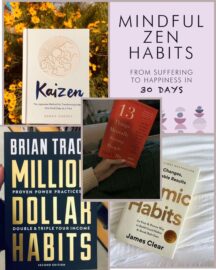
1. Deep Work by Cal Newport
Deep Work cognitively demanding tasks पर distraction-free concentration की value explain करती है। अगर book के साथ twenty minutes टिकना मुश्किल है, तो Newport का deep-work framework attention को skill की तरह देखने में मदद करता है जिसे schedule और protect किया जा सकता है।
2. Digital Minimalism by Cal Newport
यह book technology को reject करने पर नहीं, बल्कि intentional technology use पर है। Readers हेतु main question useful है: कौन-सी digital tools वास्तव में values support करती हैं और कौन-सी attention consume करती हैं?
3. Atomic Habits by James Clear
Atomic Habits reading habit बनाने हेतु practical foundation देती है: cue, environment, repetition, identity और friction। अगर daily reading consistency चाहिए, तो book को visible और phone को inconvenient बनाना surprisingly effective है।
4. Stolen Focus by Johann Hari
Stolen Focus attention crisis को wider social और environmental perspective से देखती है। इसके कई claims पर debate भी हुई है, इसलिए critical reading useful है, लेकिन यह यह सवाल उठाने में मदद करती है कि distraction केवल individual discipline की failure है या environment का product भी।
5. The Shallows by Nicholas Carr
The Shallows internet use और deep reading के relationship की classic exploration है। यह उन readers हेतु useful है जो समझना चाहते हैं कि information environments हमारे reading और thinking habits को कैसे shape कर सकते हैं।
6. Dopamine Detox by Thibaut Meurisse
यह short self-improvement book overstimulation, distraction और difficult work पर focus करती है। “Dopamine detox” को literal neuroscience claim की बजाय behavioural metaphor की तरह समझना ज्यादा responsible है। Readers-Books-Club में focus reset हेतु इसके practical ideas use किए जा सकते हैं।
7. Make Time by Jake Knapp and John Zeratsky
Make Time daily attention को consciously design करने के simple experiments देती है। Reading को daily highlight बनाना और distractions हेतु friction create करना उन readers हेतु practical है जो rigid productivity system नहीं चाहते।
Speed Reading बिना More Books कैसे पढ़ें
बहुत लोग reading problem का solution speed में खोजते हैं। अगर एक book finish करने में देर लगती है, तो लगता है faster पढ़ना चाहिए। लेकिन ज्यादा books पढ़ने का सबसे reliable तरीका हमेशा ज्यादा तेजी से पढ़ना नहीं है। अक्सर वह ज्यादा consistently पढ़ना है।
Daily twenty pages एक year में हजारों pages बन जाते हैं। अगर average book 250 से 300 pages की है, तो छोटी daily practice बिना dramatic effort के dozens of books में बदल सकती है।
Speed पूर्व frequency improve करें।
Reading time calendar में protect करें। Phone separation use करें। Books handy रखें। Different contexts में different formats use करें। Books बीच में छोड़ने की permission रखें। Reading list को current interests के साथ update करें।
और सबसे important: हर book को उसी depth पर पढ़ना जरूरी नहीं। कुछ books cover-to-cover पढ़ने लायक होती हैं। कुछ में specific chapters relevant होते हैं। कुछ summaries से enough समझ आती है। कुछ audio में बेहतर fit होती हैं।
Mature reader हर text को same way नहीं पढ़ता। वह purpose के अनुसार depth choose करता है।
Book Summaries Use करें, Deep Reading Destroy किए बिना
Book summaries modern readers हेतु valuable हैं: वे discover, compare और decide करने में मदद करती हैं कि full book time deserve करती है या नहीं। Professionals topic map कर सकते हैं, students key ideas revise कर सकते हैं और readers खरीदने पूर्व main concepts समझ सकते हैं।
लेकिन summaries को automatic replacement मत बनाइए।
कुछ books idea-dense होती हैं और अच्छी तरह summarise की जा सकती हैं। दूसरी books stories, emotional progression, examples, nuance या accumulated argument पर depend करती हैं। Ten-minute summary बता सकती है author ने conclude क्या किया, लेकिन शायद वह experience न दे जो conclusion को convincing बनाता है।
Powerful Readers-Books-Club learning system को three layers में सोचें:
1. Discover – video देखें, podcast सुनें या summary पढ़ें।
2. Deepen – idea current life में important हो तो full book पढ़ें।
3. Apply – जो सीखा उसके आधार पर one behaviour, conversation, experiment या habit choose करें।
यह modern self-improvement trap से बचाता है जहाँ advice लगातार consume होती रहती है, लेकिन life में कुछ बदलता नहीं।
Reading Slump में क्या करें
Reading slump अक्सर unnecessary identity panic पैदा करती है।
“मैं पहले हमेशा पढ़ता था। मेरे साथ क्या हो गया?”
हो सकता है कुछ भी गलत न हुआ हो। आपकी season बदल गई हो।
शायद work intense हो गया। आपने course शुरू किया। New child आया। आप grief से गुजर रहे हैं। Move किया। Sleep खराब है। पिछली तीन books disappointing थीं। Heavy nonfiction बहुत पढ़ लिया। Online time बढ़ गया। Interests बदल गए।
पुरानी reading identity को तुरंत force करने के बजाय friction कम करें।
Favourite book reread करें। Short novel चुनें। Essays try करें। Graphic novel पढ़ें। Audiobook सुनें। Shopping list बिना bookstore जाएँ। Friend से one irresistible recommendation माँगें। Abstract goal की बजाय current problem से जुड़ी book पढ़ें।
सबसे important, यह कहना बंद करें: “मैं अब reader नहीं हूँ।”
Identity evidence follow करती है। आज रात five pages पढ़िए। वही evidence है।
Reading Environment Audit
अगर focus मुश्किल है, mind को blame करने पूर्व room inspect करें।
इन questions पर ध्यान दें:
- क्या phone arm’s reach में है?
- क्या notifications दिखाई देती हैं?
- क्या television चल रहा है?
- क्या chair uncomfortable है?
- क्या light पर्याप्त है?
- क्या मैं ऐसी जगह पढ़ने की कोशिश कर रहा हूँ जहाँ लोग लगातार interrupt करते हैं?
- क्या pen या bookmark पास है?
- Habit build करनी हो तो क्या book visible है?
- क्या reading app distracting apps बीच है?
- क्या मैं तब पढ़ रहा हूँ जब पहले से exhausted हूँ?
Environment silent coaching है। वह लगातार बताता है कौन-सा behaviour आसान है।
Reading को obvious option बनाइए। Book pillow पर रखें। Desk पर open छोड़ें। Bag में carry करें। Lamp के पास reading chair रखें। Phone कहीं और charge करें।
Begin करना जितना आसान होगा, motivation उतनी कम चाहिए।
Achievement नहीं, Wellbeing हेतु भी Reading करें
Reading को अक्सर productivity advantage की तरह बेचा जाता है: successful people read, CEOs read, leaders read, readers ज्यादा earn करते हैं, reading आपको smarter बनाती है।
इन claims में कुछ useful truth हो सकती है, लेकिन achievement ही reading का एकमात्र reason बन जाए तो कुछ important miss होता है।
Pleasure हेतु reading rest, perspective, emotional connection, curiosity और daily demands से break दे सकती है। Reading for wellbeing पर 43 papers की एक recent realist review ने ऐसे mechanisms identify किए: stressors से escape, perspective taking, intellectual stimulation, memory, self-understanding और social connection।
आपको सिर्फ इसलिए पढ़ने की permission है क्योंकि reading अच्छा feel कराती है।
हर book को notes अनावश्यक। हर novel को lesson नहीं बनाना। हर reading hour को content, coaching material या productivity strategy में convert करना जरूरी नहीं।
कभी-कभी reading habit rebuild करने का deepest तरीका यह याद करना है कि measurement शुरू होने पूर्व books से प्यार क्यों था।
Frequently Asked Questions
अब पढ़ते समय Focus क्यों नहीं बनता?
Reading difficulty digital interruptions, frequent task switching, short-form media habits, stress, sleep, cognitive fatigue, highly distracting device पर reading, current interest के साथ mismatch book, या sustained reading की practice कम होने से influence हो सकती है। Environment बदलकर और short daily blocks में focus rebuild करके शुरू करें।
Reading Focus कैसे Improve करें?
Ten से fifteen distraction-free minutes से शुरू करें। Phone दूर रखें, एक book choose करें, question के साथ पढ़ें, और session के अंत में briefly recall करें कि क्या सीखा। Hour-long sessions force करने की बजाय duration धीरे बढ़ाएँ।
क्या Social Media मेरा Attention Span खराब कर रहा है?
Research heavy media multitasking और short-form video use को attention difficulty व cognitive fatigue से associate करती है, पर permanent damage prove नहीं करती। बेहतर है अपने media habits का concentration पर असर observe करें और high-stimulation use पर boundaries बनाएँ।
Physical Book Screen से Better है?
Research mixed है। कुछ meta-analyses overall difference कम पाती हैं, जबकि दूसरी studies deeper comprehension या specific conditions में print advantage दिखाती हैं। Best format task और environment पर depend करता है। Notifications से भरे phone से distraction-free e-reader बेहतर हो सकता है, जबकि deep study और annotation हेतु print excellent हो सकती है।
Daily कितना पढ़ना चाहिए?
Universal ideal नहीं है। ऐसी duration से शुरू करें जिसे repeat कर सकें। Daily fifteen से twenty focused minutes उस ambitious schedule से ज्यादा useful हैं जिसे कुछ दिनों में छोड़ दें। Habit automatic लगे तो duration बढ़ाएँ, अगर आपको अच्छा लगता है।
क्या Meditation Reading Concentration Improve कर सकती है?
Mindfulness और meditation attention तथा distraction notice करके वापस लौटने की ability train करने में help कर सकती हैं। Mindfulness-based interventions पर research ने कई attention-related cognitive outcomes में small-to-moderate benefits पाए हैं। Meditation supportive training है, guaranteed cure नहीं।
Reading Slump में क्या पढ़ें?
Highly engaging और easy-to-enter content चुनें: favourite genre, short chapters, current problem से जुड़ी practical book, thriller, memoir, biography, graphic novel या audiobook। Impressive title चुनने से ज्यादा momentum rebuild करना important है।
क्या Audiobooks भी Reading Count होती हैं?
Most practical purposes में audiobooks book के साथ legitimate engagement हैं। Experience visual reading से अलग है, और detailed study या annotation print में बेहतर हो सकती है। लेकिन audiobooks walking, commuting, exercise या household tasks में reading time expand कर सकती हैं।
Readers-Books-Club मुझे More Books पढ़ने में कैसे Help कर सकता है?
Readers-Books-Club habits, psychology, productivity, finance, relationships, spirituality, Law-of-Attraction और self-improvement में book summaries, videos, podcasts, curated suggestions और personal-growth content देता है। Summaries को सही books discover करने हेतु use करें, फिर topic important हो तो deeper reading system बनाएँ।
Amiett Kumar, Meditation, Coaching और Books कैसे Connect होते हैं?
Books ideas और frameworks देती हैं। Meditation awareness व attention support करती है। Coaching या life coach insight को goals और accountability में बदल सकता है। Amiett Kumar का personal-growth content learning, self-reflection, spirituality और practical action को connect करता है। Value information collection नहीं, implementation में है।
Final Thoughts: आपका Attention खत्म नहीं हुआ – वह Train हो रहा है
2026 में reading इसलिए कठिन महसूस होती है क्योंकि books अब ऐसे environment से compete करती हैं जो speed, novelty, alerts, endless choice और immediate reward के आसपास designed है।
लेकिन यही year optimism के reasons भी देता है। Print reading strong है। Younger readers bookstores और libraries की ओर वापस जा रहे हैं। BookTok पुरानी novels को bestseller lists पर वापस ला सकता है। Podcasts authors को millions लोगों तक introduce कर सकते हैं। YouTube किसी book के एक idea को personal transformation की शुरुआत बना सकता है।
Reading का future technology reject करने पर depend नहीं करता। यह सीखने पर depend करता है कि technology कब off करनी है।
आपका focus उस चीज़ से shape होता है जो आप उसे repeatedly करने को कहते हैं। अगर हर thirty seconds में switch करने को कहेंगे, switching easy हो जाएगी। अगर daily fifteen uninterrupted minutes book के साथ रहने को कहेंगे, staying familiar हो जाएगी।
Ambition से छोटा start करें।
One book choose करें। Phone दूर रखें। Ten pages पढ़ें। Book बंद करें और one idea याद करें। Tomorrow repeat करें।
Settle होने हेतु meditation, perspective हेतु spirituality और accountability हेतु coaching use करें। Law-of-Attraction को reminder रखें कि intention को action चाहिए। Readers-Books-Club से worthwhile books discover करें और Amiett Kumar के ecosystem से books, mindset, meditation व self-development में structured learning लें।
सबसे important, distraction को यह proof मत समझिए कि आपने कुछ forever खो दिया है।
आप pre-smartphone reader को recreate नहीं कर रहे। आप आज की दुनिया हेतु reader बना रहे हैं: technology use करे पर depth न छोड़े, quickly discover करे पर shallowly न सोचे, और इतनी quiet protect करे कि book mind बदल सके।
Next chapter को ज्यादा motivation नहीं चाहिए।
उसे आपका attention चाहिए।
Contents