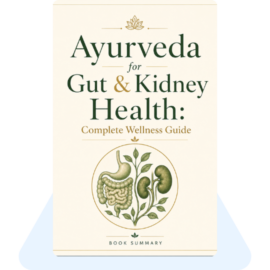
Digestion, Kidney Awareness, Daily Routine, Meditation और Safe Holistic Living पर एक practical book-summary-style guide
परिचय: Ancient Wisdom, Modern Responsibility
Gut में असहजता, कम energy, अनियमित भूख, खराब नींद और लगातार stress अक्सर लोगों को यह महसूस कराते हैं कि उनका पूरा system असंतुलित हो गया है। साथ ही, Kidney Health पर चर्चा लगातार बढ़ रही है, क्योंकि kidneys चुपचाप शरीर के waste को filter करती हैं, fluid को regulate करती हैं और कई आवश्यक functions को support करती हैं। यही कारण है कि Gut Health, Kidney Health और Overall Wellness के लिए एक Complete Ayurveda Guide का विचार इतना आकर्षक लगता है यह अलग-अलग और असंबद्ध symptoms की सूची के बजाय पूरे व्यक्ति को देखने का दृष्टिकोण देता है।
Ayurveda भारत की पारंपरिक health systems में से एक है। परंपरागत रूप से यह भोजन, digestion, sleep, movement, mental state, daily routine और seasonal living को आपस में जोड़ता है। Modern medicine Gut और kidneys को anatomy, physiology, laboratory testing और evidence-based treatment के माध्यम से समझाती है। एक जिम्मेदार Wellness Guide इन दोनों systems को झूठी प्रतिस्पर्धा में नहीं खड़ा करती। जहाँ सुरक्षित lifestyle ideas उपयोगी हों, वहाँ उन्हें अपनाती है, medical evidence का सम्मान करती है और स्पष्ट रूप से बताती है कि professional diagnosis कब आवश्यक है।
यह book-summary-style guide Readers Books Club के लिए तैयार की गई है यह Amiett Kumar से जुड़ा एक platform है, जो books और personal-growth ideas को आसान भाषा में समझाने के लिए जाना जाता है। यह किसी एक published book की summary नहीं है और न ही कोई treatment plan है। इसके बजाय, यह Ayurveda, preventive health, Meditation, Spirituality तथा modern Gut और Kidney guidance के practical themes को एक आकर्षक और आसानी से पढ़े जाने वाले framework में प्रस्तुत करती है।
इस guide का मुख्य संदेश सरल है: Wellness rhythm से बनती है। नियमित meals, पर्याप्त sleep, movement, stress management, उचित hydration, medicines का जिम्मेदार उपयोग और समय पर medical care ये dramatic detoxes से अधिक महत्वपूर्ण होते हैं। Ayurveda balance और self-observation की भाषा दे सकता है, जबकि modern healthcare आवश्यक testing, diagnosis और treatment प्रदान करती है। सबसे सुरक्षित रास्ता जिज्ञासा के साथ सावधानी को जोड़ता है।
1. Whole-Person Wellness में Ayurveda का अर्थ
Ayurveda शब्द का सामान्य अर्थ जीवन का ज्ञान या विज्ञान माना जाता है। इसके पारंपरिक framework में health को केवल disease की अनुपस्थिति से परिभाषित नहीं किया जाता। इसमें संतुलित digestion, उचित elimination, स्थिर energy, स्पष्ट इंद्रियाँ, आरामदायक sleep और शांत mind शामिल हैं। यही व्यापक दृष्टिकोण समझाता है कि Ayurveda की चर्चा भोजन से emotions, seasons से routine और Gut से overall vitality तक सहज रूप से क्यों पहुँचती है।
Ayurvedic भाषा में dosha, agni, ama, dinacharya और prakriti जैसे concepts शामिल हैं। ये पारंपरिक concepts हैं, modern laboratory measurements के सीधे equivalents नहीं। Doshas का उपयोग functional patterns को वर्णित करने के लिए किया जाता है; agni broadly digestive और metabolic capacity को दर्शाता है; ama ठीक से process न हुए पदार्थ का पारंपरिक वर्णन है; dinacharya का अर्थ daily routine है; और prakriti किसी व्यक्ति की individual constitution को दर्शाती है। ये ideas self-reflection के framework के रूप में उपयोगी हो सकते हैं, लेकिन इनका उपयोग Kidney disease, inflammatory bowel disease, ulcers, infection या किसी गंभीर condition का self-diagnosis करने के लिए नहीं होना चाहिए।
Ayurveda का स्वस्थ उपयोग practical questions पूछने से शुरू होता है। क्या कोई खास meal आपको हल्का और comfortable महसूस कराता है या भारी? क्या अनियमित समय आपकी भूख को बिगाड़ता है? क्या खराब sleep cravings बढ़ाती है? क्या जल्दी-जल्दी खाने से bloating बढ़ती है? क्या stress और bowel symptoms एक साथ दिखाई देते हैं? ये प्रश्न awareness बढ़ाते हैं, बिना यह दावा किए कि केवल observation medical tests की जगह ले सकता है।
Modern life के लिए Ayurveda का सबसे मूल्यवान principle moderation हो सकता है। यह extremes से बचने और व्यक्ति, season तथा life stage के अनुकूल routine अपनाने की प्रेरणा देता है। SEO की भाषा में यही Ayurveda Wellness Guide की foundation है: personalised awareness, consistent habits और शरीर के signals का सम्मान।
2. Gut को समझना: यह केवल Stomach नहीं है
Digestive system में gastrointestinal tract के साथ liver, pancreas और gallbladder जैसे संबंधित organs शामिल होते हैं। भोजन को तोड़ा जाता है, nutrients absorb होते हैं और waste को elimination के लिए तैयार किया जाता है। Gut में microorganisms का एक विशाल समुदाय भी होता है, जिसे अक्सर Gut Microbiome कहा जाता है। Research यह समझने का प्रयास जारी रखती है कि diet, microbes, immunity और metabolism कैसे interact करते हैं, लेकिन popular wellness claims अक्सर evidence से तेज दौड़ती हैं।
Gut Health का अर्थ यह नहीं है कि कभी gas न बने या bowel habits में कोई variation न हो। कुछ gas सामान्य है। Travel, stress, illness, menstrual cycles, sleep और food choices के कारण appetite और digestion बदल सकते हैं। उपयोगी लक्ष्य perfection नहीं, बल्कि ऐसा pattern है जिसमें eating, digestion और elimination सामान्यतः comfortable हों और daily life में बाधा न डालें।
Common complaints में bloating, acidity, constipation, loose stools, abdominal pain और incomplete digestion का एहसास शामिल है। इन symptoms के कई कारण हो सकते हैं meal timing और intolerances से लेकर infection या chronic disease तक। यदि symptoms लगातार बने रहें, weight loss हो, stool में blood आए, fever, repeated vomiting, swallowing difficulty या severe pain हो, तो online detox plan के बजाय medical evaluation आवश्यक है।
Ayurveda digestion को Wellness के केंद्र में रखता है। Modern physiology भी पुष्टि करती है कि digestion nutrients के उपयोग और energy के लिए केंद्रीय है। दोनों perspectives सबसे सुरक्षित रूप से इन habits पर मिलते हैं: ध्यानपूर्वक भोजन करना, varied diet चुनना, अत्यधिक ultra-processed food कम करना, active रहना और symptoms बने रहने पर care लेना।
3. Kidneys को समझना: शांत लेकिन अत्यंत आवश्यक Organs
Kidneys को अक्सर केवल filters कहा जाता है, लेकिन उनकी भूमिका इससे कहीं बड़ी है। वे waste और अतिरिक्त water हटाने, electrolyte तथा acid-base balance को support करने और hormone-related functions में योगदान देने में मदद करती हैं। Kidney disease चुपचाप develop हो सकती है, यानी damage मौजूद होने पर भी व्यक्ति स्वस्थ महसूस कर सकता है। इसलिए जिम्मेदार Kidney Health content को केवल home remedies नहीं, बल्कि risk assessment और testing पर भी जोर देना चाहिए।
Chronic Kidney Disease के प्रमुख risk factors में diabetes, high blood pressure, heart disease और परिवार में kidney failure का इतिहास शामिल है। जिन लोगों में ये risks मौजूद हों, उन्हें healthcare professional से Kidney testing पर चर्चा करनी चाहिए। Blood और urine tests ऐसी जानकारी दे सकते हैं जो symptoms नहीं दे सकते।
Kidney-protective सामान्य habits पूरे शरीर की health से जुड़ी होती हैं: blood pressure और blood sugar manage करना, smoking न करना, active रहना, nutritious food चुनना, medicines का सुरक्षित उपयोग और dehydration से बचना। लेकिन Kidney disease diagnose होने के बाद advice बदल जाती है। Sodium, potassium, phosphorus, protein और fluid की recommendations individualised हो सकती हैं। जो diet एक व्यक्ति के लिए healthy है, वही advanced Kidney disease वाले दूसरे व्यक्ति के लिए unsafe हो सकती है।
Ayurvedic products के साथ विशेष सावधानी आवश्यक है। Natural होने का अर्थ automatically Kidney-safe होना नहीं है। कुछ products में metals, contaminants या ऐसे ingredients हो सकते हैं जो prescribed medicines के साथ interact करें। Kidney disease, reduced kidney function, pregnancy, multiple medicines या chronic illness वाले व्यक्ति को herbs या mineral formulations स्वयं prescribe नहीं करनी चाहिए। Qualified Ayurvedic physician और आपकी medical condition manage करने वाले clinician दोनों से consult करें और सुनिश्चित करें कि दोनों को एक-दूसरे की prescribed treatment की जानकारी हो।
| Kidney-Safety ReminderKidney disease silent हो सकती है। Diabetes, high blood pressure, heart disease और family history of kidney failure ये healthcare professional से testing discuss करने के महत्वपूर्ण कारण हैं। |
4. Gut-Kidney Connection
Gut और kidneys अलग systems हैं, लेकिन शरीर अलग-अलग compartments में काम नहीं करता। Food choices blood pressure, blood sugar, weight, inflammation और उन substances को प्रभावित करती हैं जिन्हें kidneys को handle करना पड़ता है। Severe vomiting या diarrhoea dehydration कर सकते हैं और kidneys तक blood flow कम कर सकते हैं। कुछ digestive conditions nutrients और fluid balance को प्रभावित करती हैं। दूसरी ओर, Kidney disease appetite, digestion और dietary needs को बदल सकती है।
Gut Microbiome का Kidney disease और metabolic health से संबंध भी research का विषय है। यह एक सक्रिय research area है, हर online advertisement में दिखने वाला probiotic खरीदने का कारण नहीं। Microbiome science complex है और individual responses अलग होते हैं। Diverse plant foods से भरपूर food-first pattern कई लोगों में general Gut Health को support कर सकता है, लेकिन diagnosed Kidney disease में कुछ foods सीमित करने पड़ सकते हैं। “Potassium-rich fruits अधिक खाएँ” जैसी सलाह उस व्यक्ति के लिए universally safe नहीं है जिसकी kidneys potassium को प्रभावी रूप से निकाल नहीं पा रही हों।
बेहतर approach layered होनी चाहिए। Generally healthy adults के लिए नियमित meals, tolerated foods से fibre, minimally processed ingredients, movement और adequate fluid पर ध्यान दें। Digestive disease, Kidney disease, diabetes या hypertension वाले लोग qualified professional से इन principles को अपने अनुसार adapt करवाएँ।
यह Gut-Kidney connection यह भी बताता है कि miracle cleanses risky क्यों हो सकते हैं। Strong laxatives, prolonged fasting, excessive diuretics या repeated purging fluid और electrolyte balance बिगाड़ सकते हैं। Wellness practice शरीर को अधिक stable बनाए, उसे बार-बार shock न दे।
5. Agni: Digestion को समझने का पारंपरिक Lens
Ayurveda में agni शरीर की digest और transform करने की क्षमता का केंद्रीय metaphor है। Balanced agni को पारंपरिक रूप से comfortable appetite, effective digestion और steady energy से जोड़ा जाता है। Irregular या disturbed agni को variable hunger, bloating, heaviness या discomfort से जोड़ा जाता है। ये descriptions patterns समझने में मदद कर सकती हैं, लेकिन symptoms का medical cause निर्धारित नहीं करतीं।
Digestive rhythm को support करने का practical तरीका है कि सुबह से आधी रात तक लगातार grazing करने के बजाय predictable eating windows बनाए जाएँ। Regularity सच्ची hunger पहचानने और meals के effects समझने में सहायता कर सकती है। शांत environment में खाना, अच्छी तरह chew करना और second serving लेने से पहले रुकना जल्दी overeating की tendency कम कर सकता है।
Ayurvedic advice अक्सर weak digestion के समय freshly prepared, warm और easy-to-digest meals को प्राथमिकता देती है। इसे सुरक्षित रूप से इस तरह समझा जा सकता है कि temporary discomfort के दौरान वे simple foods चुनें जिन्हें आप personally tolerate करते हों। इसे ऐसा rigid rule नहीं बनाना चाहिए जो raw food, cold food या किसी particular cuisine को universally harmful घोषित कर दे।
मुख्य बात observation है। दो सप्ताह के लिए छोटा symptom diary रखें। Meal time, मुख्य foods, stress level, sleep और symptoms लिखें। एक साथ कई food groups हटाएँ नहीं। यदि किसी intolerance का संदेह हो, restrictive diet बनाने से पहले clinician या dietitian से consult करें। Digestive diary clarity देनी चाहिए, food का डर नहीं।
6. Everyday Gut Wellness के लिए Food Framework
कोई एक Ayurvedic food list हर व्यक्ति के लिए suitable नहीं हो सकती। Culture, climate, allergies, medical conditions, budget और personal preference महत्वपूर्ण हैं। Practical Gut-friendly framework variety से शुरू होता है। Tolerated और appropriate होने पर vegetables, fruits, whole grains, pulses, nuts, seeds और fermented foods शामिल करें। Fibre bowel regularity को support करता है और Gut microbes को substrates देता है, लेकिन fibre बहुत तेजी से बढ़ाने से gas या bloating बढ़ सकती है। इसे धीरे-धीरे बढ़ाएँ और suitable fluid intake के साथ लें।
Minimally processed foods अधिक बार चुनें, लेकिन eating को purity contest न बनाएँ। Highly processed products convenient हो सकते हैं और कभी-कभी उनका उपयोग moral failure नहीं है। लक्ष्य ऐसा pattern है जिसमें nourishing foods base बनें और treats automatic नहीं, intentional रहें।
Normal culinary मात्रा में इस्तेमाल होने वाले spices meals को enjoyable बना सकते हैं और appetite को support कर सकते हैं। Ginger, cumin, coriander, fennel और turmeric भारतीय kitchens में common हैं, लेकिन food use और concentrated supplement अलग हैं। जो spice meal में safe है, वह high-dose capsule में safe हो यह जरूरी नहीं विशेषकर blood thinners, diabetes medicines या अन्य prescriptions लेने वालों के लिए।
Meal comfort महत्वपूर्ण है। यदि very fatty meals, excessive chilli, बड़े late-night portions या rapid eating बार-बार symptoms trigger करते हैं, तो इन्हें कम या modify करें। यदि dairy, gluten या कोई अन्य food problematic लगे, social media के आधार पर diagnosis न मान लें। Testing और professional guidance आवश्यक हो सकती है, क्योंकि unnecessary restriction nutrition और quality of life कम कर सकती है।
7. Food और Kidney Health: Personalisation क्यों जरूरी है
General Kidney prevention और Kidney-disease nutrition एक जैसी चीजें नहीं हैं। Generally healthy adult को balanced eating pattern से लाभ मिल सकता है जो blood pressure, blood sugar और healthy weight को support करे। Chronic Kidney Disease वाले व्यक्ति को kidney function, laboratory values, medicines और disease stage के आधार पर individual plan की जरूरत हो सकती है।
Sodium पर ध्यान आवश्यक है, क्योंकि अधिक intake blood pressure और fluid retention बढ़ा सकता है। Frequent packaged snacks, instant foods, salty pickles, processed meats और अत्यधिक restaurant food कम करना कई लोगों के लिए मददगार हो सकता है। Herbs, spices, lemon और cooking techniques से स्वाद बढ़ाया जा सकता है, लेकिन specific restrictions वाले लोगों को अपना clinical plan follow करना चाहिए।
Protein एक और area है जहाँ online advice confusing हो जाती है। High-protein diets बहुत market की जाती हैं, लेकिन अधिक हमेशा बेहतर नहीं होता। Protein needs age, activity, pregnancy, medical conditions और kidney function के अनुसार बदलती हैं। Diagnosed Kidney disease वाले लोगों को professional advice के बिना extreme high-protein plans follow नहीं करने चाहिए।
Potassium और phosphorus भी equally individual हैं। ये nutrients essential हैं और कई nutritious foods में पाए जाते हैं। Kidney concerns वाले हर व्यक्ति को इन्हें automatically restrict करने की जरूरत नहीं। सही decision blood tests और renal dietitian या clinician की advice पर निर्भर करता है। इसलिए internet से copy की गई “Kidney detox diet” misleading या dangerous हो सकती है।
8. Hydration: Myths के बिना सही समझ
Water essential है, लेकिन ऐसा कोई universal magic number नहीं जो हर body और हर medical condition के लिए सही हो। Needs climate, activity, pregnancy, illness, diet और medicines के साथ बदलती हैं। कई healthy adults के लिए thirst, urine colour और general wellbeing clues दे सकते हैं, लेकिन ये perfect medical tests नहीं हैं।
बहुत कम fluid dehydration में योगदान दे सकता है, विशेषकर fever, vomiting, diarrhoea, heavy exercise या hot weather में। Dehydration kidneys तक blood flow कम कर सकता है। साथ ही बहुत अधिक water जबरदस्ती पीना detox strategy नहीं और harmful भी हो सकता है। Heart failure, advanced Kidney disease या specific electrolyte problems वाले कुछ लोगों को fluid limit करने की सलाह दी जा सकती है।
Ayurvedic routines में कभी-कभी warm water या एक साथ बहुत मात्रा पीने के बजाय sip करने की सलाह होती है। Warm water कुछ लोगों को comfortable लग सकता है, लेकिन यह toxins flush करने या Kidney problems cure करने का proven तरीका नहीं है। जब तक clinician अलग advice न दे, वही temperature चुनें जिससे आराम से पानी पिया जा सके।
Detox teas और diuretic mixtures के साथ सावधान रहें। Urine बढ़ने का अर्थ यह नहीं कि शरीर clean हो रहा है, और fluid loss risk पैदा कर सकता है। Illness के दौरान healthcare professional से पूछें कि medicines और hydration कैसे manage करें विशेषकर यदि आप blood pressure medicines, diuretics या kidneys को प्रभावित करने वाली medicines लेते हैं।
9. Daily Routine: Modern Life के लिए Dinacharya
Dinacharya Ayurveda का वह विचार है जिसमें daily routine balance को support करता है। Modern version को complicated होने की जरूरत नहीं। Stable wake time, morning light, regular meals, planned movement, wind-down period और consistent sleep एक मजबूत Wellness foundation बना सकते हैं।
दिन की शुरुआत तुरंत digital urgency में प्रवेश किए बिना करें। कुछ breaths लें, अपनी energy notice करें और thirst के अनुसार पानी पिएँ। Gentle movement या walk bowel regularity और alertness को support कर सकती है। यदि breakfast आपकी appetite और health needs के अनुकूल है तो लें; हर व्यक्ति के लिए meal timing एक जैसा नहीं होता।
दिन भर continuously बैठे न रहें। Short movement breaks circulation और metabolic health को support करते हैं। Meetings और screens को meals लगातार delay करने देने के बजाय meal schedule बनाएँ। संभव हो तो बैठकर खाएँ। जिस nervous system state में आप खाते हैं, वह digestion के अनुभव को प्रभावित कर सकती है हालाँकि stress digestive symptoms का एकमात्र कारण नहीं है।
Evening routine भी महत्वपूर्ण है। बहुत late meals, alcohol, heavy snacks और bright screens sleep बिगाड़ सकते हैं। Poor sleep appetite, blood sugar, stress और decision-making को प्रभावित कर सकती है। Simple wind-down ritual lights dim करना, work रोकना, अगले दिन की तैयारी और पाँच मिनट breathing तीन दिन चलने वाले elaborate routine से अधिक sustainable हो सकता है।
10. Meditation, Stress और Gut-Brain Experience
Gut और brain neural, hormonal तथा immune pathways के माध्यम से communicate करते हैं। Stress appetite, bowel habits, pain perception और symptoms के अनुभव को बदल सकता है। इसका अर्थ यह नहीं कि digestive symptoms imaginary हैं। इसका अर्थ है कि nervous system भी पूरी picture का हिस्सा है।
Meditation Kidney disease का cure या gastroenterology care का substitute नहीं है। फिर भी यह self-regulation, sleep और react करने के बजाय respond करने की क्षमता को support कर सकती है। Basic practice पर्याप्त है: आराम से बैठें, breath notice करें और जब mind भटके तो gently attention वापस लाएँ। पाँच मिनट से शुरू करें।
Spirituality में रुचि रखने वाले readers के लिए Meditation connection और patience की भावना भी पैदा कर सकती है। उद्देश्य illness के लिए स्वयं को blame करना या यह दावा करना नहीं कि negative thoughts ने disease बनाई। Spirituality तब सबसे healthy होती है जब वह meaning और compassion दे, guilt नहीं।
Amiett Kumar और Readers Books Club अक्सर books, Meditation, Coaching और life lessons को जोड़ते हैं। इस Wellness context में उपयोगी principle implementation है। एक idea पढ़ें, उसे consistently practise करें और effect observe करें। Life Coach routines और accountability में support दे सकता है, लेकिन medical symptoms को फिर भी qualified medical care की जरूरत होती है।
11. Overall Wellness के लिए Yoga और Movement
Regular physical activity heart health, blood pressure, blood sugar, mood, sleep और bowel movement को support करती है। Walking सबसे सरल options में से एक है। Suitable होने पर strength training और mobility work भी healthy ageing को support कर सकते हैं।
Yoga movement, breathing और attention को जोड़ता है। Gentle postures कुछ लोगों को कम tense और अपने body से अधिक connected महसूस करा सकते हैं। लेकिन यह दावा कि कोई particular pose kidneys clean करता है या digestive disease cure करता है, सावधानी से देखा जाना चाहिए। Yoga Wellness को support करता है; यह organs से toxins को mechanically squeeze करके बाहर नहीं निकालता।
Intensity अपनी health और fitness के अनुसार चुनें। Uncontrolled blood pressure, severe pain, recent surgery, pregnancy complications, dizziness या advanced medical conditions वाले लोगों को नया programme शुरू करने से पहले clinician से पूछना चाहिए। यदि movement से sharp pain, faintness या unusual shortness of breath हो तो रुक जाएँ।
Sustainable target है लंबे inactivity periods कम करना और पूरे सप्ताह movement बढ़ाना। Meals के बाद दस मिनट walk demanding workout plan से अधिक achievable लग सकती है। Best movement routine वही है जिसे आप safely repeat कर सकें।
12. Sleep: अक्सर छूट जाने वाला Wellness Treatment
Gut और Kidney Health की चर्चा में sleep को अक्सर ignore किया जाता है, क्योंकि यह herbs या cleanses जितनी exciting नहीं लगती। फिर भी sleep appetite, stress, blood pressure, glucose regulation और healthy choices के लिए आवश्यक energy को प्रभावित करती है।
Ayurveda daily rhythms के साथ alignment को महत्व देता है। Modern sleep guidance भी regular timing को support करती है। लगभग समान समय पर wake और sleep करने की कोशिश करें, morning daylight लें और bedtime के करीब stimulating work कम करें। दिन में late caffeine, alcohol, heavy meals और excessive screen use sleep quality को disturb कर सकते हैं।
Digestive symptoms sleep disturb कर सकते हैं और poor sleep symptom sensitivity बढ़ा सकती है। Large meal के तुरंत बाद लेटने से reflux worsen हो सकता है। Snoring, रात में choking, severe daytime sleepiness या persistent insomnia पर healthcare professional से चर्चा करनी चाहिए।
तुरंत sleep supplement जोड़ने के बजाय environment और routine से शुरू करें। Room को dark और comfortable रखें, workday का clear end बनाएँ और short Meditation या breathing practice करें। यदि sleep problems जारी रहें तो remedies बार-बार बदलने के बजाय assessment लें।
13. Ayurvedic Herbs और Formulations: Safety Chapter
Ayurveda में herbal, mineral और herbo-mineral preparations शामिल हैं। यही कारण है कि self-medication risky है। Product quality, correct identification, dose, duration, contamination, heavy metals, interactions और patient की Kidney या liver function सभी महत्वपूर्ण हैं।
कुछ लोग मानते हैं कि natural herb kidneys को नुकसान नहीं पहुँचा सकती। वास्तव में natural products में active chemicals होते हैं। Product adulterated या contaminated भी हो सकता है। International health authorities ने चेतावनी दी है कि कुछ Ayurvedic preparations में lead, mercury या arsenic हो सकते हैं। इसका अर्थ यह नहीं कि हर Ayurvedic product unsafe है; इसका अर्थ है कि quality control और professional supervision essential हैं।
Review के बिना कई powders, tablets, detox teas और prescribed medicines को combine न करें। हर clinician और Ayurvedic physician को ठीक-ठीक बताएँ कि आप क्या लेते हैं, including supplements और occasional remedies। Packaging और ingredient list संभालकर रखें। यदि किसी product के बाद vomiting, severe weakness, reduced urination, आँखों का yellow होना, confusion, swelling या allergic reaction हो तो product रोकें और help लें।
Kidney disease वाले लोगों को विशेष सावधानी रखनी चाहिए, क्योंकि kidneys कुछ substances को normal रूप से clear नहीं कर सकतीं। Pregnant या breastfeeding people, children, older adults और कई medicines लेने वालों को भी personalised guidance चाहिए। Safe message “Ayurveda कभी use न करें” नहीं, बल्कि “potent products को casually न लें” है।
| Self-Medication न करेंNatural products active, contaminated या interactive हो सकते हैं। Ayurvedic medicines केवल appropriate professional supervision में use करें विशेषकर reduced Kidney function या prescription medicines के साथ। |
14. Common Ayurveda और Wellness Mistakes
पहली mistake है हर symptom को “toxins” मान लेना। Bloating, fatigue या skin changes के कई कारण हो सकते हैं। Vague toxin explanation diagnosis delay कर सकती है।
दूसरी mistake extreme fasting है। कई cultures में short fasting traditions हैं, लेकिन prolonged fasting weakness, dehydration, low blood sugar या medication problems पैदा कर सकता है। Diabetes, Kidney disease, eating disorders, pregnancy या chronic illness वाले लोग medical guidance के बिना fasting न करें।
तीसरी mistake restrictive elimination है। Gluten, dairy, pulses, fruits और spices को एक साथ हटाने से यह समझना मुश्किल हो जाता है कि किससे लाभ हुआ, और nutritional gaps बन सकते हैं।
चौथी mistake किसी और की dosha diet copy करना है। Traditional constitution assessment complex है और modern medical needs को अब भी priority मिलनी चाहिए।
पाँचवीं mistake laxatives या enemas का repeated use है। ये fluids और electrolytes disturb कर सकते हैं और casual Wellness habit नहीं होने चाहिए।
छठी mistake prescribed treatment को supplements से replace करना है। High blood pressure और diabetes बड़े Kidney risks हैं; effective medicines रोकना dangerous हो सकता है।
सातवीं mistake यह मानना है कि positive thinking health की guarantee है। Law of Attraction focus और motivation support कर सकता है, लेकिन illness spiritual failure का proof नहीं है।
15. Law of Attraction कहाँ Fit होता है बिना Magical Medical Claims के
Readers Books Club की audience अक्सर Law of Attraction, Manifestation और Coaching explore करती है। इन ideas को Wellness में responsibly integrate किया जा सकता है, जब उनका उपयोग disease पर control का promise करने के बजाय attention और behaviour shape करने के लिए हो।
Useful Manifestation statement specific और action-based होना चाहिए: “मैं ऐसा routine बना रहा/रही हूँ जो मेरे digestion, sleep और medical care को support करता है।” Visualisation behaviour rehearse करने में मदद कर सकती है balanced meal prepare करना, daily walk, appointment attend करना या self-medication न चुनना।
Affirmations believable रहनी चाहिए। “मेरी kidneys पूरी तरह heal हो गई हैं” tests या treatment का appropriate substitute नहीं है। Safer affirmation है: “मैं अपने body का सम्मान करता/करती हूँ, qualified advice follow करता/करती हूँ और हर दिन supportive choices करता/करती हूँ।” यह भाषा reality deny किए बिना responsibility बनाती है।
Coach intentions को habits में बदलने में मदद कर सकता है, लेकिन Coaching की limits हैं। Life Coach automatically digestive disease diagnose करने या Kidney conditions के लिए prescription देने के योग्य नहीं होता। Strongest combination है clear intention, consistent habits और evidence-based healthcare।
16. Red Flags: Wellness Advice कब रोकनी चाहिए
Severe abdominal pain, vomiting blood, black या bloody stool, chest pain, fainting, confusion, fluids न रख पाना, severe dehydration या urination में अचानक बड़ी कमी होने पर urgent medical help लें।
Unexplained weight loss, persistent fever, repeated vomiting, swallowing difficulty, face या legs में swelling, foamy या bloody urine, painful urination, persistent flank pain या ऐसे symptoms जो बार-बार sleep और daily life disturb करें इनमें prompt medical assessment आवश्यक है।
Kidney disease silent हो सकती है। Diabetes, high blood pressure, heart disease या family history of kidney failure वाले लोग clinician से पूछें कि उन्हें blood और urine testing की जरूरत है या नहीं, भले ही वे healthy महसूस कर रहे हों।
Red flags मौजूद होने पर cleanse, mantra या home remedy के काम करने का इंतजार न करें। Meditation आपको calm रहकर care लेने में मदद कर सकती है; care delay करने का कारण नहीं बननी चाहिए।
17. 21-Day Gut, Kidney और Wellness Reset
यह reset generally healthy adults के लिए habit-building plan है, diagnosed disease का treatment नहीं। यदि medical conditions हों तो clinician के साथ इसे adapt करें।
- Days 1-3: Observe. Meal timing, bowel pattern, sleep, stress, medicines और symptoms record करें। सब कुछ एक साथ न बदलें। उद्देश्य current pattern देखना है।
- Days 4-6: Rhythm बनाएँ। Realistic wake time, meal windows और bedtime set करें। Ten-minute walk और पाँच मिनट breathing add करें।
- Days 7-9: Food base improve करें। एक tolerated vegetable या fruit add करें, less processed meal चुनें और excess salt या sugar के एक repeated source को कम करें।
- Days 10-12: Attention के साथ खाएँ। बैठें, पहले पाँच bites धीमे लें और fullness notice करें। हर दिन कम से कम एक meal screens के बिना खाएँ।
- Days 13-15: Hydration review करें। Thirst और conditions के अनुसार regularly पिएँ, लेकिन excessive water force न करें। Fluid restrictions हों तो clinical plan follow करें।
- Days 16-18: Kidneys protect करें। Over-the-counter pain medicines और supplements को pharmacist या clinician के साथ review करें। Advice हो तो blood pressure check करें।
- Days 19-21: Consolidate. जिन तीन habits से greatest benefit मिला उन्हें चुनें। किसी दूसरे dramatic reset की शुरुआत करने के बजाय अगले month इन्हीं habits को जारी रखें।
18. Simple Daily Template
Morning: Consistent time पर wake करें। Daylight लें, bathroom में rush न करें और तीन से पाँच मिनट breathing practise करें। Medicines बिल्कुल prescribed तरीके से लें। Appetite और health plan के अनुसार खाएँ।
Midday: Main meal को balanced और satisfying बनाएँ। Tolerated vegetables या अन्य fibre source, suitable protein और appropriate carbohydrate शामिल करें। बैठकर खाएँ और संभव हो तो brief walk करें।
Afternoon: जरूरत के अनुसार पानी पिएँ। केवल caffeine पर निर्भर रहने के बजाय short movement break लें। Notice करें कि stress snacking drive तो नहीं कर रहा।
Evening: Comfortable meal size चुनें, विशेषकर यदि reflux या heaviness common हो। Dinner और lying down के बीच gap रखें। Bed से पहले bright screens और work intensity कम करें।
Weekly: केवल body weight नहीं, symptoms और habits review करें। Groceries plan करें, movement schedule करें और check करें कि कोई supplement या medicine professional review के बिना add तो नहीं हुई।
Monthly: यदि clinician ने सलाह दी हो तो blood pressure, blood sugar या laboratory tests review करें। अपने health team को सभी products के बारे में update करें।
19. Ayurvedic और Online Wellness Claims को कैसे Evaluate करें
Health content तब persuasive बन जाता है जब वह ancient language, scientific terms और personal testimonials को एक साथ use करता है। Polished video एक ही minute में agni, inflammation, microbiome, hormones और detoxification का उल्लेख कर सकता है। यह combination authoritative सुनाई दे सकता है, भले ही claim test न हुआ हो। इसलिए claims evaluate करना essential Wellness skill है।
Promise से शुरू करें। ऐसे product से cautious रहें जो कई unrelated conditions cure करने, सभी के लिए काम करने, testing की जरूरत न होने या medical treatment रोकने को कहे। Serious health decisions urgency, secrecy या किसी एक dramatic testimonial पर depend नहीं होने चाहिए।
फिर evidence देखें। Traditional history of use meaningful cultural information है, लेकिन specific disease के लिए effectiveness का proof नहीं। Laboratory research, animal research और human clinical trials अलग questions का answer देते हैं। Cells में मिला result automatically people में safe treatment predict नहीं करता।
Source check करें। Government health agencies, peer-reviewed research, recognised medical institutions और qualified professional bodies सामान्यतः anonymous social posts से अधिक accountable information देते हैं। Products के लिए complete ingredient list, manufacturer details, batch information और quality testing देखें। ऐसे products avoid करें जो vague proprietary blends के पीछे ingredients छिपाएँ।
अंत में पूछें कि advice आपके लिए fit है या नहीं। Medicines, allergies, kidney function, pregnancy status और medical history risk बदल सकते हैं। सबसे responsible Wellness creator limitations स्वीकार करेगा, appropriate testing encourage करेगा और outcomes guarantee नहीं करेगा।
20. Seasonal Living: Rigid Rules के बिना
Ayurveda traditionally routine और food को climate तथा season के अनुसार adapt करता है। यह idea आज भी practical है: hot Indian summer में body की needs winter या monsoon से अलग हो सकती हैं। Weather के साथ appetite, activity और fluid loss बदल सकते हैं।
Seasonal living के लिए strict chart जरूरी नहीं। Hot weather में hydration, food safety और heat exposure पर ध्यान दें। Cold months में warm meals और regular movement अधिक comfortable लग सकते हैं। Humid या rainy conditions में safely prepared food और clean water विशेष रूप से महत्वपूर्ण होते हैं।
Local और seasonal produce variety और affordability बढ़ा सकता है, लेकिन “seasonal” शब्द medical restrictions को override नहीं करना चाहिए। कोई fruit seasonal और nutritious हो सकता है, फिर भी specific potassium limit वाले व्यक्ति के लिए large quantity में unsuitable हो सकता है। Fermented food traditional हो सकता है, पर intolerance वाले व्यक्ति में symptoms worsen कर सकता है।
Season को habits review करने का prompt बनाएँ: क्या आप पर्याप्त sleep ले रहे हैं? Activity कम हुई है? क्या packaged snacks पर निर्भरता बढ़ी है? Heat या illness से fluid loss हो रहा है? Flexible awareness rigid rules से अधिक useful है।
21. Safe Integrative Healthcare Team बनाना
लोग अलग needs के लिए अलग practitioners से consult करते हैं, लेकिन उन्हें एक-दूसरे के बारे में नहीं बताते। इससे risk पैदा होता है। Physician को Ayurvedic formulation की जानकारी नहीं हो सकती, और Ayurvedic practitioner को ऐसी medicine की जानकारी नहीं हो सकती जो blood pressure, blood sugar या clotting को प्रभावित करती हो।
सभी medicines, powders, teas, oils, supplements और occasional remedies की एक written list बनाएँ। Dose, brand और frequency शामिल करें। Appointments पर यह list साथ ले जाएँ और कुछ बदलने पर update करें।
ऐसे qualified professionals चुनें जो communicate करने और अपनी limits स्वीकार करने के लिए तैयार हों। Responsible Ayurvedic physician को red flags और modern testing की जरूरत पहचाननी चाहिए। Responsible medical clinician को patient को dismiss किए बिना complementary products के बारे में पूछना चाहिए। Registered dietitian laboratory results को practical eating plan में बदल सकता है, विशेषकर Kidney disease या complex digestive problems में।
Coaching consistency, planning और mindset को support कर सकती है। Life Coach routine बनाने या all-or-nothing thinking overcome करने में मदद कर सकता है, लेकिन अलग qualification के बिना illness diagnose नहीं करना चाहिए। Integrative team का उद्देश्य अधिक opinions collect करना नहीं, बल्कि एक safe और coordinated plan बनाना है।
22. Seven-Day Practical Routine Map
Day 1 – Awareness: Meals, symptoms, sleep, stress और सभी medicines या supplements record करें। Data को judge न करें।
Day 2 – Kitchen Reset: Balanced meals के लिए simple ingredients organise करें। Expired products हटाएँ और powders या herbal preparations के labels check करें।
Day 3 – Meal Rhythm: Realistic meal times चुनें और एक meal screens के बिना खाएँ। Hunger, speed और comfort notice करें।
Day 4 – Movement: दो ten-minute walks या दूसरी suitable activity add करें। Medical limitations हों तो professional advice follow करें।
Day 5 – Salt और Packaged Food: अपने routine में excess sodium का सबसे frequent source पहचानें और सब कुछ बदलने के बजाय उसे कम करें।
Day 6 – Stress Regulation: पाँच से दस मिनट Meditation, breathing या quiet reflection practise करें। एक believable Affirmation लिखें: “मैं patience और informed action के साथ अपने body की care करना सीख रहा/रही हूँ।”
Day 7 – Review: पूछें किस change ने energy, digestion, sleep या calmness improve की। Useful habit बनाए रखें और persistent symptoms पर healthcare professional से चर्चा करें।
यह seven-day map जानबूझकर modest है। यह extreme restriction के बिना आपके routine से evidence बनाता है। हर week एक नए focus के साथ इसे repeat करें।
23. Frequently Asked Questions
क्या Ayurveda Kidney disease cure कर सकता है?
Ayurveda को Kidney disease के guaranteed cure के रूप में promote नहीं किया जाना चाहिए। Kidney conditions के लिए proper testing, diagnosis और monitoring आवश्यक हैं। Lifestyle practices overall wellbeing support कर सकती हैं, लेकिन herbs और formulations professional supervision में ही होने चाहिए।
Gut Health के लिए best Ayurvedic food कौन सा है?
कोई universal best food नहीं है। Tolerance, culture और medical needs के आधार पर varied diet चुनें। Regular meals और gradual fibre intake अक्सर किसी एक “superfood” से अधिक उपयोगी होते हैं।
क्या warm water kidneys के लिए बेहतर है?
Warm water comfortable लग सकता है, लेकिन यह proven Kidney cleanse नहीं है। Appropriate total fluid intake अधिक महत्वपूर्ण है और कुछ patients को fluid limits की जरूरत होती है।
क्या मैं हर दिन Triphala ले सकता/सकती हूँ?
यह assume न करें कि traditional product daily long-term use के लिए suitable है। Exact product, dose, duration, health conditions और medicines को qualified professionals के साथ discuss करें।
क्या Probiotics हर Gut problem सुधारते हैं?
नहीं। Benefits strain और condition के अनुसार बदलते हैं, और evidence हर product के लिए समान नहीं है। Persistent symptoms के लिए assessment आवश्यक है।
क्या Meditation Gut को heal कर सकती है?
Meditation stress regulation और symptoms से cope करने में support दे सकती है, लेकिन diagnosis या treatment replace नहीं करती।
मुझे कैसे पता चले कि मेरी kidneys healthy हैं?
केवल symptoms से इसकी पुष्टि नहीं हो सकती। Risk वाले लोगों को clinician द्वारा recommended blood और urine tests की जरूरत हो सकती है।
क्या Detox safe है?
कई detox programmes unnecessary होते हैं और कुछ dehydration, electrolyte problems या interactions कर सकते हैं। Liver, kidneys, Gut और lungs पहले से waste-processing functions करते हैं।
24. इस Complete Wellness Guide से मुख्य Lessons
पहला, digestion, kidney function, sleep, stress और metabolic health everyday habits के माध्यम से जुड़े हैं। Whole-person Wellness तब उपयोगी है जब वह medically responsible रहे।
दूसरा, Ayurveda valuable themes देता है routine, moderation, mindful eating और individual observation लेकिन traditional concepts laboratory diagnosis के substitutes नहीं हैं।
तीसरा, Gut Health food के डर से हासिल नहीं होती। Variety धीरे-धीरे बढ़ाएँ, tolerance notice करें और unnecessary restriction से बचें।
चौथा, Kidney Health blood pressure, diabetes, medicines और अन्य risk factors manage करने पर बहुत निर्भर करती है। Kidney disease silent हो सकती है।
पाँचवाँ, hydration appropriate होना चाहिए, extreme नहीं। अधिक water हमेशा बेहतर नहीं होता।
छठा, natural products के side effects और interactions हो सकते हैं। Ayurvedic herbs और mineral formulations के लिए quality control तथा professional supervision आवश्यक है।
सातवाँ, Meditation, Spirituality, Affirmation और Law of Attraction behaviour तथा emotional balance को support कर सकते हैं, लेकिन उन्हें blame या magical medical promises नहीं बनाने चाहिए।
आठवाँ, सबसे effective Wellness plan अक्सर simple होता है: regular meals, adequate sleep, movement, stress management, medicines का safe use और timely care।
नौवाँ, Readers Books Club लोगों को books को action में बदलने के लिए encourage करता है। अधिक जोड़ने से पहले इस guide के तीन safe lessons चुनें और consistently practise करें।
अंततः, Wellness कोई performance नहीं है। यह attention, humility और informed action पर आधारित अपने body के साथ relationship है।
निष्कर्ष: Balance एक Practice है, Product नहीं
Gut और Kidney Health के लिए Ayurveda का promise तभी meaningful बनता है जब उसे exaggerated claims से अलग किया जाए। Ayurveda की enduring strength इस बात पर जोर देना है कि daily life महत्वपूर्ण है आप कैसे खाते हैं, सोते हैं, move करते हैं, सोचते हैं और life के seasons पर respond करते हैं। Modern medicine silent disease identify करने, risk measure करने और serious conditions treat करने के tools जोड़ती है।
शुरुआत के लिए आपको महँगे powders के collection की जरूरत नहीं। Rhythm से शुरू करें। अधिक attentively खाएँ। Varied food pattern बनाएँ। Body को move करें। Sleep protect करें। Blood pressure और blood sugar manage करें। Medicines और supplements responsibly use करें। Risk factors हों तो tests माँगें। Symptoms बने रहें तो help लें।
Meditation और Spirituality इस process को अधिक calm और compassionate बना सकते हैं। Coaching accountability दे सकती है। Books language और direction दे सकती हैं। लेकिन आपकी सबसे safe Wellness journey reality में grounded रहती है: qualified care, honest self-observation और वे habits जिन्हें आप sustain कर सकें।
इसलिए Gut Health, Kidney Health और Overall Wellness की Complete Ayurveda Guide कोई एक remedy नहीं है। यह disciplined way of living है जहाँ appropriate हो वहाँ traditional wisdom, जहाँ essential हो वहाँ evidence और हर body की uniqueness का सम्मान। Daily repeat किए गए small, safe choices meaningful और sustainable change create कर सकते हैं।
Contents