Introduction: क्या आपका Mind ऐसी चीज़ है जिसे आप Design कर सकते हैं?
हम calendars, homes, careers, phones और social-media feeds design करने में बहुत time लगाते हैं, पर उन mental-patterns को fixed मान लेते हैं जिनसे हम life experience करते हैं। Impatience, distraction, self-criticism, jealousy, anxiety, impulsiveness या inconsistency को हम जल्दी personality कह देते हैं: “मैं ऐसा ही हूं।”
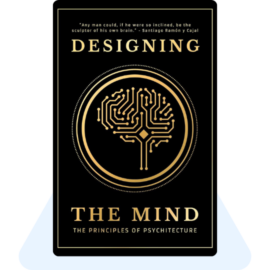
Designing the Mind: The Principles of Psychitecture अलग assumption से शुरू होती है। Ryan A. Bush कहते हैं कि कई thoughts, emotional reactions, desires और habits permanent traits नहीं, patterns हैं। Patterns observe, test, strengthen, weaken और repeated practice से redesign किए जा सकते हैं।
Bush इस process को psychitecture कहते हैं psychological-patterns का deliberate design। Systems design background के कारण वह software, algorithms, debugging, architecture और optimisation की language use करते हैं। Metaphor literal नहीं, पर practical है: criticism, defensiveness trigger कर सकता है, notification checking, uncertainty, worry और boredom scrolling trigger कर सकता है। Cue अक्सर conscious choice से पहले familiar response activate कर देता है।
Book पूछती है: क्या आप judgement के assumptions पहचान सकते हैं? Goal-defeating desire कमजोर कर सकते हैं? Frustration पर calmer response train कर सकते हैं? Useful behaviour इतना automatic बना सकते हैं कि willpower कम लगे? First thought, feeling या impulse के control से कुछ अधिक free हो सकते हैं?
यही इसे Readers Books Club के लिए relevant बनाता है। Designing the Mind philosophy, psychology, self-improvement, Stoicism, Buddhism, behaviour-change, mindfulness और self-mastery को जोड़ती है। HarperCollins India ने May 2026 में इसे Indian readers तक modern self-mastery manual की तरह पहुंचाया, जिसका core idea internal “software” redesign करना है।
Neuroplasticity broadly बताती है कि brain learning और experience से adapt करता है; इसका मतलब हर belief या emotion instant “rewire” होना नहीं। Bush का framework disciplined process की तरह best काम करता है: pattern observe करें, trigger समझें, response या environment बदलें, alternative practice करें और result review करें।
Meditation, spirituality, Law of Attraction, coaching या Amiett Kumar में interest रखने वाले readers हेतु आगे grounded connections दिए गए हैं, Bush के own claims की तरह नहीं। इस Designing the Mind summary का practical question है: अगर mind repeated patterns से shaped है, तो आप कौन-से patterns redesign करेंगे?
Book at a Glance: Designing the Mind किस बारे में है?
Designing the Mind: The Principles of Psychitecture 2021 में independently publish हुई और 2026 में HarperBusiness/HarperCollins India से wider Indian audience तक पहुंची। Bush systems designer और Designing the Mind के founder हैं; organisation “psychitecture,” यानी intentional psychological self-development, पर focused है।
Online edition clear progression follow करती है: psychitecture की theory और practice, cognitive biases, values, introspection, wisdom, emotional algorithms, desires, equanimity, self-direction, behavioural algorithms और self-mastery। Bush psychologically design को cognitive, emotional और behavioural realms में divide करते हैं आप कैसे सोचते हैं, feel और desire करते हैं, और act करते हैं।
Framework ancient philosophy, spiritual traditions और modern psychology को जोड़ता है। Buddha, Marcus Aurelius, Lao Tzu, Nietzsche, Maslow, cognitive therapy, evolutionary psychology और mindfulness जैसे influences दिखाई देते हैं। Bush isolated quotes या motivational hacks के बजाय इन्हें ongoing self-development system में synthesize करना चाहते हैं।
Book primarily money, productivity या किसी single external goal पर नहीं है। Bush wisdom, self-control, tranquillity और character को अपने आप में valuable मानते हैं। “Result” सिर्फ achievement नहीं; वह mind भी है जो achievement तक पहुंचता है।
SEO और clarity हेतु related terms हैं: self-mastery, reprogram your mind, cognitive-biases, emotional-regulation, habit-change, mindfulness, self-awareness, personal-growth, neuroplasticity, Stoicism, Buddhism, psychology books, philosophy books, self-improvement books और mental clarity। इन सबको जोड़ने वाला central term psychitecture है।
Psychitecture क्या है?
Psychitecture Bush का term है self-directed psychological evolution perception, emotion, desire और behaviour influence करने वाले mental-patterns को deliberately बदलना। Software metaphor नया लगता है, पर ingredients पुराने हैं: philosophers judgement train करने, desire regulate करने, virtue build करने और equanimity से जीने पर centuries से काम करते आए हैं; modern psychology distorted thoughts, habits और behaviour-change के methods देती है। Bush इन्हें designer’s framework में combine करते हैं।
एक automatic pattern देखें:
Trigger: कोई message का reply नहीं करता।
Interpretation: “वह मुझसे upset है।”
Emotion: Anxiety.
Behavior: दूसरा message, repeated checking या conversation replay करना।
Short-term result: Reply आए तो temporary relief।
Long-term result: Checking stronger होती है, uncertainty tolerate करना कठिन।
Psychitect यह नहीं कहेगा, “मुझे anxious नहीं होना चाहिए।” वह loop map करेगा: कौन-सा belief आया, कौन-सा evidence support या contradict करता है, कौन-सा emotion follow हुआ, किस action ने loop reinforce किया और next time कौन-सा alternative interpretation या behavior practise हो सकता है?
“Design” mindset self-improvement को moral judgment से experiment में बदलता है। “मैं weak हूं क्योंकि procrastinate करता हूं” के बजाय पूछें: avoidance कौन-सा cue शुरू करता है, reward क्या है और desired action को कौन-सा environment आसान करेगा? “मैं angry हूं” के बजाय पूछें: कौन-से interpretations anger generate करते हैं और कौन-सी reappraisal facts deny किए बिना उसे reduce करती है?
यही 12 lessons की foundation है।
Lesson 1: अपने Current Mind को Final Mind मानना बंद करें
पहला lesson वह premise है जिस पर बाकी हर lesson depend करता है: आपके current psychological-patterns जरूरी नहीं कि permanent हों। लोग अक्सर assume करते हैं कि अगर reaction automatic है, तो वह authentic और fixed भी है। Bush इस assumption को challenge करते हैं। Automatic मतलब unchangeable नहीं होता। कई बार उसमतलब सिर्फ well-practised होता है।
यहीं neuroplasticity relevant होती है, लेकिन इसे carefully use करना जरूरी है। Scientific research दिखाती है कि brain पूरी life change की capacity रखता है और learning, experience तथा environmental demands के response में reorganize कर सकता है। Brain Plasticity की 2024 review neuroplasticity को experience के response में brain की lifelong reorganizing ability बताती है। 2026 की एक systematic review ने भी evidence पाया कि कुछ measurable structural changes कुछ experimental conditions में surprisingly जल्दी संभव हैं। लेकिन plasticity unlimited और effortless transformation नहीं है। Learning अक्सर उसी चीज़ तक specific रहती है जिसे वास्तव में practise किया गया है, और lasting behavioral-change हेतु repetition और context चाहिए।
Practical message encouraging है: familiarity को destiny मत समझिए। अगर आपने दस साल self-criticism rehearse की है, तो mind criticism बहुत जल्दी produce कर सकता है। अगर आप वर्षों से discomfort आते ही phone उठाते रहे हैं, तो action लगभग invisible लग सकता है। ये patterns strong हो सकते हैं, लेकिन sacred नहीं।
एक useful exercise है identity statements को pattern statements से replace करना। “मैं lazy हूं” को बदलें: “जब first step unclear होता है, मैं tasks avoid करने का pattern दिखाता हूं।” “मैं लोगों के साथ अच्छा नहीं हूं” को बदलें: “Judgment का डर होता है तो मैं quiet हो जाता हूं।” “मेरे पास self-control नहीं है” को बदलें: “मेरा environment easy reward को बहुत available बनाता है।” दूसरा version ज्यादा precise है, और precision options create करती है।
मतलब यह नहीं कि हर difficulty self-design से खत्म की जा सकती है। Genetics, health, trauma, social conditions, neurodevelopment और कई दूसरे factors यह influence करते हैं कि कोई व्यक्ति कैसे सोचता और behave करता है। Psychitecture तब सबसे useful है जब वह agency की practice बने, total control की fantasy नहीं।
Readers Books Club takeaway: पुराना pattern permanent नहीं होता। Inherited, learned, automatic और outdated “software” पहचानें और useful alternatives practise करें।
Lesson 2: Metacognition Self-Mastery का Doorway है
जिस pattern को आप notice ही नहीं करते, उसे redesign नहीं कर सकते। इसलिए metacognition अपनी thinking पर सोचना book की सबसे important skills में से एक है।
Normally हम thoughts को अंदर से experience करते हैं। एक thought कहता है, “यह badly जाएगा,” और कुछ समय हेतु वह thought नहीं लगता; reality लगता है। Judgment कहता है, “वह मेरी disrespect कर रहा है,” और emotional response शुरू हो जाता है, इससे पहले कि हम check करें कि कोई दूसरा explanation भी possible है या नहीं। Metacognition observer और automatic mental event के बीच थोड़ी distance create करता है।
Bush इस capacity को mindfulness से connect करते हैं। Practice में mindfulness व्यक्ति को thought, feeling या urge notice करने में help कर सकती है, बिना तुरंत उसे command मानने के। NCCIH mindfulness को focused, clear attention और present-moment awareness की practice बताता है; evidence बताता है कि यह stress और कुछ anxiety-related symptoms में help कर सकती है, हालांकि results vary करते हैं और research को oversell नहीं करना चाहिए।
Important point यह नहीं कि meditation magically mind को empty कर देती है। Point यह है कि awareness आपको choice point देती है। Thought फिर भी आता है, लेकिन आप उसे examine कर सकते हैं। Urge फिर भी आता है, लेकिन आप wait कर सकते हैं। Emotion रहता है, लेकिन आप पूछ सकते हैं कि कौन-सा interpretation उसे feed कर रहा है।
एक simple “name the algorithm” practice try करें। Familiar pattern दिखे तो उसे neutral label दें:
• “Catastrophizing story.”
• “Comparison loop.”
• “Approval-seeking.”
• “Avoidance urge.”
• “Perfectionist rule.”
• “Phone-checking cue.”
Label diagnosis नहीं है। यह pattern के साथ पूरी तरह fused होने से बचने का तरीका है। जब आप कह सकते हैं, “मेरा mind comparison loop चला रहा है,” तो आपका उसके साथ relationship उस moment से अलग हो जाता है जब आप सिर्फ feel करते हैं, “मैं सबके पीछे हूं।”
यह skill सिर्फ negative thinking से कहीं आगे useful है। Metacognition आपको notice करने में help कर सकती है कि confidence कब overconfidence बन रहा है, ambition कब compulsion में बदल रही है, “discipline” कब self-punishment बन रहा है, या कोई spiritual belief practical decision avoid करने हेतु use हो रहा है।
Readers Books Club takeaway: Self-awareness control panel है; mind बदलने से पहले उसके current patterns observe करें।
Lesson 3: Brain Shortcuts Use करता है Map Follow करने से पहले Question करें
Book cognitive-biases पर major attention देती है क्योंकि हम reality को neutrally perceive नहीं करते। Mind shortcuts, filters, assumptions और predictive patterns use करता है। ये अक्सर useful होते हैं; shortcuts न हों तो everyday life impossibly slow हो जाएगी। Problem तब है जब shortcut distortion बन जाता है।
Confirmation bias हमें वही evidence notice कराता है जो already existing belief को support करता है। Availability vivid examples को उनकी actual frequency से ज्यादा common feel करा सकती है। Fundamental attribution error हमें दूसरे व्यक्ति का behavior उसके character से explain करने और अपना behavior circumstances से explain करने की ओर ले जा सकता है। Negativity bias एक critical comment को दस positive comments पर heavy बना सकती है।
Bush का broader point है कि wisdom हेतु उस map को improve करना जरूरी है जिससे आप territory interpret करते हैं। Mental model distorted हो तो आप false premise से perfectly logical decisions भी ले सकते हैं।
मान लीजिए आपका belief है, “लोगों पर trust नहीं किया जा सकता।” आप neutral behavior को suspicious interpret कर सकते हैं, vulnerability avoid कर सकते हैं, और फिर ऐसे relationships experience करेंगे जो shallow रहें। वही shallow relationships evidence बन जाएंगे कि deep trust possible ही नहीं। Belief ऐसे behaviors create करता है जो उसी world को reproduce करने में help करते हैं जिसकी उसे expectation थी।
एक practical cognitive-design method certainty को question करना है:
1. मैं exactly किस बात को true claim कर रहा हूं?
2. कौन-सा evidence इसे support करता है?
3. कौन-सा evidence fit नहीं बैठता?
4. एक reasonable person कौन-सा alternative explanation consider करेगा?
5. क्या चीज़ मेरा mind change कर सकती है?
6. क्या मैं possibility को probability, या probability को certainty मान रहा हूं?
यह cognitive-therapy में cognitive restructuring की spirit जैसा है: distorted या maladaptive cognition identify करें और उसे ज्यादा accurate, adaptive interpretation से replace करें। Goal “positive thinking” नहीं है। कई बार accurate thought uncomfortable होती है। Optimism से ज्यादा accuracy matter करती है।
Law of Attraction में interest रखने वाले readers हेतु यह important correction है। Beliefs attention और behavior influence करते हैं, लेकिन इसका मतलब यह नहीं कि हर event thought से create होता है। Useful mindset reality को ज्यादा clearly देखने में help करे, reality को preferred story में force न करे।
Readers Books Club takeaway: Positive होने से पहले thinking को accurate, flexible और useful बनाएं; better life better map से शुरू होती है।
Lesson 4: Values उस Mind का Blueprint हैं जिसे आप Build करना चाहते हैं
अगर आप mind के कुछ parts redesign कर सकते हैं, तो deeper question आता है: उन्हें किस direction में redesign करें? Values के बिना self-improvement endless optimization बन जाती है जिसमें “better” का कोई definition नहीं।
Bush introspection और values को cognitive self-mastery का central हिस्सा मानते हैं। आपको standards चाहिए जिनसे judge कर सकें कि कौन-से desires, beliefs, habits और traits reinforcement deserve करते हैं। नहीं तो आप उन goals को pursue करने में सिर्फ ज्यादा efficient हो सकते हैं उन goals में जिन्हें आपने consciously choose ही नहीं किया।
Values goals से अलग होती हैं। Goal हो सकता है “एक book publish करना।” Value creativity, contribution, courage, truth या craftsmanship हो सकती है। Goal complete हो सकता है; value repeatedly express होती है। Goals बताते हैं कि आप कहां पहुंचना चाहते हैं। Values decide करने में help करती हैं कि वहां पहुंचते हुए आप किस तरह travel करना चाहते हैं।
यह distinction तब powerful बनती है जब life uncertain हो। मान लीजिए goal promotion पाना है और promotion नहीं मिला। अगर पूरी identity result से attached है, तो setback total failure जैसा feel हो सकता है। लेकिन deeper values learning, excellence, leadership और contribution हैं, तो strategy बदलते हुए भी आप उन values पर act कर सकते हैं।
“Admired self” exercise try करें। तीन लोगों के names लिखें living, historical या fictional जिनके character को आप deeply respect करते हैं। पहले उनकी achievements list न करें। वे traits लिखें जिन्हें आप admire करते हैं: patience, courage, intellectual honesty, compassion, discipline, curiosity, equanimity, creativity। फिर पूछें कि ordinary week में आप किन traits को currently train कर रहे हैं।
Uncomfortable discovery यह हो सकती है कि आपका calendar आपके words से अलग value system train कर रहा है। आप कहते हैं health important है, लेकिन sleep लगातार sacrifice होती है। Family important है, लेकिन हर conversation phone से interrupt होती है। Wisdom important है, लेकिन information diet outrage से dominated है। Spirituality important है, लेकिन दिन में silence ही नहीं है।
यहीं books entertainment से ज्यादा बन सकती हैं। Great books character के models और good life की competing philosophies से expose करती हैं। Readers Books Club का एक उद्देश्य readers को ideas को usable reflection में बदलने में help करना भी है।
RBC takeaway: Mind optimize करने से पहले तय करें कि आप किस तरह का person बनना चाहते हैं।
Lesson 5: Wisdom Clearly देखने और Well Choose करने की Skill है
Designing the Mind में cognitive self-mastery सिर्फ intelligence नहीं है। कोई व्यक्ति highly intelligent होकर भी repeatedly ऐसे decisions ले सकता है जो misery produce करें। Bush wisdom में interested हैं: reality को ज्यादा accurately देखना, खुद को समझना, long-term consequences recognize करना और deeper values के according choose करना।
Wisdom का time dimension है। कई poor decisions immediately good feel करते हैं। कई good decisions immediately difficult feel करते हैं। Wise mind future को इतना strongly represent कर पाता है कि वह present में भी matter करे।
Spending सोचिए। Impulse purchase immediate emotional reward देती है। Saving abstract future benefit देती है। Anger सोचिए। Sharp reply immediate relief या dominance दे सकता है। Restraint उस relationship को protect करता है जिसे आप कल भी चाहते हैं। Exercise सोचिए। Avoidance अभी comfort protect करती है; movement future health protect करता है।
Decision का frame widen करके wisdom strengthen की जा सकती है। पूछिए:
• दस minutes बाद मैं इस choice पर कैसा feel करूंगा?
• दस months बाद कैसा feel करूंगा?
• अगर यही choice सौ बार repeat करूं तो क्या होगा?
• जिस person की मैं care करता हूं, उसे मैं क्या advice दूंगा?
• कौन-सा option उस person को strengthen करता है जो मैं बनना चाहता हूं?
Last question especially important है। हर repeated choice कुछ train करती है। Single decision rarely character define करता है, लेकिन patterns accumulate होते हैं। आप उसी चीज़ में ज्यादा capable होते जाते हैं जिसे repeatedly practise करते हैं।
Wisdom uncertainty accept करना भी demand करती है। कोई mental algorithm perfect outcomes guarantee नहीं करता। कभी good process bad result दे सकता है, और careless choice lucky result। Decisions को सिर्फ result से नहीं, उस समय available reasoning की quality से judge करें।
Life coach या coaching context में यह principle useful है क्योंकि conversation “मुझे क्या करना चाहिए?” से shift होकर “Uncertainty में values के according act करने हेतु कौन-सा decision process help करता है?” पर आती है। Responsible coach reflection और accountability support कर सकता है, लेकिन जब psychological या medical care की जरूरत हो, उसे replace नहीं करना चाहिए।
RBC takeaway: Mind mastery हर argument जीतना नहीं; repeated choices की quality improve करना है।
Lesson 6: Emotions ऐसे Patterns हैं जिनके साथ Work किया जा सकता है, Enemies नहीं जिन्हें Defeat करना है
Book का emotional section सबसे practical हिस्सों में से एक है। Bush emotional responses को algorithms की तरह describe करते हैं: patterns जिनमें event को किसी particular way में interpret किया जाता है और familiar emotional response follow करता है। Goal emotional numbness नहीं है। Goal इस बात में greater freedom है कि emotional patterns कैसे generate और express होते हैं।
मान लीजिए colleague को praise मिलता है। Raw event simple है। लेकिन interpretation हो सकता है, “उसकी success prove करती है कि मैं पीछे रह गया हूं।” यह thought envy, shame या resentment generate कर सकता है। दूसरा interpretation “उसकी success में ऐसी information है जिससे मैं learn कर सकता हूं” event नहीं बदलता, लेकिन emotional pathway बदल देता है।
यह cognitive reappraisal के idea के करीब है: situation की interpretation बदलकर उसके emotional impact को बदलना। Reappraisal real problem deny करना नहीं है। अगर कोई unfair behave करता है तो आपको pretend नहीं करना कि सब wonderful है। आप ऐसा interpretation choose कर सकते हैं जो accurate हो, लेकिन unnecessary suffering add न करे।
एक useful three-column practice है:
Event: बिना interpretation के क्या हुआ?
Meaning: मेरे mind ने कहा इसका मतलब क्या है?
Alternative: कौन-सा दूसरा meaning plausible और useful है?
Example:
Event: मेरा proposal reject हो गया।
Meaning: “मैं good enough नहीं हूं।”
Alternative: “यह proposal इस decision-maker की needs meet नहीं कर पाया। मैं कारण learn कर सकता हूं, improve कर सकता हूं और फिर try कर सकता हूं।”
Alternative guaranteed optimism नहीं है। यह ज्यादा precise statement है। Precision एक event को global identity judgment में बदलने की tendency कम करती है।
Meditation इस process को support कर सकती है क्योंकि वह observation train करती है। आप anger को anger, fear को fear और craving को craving की तरह notice करते हैं, उससे बड़ी story बनाने से पहले। लेकिन meditation को cure-all की तरह treat नहीं करना चाहिए। NCCIH के अनुसार mindfulness research कुछ areas में promising है, कुछ में mixed है, और study quality vary करती है।
RBC takeaway: Emotional mastery bad feelings मिटाना नहीं; first interpretation के automatic control से freedom बढ़ाना है।
Lesson 7: Desire को Redesign करें, Self-Control आसान हो जाता है
Traditional self-control को अक्सर desire और willpower की fight की तरह describe किया जाता है। आप cake, phone, purchase, argument या shortcut चाहते हैं और आपके “strong” self को resist करना चाहिए। Bush एक अलग direction देते हैं: desire से बार-बार fight करने के बजाय उन conditions को बदलना सीखिए जो desire को create और strengthen करती हैं।
यह idea elegant है क्योंकि willpower expensive होती है। अगर phone keyboard के beside रखा है और आपको उसे दिन में पचास बार resist करना है, तो आप पचास battles create कर रहे हैं। अगर focused-work के दौरान phone दूसरे room में रख दिया, cue weak हो जाती है और कई battles शुरू ही नहीं होतीं।
Desires attention, availability, framing, environment, identity और habit से influence होती हैं। Advertisers यह समझते हैं। Apps यह समझती हैं। Shops भी यह समझती हैं। Psychitecture कहती है कि वही design logic अपने benefit हेतु use करें।
“Desire architecture” से शुरू करें:
• Unwanted behavior बार-बार trigger करने वाले cues remove करें।
• Temptations के आसपास friction बढ़ाएं।
• Desired actions को visible और easy बनाएं।
• Reward को reframe करें: unwanted habit क्या देती है सिर्फ यह नहीं, वह क्या cost करती है उस पर भी focus करें।
• Better behavior के attractive reasons strengthen करें।
• Identity use करें: “मैं ऐसा person बन रहा हूं जो morning focus protect करता है।”
मान लीजिए आप ज्यादा books पढ़ना चाहते हैं। सिर्फ motivation पर rely मत करें। Book वहां रखें जहां normally phone रहता है। शुरू करने से पहले page range decide करें। Reading sessions इतनी short रखें कि repeat हो सकें। अगर tracking motivate करती है तो pages या days track करें। Reading community join करें। Commute में audiobook सुनें। ऐसा system build करें जिसमें reading के cues obvious हों और friction low हो।
Readers Books Club followers हेतु यह psychology books और daily life के बीच सबसे useful bridges में से एक है। एक book आपको एक बार inspire कर सकती है। Environment आपको हर दिन remind कर सकता है।
RBC takeaway: Strong self-control अक्सर ऐसी life design करना है जहां better desires और defaults को advantage मिले।
Lesson 8: Equanimity Emotional Rigidity के बिना Strength है
Bush emotional self-mastery की discussion में Stoicism और Buddhism से काफी draw करते हैं। Target है equanimity: stable, balanced mind जो changing circumstances experience कर सके बिना पूरी तरह off-course हुए।
Equanimity को misunderstand करना आसान है। इसका मतलब indifference नहीं। मतलब grief suppress करना, joy refuse करना या injustice के प्रति passive होना नहीं। मतलब उन circumstances पर unnecessary dependence कम करना है जिन्हें आप fully control नहीं कर सकते।
एक useful Stoic distinction है: क्या आपके influence के अंदर है और क्या नहीं। Preparation, effort, communication, boundaries, attention और response को आप influence कर सकते हैं। दूसरे people, economy, weather, timing, algorithms, illness या हर plan की success को fully control नहीं कर सकते।
बहुत suffering uncertain systems से certainty demand करने से आती है। “उन्हें मुझे approve करना ही होगा।” “यह investment ऊपर ही जाना चाहिए।” “मेरा plan मेरे timeline पर ही होना चाहिए।” “मेरे child को वही choice करनी चाहिए जो मैं prefer करता हूं।” “मेरी manifestation exactly इसी तरह appear होनी चाहिए।” Demand उस reality के ऊपर distress की दूसरी layer add करती है जो already मौजूद है।
यह sentence practise करें: “मैं इस outcome को prefer करता हूं, लेकिन wise action लेने से पहले reality को मेरी preference obey करना जरूरी नहीं है।”
यह spirituality के साथ grounded connection है। कई traditions non-attachment का कोई form teach करती हैं: deeply care करें, sincerely act करें, लेकिन inner peace को external world control करने पर पूरी तरह dependent न बनाएं। Meditation में इसका छोटा version हर बार practise कर सकते हैं जब itch, sound, thought या emotion आता है और आप तुरंत react न करने का choice करते हैं।
Equanimity performance भी improve करती है। अगर mistake automatically catastrophe बन जाती है, feedback threatening लगता है। अगर uncertainty automatically panic बनती है, experimentation difficult हो जाता है। Steadier mind enough time engaged रह सकता है ताकि learn कर सके।
RBC takeaway: Peace difficulty की absence नहीं; ऐसा mind है जो stability circumstances को surrender नहीं करता।
Lesson 9: Motivation तब Fail होती है जब आपका System Opposite Direction में Pull करता रहे
Book की self-direction discussion पूछती है कि लोग जानते हुए भी कि वे क्या चाहते हैं, बार-बार कुछ और क्यों करते हैं। Answer rarely “motivation कम है” होता है। Human behaviour competing goals, habits, short-term rewards, fear, identity, social pressure और environmental cues से shaped होता है।
Imagine कीजिए आप business build करना चाहते हैं। Stated goal clear है। लेकिन आपका एक हिस्सा rejection avoid करना चाहता है। अगर sales हेतु outreach जरूरी है, avoidance motive quietly business goal defeat कर सकता है। आप logo design करने, tools research करने या motivational videos देखने में hours लगा सकते हैं क्योंकि ये actions productive feel होते हैं लेकिन rejection expose नहीं करते।
Psychitecture आपको impediment के पीछे का impediment खोजने हेतु encourage करती है। जब behaviour goal से match न करे, पूछिए “bad” behaviour कौन-सा reward provide कर रहा है।
Procrastination uncertainty से relief दे सकती है।
People-pleasing conflict से protection दे सकती है।
Perfectionism judgement से protection दे सकती है।
Overthinking control का feeling create कर सकती है।
Constant learning publishing से बचा सकती है।
Hidden reward visible होते ही change intelligent हो जाती है। आप symptom को character flaw treat करना बंद करते हैं और function redesign करना शुरू करते हैं।
एक practical method है यह sentence complete करना: “जब मैं उस action को avoid करता हूं जिसे मैं कहता हूं कि चाहता हूं, मुझे तुरंत ______ मिलता है।” Answer comfort, certainty, approval, distraction या protection हो सकता है। फिर पूछिए वही need larger goal को कम damage करते हुए कैसे meet की जा सकती है।
यह coaching हेतु useful place है। Skilled coach या life-coach goals, calendars, incentives और habits के contradictions identify करने में help कर सकता है, फिर accountability create कर सकता है। लेकिन coaching psychotherapy नहीं है, और serious या persistent mental-health difficulties हेतु appropriately qualified care जरूरी हो सकती है।
RBC takeaway: Behavior intention defeat करे तो pressure नहीं, current system द्वारा protected competing reward खोजें।
Lesson 10: Habits Behavioural Algorithms हैं Cue, Action और Reward Design करें
Designing the Mind का behavioral section habits को automatic programs की तरह देखता है। Cue आते ही response अधिक likely हो जाता है क्योंकि वह repeat और reinforce हुआ है। इससे habit change character पर daily referendum नहीं, design problem बनती है।
Atomic Habits से familiar readers overlap करेंगे। Environment matter करता है। Repetition matter करती है। Friction matter करती है। Identity matter करती है। Difference यह है कि Bush habit design को larger system के अंदर रखते हैं जिसमें beliefs, emotions, desires और values भी शामिल हैं।
जब work difficult होने लगे तब email check करने की habit सोचिए। Cue notification नहीं भी हो सकती; cue discomfort हो सकती है। Action checking है। Reward demanding task से relief है। अगर notifications disable कर दीं लेकिन emotional cue रहती है, loop पूरी तरह नहीं टूटी। Complete redesign को behavior और trigger feeling दोनों address करना होगा।
एक habit को पांच questions से map करें:
1. Cue क्या है?
2. कौन-सा action follow करता है?
3. Action कौन-सा immediate reward देता है?
4. कौन-सी long-term cost create होती है?
5. कौन-सा replacement action enough reward दे सकता है बिना उसी cost के?
Example हेतु, cue mental fatigue है तो endless scrolling stimulation और escape दे सकती है। Replacement दस-minute walk, screen से दूर tea, stretching या short conversation हो सकती है। Replacement realistic होना चाहिए। ऐसा plan जो assume करे कि tired self अचानक hardest option choose करेगा, poorly designed है।
Good habits को start करना आसान बनाएं। First action define करें। “Daily meditate करूंगा” बन जाए “teeth brush करने के बाद पांच minutes cushion पर बैठूंगा।” “More books पढ़ूंगा” बन जाए “night में entertainment apps खोलने से पहले दस pages पढ़ूंगा।” “Exercise करूंगा” बन जाए “shoes door के पास रखूंगा और work के बाद fifteen minutes walk करूंगा।” Small actions final goal नहीं हैं; वे activation energy reduce करते हैं।
RBC takeaway: Future self पर willpower battle न छोड़ें; loop बदलें जब तक better behaviour normal लगे।
Lesson 11: Identity Repeated Behaviour को Character में बदलती है
Behaviour सिर्फ यह नहीं कि आप क्या करते हैं; वह evidence बनता है कि आप खुद को कौन मानते हैं। Bush की final movement toward self-mastery repeated action को character से connect करती है। अगर honesty costly होने पर भी honesty practise करते हैं, तो सिर्फ task complete नहीं करते; ज्यादा honest self-concept build करते हैं। अगर खुद से किए promises repeatedly keep करते हैं, self-trust बदलता है।
इसीलिए identity-based change outcome-based change से stronger हो सकती है। “मैं twelve books पढ़ना चाहता हूं” goal है। “मैं reader हूं जो deep thinking हेतु time protect करता है” identity है। “मैं thirty days meditate करना चाहता हूं” challenge है। “मैं ऐसा person हूं जो react करने से पहले space create करता है” character direction है।
Identity trap भी कर सकती है। “मैं athletic नहीं हूं।” “मैं money के साथ terrible हूं।” “मैं anxious person हूं।” “मैं वही हूं जो हमेशा give up करता है।” ये statements कई experiences को एक rule में compress करते हैं, और फिर वही rule future choices filter करने लगता है।
Healthier approach है evidence-based identity। जिस identity को strengthen करना चाहते हैं, उसे choose करें और small, repeatable evidence create करें।
अगर ज्यादा disciplined बनना है, हर morning एक छोटा promise keep करें।
Reader बनना है तो daily कुछ pages finish करें।
Calmer बनना है तो familiar reaction से पहले एक pause practise करें।
Courageous बनना है तो हर week ऐसा एक action करें जिसमें reasonable discomfort हो।
Act करने से पहले identity true feel होने की demand मत करें। Identity अक्सर evidence follow करती है।
यह affirmation की grounded interpretation भी देता है। “I am confident” जैसी affirmation empty feel हो सकती है जब हर behaviour contradictory evidence दे। ज्यादा useful affirmation हो सकती है: “Uncertain feel करते हुए भी मैं courage के साथ act करना सीख रहा हूं,” और उसके बाद concrete action जो उसे prove करे। Words attention focus कर सकते हैं; behaviour उन्हें credibility देता है।
RBC takeaway: Character dramatic decision नहीं, repeated choices की accumulated architecture है।
Lesson 12: Self-Mastery Becoming की Lifelong Practice है
Final lesson यह है कि mind का कोई finished version नहीं। Psychitecture thirty-day challenge नहीं है जिसके बाद psychological system permanently optimised हो जाए। Life बदलती है, environments बदलते हैं, responsibilities बदलती हैं, और stress में old patterns लौट सकते हैं। इसलिए self-mastery continuous review और redesign की practice है।
यह book के healthiest ideas में से एक है क्योंकि perfection की fantasy remove करता है। आप ऐसा human बनने की कोशिश नहीं कर रहे जो bias, craving, anger, fear, distraction या inconsistency कभी experience न करे। आप उन patterns को recognize करने और deliberately respond करने में more skilled बन रहे हैं।
Product launch के बाद designer की तरह सोचें। Real conditions में system observe करें। कहां fail होता है? कौन-सा feature unintended consequences create करता है? कौन-सा assumption wrong था? क्या simplify करना चाहिए? Failure data है।
Monthly “mind review” करें:
• कौन-से thought pattern ने सबसे ज्यादा unnecessary suffering create की?
• कौन-सा emotion regulate करना hardest था?
• कौन-सा desire deeper value से बार-बार distract करता रहा?
• कौन-सी habit ने सबसे ज्यादा help की?
• कौन-सा environment best behavior बाहर लाया?
• कौन-सा person या situation reliably old algorithm trigger करता है?
• Next month मैं कौन-सा one change test करूंगा?
यह mindset shame reduce करता है। Improvement की responsibility ले सकते हैं बिना हर imperfection को moral failure treat किए। Setback signal बनती है कि design को revision चाहिए।
Same principle spirituality पर भी apply होता है। Awakening, manifestation, discipline या confidence को permanent states imagine करने का temptation होता है जो ordinary human difficulty खत्म कर दें। Grounded spirituality practice को returning की तरह देखती है: awareness, values, compassion, truth या purposeful action पर बार-बार लौटना।
RBC takeaway: Mastery self-work खत्म होना नहीं; clarity, patience और skill से उसे बेहतर करना है।
Readers Books Club 7-Day Mind Design Reset
Summary पढ़ना progress का illusion create कर सकता है। Book तभी valuable बनती है जब एक idea behavior बदलता है। इस seven-day reset से psychitecture को small experiment में बदलें।
Day 1: एक Mental Algorithm Map करें
एक recurring problem choose करें: procrastination, comparison, anger, checking, self-criticism, impulsive spending या avoidance। Trigger, thought, emotion, action, immediate reward और long-term cost लिखें। अभी fix करने की कोशिश न करें। आपका काम observation है।
Day 2: Metacognition Practise करें
दिन में three reminders set करें। हर reminder पर एक sentence लिखें: “मेरा mind अभी ______ कर रहा है।” Process का नाम दें, judgement नहीं। आप planning, worrying, rehearsing, comparing, craving, defending या focusing लिख सकते हैं।
Day 3: एक Belief Challenge करें
ऐसा belief choose करें जो behaviour influence करता है। उसके support में evidence, उसके against evidence और ज्यादा accurate alternative लिखें। Fake positivity avoid करें। Replacement इतना believable हो कि आप उससे act कर सकें।
Day 4: एक Value Clarify करें
एक value choose करें जिसे आप इस week express करना चाहते हैं: courage, learning, health, compassion, integrity, creativity या presence। एक ऐसा behaviour choose करें जो आज उस value को visible बनाता है।
Day 5: एक Desire Redesign करें
ऐसी temptation identify करें जो repeatedly जीतती है। एक cue remove करें या friction की एक layer add करें। App move करें, logout करें, room change करें, healthier alternative prepare करें या precommitment create करें। Motivation पर अकेले rely न करें।
Day 6: एक Behavioural Algorithm Build करें
Simple if-then rule create करें: “अगर dinner finish करूं, तो ten pages पढ़ूंगा।” “अगर focus time में phone check करने का urge आए, तो urge paper पर लिखूंगा और five minutes continue करूंगा।” “अगर discussion में angry होऊं, reply से पहले three breaths लूंगा।”
Day 7: Designer की तरह Review करें
पूछिए क्या worked, क्या failed और क्या surprise किया। Next three weeks हेतु सिर्फ one या two changes रखें। Ordinary life survival करने वाला small design, three days में abandon किए जाने वाले impressive system से ज्यादा valuable है।
Meditation और Designing the Mind: Observer को Train करना
Meditation psychitecture के साथ naturally fit होती है क्योंकि दोनों awareness पर depend करते हैं। कई practices में goal mind को force करके silent करना नहीं, बल्कि thoughts, sensations और emotions को arising-and-passing events की तरह notice करना है। यही redesign हेतु needed psychological distance बनाता है।
Five-minute “observer meditation” करें। Comfortably बैठकर breath पर attention दें। Thought आए तो “thinking”, emotion आए तो “feeling”, urge आए तो “urge” label करें, फिर breath पर लौटें। आप content solve नहीं कर रहे; process notice करने की ability practise कर रहे हैं।
Time के साथ cue और response का gap पहचानना आसान हो सकता है। Critical thought self-attack बनने से पहले, craving purchase से पहले और anger message भेजने से पहले notice हो सकती है।
Evidence responsibly देखें। NCCIH के अनुसार mindfulness-based approaches कुछ लोगों में stress और anxiety symptoms हेतु helpful हो सकती हैं, पर research quality और results vary करते हैं। Meditation universal treatment नहीं; persistent psychological difficulties में professional support जरूरी हो सकता है।
Readers Books Club audiences हेतु useful sequence है read, reflect, meditate, apply। Idea पढ़ें, life में pattern देखें, meditation से notice करें और one behavioural change करें।
Spirituality और Psychitecture: Mind को Watch करने वाला “You” कौन है?
Book Buddhism, Stoicism, Taoism और other traditions से ideas लेती है, पर methods को rational psychological language में frame करती है। इससे spiritual question उठता है: अगर आप thoughts observe कर सकते हैं, तो क्या आप हर appearing thought ही हैं?
Metaphysical answer जरूरी नहीं। Practically, “thoughts को lightly hold करना सीखें। “मैं failure हूं” बदलकर “failure story appear हो रही है।” “सबको मुझे like करना चाहिए” बदलकर “approval-seeking pattern active है।” यह emotion deny किए बिना fusion reduce कर सकता है।
Spirituality values question deepen करती है: good life क्या है, कौन-सी desires obedience deserve करती हैं, enough क्या है, और status, comparison व external approval कम powerful हों तो क्या बचता है? ये software-engineering questions नहीं, human-mind design के core questions हैं।
Risk spiritual perfectionism है। Spirituality से anger, jealousy, grief या fear कभी feel न करने की demand एक और rigid algorithm बना सकती है। Mature practice ordinary humanity हेतु space रखती है और response को wiser बनाती है।
Designing the Mind और Law of Attraction: एक Grounded Connection
Law of Attraction को focus, belief, visualisation, affirmation, emotional alignment और intention से discuss किया जाता है। Designing the Mind LoA book नहीं, और Bush psychitecture को universe से outcomes deliver कराने की method नहीं बताते। Grounded connection है: repeated focus influence कर सकता है कि आप क्या notice करते हैं, events कैसे interpret करते हैं और कौन-से actions practise करते हैं।
अगर confident speaking visualize करने के साथ presentation rehearse करें, feedback लें और discomfort tolerate करना practise करें, visualisation behavioural pathway support कर सकती है। Abundance affirmations के साथ avoidant financial habits रखें तो words behaviour की जगह नहीं ले सकते।
Practical LoA interpretation intention और mental architecture का alignment है। Peaceful relationship चाहिए पर habits, suspicion, checking और defensive communication हैं तो patterns redesign करें। Creative career चाहिए पर environment distraction-optimized है तो environment redesign करें। “Manifest anything” में उस person को भी include करें जो आप बन रहे हैं और उन actions को भी जो desired future को more probable बनाते हैं।
यहीं Amiett Kumar और Readers Books Club audiences का connection बनता है: manifestation self-awareness, meditation, clear intention, learning और aligned action के साथ अधिक useful है, passive wishful thinking के साथ नहीं।
Coaching और Life Coach Applications: Insight से Accountability तक
Books pattern reveal करती हैं; repetition change करती है। Coaching gap bridge कर सकती है। Coach या life-coach values clarify करने, behavioural experiments और routines design करने, vague goals challenge करने तथा accountability build करने में help कर सकता है।
“I need more discipline” broad है। Coaching real problems like late-night phone use, unclear morning priorities और emotionally risky task में break कर सकती है। Intervention specific होगा: phone bedroom के बाहर charge करें, previous night first work action define करें और feared task हेतु small exposure schedule करें।
Good coaching scope में रहती है। Clinical anxiety, depression, trauma, compulsions, eating disorders, substance problems या other significant mental-health concerns में licensed care जरूरी हो सकती है। Psychitecture self-development framework है, diagnosis या treatment का substitute नहीं।
Frequently Asked Questions
Designing the Mind by Ryan A. Bush किस बारे में है?
यह cognitive, emotional और behavioural patterns को deliberately बदलने वाली self-development book है। Bush इस process को “psychitecture” कहते हैं और psychological “software” redesign करने की metaphor use करते हैं।
Psychitecture मतलब क्या है?
Psychitecture self-directed psychological development है: beliefs, emotions, desires और habits के patterns observe करके ऐसे alternatives practise करना जो wisdom, well-being, self-control और character support करें।
क्या Designing the Mind science पर based है?
Book psychology और neuroplasticity से ideas लेती है, साथ में philosophy और spiritual traditions synthesize करती है। “Software” और “algorithm” metaphorical हैं; neuroplasticity हर mental pattern के instant या complete reprogramming का proof नहीं।
Psychitecture के three parts कौन-से हैं?
Cognitive, emotional और behavioural realms यानी आप कैसे सोचते हैं, कैसे feel और desire करते हैं, और कैसे act करते हैं।
क्या Designing the Mind spirituality book है?
Conventional spirituality book नहीं, पर Buddhism, Stoicism, Taoism और self-mastery traditions से काफी draw करती है, जिन्हें Bush psychological और systems-design lens से reframe करते हैं।
क्या meditation psychitecture में help कर सकती है?
Meditation thoughts और urges पर react करने से पहले उन्हें notice करने की metacognitive skill support कर सकती है। Mindfulness stress और कुछ anxiety symptoms में helpful हो सकती है, पर results vary करते हैं और यह universal cure नहीं।
क्या यह book habit change हेतु useful है?
हां। Later chapters on habits, behavioural algorithms, self-direction, temptation और self-control cover करते हैं। Atomic Habits ज्यादा tactical है; Designing the Mind habits को beliefs, emotions, desires और identity से जोड़ती है।
Designing the Mind का LoA से क्या connection है?
Book LoA पर नहीं है। Grounded connection: beliefs और attention perception, habits और action influence करते हैं। Visualization और affirmation accurate thinking, skill-building, environment design और aligned behaviour के साथ ज्यादा useful हैं।
क्या life-coach Designing the Mind के ideas use कर सकता है?
हां, values clarification, habit design, goal alignment, reflective questioning और accountability जैसे ideas compatible हैं। Clinical mental-health concerns require qualified professionals को refer होने चाहिए।
Designing the Mind किसे पढ़नी चाहिए?
Psychology, philosophy, mindfulness, Stoicism, Buddhism, habit-change, emotional-regulation और self-mastery combine करने वाली books पसंद करने वाले readers, especially जो slogans से ज्यादा systems और frameworks पसंद करते हैं।
Designing the Mind India में 2026 में relevant क्यों है?
HarperCollins India ने May 2026 में Indian release announce की और India की introspective tradition तथा Buddha और modern psychology जैसे influences highlight किए। इसलिए self-mastery और personal-growth readers हेतु यह timely है।
क्या इस summary के बाद full book पढ़नी चाहिए?
अगर psychitecture, cognitive bias, emotional restructuring, desire management और self-mastery resonate करें, full book complete framework, examples, references और philosophical argument greater depth में देती है।
Final Thoughts: अपने Patterns के Prisoner नहीं, Architect बनें
Designing the Mind का memorable shift यह है: हर thought को truth, emotion को destiny, desire को command और habit को personality मानने के बजाय patterns को patterns की तरह देखें।
Biased interpretation question हो सकती है। Emotional loop reappraise हो सकता है। Cues और meaning बदलकर desire weak की जा सकती है। Habit redesign, value behavioural standard और identity evidence के through rebuild हो सकती है। Setback data बन सकता है।
Framework को human limit चाहिए: लोग machines नहीं। हर hour optimise करना, हर emotion suppress करना या life को engineering project बनाना जरूरी नहीं। Design का purpose greater freedom है clearer seeing, deliberate choice, recovery और examined values के according living।
Readers Books Club का practical promise भी यही है। Widely पढ़ें, deeply observe करें, meditation या reflection से mind notice करें, spirituality से identity और desire के questions deepen करें, accountability helpful हो तो coaching लें। LoA explore करें तो intention को behaviour और reality-based action से connect करें। Best self-improvement books shelf trophies नहीं, practice invitations हैं।
पूरे mind को आज redesign नहीं करना। One algorithm choose करें, notice करें, समझें क्या उसे run करता है, one better response test करें, repeat और review करें। One pattern at a time, आप अपने character के architect बनने में ज्यादा capable होते हैं।
इसलिए psychitecture को mind की race न समझें। इसका value observation और experiments में है। Pattern लौटे तो failure न मानें; cue और need समझें, फिर response values, wisdom तथा well-being को support करे।
Contents