Introduction: क्या आपकी सबसे बड़ी सीमा आपकी Ability नहीं, आपका Belief है?
अधिकांश लोग progress की रुकावट effort की कमी को मानते हैं। Career नहीं बढ़ रहा और मेहनत, relationship कठिन है अधिक communication, confidence कम है discipline, habits टूट रही हैं नई routine। Effort जरूरी है, लेकिन Beyond Belief पूछती है: क्या hidden obstacle effort शुरू होने से पहले काम कर रहा है?
दो लोग कमरे में जाते हैं। पहला मानता है, “मेरे जैसे लोगों को serious नहीं लिया जाता।” दूसरा मानता है, “मैं यहाँ contribute करना सीख सकता हूँ।” Same room में पहला rejection के संकेत देखता है, दूसरा openings और मदद। Beliefs reality को magically नहीं बदलते, पर attention, interpretation और behaviour बदलते हैं; समय के साथ results अलग हो सकते हैं।
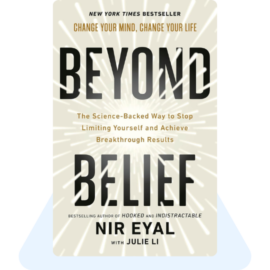
यही Nir Eyal और Julie Li की Beyond Belief का प्रवेश-बिंदु है। Hooked और Indistractable में habits व attention पर लिखने वाले Eyal इस 2026 book में behaviour के नीचे की assumptions देखते हैं। Official framing: कई limits physical से अधिक psychological होती हैं, और हम ऐसे beliefs carry करते हैं जिन्हें consciously चुना नहीं।
Book का central idea है: belief automatically fact नहीं; वह tool हो सकता है। इसलिए “क्या यह हमेशा सच है?” से बेहतर questions हैं यह मुझे क्या notice, expect और do करवाता है? क्या यह उस life की ओर ले जाता है जिसे मैं value करता हूँ?
यह Readers Books Club summary framework को practical lessons में बदलती है और self concept, identity, subconscious mind, meditation, spirituality तथा coaching से connections दिखाती है। Amiett Kumar के readers को manifestation से similarity दिख सकती है, लेकिन distinction clear है: Beyond Belief Law of Attraction manual नहीं। इसका grounded point है कि beliefs perception, expectation और action shape करते हैं, इसलिए unhelpful belief बदलने से choices बदल सकती हैं।
Beyond Belief वास्तव में किस बारे में है?
Book की public table of contents उसकी architecture को साफ करती है। शुरुआत “Beliefs Are Tools, Not Truths” से होती है और middle section तीन broad powers के आसपास organized है। पहला है Attention beliefs तय करते हैं कि आप क्या notice करते हैं। दूसरा है Anticipation beliefs आपके expectations को shape करते हैं और इसलिए experience कैसा महसूस होगा, यह बदल सकता है। तीसरा है Agency beliefs इसे प्रभावित करते हैं कि आप खुद को meaningful action लेने में कितना capable मानते हैं।
यह structure इसलिए उपयोगी है क्योंकि यह belief को vague motivational idea नहीं रहने देता। Belief के consequences होते हैं। यदि आप मानते हैं कि colleague आपको पसंद नहीं करता, attention coldness के evidence खोज सकता है। यदि आपको लगता है meeting खराब जाएगी, आप उसमें tense और defensive होकर प्रवेश कर सकते। यदि आप मानते हैं career पर आपका कोई control नहीं है, आप पूछना, apply करना, सीखना या negotiate करना बंद कर सकते। धीरे-धीरे belief उस system का हिस्सा बन जाता है जो आपका अगला behaviour बनाता है।
Book common self-help mistake के खिलाफ जाती है: हर negative belief को grand positive statement से बदल देना। “मैं unstoppable हूँ” कहना automatically useful नहीं है, खासकर तब जब आपका mind उसे reject करता है और behaviour नहीं बदलता। Eyal का framework अधिक pragmatic है। Good belief वह है जो reality को अधिक साफ देखने, अधिक प्रभावी action लेने और new evidence आने पर खुद को revise करने में मदद करे।
आज social media लगातार identities देता है “मैं introvert हूँ,” “मैं anxious हूँ,” “मैं maths में खराब हूँ,” “मेरे अंदर discipline नहीं है,” “मैं procrastinator हूँ।” Labels patterns describe कर सकते, लेकिन जब description destiny बन जाए वह limit बन जाती है। Diagnosis, personality trait, past failure या social category useful information दे सकते हैं, लेकिन उन्हें automatically यह तय नहीं करना चाहिए कि आप कभी क्या सीख या बन नहीं सकते।
नीचे दिए गए 12 lessons Readers Books Club द्वारा book के published chapter themes का practical distillation हैं। ये book की official numbered list नहीं हैं; इन्हें framework लागू हेतु आसान map की तरह पढ़ें।
Lesson 1: Beliefs Tools हैं, Permanent Truths नहीं
पहला lesson पूरी book की foundation है। लोग beliefs को facts की तरह experience करते हैं “मैं creative नहीं हूँ,” “लोगों पर trust नहीं किया जा सकता,” “Success के लिए suffering जरूरी है,” “Money problems लाता है,” “मैं meditation नहीं कर सकता,” या “मैं पहले कोशिश कर चुका हूँ, मुझे पता है इसका end क्या होगा।” Belief familiar लगता है, इसलिए mind उसका examination बंद कर देता है।
Beyond Belief आपको thought और identity के बीच थोड़ा distance बनाने को कहती है। “मैं public speaking में खराब हूँ” की जगह कहिए, “इस समय मेरा belief है कि मैं public speaking में खराब हूँ।” यह छोटा बदलाव important है। पहला sentence identity जैसा लगता है; दूसरा ऐसी information बन जाता है जिसे investigate किया जा सकता है।
Belief तब useful होता है जब वह reality navigate करने में मदद करे। आप मानते हैं floor आपको support करेगा, इसलिए हर step test किए बिना चलते हैं। आप मानते हैं practice skill improve करती है, इसलिए शुरुआत में perfect न होने के बावजूद repeat करने को तैयार रहते हैं। समस्या तब आती है जब belief outdated, बहुत broad या self-defeating हो, objective truth की तरह operate करे।
मान लीजिए school presentation में किसी पर हँसी हुई। Event real था। बाद का belief “मैं लोगों के सामने terrible हूँ” interpretation है। वर्षों तक वही interpretation behaviour guide कर सकती: presentation avoid करना, leadership reject करना, धीरे बोलना, camera opportunities छोड़ना। Original event कुछ minutes का था; belief decades shape कर सकता।
Practical exercise: sentence लिखिए जिसे आप regular fact की तरह treat करते हैं। तीन questions जोड़िए इस belief को support करने वाला evidence क्या है? कौन-सा evidence इसके साथ fit नहीं होता? यदि मेरे पास अधिक useful belief होता मैं क्या attempt करता? Goal denial नहीं है। यदि skill सच में कम है, useful belief “मैं इसे train कर सकता हूँ” संभव है, “मैं already world-class हूँ” नहीं।
यह self concept के लिए महत्वपूर्ण है। Healthy self concept कोई fantasy biography नहीं है। यह उस person का flexible working model है जिसे आप बन रहे हैं। “How to change your self concept” का पहला step हजार affirmations repeat करना नहीं, बल्कि यह पहचानना है कि identity statements beliefs हैं, और beliefs evidence, practice और experience से update संभव हैं।
Lesson 2: Attention Belief को Reality जैसा Feel करवाता है
Belief की पहली power है Attention। Human brain conscious level पर आसपास की हर चीज process नहीं कर सकता। Attention select करता है, और active belief यह तय करने में मदद करता है कि क्या select होगा।
मान लीजिए आपको belief है कि manager आपको respect नहीं करता। आप बिना greeting वाला email, meeting में reject हुआ suggestion या वह दिन notice कर सकते जब उन्होंने smile नहीं किया। लेकिन detailed feedback, trusted project या यह fact कि उनकी communication style सबके साथ brief है, ignore संभव है। Belief हर घटना invent नहीं करता, पर यह तय करता है कि कौन-सी घटना psychologically loud बनेगी।
इसी कारण limiting beliefs self-confirming लगते हैं। Mind matching evidence collect करता है और contradictory evidence को luck, exception या “यह count नहीं करता” कहकर dismiss कर देता है। समय के साथ belief अधिक certain लगता है क्योंकि attention ने biased archive बना लिया होता है।
Constructive direction में यही mechanism काम कर सकता। “ऐसे लोग मौजूद हैं जिनसे मैं सीख सकता हूँ” belief mentors, books, podcasts, courses और conversations notice करवाता है। “मैं curiosity के छोटे acts से relationship improve कर सकता हूँ” belief accusation की जगह question पूछने के moments दिखाता है।
24-hour attention audit कीजिए। limiting belief चुनिए और उसके favor में notice होने वाले evidence लिखिए। deliberately उसके against evidence लिखिए। Opposite साबित करना goal नहीं है; data collect करना goal है। बहुत लोगों को पता चलता है कि belief camera की तरह नहीं, preloaded search query वाले search engine की तरह काम कर रहा था।
Meditation यहाँ supportive संभव है क्योंकि meditation noticing train करती है। आप thought को event की तरह observe करना सीखते हैं, reality की तरह obey नहीं। यही pause space देता है कि attention पूरी picture दिखा रहा है या केवल belief-compatible हिस्सा।
Lesson 3: Expectations Relationships को Shape करती हैं
Book का important theme relationships है। others पर beliefs, उनकी response आने से पहले हमारे behaviour को बदल सकते हैं।
Conversation में यदि belief है “यह person कभी मेरी बात नहीं सुनता,” voice sharp संभव है। आप interruption expect करके पहले interrupt कर सकते। Misunderstanding expect करके defensive explanation दे सकते हैं। दूसरा व्यक्ति tension feel करके guarded हो जाता है। उसका guarded response original belief confirm करता है “देखा, यह मेरी बात सुनता नहीं।”
यह loop marriages, friendships, teams और families में common है। Belief attention, tone और interpretation shape करता है। अर्थ यह नहीं कि relationship problems केवल आपके mind में हैं। कुछ लोग सच में unreliable, disrespectful या unsafe संभव हैं। Lesson evidence ignore करना नहीं, बल्कि यह देखना है कि expectation कहीं उस interaction को create नहीं कर रही जिससे आप डरते हैं।
Useful belief specific और testable संभव है: “यह conversation बेहतर संभव है यदि मैं defend करने से पहले question पूछूँ।” यह behaviour तुरंत बदलती है; perfect relationship pretend करने की जरूरत नहीं।
Manifestation self concept में यह grounded insight बहुत relevant है। आप relationship में खुद को जैसा देखते हैं, उससे तय होता है कि आप क्या tolerate, request और communicate करते हैं। “मुझे love earn करना होगा” self concept overgiving करा सकता है। “मेरी needs conflict पैदा करती हैं” self concept silence पैदा कर सकता। “मैं caring रह सकता हूँ और boundaries रख सकता हूँ” behaviour बदलना शुरू करता है।
Exercise: sentences पूरा कीजिए “मेरा belief है यह person हमेशा…,” “मेरा belief है यह person कभी…,” और “क्योंकि मैं ऐसा मानता हूँ, मैं usually…।” पूछिए कि अगली interaction prediction की जगह curiosity से approach करें क्या बदलेगा।
Coaching यहाँ useful संभव है क्योंकि outside perspective invisible assumptions दिखा सकती है। Responsible life coach communication goals और behaviour patterns में मदद कर सकता; abuse, trauma या serious mental-health concerns के लिए appropriately qualified professional support जरूरी है।
Lesson 4: Useful Beliefs Opportunities देखने की Capacity बढ़ाते हैं
Book का chapter पूछता है कि कुछ लोग opportunities क्यों देख लेते हैं जिन्हें बाकी लोग miss करते हैं। आसान explanation luck है; deeper explanation अक्सर attention plus expectation है।
यदि आप मानते हैं opportunity केवल formal होती है job advertisement, invitation या perfect business idea तो informal openings ignore हो जाती हैं। Event के बाद conversation, customer की repeated problem, team में missing skill या छोटा audience जो same question पूछ रहा है ये opportunity तब तक नहीं दिखते जब तक belief attention को possibility देखने की permission न दे।
अर्थ यह नहीं कि opportunity में belief guarantee देता है। Economy, privilege, geography, health और timing matter करते हैं। Beyond Belief तब best काम करती है जब agency expand करे लेकिन reality erase न करे। Constructive belief action की probability बदलता है क्योंकि वह search behaviour और testing willingness बदलता है।
Compare कीजिए: “Career change के कारण कोई मुझे hire नहीं करेगा” बनाम “मेरी unusual skills combination कहीं valuable संभव है; मुझे वह जगह खोजनी है।” दूसरा belief employment guarantee नहीं करता। वह search strategy बनाता है story rewrite करना, different companies contact करना, portfolio बनाना, बेहतर questions पूछना।
Opportunity scan कीजिए। Work, relationships या daily life में तीन repeated problems लिखिए। पूछिए: यह problem किस skill, service, conversation या experiment की invitation संभव है? हर inconvenience को business बनाना goal नहीं है। Goal obstacles के साथ openings notice करना है।
“Manifest anything” language को यहाँ responsibly use करना चाहिए। हर external result command नहीं किया जा सकता। लेकिन attention और attempts बदलकर possibility के प्रति availability बढ़ाई जा सकती है। Useful action बढ़ाने वाला belief meaningful काम कर चुका है।
Lesson 5: Anticipation Experience शुरू होने से पहले उसे बदल देती है
Belief की दूसरी power है Anticipation। Expectations upcoming experience के feel को प्रभावित करती हैं। Dental appointment, interview, difficult conversation या presentation से पहले dread इसका example है। Event physically शुरू होने से बहुत पहले psychologically शुरू हो जाता है।
Brain continuously predictions बनाता है। Past experience और current beliefs के आधार पर body prepare होती है और incoming information interpret करती है। Disaster expect करने पर ordinary uncertainty disaster की शुरुआत जैसी लग सकती है। Discomfort manageable होने का belief same sensations को अलग meaning दे सकता है।
यह danger ignore करने की invitation नहीं है। Accurate anticipation protection देती है। Problem automatic catastrophe में है “मैं definitely embarrass होऊँगा,” “यह pain कुछ terrible है,” “उन्होंने no कहा career खत्म।” ये predictions facts आने से पहले emotional load create करती हैं।
अधिक useful belief “Everything amazing होगा” नहीं, बल्कि “मैं multiple possible outcomes handle कर सकता हूँ” है। यह agency protect करती है और fake certainty की जरूरत घटाती है।
यह lesson visualisation से जुड़ता है। Visualisation for manifestation अक्सर perfect outcome imagine करने as सिखाई जाती है। अधिक psychologically robust practice process visualisation है अपने आपको next step लेते, difficulty handle करते, grounded रहते और adapt करते देखना। Aim reality को mental movie से force करना नहीं; capable response rehearse करना है।
Two-scene visualisation try करें। पहले desired outcome 30 seconds imagine करें। दो minutes process imagine करें prepare करना, ask करना, practise, feedback लेना, adjust करना, try करना। देखें कौन-सा version useful energy पैदा करता है। Self concept meditation में identity “कुछ bad नहीं होगा” नहीं, बल्कि “मैं uncertainty को steadiness से meet कर सकता हूँ” संभव है।
Lesson 6: Beliefs Symptoms के Experience को प्रभावित कर सकते, Medicine replace नहीं करते
Book का provocative theme body और mind के interaction पर है। Expectations symptom perception, pain और bodily experiences के meaning को प्रभावित कर सकतीं। Placebo और nocebo research दिखाती है कि expectation subjective experience और कुछ physiological responses पर real effect डाल सकती है।
लेकिन अर्थ serious disease imaginary है, patient ने bad thinking से condition बनाई है, या belief diagnosis और treatment replace कर सकता बिल्कुल नहीं। ऐसा interpretation inaccurate और harmful होगा।
Practical lesson real problem के ऊपर add होने वाली unnecessary suffering कम करना है। Headache real संभव है; “अर्थ मेरा body fail हो रहा है और पूरा week ruined है” thought extra layer है। Diagnosis medical treatment मांग सकता है; “अब मैं केवल यही diagnosis हूँ” belief identity को condition से अधिक shrink कर सकता।
Spirituality और Law of Attraction communities में यह distinction बहुत important है, जहाँ कभी-कभी illness के लिए people को blame किया जाता है। Responsible Readers Books Club interpretation blame reject करती है। Meditation, prayer, affirmations या belief practices कुछ लोगों के coping में support कर सकते, लेकिन इन्हें shame करने या qualified medical care replace हेतु use नहीं करना चाहिए।
तीन columns बनाइए: fact, interpretation, helpful action। Fact: “Doctor ने X diagnose किया।” Interpretation: “मेरा future खत्म है।” Helpful action: “मैं medical advice follow करूँगा, questions पूछूँगा, sleep protect करूँगा, support लूँगा और diagnosis को पूरी identity नहीं बनाऊँगा।” Beliefs behaviour shape करते हैं; treatment worthwhile है belief adherence support कर सकता। यह mystical immunity नहीं, meaning और action का interaction है।
Lesson 7: Aging, Strength और Capacity पर Beliefs Practice तय करते हैं
Book का chapter stronger, smarter और longer living की तरफ देखता है। Useful takeaway biology defeat करना नहीं है। Aging, genetics, disease और environment real हैं। Lesson यह है कि capacity के beliefs behaviour को influence करते हैं, और behaviour health को समय के साथ influence करता है।
यदि person मानता है, “मेरी age में exercise dangerous है,” movement avoid संभव है। यदि belief है, “Appropriate guidance के साथ मैं strength safely build कर सकता हूँ,” walking, training, sleep और social activity बढ़ सकती है। दूसरा belief function-supporting behaviours पैदा करता है।
Learning में यही है। “Technology सीखने के लिए मेरा brain बहुत old है” practice रोक देता है। “मैं teenager से slow सीख सकता हूँ, लेकिन improve कर सकता हूँ” effort के साथ relationship बदल देता है।
यह Beyond Belief का central pattern है: good beliefs participation create करते हैं। वे आपको उन behaviours में enter करवाते हैं जिनसे change possible होता है। Bad beliefs premature withdrawal create करते हैं। Personal growth में पूछिए कि कहाँ आपने current capacity को permanent capacity समझ लिया है। आज पाँच किलोमीटर नहीं दौड़ सकते यह “मैं runner नहीं हूँ” से अलग है। आज investing नहीं समझते यह “मैं money में terrible हूँ” से अलग है। आज meditation restless लगती है यह “Meditation मेरे लिए काम नहीं करती” से अलग है।
Lesson 8: Agency तब बढ़ती है जब आप उस पर Focus करते हैं जिसे आप Influence कर सकते
Belief की तीसरी power है Agency यह sense कि आपके actions matter करते हैं। यह शायद book का सबसे practical हिस्सा है क्योंकि helplessness behaviour को बहुत तेजी से बदल देती है। जब लोग conclude कर लेते हैं कि उनकी किसी action से फर्क नहीं पड़ेगा, वे experiment करना बंद कर देते हैं।
Agency total control नहीं है। आप markets, others, weather, algorithms, illness, traffic, layoffs या हर outcome को control नहीं कर सकते। Agency का अर्थ situation के उस हिस्से को पहचानना है जहाँ choice अभी मौजूद है।
मान लीजिए आपको किसी role के लिए reject कर दिया गया। Low-agency belief: “Industry impossible है; कोशिश का कोई point नहीं।” High-agency belief: “मैं इस decision को control नहीं कर सकता, लेकिन feedback माँग सकता हूँ, portfolio improve कर सकता हूँ, तीन और companies contact कर सकता हूँ और interview practise कर सकता हूँ।” दूसरा belief success guarantee नहीं करता, लेकिन movement बचाए रखता है।
Manifestation culture के लिए यह useful correction है। यदि Law of Attraction signs का इंतज़ार करवाकर action से दूर ले जाए, agency घटती है। Healthy manifestation self concept संभव है: “मैं possibilities notice करता हूँ और aligned action लेता हूँ।” इस framing में belief behaviour support करता है, replace नहीं।
Three-circle method use करें। तीन circles लिखिए Control, Influence, Accept। Problem के हर हिस्से को किसी circle में रखिए। Energy mostly पहले दो circles पर दीजिए। Acceptance ambition छोड़ना नहीं है; यह उसे control करने की कोशिश छोड़ना है जो आपके हाथ में नहीं।
Life coach या performance coach तब useful संभव है जब person को goal पता हो लेकिन avoidance, confusion या fear के कारण agency repeatedly टूटती हो। Good coaching choices, experiments और accountability define करती है। उसे supernatural control के promises नहीं करने चाहिए।
Lesson 9: Ritual Belief और behaviour के बीच Bridge बन सकता है
Book prayer और ritual पर चर्चा करती है। Interesting idea यह है कि ritual अलग लोगों के लिए अलग meaning रख सकता है, structure create कर सकता। Ritual intention से action तक transition mark करता है।
Athletes pre-performance routines करते हैं। Writers coffee बनाकर same document खोलते हैं। Families traditions repeat करती हैं। Spiritual practitioners prayer, chant या meditation करते हैं। Ritual external event control करे जरूरी नहीं, लेकिन वह attention, emotion और behaviour organize कर सकता।
यही कारण है कि कुछ affirmations, meditations और visualisation practices powerful महसूस होती हैं। Words magical commands हों जरूरी नहीं। Practice cue बन सकती है: “यही वह moment है जब मैं अपनी chosen identity और behaviour पर लौटता हूँ।”
उदाहरण के लिए self concept meditation हर morning पाँच minutes की संभव है। बैठिए, breathe कीजिए, जिस identity को build कर रहे हैं उसे याद कीजिए, आज उस identity को express करने वाला behaviour चुनिए, act कीजिए। Meditation दिन से भागना नहीं, day में प्रवेश करने का bridge बन जाती है।
Danger है ritual without function। 500 बार affirmation repeat करते हुए उस phone call को avoid करना जिसे आपको करना चाहिए यह spiritual language में procrastination बन सकता है। हर ritual पर question यही है: यह मुझे किस behaviour के लिए prepare कर रहा है?
Readers Books Club readers तीन-minute belief ritual बना सकते हैं:
1. कल दिखाई दिया limiting belief नाम दें।
2. उसे believable और useful belief से replace करें।
3. ऐसा action चुनें जो new belief का evidence दे।
4. उस action को calmly करते हुए visualise करें।
5. Practical होते action करें।
ऐसे affirmation, meditation और identity work को behavioural anchor मिलता है।
Lesson 10: Labels Limits बन सकते हैं
“Your Labels Are Your Limits” book के सबसे memorable themes में से है। Labels useful shortcuts हैं। वे communication आसान करते हैं introvert, ADHD, creative, engineer, parent, anxious, bad with money, spiritual, not academic। Problem तब आती है जब label complete explanation बन जाए कि आप क्या कर सकते और क्या नहीं।
Label pattern को destiny बना सकता है। “मैं कभी-कभी procrastinate करता हूँ” बदलकर “मैं procrastinator हूँ” बन जाता है। दूसरा statement change को identity betrayal जैसा बना सकता है। “मुझे anxiety experience होती है” से “मैं anxious person हूँ” तक shift होने पर normal stress response permanent self का confirmation लग सकता है।
अर्थ diagnostic labels useless हैं, ऐसा नहीं। Diagnosis treatment, language, accommodation और relief दे सकती है। Key यह है कि label information दे, horizon of possibility define न करे।
यह lesson identity shift manifestation पर सीधे लागू होता है। Manifestation communities में लोग desired self बनने की बात करते हैं। Grounded answer old labels loosen करने से शुरू होता है। Past deny नहीं करना; past को future की only definition बनने से रोकना है।
Noun identities की जगह process language use करें। “मैं lazy हूँ” की जगह “जब tasks unclear लगते हैं, मैं avoidance pattern में चला जाता हूँ।” problem में mechanism है जिसे बदला जा सकता है। “मैं money में bad हूँ” की जगह “मैंने अभी consistent budgeting system नहीं बनाया।”
Affirmations for self concept तब बेहतर work करती हैं जब वे credible हों और behaviour guide करें। “मैं weekly money handle करने वाला person बन रहा हूँ” शायद “मैं billionaire हूँ” से अधिक useful हो यदि दूसरा statement तुरंत internal rejection create करे।
Lesson 11: Good Beliefs को Test करना चाहिए, Worship नहीं
Beyond Belief का conclusion readers से good beliefs और bad beliefs में फर्क करने को कहता है। Book यह argue नहीं करती कि हर empowering belief automatically true या useful है।
Belief motivating feel संभव है लेकिन dangerous । “मुझे कभी help की जरूरत नहीं” confidence दे सकता है, isolation बन सकता है। “Everything happens for a reason” किसी को comfort दे सकता है, लेकिन दूसरे के grief को silence कर सकता। “यदि मैं enough चाहूँ कुछ achieve कर सकता हूँ” persistence बढ़ा सकता है, पर external constraints ignore करा सकता है और failure पर self-blame बढ़ा सकता है।
Useful belief questions survive करता है। क्या यह reality अधिक clearly देखने में मदद करता है? क्या agency बढ़ाता है? क्या constructive behaviour encourage करता है? क्या evidence आने पर revise संभव है? क्या others की autonomy respect करता है? क्या uncertain outcome में resilience देता है?
यह Law of Assumption और Law of Attraction ideas के लिए valuable filter है। यदि belief communication, practise, saving, learning, boundaries और persistence encourage करे, वह useful संभव है। यदि obsession, magical certainty, हर setback के लिए self-blame या दूसरे व्यक्ति की choices control करने की कोशिश बढ़ाए, वह useful नहीं।
Spirituality healthiest तब है जब humility बढ़ाए, certainty नहीं। Meditation healthiest तब है जब presence बढ़ाए, avoidance नहीं। Coaching healthiest तब है जब agency बढ़ाए, coach पर dependency नहीं।
Belief Test use करें:
• क्या यह belief कुछ evidence या reasonable possibility से supported है?
• क्या यह useful action लेने में मदद करता है?
• क्या यह reality deny किए बिना helplessness घटाता है?
• New evidence आने पर क्या मैं इसे update कर सकता हूँ?
• क्या यह health, safety और others की autonomy respect करता है?
यदि belief repeatedly fail हो, केवल इसलिए defend करने की जरूरत नहीं कि कभी उसने motivate किया था।
Lesson 12: Certainty का इंतज़ार बंद करें Action से Evidence बनाएँ
Final practical lesson पूरी book को जोड़ता है। Beliefs attention, anticipation और agency को influence करते हैं, लेकिन beliefs experience से बदलते हैं। New belief credible बनाना है evidence create कीजिए।
Old belief है “मैं confidently बोल नहीं सकता।” Replacement belief है “Confidence train की जा सकती है।” Evidence आता है one-minute video record करने, speaking group join करने, meeting में question पूछने, feedback लेने, improve करने और repeat करने से। हर action data जोड़ता है।
Identity change अक्सर इसलिए fail होती है क्योंकि वह केवल mind में रहती है। लोग कहते हैं “मैं disciplined हूँ” लेकिन disciplined day design नहीं करते। कहते हैं “मैं worthy हूँ” लेकिन disrespect accept करते रहते हैं। कहते हैं “मैं abundant हूँ” लेकिन bank statement avoid करते हैं। Words और behaviour एक-दूसरे को contradict करते हैं।
Stronger identity shift loop use करती है:
Belief → Action → Evidence → Stronger Belief → Larger Action.
पहला belief perfect होना जरूरी नहीं; केवल next useful behaviour produce करने जितना strong होना चाहिए।
“How to manifest faster” पूछने वाले के लिए बेहतर question है: intention और aligned action के बीच delay कैसे कम करूँ? कभी fastest manifestation कोई नया technique नहीं, बल्कि postponed email, avoided boundary, unsent application, रोज की meditation या वह skill है जिसे आपने enough practise नहीं किया।
Belief की तीन Powers: Readers Books Club का Simple Model
पूरी book तीन words में याद रखी जा सकती है।
1. Attention मैं क्या Notice करता हूँ?
Beliefs information filter करते हैं। यदि belief है कि आप unwanted हैं, rejection notice होगा। यदि belief है कि आप सीख सकते हैं, teachers notice होंगे। यदि belief है options हैं, openings notice होंगी। पूछिए: मेरा current belief मुझे क्या notice करने की training दे रहा है?
2. Anticipation मैं क्या Expect करता हूँ?
Beliefs predictions shape करते हैं। Predictions emotion और preparation influence करते हैं। Catastrophic beliefs uncertainty को unbearable बना सकते हैं; flexible beliefs discomfort manageable बना सकते हैं। पूछिए: मैं क्या expect कर रहा हूँ, और क्या यह expectation मुझे well respond करने में मदद कर रही है?
3. Agency मुझे क्या लगता है कि मैं क्या कर सकता हूँ?
Beliefs action influence करते हैं। Agency collapse हो experimentation रुकता है। Agency grow हो difficult circumstances में choices search होती हैं। पूछिए: इस situation के किस हिस्से को मैं next influence कर सकता हूँ?
जब stuck महसूस करें, ये तीन questions “mindset” को abstract concept से practical diagnosis में बदल देते हैं।
7-Day Beyond Belief Reset
Day 1: Belief को Name करें
sentence लिखिए जिसे आप fact की तरह treat करते हैं “मैं हमेशा…,” “मैं कभी…,” “मेरे जैसे लोग…,” “मेरी age में…,” “Relationships में…,” या “Money…।” अभी fix मत कीजिए। पहले साफ देखिए।
Day 2: Attention Audit करें
देखिए कि belief के support में कौन-सा evidence automatically collect करते हैं। deliberately वह evidence note करें जो fit नहीं होता। Goal opposite prove करना नहीं; filter देखना है।
Day 3: Belief को Useful Version से Replace करें
Believable और actionable belief चुनें। “मैं fearless हूँ” बहुत बड़ा संभव है। “मैं nervous रहते हुए action ले सकता हूँ” difficult days में useful है।
Day 4: Evidence Create करें
Old belief जिस small action को avoid करता, वह कीजिए। New belief को credibility earn करने दें।
Day 5: Ritual बनाइए
तीन से पाँच minutes की meditation, affirmation या journaling ritual बनाइए जो new belief याद दिलाए और अंत में action तक ले जाए।
Day 6: Limiting Label हटाइए
identity label चुनिए जो बहुत rigid हो गया है। उसे behaviour pattern की language में rewrite करें जिसे influence किया जा सके।
Day 7: Agency Review करें
पूछिए क्या notice करना बदला? क्या expect करना बदला? क्या attempt करना बदला? Belief केवल तभी रखें जब वह आपको अधिक accurate, capable और constructive बनाए।
Beyond Belief और Meditation: Belief को Obey करने से पहले Observe करें
Meditation book की natural companion है क्योंकि belief अक्सर deliberate awareness के नीचे operate करता है। Thought आता है “यह fail होगा” और आप consciously examine करने से पहले behaviour बदल जाता है।
Simple practice: पाँच से दस minutes बैठें। Thought आए gently label करें “prediction,” “memory,” “identity,” या “belief।” breathing पर लौटें। Thoughts suppress नहीं करने; यह सीखना है कि thought present संभव है बिना command बने।
Mindfulness research से यह practice जुड़ती है, लेकिन claims modest रहने चाहिए। Meditation कुछ लोगों में attention, emotional regulation और stress management support कर सकती। यह success guarantee नहीं और जरूरत होने पर mental-health या medical care का replacement नहीं।
Spirituality में deeper question है: कौन-से beliefs मैं unconsciously carry कर रहा हूँ? Spiritual practice identity attachment examine करने का तरीका बन सकती है। लेकिन spirituality honest बनाए, evidence से दूर नहीं। यदि facts belief contradict करें, growth में belief update करना शामिल संभव है।
Beyond Belief और Law of Attraction: Grounded Connection
Self concept law of assumption, manifestation self concept, Law of Attraction या identity shift manifestation search करने वाले readers similarities देखेंगे। दोनों conversations पूछती हैं कि inner beliefs experience को कैसे shape करते हैं।
Difference महत्वपूर्ण है। Beyond Belief psychological mechanisms attention, expectation, perception और agency पर focus करती है। यह यह establish नहीं करती कि thoughts universal law से external events create करते हैं।
Grounded bridge यह है: beliefs influence करते हैं कि आप क्या notice करते हैं, situations को कैसे interpret करते हैं और क्या action लेते हैं। Actions outcomes बदल सकते हैं। Affirmation behaviour बदलता है matter कर सकता। Visualisation difficult conversation rehearse करने में मदद करती है matter कर सकती। Self concept meditation boundaries set करने या discomfort में persist करने में मदद करती है meaningful है।
Law of Assumption का useful version “Assume करो कि दूसरा person मेरी इच्छा के अनुसार behave करेगा” नहीं, बल्कि “Assume करो कि मैं clear communicate, wisely choose और values के अनुसार consistently act करने वाला person बन सकता हूँ” है। यह agency और autonomy दोनों protect करता है।
“Manifest your dream life” चाहते हैं dream को outcomes के साथ behaviours में define करें। वह future version हर week क्या practise करता है? क्या tolerate करना छोड़ता है? कौन-सी skill build करता है? Motivation गिरने पर क्या करता है? यहीं manifestation implementation बनती है।
Beyond Belief Framework से Self Concept कैसे बदलें
Self concept उन beliefs का collection है जो आप अपने बारे में रखते हैं। कुछ descriptive हैं, कुछ inherited, कुछ childhood experiences, labels, failures या repeated feedback से बने हैं। वे permanent इसलिए लगते हैं क्योंकि mind matching evidence collect करता रहता है।
चार steps use करें:
Step 1: Old identity statement identify करें “मैं relationships में terrible हूँ।”
Step 2: उसमें hidden behaviour खोजें “मैं difficult conversations avoid करता हूँ और disconnected महसूस करता हूँ।”
Step 3: Useful new belief चुनें “Resentment build होने से पहले communicate करना मैं सीख सकता हूँ।”
Step 4: Proof create करें एक respectful conversation, communication पर book, boundary, repetition।
यह grounded identity shift manifestation है। Identity instant pretend करके नहीं, repeated evidence से build होती है।
Affirmations for self concept specific हों process support कर सकतीं:
• मैं वे behaviours सीख सकता हूँ जो मुझे कभी सिखाए नहीं गए।
• मुझे old beliefs update करने की permission है।
• Complete confidence से पहले action ले सकता हूँ।
• मेरा past information है, prophecy नहीं।
• मैं responsibility और possibility बढ़ाने वाले beliefs चुन सकता हूँ।
• मैं वे opportunities notice करता हूँ जिन्हें पहले ignore करता था।
• मैं spiritual होकर assumptions question कर सकता हूँ।
• Small promises निभाकर self-trust build करता हूँ।
Beyond Belief Subconscious Mind पर क्या सही समझाती है
Popular self-help में “subconscious” word बहुत loosely use होता है। Book का framework automatic assumptions की language में अधिक useful है। कई beliefs daily conscious decision के बिना operate करते हैं। आप सुबह उठकर deliberately “मैं enough नहीं हूँ” choose नहीं करते; pattern पहले से मौजूद है और attention तथा action influence करता है।
Automatic patterns बदलने में repetition और evidence चाहिए। meditation insight दे सकती है, लेकिन new behaviour repeatedly practise करने से new belief अधिक believable बनता है। Environment और systems इसलिए matter करते हैं। “मैं reader हूँ” belief चाहिए book visible रखें और daily पढ़ें। “मैं money responsibly handle करता हूँ” चाहिए weekly money review schedule करें। “मैं focus कर सकता हूँ” चाहिए distraction-free block protect करें।
Subconscious mind हर problem की magical explanation न बने। कभी obstacle practical होता है skill, money, time, sleep, support, information या opportunity की कमी। Belief work problem-solving के साथ strongest है।
Common Limiting-Belief Mistakes
Mistake 1: Reality को Positive Thinking से Replace करना
Positive thinking और useful belief same नहीं। “Everything perfect है” denial बन सकता है। Better belief: “Situation difficult है, और मैं अपना next response choose कर सकता हूँ।”
Mistake 2: ऐसी Affirmation चुनना जिसे Mind तुरंत Reject करे
“I am completely confident” absurd लगता है bridge belief use करें: “मैं nervous feel करते हुए बोलना सीख रहा हूँ।”
Mistake 3: Labels को Destiny मान लेना
Labels patterns explain कर सकते; maximum capacity तय नहीं करनी चाहिए।
Mistake 4: Structural Reality Ignore करना
Beliefs matter करते हैं, लेकिन economics, discrimination, disability, health, family responsibilities और opportunity । Agency का मतलब identical circumstances pretend करना नहीं।
Mistake 5: Action से पहले Full Belief का इंतज़ार करना
कभी action पहले आता है। दो weeks walk करने के बाद “मैं active person हूँ” अधिक believable बन सकता है। Evidence belief create कर सकता।
Mistake 6: Manifestation को Difficult Action Avoid हेतु Use करना
Visualisation बिना implementation entertainment बन सकती है। हर spiritual practice को behaviour से connect करें।
Mistake 7: हर Setback को अपनी गलती मानना
आप हर outcome control नहीं करते। Useful belief अपने actions की responsibility रखता है, पूरे universe की नहीं।
Mistake 8: “Positive” Belief को Update करने से मना करना
Evidence repeatedly strategy fail दिखा रही है strategy बदलें। Flexibility good belief का हिस्सा है।
Beyond Belief, Coaching और Life Coach की भूमिका
Coaching अक्सर goal conversation as शुरू होती है, लेकिन जल्दी belief conversation बन जाती है। “मैं business शुरू करना चाहता हूँ” के नीचे “मैं selling करने वाला person नहीं हूँ” छिपा संभव है। “मुझे relationship चाहिए” के नीचे “कोई trustworthy person मुझे choose नहीं करेगा” बैठा संभव है। “मैं public speaking करना चाहता हूँ” के पीछे “लोग judge करेंगे” belief काम कर सकता।
Skilled coach assumptions visible करने, experiments define करने और accountability create करने में मदद करता है। Life coach को यह decide नहीं करना चाहिए कि आपको क्या believe करना है। Useful role questions पूछना है इस belief के evidence क्या हैं? इसकी cost क्या है? अधिक useful belief क्या possible बनाएगा? इस week कौन-सा action इसे test कर सकता?
Readers Books Club readers और Amiett Kumar को follow करने वाले लोगों के लिए coaching inspiration और implementation के बीच bridge बन सकती है। Books frameworks देती हैं। Meditation awareness देती है। Coaching structure और accountability दे सकती है। Combination तब strongest है जब independence बढ़े, teacher पर dependency नहीं।
Beyond Belief और Readers Books Club: यह Book Platform पर क्यों Fit होती है
Readers Books Club books के ideas को practical growth में बदलने पर focused है। Beyond Belief habits, focus, psychology, mindset, mindfulness और self-mastery वाली books के साथ naturally fit होती है।
यह Designing the Mind, Atomic Habits, The Let Them Theory, self-sabotage themes और mindset-change content को complement करती है। Belief कई topics के नीचे बैठता है। Habits identity beliefs मांगती हैं। Deep work attention beliefs मांगता है। Relationships self और others पर beliefs involve करते हैं। Money books risk, worth और scarcity beliefs uncover करती हैं।
SEO perspective से topical relevance important है। self improvement books, personal growth books, psychology books, limiting beliefs, mindset change और Nir Eyal book summary जैसी terms naturally fit करती हैं। Law of Attraction, meditation, spirituality, Amiett Kumar, coaching और life coach application sections में बेहतर fit होती हैं, हर paragraph में repeat करने से नहीं।
Related Reading: Manifestation Keywords कहाँ Fit होते हैं
Self concept law of assumption, identity shift manifestation, manifestation self concept, how to change your self concept, subconscious mind, affirmations for self concept, self concept meditation, how to manifest faster और manifest anything में interested readers Readers Books Club तथा Amiett Kumar के manifestation-focused content को explore कर सकते।
इन phrases को main book summary में force करने की जगह relevant internal links use करना बेहतर SEO strategy है। इससे page की topical relevance strong रहती है और spiritual interpretation चाहने वाले reader को next path मिलता है।
Helpful reading sequence:
1. Beyond Belief beliefs कैसे Attention, Anticipation और Agency shape करते हैं।
2. Designing the Mind mental self-direction और self-mastery explore करें।
3. Atomic Habits useful beliefs को repeatable systems में बदलें।
4. Mindfulness या meditation books thoughts observe करना सीखें।
5. Amiett Kumar manifestation content self concept, affirmation, visualisation और spirituality को clearly labeled manifestation lens से explore करें।
30-Day Belief Change System
Seven-day reset awareness देता है; thirty days repetition और evidence build करने का मौका देता है।
Week 1: Observe
limiting belief track करें। Triggers, attention patterns, emotions और behaviours note करें। साथ दस beliefs fix करने की कोशिश न करें।
Week 2: Replace
useful bridge belief बनाइए। Small actions से test कीजिए। खासकर वह evidence record कीजिए जिसे old belief ignore करता।
Week 3: Build Agency
Action थोड़ा बड़ा कीजिए। यदि belief है “मैं nervous होकर बोल सकता हूँ,” self-recording से meeting या small group में speaking तक बढ़िए।
Week 4: Integrate
Ritual और environment बनाइए जो belief को support करें। Practice schedule करें, obvious friction हटाएँ और review करें कि belief useful तथा evidence-sensitive है या नहीं।
Day 30 पर तीन questions पूछें: मैं क्या notice करता हूँ जो पहले नहीं करता था? मैं क्या अलग expect करता हूँ? कौन-सा action ले रहा हूँ जिसे पहले avoid करता था? यही answers reveal करते हैं कि belief change real है या केवल words में।
Frequently Asked Questions
Beyond Belief by Nir Eyal किस बारे में है?
यह 2026 की self-improvement book है जो बताती है कि beliefs attention, expectations, identity और action को कैसे influence करते हैं। Core message है कि beliefs को unquestionable truths नहीं, tools की तरह देखा जा सकता है।
Belief की तीन powers क्या हैं?
Book का central framework Attention, Anticipation और Agency है belief आपको क्या notice करवाता है, क्या expect करवाता है और क्या करने में capable महसूस करवाता है।
क्या Beyond Belief manifestation book है?
नहीं। यह primarily psychology और behaviour-change book है। Self concept या manifestation से connections readers बना सकते हैं, लेकिन वे separate interpretations हैं।
क्या book कहती है कि positive thinking सब solve करती है?
नहीं। इसका focus simplistic positive thinking नहीं, बल्कि useful beliefs पर है जो perception, resilience और action improve करें।
Limiting belief कैसे identify करें?
Rigid statements सुनिए जिनमें “always,” “never,” “people like me,” “मैं बस ऐसा हूँ,” या “मैं नहीं कर सकता क्योंकि…” जैसी language हो। evidence और connected behaviour examine करें।
Limiting belief कैसे बदलें?
उससे distance बनाइए, evidence test कीजिए, believable alternative चुनिए और repeated behaviour से new belief का evidence create कीजिए।
क्या meditation beliefs बदलने में मदद कर सकती?
Meditation thoughts और assumptions react करने से पहले notice करने में मदद कर सकती। Awareness support करती है, लेकिन lasting change के लिए action, environment और repetition जरूरी हैं।
Beyond Belief self concept से कैसे जुड़ती है?
Self concept identity के beliefs से partly बनता है। Book rigid labels question करने और evidence से useful identity beliefs build करने में मदद करती है।
क्या affirmations beliefs बदल सकती हैं?
Affirmations useful reminders संभव हैं, खासकर जब believable हों और action से जुड़ी हों। Completely false लगने वाले statement से bridge belief अधिक useful संभव है।
क्या belief alone से manifest anything किया जा सकता है?
Belief attention और behaviour influence कर सकता, लेकिन हर external event पर control guarantee नहीं करता। Grounded approach belief के साथ skill, action, feedback और reality respect जोड़ती है।
क्या life coach limiting beliefs में help कर सकता?
Qualified coach assumptions clarify, behavioural experiments set और accountability create कर सकता। Clinical mental-health conditions appropriately qualified professionals द्वारा address होनी चाहिए।
यह book किसे पढ़नी चाहिए?
Psychology, mindset, self-improvement, confidence, behaviour change, relationships, health beliefs, identity और personal growth में interested readers के लिए यह especially useful है।
Final Thoughts: Belief आप नहीं हैं
Beyond Belief की सबसे liberating idea यह नहीं कि आप जो चाहें believe कर लें। Idea यह है कि inherited, learned या repeatedly told belief को permanent truth मानना जरूरी नहीं।
belief किसी single experience से शुरू होकर वर्षों का attention organize कर सकता। वह तय कर सकता कि कौन-सी opportunity ignore होगी, किस relationship से डरेंगे, कौन-सी skill practise नहीं करेंगे और किस identity से बाहर निकलना supposedly allowed नहीं है। क्योंकि belief automatic operate करता है, उसके consequences reality जैसे लगते हैं।
Book अलग stance देती है: beliefs intention से hold करें। पूछें वे क्या दिखाते हैं, क्या expect करवाते हैं और क्या करवाते हैं। Accuracy, resilience और agency बढ़ाने वाले beliefs रखें। बिना reason life shrink करने वाले beliefs update करें।
Books तभी useful बनती हैं जब insight next action बदले। “मैं disciplined नहीं” belief है small disciplined action design करें। “मैं career change नहीं कर सकता” है किसी career-changer से बात करें। “Meditation मेरे लिए नहीं” है सात days पाँच minutes try करें। “मैं money में bad हूँ” है numbers खोलें और weekly ritual बनाएँ। Readers Books Club के लिए यही knowledge-to-practice bridge है; Amiett Kumar, spirituality, Law of Attraction, coaching और self concept के readers के लिए inner work का मतलब life meet करने की capacity बढ़ाना होना चाहिए।
Readers Books Club के लिए यही knowledge और practice के बीच bridge है। Amiett Kumar, meditation, spirituality, Law of Attraction, coaching और self concept में interested readers के लिए grounding principle यही है: inner work life से भागने के बजाय life meet करने की capacity बढ़ाए।
Journey का practical अर्थ यही है कि belief को सोच में नहीं, behaviour में test किया जाए। नया belief तभी मजबूत बनता है जब attention बदलती है, expectation flexible होती है और agency action में दिखाई देती है। इसलिए छोटे experiments, honest feedback, repeated practice और reality के प्रति openness इस framework के आवश्यक हिस्से हैं, न कि optional extras.
आपको overnight अलग human बनने की जरूरत नहीं। केवल बेहतर belief चाहिए जो बेहतर action create करने जितना strong हो। evidence को सिखाने दीजिए कि next क्या believe करना है।
Contents