अपने patterns की जड़ जान लेना और उन्हें सच में बदल देना एक ही बात क्यों नहीं है और इस instant #1 New York Times bestseller से deeper healing के बारे में क्या सीखने को मिलता है।
Introduction
आप उस pattern को जानते हैं। People-pleasing, जिसके बाद भीतर से hollow महसूस होता है। वह आदत जिसमें किसी important conversation के बीच आप अचानक shut down हो जाते हैं। वह quiet tendency जिसमें जैसे ही कुछ अच्छा shape लेना शुरू करता है, आप खुद ही उससे दूर होने लगते हैं। Chances हैं कि आपने इन patterns की जड़ भी पहचान ली होगी childhood home, ऐसा parent जो उस तरह emotionally present नहीं हो सका जिसकी आपको जरूरत थी, या कोई early moment जब आपने सीख लिया कि simply yourself होना safe नहीं है। फिर भी, यह समझ लेना कि pattern कहां से आया, अक्सर उसे रोकने के लिए काफी नहीं होता।
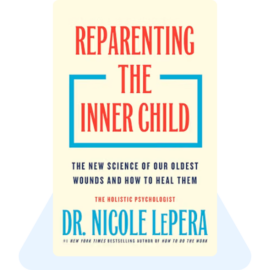
यही gap Dr. Nicole LePera की Reparenting the Inner Child: The New Science of Our Oldest Wounds and How to Heal Them भरने की कोशिश करती है। How to Do the Work की author की यह instant #1 New York Times bestseller childhood wounds को सिर्फ नाम देने से आगे जाकर उस कठिन लेकिन अधिक useful territory में प्रवेश करती है जहां healing वास्तव में practice की जाती है और जहां change का real site केवल thinking mind नहीं, बल्कि nervous system भी है।
अगर आप 2026 की best books में से personal growth और mindset transformation की reading list बना रहे हैं, तो यह self improvement books space की सबसे अधिक discussed titles में से एक है। इसका कारण भी साफ है। यह psychology of success, emotional healing और habit formation के intersection पर बैठती है, और उन readers से सीधे बात करती है जिन्हें कभी यह महसूस हुआ हो कि केवल willpower और insight किसी ऐसे pattern को तोड़ने के लिए पर्याप्त नहीं थे जिसे वे वर्षों से समझते आ रहे थे।
यह complete Reparenting the Inner Child book summary Dr. LePera की book के core philosophy, Four Pillars of Reparenting, key lessons और practical approach को विस्तार से समझाती है। साथ ही यह भी दिखाती है कि book का deep inner work Readers Books Club पर explore किए जाने वाले broader personal growth, meditation और manifestation work से कैसे connect होता है। चाहे आप decide कर रहे हों कि यह book आपके shelf पर होनी चाहिए या नहीं, या पूरे 384 pages पढ़ने से पहले genuine understanding चाहते हों, यह Nicole LePera book summary आपको practical और honest picture देगी।
इस Summary का Use कैसे करें
आगे बढ़ने से पहले साफ होना जरूरी है कि यह guide क्या है और क्या नहीं। यह Reparenting the Inner Child की structure, arguments और core ideas का detailed breakdown है, ताकि आप इसकी philosophy समझ सकें और देख सकें कि यह आपकी healing तथा personal growth journey में कहां fit होती है। यह full book का replacement नहीं है और न ही हर exercise, case story या guided reflection को sequence में reproduce करती है। अगर नीचे की ideas resonate करें, तो full book में Dr. LePera के complete tools, somatic practices और guided exercises उनकी अपनी language में मौजूद हैं और वे exercises सिर्फ पढ़ने के लिए नहीं, करने के लिए design की गई हैं।
इस summary को territory का एक clear, honest map समझें इतना detail कि आपको पता हो book क्या offer करती है, इतनी honesty कि आप decide कर सकें कि यह अभी आपके लिए right है या नहीं, और इतनी structure कि आप इसके core ideas को तुरंत apply करना शुरू कर सकें। Readers Books Club पर publish होने वाली हर book breakdown का यही spirit है।
About the Author: Dr. Nicole LePera कौन हैं?
Reparenting the Inner Child को समझने के लिए उस body of work को समझना helpful है जिस पर यह book build करती है। Dr. Nicole LePera, जिन्हें online “The Holistic Psychologist” के नाम से जाना जाता है, एक clinical psychologist हैं। उन्होंने Cornell University और The New School for Social Research से training ली और Institute for Modern Psychoanalysis of Philadelphia में further training की। Traditional one-hour-a-week therapy model तक सीमित रहने के बजाय, LePera nervous system regulation, attachment theory और trauma responses जैसे psychological concepts को plain, usable language में translate करने के लिए जानी गईं और इसी से #SelfHealers movement का निर्माण हुआ।
LePera को early stage में अलग बनाने वाली चीज़ थी clinical concepts के daily, digestible breakdowns सीधे general audience के लिए publish करना उस समय जब ऐसी language अधिकतर academic papers और therapy rooms के भीतर ही रहती थी। Day after day practical, plainly explained tools के साथ consistently show up करना millions की community का foundation बना। यह consistency उनकी books की philosophy से भी match करती है: meaningful change occasional motivation bursts से नहीं, continuous learning और steady daily practice से आता है।
उनकी पहली book How to Do the Work #1 New York Times bestseller बनी और millions of readers को यह idea दिया कि healing एक daily, active practice है, कोई single breakthrough moment नहीं। इसके बाद How to Be the Love You Seek आई, जो relational patterns पर focused थी, और companion workbook How to Meet Your Self भी आया। Reparenting the Inner Child इसी body of work का deeper next chapter है patterns पहली बार identify करने से कम और उन्हें वास्तव में change करने वाली repeatable practices पर अधिक focused।
इस subject पर LePera की credibility का एक reason उनका explicitly holistic approach है। वे emotional patterns को ऐसी चीज़ नहीं मानतीं जिसे केवल सोचकर बाहर निकला जा सके। Clinical training और years तक अपनी online community से यह सुनना कि किन tools ने lasting change create किया, उनकी approach को shape करता है। इसलिए book mind और body को एक ही healing process के inseparable हिस्सों की तरह treat करती है।
Reparenting the Inner Child किस बारे में है?
अपने core में Reparenting the Inner Child एक central argument रखती है: adult life में दिखने वाले irrational-feeling patterns shut down होना, over-explain करना, people-please करते-करते resentment build करना, good things को ठीक होने से पहले sabotage कर देना character flaws नहीं हैं। वे survival strategies हैं जिन्हें nervous system ने childhood में सीखा, कई बार उस उम्र में जब आपके पास यह describe करने के words भी नहीं थे कि आपके साथ क्या हो रहा था।
Growing up, LePera explain करती हैं, हमारे अलग-अलग parts को अलग responses मिले। कुछ parts को love और encouragement मिला। कुछ दूसरे parts anger, needs, sadness, boundaries silence, criticism या disapproval से मिले। उस environment में survive करने के लिए हमने adapt किया। कुछ लोगों ने approval earn करने के लिए over-perform करना सीखा। कुछ ने conflict avoid करने के लिए real feelings hide करना सीखा। कुछ ने small रहना सीखा ताकि वे ज्यादा space न लें। लगभग कोई भी childhood से इस तरह नहीं निकलता कि उसका हर part पूरी तरह welcomed रहा हो। हम love और lack के किसी mix के साथ बड़े होते हैं, और adult life में भी उन parts को protect करते रहते हैं जो कभी unsafe feel हुए थे।
Book का central promise इसी से आता है: आप childhood में जो हुआ उसे बदल नहीं सकते, लेकिन उन experiences का आज आपके भीतर कैसे living presence बना हुआ है और वे आपकी life को कैसे shape करते हैं, यह बदल सकते हैं। “Reparenting” का literal meaning यही है present में खुद को वह safety, attunement, structure और unconditional regard देना जो शायद पहली बार consistently नहीं मिला, ताकि nervous system finally एक नया pattern सीख सके।
Structure की दृष्टि से book purely theoretical text नहीं, बल्कि practical, exercise-driven guide है। हर chapter LePera के holistic framework को build करता है और अधिकांश chapters concrete practices journal prompts, somatic exercises और guided reflections के साथ close होते हैं। Purpose यह है कि reader सिर्फ pattern समझे नहीं, बल्कि body level पर different experience भी करे। LePera बार-बार स्पष्ट करती हैं कि awareness alone nervous-system pattern को change करने के लिए पर्याप्त नहीं।
Inner Child Wounds वास्तव में कहां से आते हैं?
Healing tools देने से पहले book readers को समझाती है कि patterns बनते कैसे हैं। यह grounding important है क्योंकि “inner child work” online इतना common phrase बन चुका है कि कभी-कभी उसका real meaning dilute हो जाता है। LePera केवल younger self imagine करके comforting hug देने वाली simplified version से आगे जाती हैं और developmental level पर क्या हुआ, उसका अधिक precise explanation देती हैं।
Children केवल physical survival के लिए adults पर depend नहीं होते, बल्कि यह सीखने के लिए भी depend करते हैं कि emotionally क्या express करना safe है। अगर child का anger punishment से meet होता है, तो nervous-system level पर वह सीखता है कि anger dangerous है सिर्फ idea की तरह नहीं, बल्कि physiological association की तरह। अगर needs inconsistency से meet होती हैं, तो child अक्सर दूसरों के moods को predict करने के लिए heightened anxious alertness develop करता है, क्योंकि कभी वह survival skill थी। Book इन्हें abstract theory नहीं मानती; इन्हें adult patterns की literal origin के रूप में दिखाती है arguments में shut down होना, resentment आने तक people-please करना, या relationships में unexplained tension feel करना।
यह reframe एक important emotional shift लाता है। जो patterns कभी personal failings लगते थे “too sensitive”, “too avoidant”, “too much” या “not enough” वे intelligent protective adaptations के रूप में दिखाई देने लगते हैं। जिस environment में वे बने, वहां उनका पूरा sense था। Problem तब शुरू होती है जब वह environment बदल चुका होता है, लेकिन nervous system ने अभी तक नहीं सीखा कि danger गुजर चुका है।
The Four Pillars of Reparenting
Book के structural heart में वह framework है जिसे LePera Four Pillars of Reparenting कहती हैं: Loving Discipline, Self-Care, Joy और Emotional Regulation। ये चार areas मिलकर यह map करते हैं कि adult life में खुद को वह consistent developmental foundation देना practical रूप से कैसा दिखता है जो कई लोगों को childhood में पूरी तरह नहीं मिला।
Loving Discipline यह idea address करता है कि healthy boundaries और structure खुद care का act हो सकते हैं, punishment नहीं। कई adults discipline को उस harsh, critical voice से जोड़ते हैं जिसके साथ वे बड़े हुए। Result में वे self-criticism या बिल्कुल no-structure के बीच swing करते हैं। LePera discipline को reliable, consistent follow-through के रूप में reframe करती हैं अपने commitments पर इस तरह show up करना जैसे secure, attuned parent child के लिए show up करता है, shame के बिना।
Self-Care इस framework में bubble baths और spa days से आगे जाता है। Real question यह है कि क्या आप consistently अपनी basic physical और emotional needs meet करते हैं। जो लोग बचपन में दूसरों की needs को अपनी needs से पहले रखने के आदी हुए, उनके लिए अपनी needs genuinely tend करना unfamiliar या guilt-inducing feel कर सकता है। इसलिए LePera इसे natural trait नहीं, deliberate practice से सीखी जाने वाली skill मानती हैं।
Joy को अलग pillar इसलिए रखा गया है क्योंकि कई readers में genuine pleasure और play की capacity growing up quietly discourage हुई होगी खासकर ऐसे homes में जहां seriousness, achievement या vigilance को lightness से ज्यादा reward मिला। Joy reclaim करना luxury नहीं; यह nervous system को signal देता है कि relax करना safe है, और यही healing का हिस्सा है।
Emotional Regulation nervous-system focus से सबसे directly जुड़ा pillar है। Difficult emotions के दौरान calm और grounded रहना fixed personality trait नहीं, learnable skill है। अगर growing up reliable models नहीं मिले कोई adult जो conflict में calm रहे, distress soothe करे बिना उसे shut down किए, या big emotions tolerate करे बिना overwhelmed हुए तो regulation difficult feel होना समझ में आता है। LePera का message है कि right, repeated practice के साथ यह gap किसी भी age में close किया जा सकता है।
The Nervous System Connection: केवल Insight Enough क्यों नहीं है?
Reparenting the Inner Child का सबसे distinctive element यह है कि यह emotional patterns को body से अलग नहीं करती। Anxious attachment, avoidant withdrawal, relationship close होते ही emotionally disappear हो जाना इन्हें fixed identities या character flaws नहीं, बल्कि nervous-system survival strategies की तरह देखा जाता है जो language विकसित होने से पहले सीखी गईं।
यहीं subtitle “the new science of our oldest wounds” relevant हो जाता है। LePera nervous system के threat-response और calming systems की basic architecture का use करके explain करती हैं कि pattern को intellectually understand करना उसे बदलता क्यों नहीं। Insight largely thinking brain में होती है, जबकि patterns अधिक automatic physiological level पर stored और triggered हो सकते हैं। यह जानना कि conflict में आप क्यों shut down होते हैं और यह होना कि body अब conflict में shut down न करे ये दो अलग चीज़ें हैं।
Book का शायद सबसे practically useful idea है “reparenting moments” छोटे, repeated, embodied experiences of safety जो time के साथ nervous system को नया pattern सिखाते हैं उसी तरह जैसे original wound repetition से सीखा गया था। Triggering situation में self-soothing का एक moment years-old pattern undo नहीं करेगा, लेकिन वही steadiness बार-बार offer करना धीरे-धीरे change create कर सकता है।
इसीलिए somatic tools breathwork, gentle movement, body-awareness practices optional extras नहीं माने जाते। वे journaling और cognitive reflection के साथ essential components हैं। LePera का broad point है: thinking alone उस चीज़ को नहीं बदल सकती जिसे body अभी भी feel करती है; body के experience को बदलने के लिए body के साथ directly work करना होता है।
The Attachment Style Foundation
Four Pillars के नीचे attachment theory की foundation चलती है यह idea कि earliest relationships हमें closeness, safety और conflict का template सिखाती हैं, जिसे हम unconsciously adult relationships में carry करते हैं। Book early stage में short self-assessment देती है ताकि readers identify कर सकें कि anxious, avoidant, secure या mixed attachment patterns में से कौन-सा उनके relationships में अधिक active है।
इसे permanent label की तरह present नहीं किया गया, बल्कि diagnostic starting point की तरह। Dominant attachment pattern समझना clarify करता है कि Four Pillars में से किस area पर अधिक deliberate attention चाहिए। Anxious pattern वाले reader को Emotional Regulation अधिक relevant लग सकता है क्योंकि perceived rejection पर nervous-system reactivity high हो सकती है। Avoidant pattern वाले reader को Joy और Self-Care challenging लग सकते हैं क्योंकि avoidant patterns कई बार emotional need minimize करने के आसपास develop होते हैं।
Key Lessons and Takeaways from Reparenting the Inner Child
Book के framework को साथ रखकर देखें तो कुछ core lessons खास तौर पर carry करने लायक हैं:
- आपके patterns कभी sense बनाते थे। Adult life में irrational लगने वाले behaviors shutting down, over-explaining, self-sabotage originally ऐसे intelligent adaptations थे जिनका childhood environment में protective purpose था।
- Insight healing की शुरुआत है, अंत नहीं। Pattern कहां से आया यह समझना जरूरी है, लेकिन nervous system को repeated, embodied experience चाहिए केवल intellectual understanding नहीं।
- Discipline love का act हो सकता है, punishment नहीं। Harsh self-criticism के बिना reliable follow-through वह structure create करता है जो secure childhood दे सकता था। Shame-based self discipline hard week में टूट सकती है, care-based discipline अधिक टिकाऊ होती है और केवल motivation पर depend नहीं रहती।
- Genuine self-care practiced skill है, personality trait नहीं। कई लोगों के लिए अपनी needs पहले attend करना lifetime pattern unlearn करने जैसा होता है।
- Joy और play healing का हिस्सा हैं, distraction नहीं। Lightness की capacity reclaim करना nervous system को safety signal देता है।
- Emotional regulation किसी भी age में सीखी जा सकती है। Calm response का early modeling न मिलना skill gap है, permanent character flaw नहीं।
- Attachment style starting point है, life sentence नहीं। Dominant relational pattern identify करना healing focus तय करने में मदद करता है, fixed identity बनाने में नहीं।
- Body उस चीज़ का record रख सकती है जिसे mind समझ चुका है। Breath, movement और physical awareness जैसे somatic tools journaling और reflection के साथ जरूरी हो सकते हैं।
- Reparenting छोटे repeated moments में होता है, एक dramatic breakthrough में नहीं। Lasting change तब आता है जब safety और structure खुद को consistent रूप से दिया जाए।
इन lessons को checklist से अधिक daily practice की तरह समझना useful है। Genuine self-belief केवल affirmation या hope से नहीं, बल्कि repeatedly खुद को अलग तरह से treat करने के lived experience से build होती है।
Book के पीछे की Psychology और Science
Reparenting the Inner Child academic textbook नहीं है, लेकिन इसके core arguments modern psychology के established areas पर draw करते हैं। Attachment theory early caregiver relationships adult expectations of closeness और safety को कैसे shape करती हैं decades of research वाला field है। People-pleasing, conflict avoidance और anxious reactivity जैसे adult patterns पर इसका application mainstream clinical understanding से broadly align करता है।
Nervous-system framing psychology और self improvement books में broader shift से भी जुड़ती है: trauma और chronic stress केवल cognitively नहीं, physiologically भी express होते हैं; इसलिए talk-based या insight-based approaches की limits हो सकती हैं जब pattern deeply physiological हो। यही कारण है कि book somatic tools को supplementary नहीं, essential treat करती है।
Internal Family Systems (IFS) एक therapeutic model जो mind को अलग “parts” के रूप में समझता है, जिनमें हर part ने किसी specific way में protect करना सीखा book पर clear influence है। Over-perform, hide या stay small करने वाले parts को eliminate करने की problems की तरह नहीं, बल्कि protectors की तरह compassion से देखा जाता है जिन्होंने available information और resources के साथ best किया।
Relationships से आगे यह Work क्यों Matter करता है: Leadership, Communication और Decision Making
हालांकि book personal और relational healing के around framed है, इसके core ideas professional life में भी directly carry हो सकते हैं। Emotional regulation effective leadership से closely जुड़ी है: conflict में grounded रहना, disagreement tolerate करना, defensiveness के बिना respond करना और pressure में react करने के बजाय respond करना team trust और psychological safety support कर सकता है।
Communication skills पर भी यही लागू होता है। Childhood adaptations conflict avoid करने के लिए over-explain करना, disapproval से बचने के लिए silent रहना, genuine need state करने के बजाय people-please करना workplace में लगभग वैसे ही दिखाई दे सकते हैं। जिसने early life में सीखा कि direct needs express करना safe नहीं, वह technically capable होने के बावजूद feedback देने, negotiate करने या expectations clearly set करने में struggle कर सकता है।
Pressure में decision making भी similar logic follow करती है। Fight, flight या freeze में frequently activated nervous system अधिक reactive short-term decisions ले सकता है, जबकि regulated state longer-term thinking access करने में मदद करती है। Continuous learning और success mindset भी regulation पर depend करते हैं defensive या anxious baseline में curious, coachable और feedback-open रहना difficult होता है। इस lens से देखें तो personal healing work professional growth को भी quietly support कर सकता है।
Common Criticisms and Limitations
कोई भी book हर reader के लिए perfect नहीं होती। Reparenting the Inner Child complex clinical concepts attachment theory, nervous-system regulation, Internal Family Systems को general-audience language में simplify करती है। Psychology background वाले readers को कुछ explanations clinical literature की तुलना में simplified लग सकती हैं। यह accessibility के लिए deliberate trade-off है।
कुछ readers ने note किया है कि middle sections repetitive feel हो सकते हैं क्योंकि कई chapters similar nervous-system concepts को slightly different angles से revisit करते हैं। Completely distinct frameworks चाहने वालों को यह padding लग सकता है; repetition से सीखने वालों के लिए वही reinforcement useful हो सकता है।
क्योंकि book quick cognitive reframes के बजाय slow, repeated nervous-system change पर focused है, acute distress से fast dramatic relief चाहने वालों को pace frustrating लग सकती है। यह crisis-intervention book नहीं है; यह deep-seated patterns को gradually change करने का long-term framework है और patience तथा consistent practice मांगती है।
किसे Reparenting the Inner Child पढ़नी चाहिए और किसे नहीं
यह book उन readers के लिए best suited है जिनमें अपने recurring patterns people-pleasing, conflict avoidance, self-sabotage, boundary difficulty की कुछ baseline awareness पहले से है और जो understanding से आगे embodied change की slower work में जाना चाहते हैं। LePera के earlier work से familiar readers या body और mind दोनों को central मानने वाले holistic approach में interested readers के लिए यह खास valuable हो सकती है।
Acute mental health crisis या severe trauma history से गुजर रहे readers के लिए licensed therapist के साथ material use करना अधिक appropriate हो सकता है। Book को ongoing self-work और जरूरत होने पर professional support के complement की तरह देखना चाहिए, clinical care के replacement की तरह नहीं।
आज से Apply करने के Practical तरीके
Summary तभी useful है जब वह action तक ले जाए। Book के core ideas को आज से apply करने के कुछ practical तरीके:
- एक pattern को बिना judgment name करें। Shutting down, over-explaining या people-pleasing जैसी recurring reaction choose करें और इस week simply notice करें, तुरंत fix करने की कोशिश किए बिना। Awareness without self-criticism पहला step है।
- Loving Discipline का एक छोटा act practice करें। खुद से किया कोई छोटा commitment चुनें और एक week consistently follow-through करें। Slip-up को उस compassion से treat करें जो secure parent learning child को देता।
- हर दिन genuine self-care का एक non-negotiable act रखें। Rest, movement या boundary जैसी actual need meet करने वाली चीज़ choose करें और उसे optional न मानें।
- बिना productive purpose के deliberately कुछ joyful schedule करें। Nervous system को experience करने दें कि lightness और safety allowed हैं।
- Triggering moment में simple somatic practice try करें कुछ slow breaths, feet को ground पर feel करना, physical sensation gently notice करना सिर्फ thinking से reaction solve करने के बजाय।
- Attachment style self-assessment early लें ताकि पता चले Four Pillars में से किसे अभी most deliberate attention चाहिए।
- जहां possible हो environment बदलें। Nervous-system regulation surroundings से heavily shaped होती है, केवल willpower से नहीं। Chaos या overstimulation reduce करना और calm cues add करना self-discipline sustain करना आसान बना सकता है।
- इस week एक छोटा “reparenting moment” खुद को दें पुराने trigger के समय brief self-soothing या self-validation यह समझते हुए कि lasting change single instance नहीं, consistency से आती है।
इनमें से कोई action अकेले dramatic नहीं है और यही book के larger argument से consistent है। Nervous-system change single breakthrough से नहीं, repeated practice से आता है।
A Simple Daily Check-In Framework
अगर एक repeatable structure साथ रखना हो तो Four Pillars के around short daily check-in करें: आज मैंने harshness या avoidance के बजाय Loving Discipline कहां offer की? मैंने अपनी कौन-सी real need meet की? क्या मैंने genuine joy experience करने दिया? Difficult emotion में मैंने regulate किया या old pattern take over कर गया? Brief और honest answers framework को abstract idea से concrete daily improvement practice में बदल देते हैं।
Reparenting the Inner Child का Manifestation, Meditation और Law of Attraction से Connection
Readers Books Club पर हम जिन books को cover करते हैं उनमें manifestation, meditation और Law of Attraction titles भी शामिल हैं। ये practices thoughts, beliefs और emotional state को desired life के साथ align करने पर focus करती हैं। Reparenting the Inner Child इस work की useful companion हो सकती है क्योंकि यह उस layer को address करती है जिसे manifestation content हमेशा directly name नहीं करता: childhood से बने scarcity, unworthiness या hypervigilance patterns में operating nervous system के साथ consistently “aligned” state hold करना difficult हो सकता है।
यह Dr Amiett Kumar की teaching के साथ editorially connect किया जा सकता है, जहां manifestation को केवल right affirmation repeat करना नहीं, बल्कि internally और externally more aligned version of self बनना समझाया जाता है। यदि nervous system old survival patterns पर चल रहा हो तो sincere visualisation या affirmation practice के साथ भी inner conflict feel हो सकता है।
इस lens से Reparenting the Inner Child manifestation और Law of Attraction work से separate नहीं, बल्कि complementary foundation की तरह पढ़ी जा सकती है। Abundance manifest करने की इच्छा के साथ उन parts को heal करना भी useful हो सकता है जिन्होंने early life में सीखा कि openly want करना unsafe है, या love और safety earn करने के लिए over-perform या shrink करना पड़ता है। Meditation और inner child work यहां naturally pair हो सकते हैं क्योंकि consistent meditation भी body को calm, present और less defended state practice कराती है। Personal growth library में inner healing को manifestation और spirituality resources के साथ pair करना balanced approach हो सकता है।
Other Personal Growth Classics से Comparison
Broader self improvement books और psychology space से familiar readers को Bessel van der Kolk की The Body Keeps the Score जैसी books से connection दिख सकता है, जो trauma के physiological storage और somatic work की बात करती है, या Lindsay Gibson की emotionally immature parents पर work से, जो under-attuned caregiving के adult patterns को explore करती है। LePera की book की distinction format में है: descriptive या clinical रहने के बजाय Four Pillars जैसे repeatable framework और chapter-by-chapter exercises general reader को practice के लिए दिए जाते हैं।
LePera के अपने earlier work से compare करें तो Reparenting the Inner Child clear evolution है। How to Do the Work patterns और origins की initial awareness build करने पर ज्यादा focused थी; यह book baseline awareness assume करती है और change के practical “how” somatic exercises, Four Pillars और guided reflections पर अधिक focus करती है। इसलिए first book insightful लगी लेकिन concrete tools कम लगे हों, तो यह natural next read हो सकती है।
Final Thoughts: क्या Reparenting the Inner Child पढ़ने लायक है?
Reparenting the Inner Child 2026 की चर्चित personal growth और mindset transformation books में जगह बनाती है क्योंकि यह उस problem को seriously लेती है जिसे बहुत self-help content gloss over करता है: pattern समझना और pattern बदलना दो अलग processes हैं और दोनों अलग work मांगते हैं। Book single dramatic breakthrough promise नहीं करती। इसके बजाय patient, structured, nervous-system-informed framework देती है जो time के साथ टिकने वाले change पर focused है।
अगर आपका focus childhood wounds heal करना, relationships improve करना, genuine emotional regulation build करना या more grounded, self-aware version of yourself बनना है, तो book generic affirmation से आगे practical tools देती है। यह readers से केवल better understanding नहीं, बल्कि repeatedly खुद को different तरीके से treat करने की practice मांगती है छोटे moments में, बार-बार, जब तक nervous system नया experience learn न कर ले।
यह book genuine रूप से उन readers के लिए है जिनमें existing self-awareness है और जो insight से embodied practice की ओर जाना चाहते हैं, holistic या somatic healing approaches में interested हैं, या LePera के earlier work से familiar हैं और deeper actionable tools चाहते हैं।
जो readers acute crisis या severe trauma से गुजर रहे हैं, उन्हें इसे licensed therapist के support के साथ use करना अधिक appropriate हो सकता है।
Best paired with: consistent meditation या breathwork practice, guided reflections के लिए personal journal, और outer goals पर work कर रहे readers के लिए complementary manifestation या Law of Attraction resource।
Contents