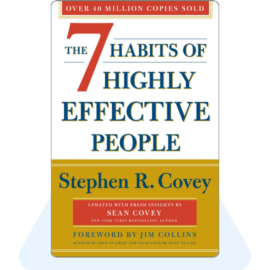
यह Book क्यों पढ़ी जाए? 40 Million Copies का राज़
1989 में, Stephen R. Covey ने एक ऐसी book लिखी जिसने दुनिया भर के लोगों की सोच बदल दी। The 7 Habits of Highly Effective People सिर्फ एक self-help book नहीं है यह एक complete framework है, एक ऐसा इंसान बनने के लिए जिसे genuine success मिलती है, जो टिकाऊ होती है, और जो सही कारणों से आती है।
आज, 35 साल बाद, यह book 50 languages में 40 million से ज़्यादा copies बेच चुकी है। दुनिया के top CEOs, leaders, athletes, और educators इसे अपनी सबसे influential books में गिनते हैं। और यहाँ Readers Books Club पर India की सबसे तेज़ी से बढ़ती books और personal development community हम मानते हैं कि हर serious reader को इस book से गहरी जगह मिला लेनी चाहिए।
इस book की एक ख़ास बात जो इसे दूसरी books से अलग करती है वह यह है कि Covey tactics नहीं, principles सिखाते हैं। Tactics समय के साथ पुरानी पड़ जाती हैं। Principles कभी नहीं। वह सात habits जो Covey describe करते हैं वह सिर्फ temporary behaviors नहीं हैं। वह character का expression हैं और जब इन्हें build किया जाता है तो वह इंसान की पूरी identity को transform कर देती हैं।
इस summary में, हम सातों habits को detail में समझेंगे क्या हैं, क्यों ज़रूरी हैं, और इन्हें आप अपनी ज़िंदगी में आज से कैसे apply कर सकते हैं। साथ ही हम यह भी देखेंगे कि यह book personal transformation और genuine manifestation के broader principles से कैसे connect होती है।
सबसे ज़रूरी बात: Paradigm Shift जो सब कुछ बदल देता है
Seven habits introduce करने से पहले, Covey एक ऐसी बात करते हैं जो सात habits से भी ज़्यादा important है: हमारा behaviour हमारे paradigms का product है वह mental maps और assumptions जिनके through हम दुनिया को देखते हैं। अगर आपका paradigm गलत है, तो कोई भी amount of effort, skill या strategy वह results produce नहीं करेगी जो आप चाहते हैं।
Covey दो चीज़ों में फ़र्क करते हैं: Personality Ethic और Character Ethic. Personality Ethic जो आज की most modern self-help में dominate करता है techniques, tips और social tactics पर focus करता है: confident कैसे दिखें, लोगों को influence कैसे करें। Character Ethic, जो Covey के अनुसार genuine effectiveness की actual foundation है, कुछ deeper पर focus करता है: integrity, humility, courage, justice वह qualities जो character बनाती हैं।
यह distinction सिर्फ philosophical नहीं है। इसके direct, practical consequences हैं। Personality Ethic-based techniques short term में काम करती हैं लोग impress हो जाते हैं, short-term results मिलते हैं लेकिन यह ultimately hollow हैं। जब circumstances मुश्किल हो जाते हैं, Personality Ethic collapse हो जाता है जबकि Character Ethic hold करता है। सात habits, Character Ethic की education हैं वह inside-out habits हैं जो पहले आपको transform करती हैं, फिर आपके relationships और world के साथ आपका engagement।
The 7 Habits एक गहरी समझ
Covey ने सात habits को एक specific sequence में arrange किया है जो arbitrary नहीं है। Habits 1, 2 और 3, Private Victory address करती हैं अपने आप पर mastery। Habits 4, 5 और 6, Public Victory address करती हैं दूसरों के साथ effectiveness। Habit 7 renewal address करती है खुद को consistently sharp रखने का practice।
| 01 Be Proactive अपनी ज़िंदगी का ज़िम्मेदार खुद लोThe Habit of Personal Vision | The Power of Choice Personal Vision की Habit | चुनाव की ताक़त |
| पहली और सबसे fundamental habit यह recognition है कि आप अपने circumstances का product नहीं हैं आप अपनी choices का product हैं। Proactive लोग समझते हैं कि किसी भी stimulus और उनके response के बीच एक gap होता है, और उस gap में ही उनकी freedom रहती है choose करने की। वह अपनी पूरी responsibility लेते हैं और अपनी energy उस चीज़ पर focus करते हैं जो उनके Circle of Influence में है। Reactive लोग सिर्फ complain करते हैं। Proactive लोग action लेते हैं। |
| 02 Begin With the End in Mind अंत को शुरुआत में देखोThe Habit of Personal Leadership | The Power of Vision Personal Leadership की Habit | Vision की ताक़त |
| दूसरी habit, clarity of vision और purpose के बारे में है। Covey आपको एक thought experiment करने को कहते हैं: imagine करें कि आप अपनी खुद की funeral attend कर रहे हैं। आप चाहते हैं कि वह क्या कहें? आप कैसा इंसान बनना चाहते हैं? आपने क्या फ़र्क डालना चाहते हैं? इन सवालों के जवाब आपका personal mission define करते हैं आपकी deepest values और long-term vision। यह leadership before management है। इसका मतलब है यह ensure करना कि आपकी ज़िंदगी की ladder सही wall पर लगी हो, चढ़ने से पहले। |
| 03 Put First Things First पहले ज़रूरी काम करोThe Habit of Personal Management | The Power of Discipline Personal Management की Habit | Discipline की ताक़त |
| तीसरी habit आपकी personal mission का execution है रोज़ की वह discipline जो actually सबसे ज़्यादा important है उसके अनुसार जीना। Covey एक simple लेकिन powerful tool introduce करते हैं: Time Management Matrix, जो activities को urgency और importance के basis पर organize करता है। Highly effective लोग deliberately Quadrant 2 में invest करते हैं: activities जो important हैं लेकिन urgent नहीं planning, learning, health, personal development। |
Habits 1, 2 और 3 के साथ आप Private Victory achieve कर लेते हैं independence। अब आप बाहरी circumstances या लोगों की opinions से control नहीं होते। अब आप ready हैं Public Victory की तरफ genuine interdependence और दूसरों के साथ effectiveness।
| 04 Think Win-Win सब के लिए अच्छा सोचोThe Habit of Interpersonal Leadership | Mutual Benefit Interpersonal Leadership की Habit | आपसी फ़ायदे की सोच |
| चौथी habit एक mutual benefit की philosophy introduce करती है यह belief कि हर interaction में, हर relationship में, हर negotiation में लगभग हमेशा एक ऐसा solution होता है जो सबके लिए अच्छा होता है। Win-Win एक compromise नहीं है जहाँ दोनों parties कुछ give up करती हैं। यह एक genuine third alternative है। Win-Win के लिए चाहिए: courage अपनी ज़रूरत clearly advocate करने के लिए, और consideration दूसरे की ज़रूरत को genuinely care करने के लिए। |
| 05 Seek First to Understand, Then to Be Understood पहले समझो, फिर समझाओThe Habit of Empathic Communication | The Power of Listening Empathic Communication की Habit | सुनने की ताक़त |
| पाँचवीं habit Covey के अनुसार सबसे important communication principle है। ज़्यादातर लोग reply करने की नियत से सुनते हैं। Empathic listening genuinely किसी को उनके अपने frame of reference से समझने की कोशिश एक सबसे rare और सबसे powerful human skill है। यह भी एक सबसे बड़ा gift है जो आप किसी को दे सकते हैं। इस habit के लिए एक fundamental shift चाहिए: कोई effective solution prescribe करने से पहले, diagnose करो कि problem actually है क्या। |
| 06 Synergise मिलकर कुछ नया बनाओThe Habit of Creative Cooperation | 1+1=3 Creative Cooperation की Habit | 1+1=3 |
| छठी habit सबसे exciting और सबसे misunderstood भी है। Synergy का मतलब compromise या conventional cooperation नहीं है। इसका मतलब है कि पूरा हिस्सा sum से ज़्यादा बड़ा होता है कि जब दो या ज़्यादा लोग genuinely अपने perspectives और strengths combine करते हैं, वह कुछ ऐसा create कर सकते हैं जो कोई भी अकेले नहीं कर सकता था। Synergy एक technique नहीं है। यह naturally emerge करता है जब Habits 4 और 5 genuinely practise की जाती हैं। |
| 07 Sharpen the Saw खुद को हमेशा तैयार रखोThe Habit of Self-Renewal | Keep the Saw Sharp Self-Renewal की Habit | आरी की नोक तेज़ रखो |
| सातवीं habit वह है जो बाकी सब को long term में possible बनाती है। Covey एक ऐसे लकड़हारे की image use करते हैं जो इतना busy sawing कर रहा है कि कभी saw sharpen नहीं करता। Saw sharpen करने का मतलब है regularly और consistently अपनी renewal में invest करना चार dimensions में: Physical (exercise, nutrition, rest), Social/Emotional (meaningful relationships), Mental (पढ़ना, सीखना, लिखना, सोचना), और Spiritual (values clarification, meditation, nature में time)। Habit 7 एक luxury नहीं है। यह वह foundation है जो बाकी सब habits को sustain करती है। |
Inside-Out Model: क्यों ज़्यादातर Self-Help काम नहीं करती
Covey के framework का सबसे important और सबसे frequently overlooked aspect उनका inside-out approach पर insistence है। दुनिया बहुत सारी outside-in advice से भरी पड़ी है: schedule बदलो, language बदलो, environment बदलो, और ज़िंदगी improve हो जाएगी। Covey argue करते हैं कि यह approach fundamentally limited है कि lasting, meaningful change outside-in से achieve नहीं हो सकती। वह inside-out से शुरू होती है।
practically इसका मतलब है कि जो काम आप अपनी effectiveness के लिए कर सकते हैं वह सबसे important काम invisibly होता है आपकी values में, आपके beliefs में, आपके character में, और आपके deepest commitments में। यह काम time लेता है। इसे fake या rush नहीं किया जा सकता। यह एक fundamental trustworthiness produce करता है ऐसी quality जो दूसरे लोग rely कर सकें, organizations build कर सकें।
Covey का central insight: आप एक significant life change sustain नहीं कर सकते जब तक वह character के significant change में rooted न हो। Effectiveness हमेशा inside से बाहर आती है।
The 7 Habits और Manifestation का गहरा Connection
इस book और genuine manifestation के principles के बीच एक profound और often unnoticed connection है यह ability कि आप intentionally और consistently वह results create कर सकें जो आप सबसे ज़्यादा चाहते हैं।
Dr. Amiett Kumar consistently सिखाते हैं कि किसी भी चीज़ को truly manifest करने की ability चाहे wealth हो, success हो, meaningful relationships हों, या personal mastery primarily desire या strategy का function नहीं है। यह character का function है। आपकी daily choices कितनी consistently आपकी deepest values के साथ aligned हैं यही decide करता है कि आप actually क्या create कर पाते हैं।
यही Covey का inside-out model describe करता है। Habit 1 (Be Proactive) उस personal responsibility की foundation है जो किसी भी genuine manifestation को possible बनाती है। Habit 2 (Begin With the End in Mind) conscious intention की art है एक clear और vivid vision hold करना कि आप क्या create करना चाहते हैं। यह सिर्फ productivity habits नहीं हैं। यह effective, sustainable manifestation की cognitive और emotional foundations हैं।
Dr. Amiett Kumar की teachings और Covey के framework के बीच जो alignment है वह coincidental नहीं है। दोनों उसी deep truth से draw कर रहे हैं: हम जितना typically achieve करते हैं उससे कहीं ज़्यादा capable हैं, और हमारे potential और results के बीच gap लगभग हमेशा ability का gap नहीं character, clarity और consistency का gap है। सात habits systematically उस gap को close करने का programme हैं।
Key Concepts जो हमेशा याद रहेंगे
Emotional Bank Account विश्वास का खाता
Covey हर important relationship को एक Emotional Bank Account की तरह describe करते हैं दो लोगों के बीच जो trust, goodwill और mutual respect exist करता है उसका एक metaphor। जैसे एक financial bank account deposits से build होता है और withdrawals से deplete होता है, एक Emotional Bank Account भी उसी तरह काम करता है। Deposits हैं: promises keep करना, kindness दिखाना, honest रहना, loyal रहना। Withdrawals हैं: promises तोड़ना, rudeness, dishonesty।
यह concept immediately applicable और profoundly clarifying है। बहुत सारी relationship problems जो complicated लगती हैं वह actually simple हैं इस lens से देखा जाए: account overdrawn है। Trust चला गया है। और इसे rebuild करना चाहिए time के साथ consistent, patient, genuine deposits से कोई shortcuts नहीं हैं। छोटी चीज़ों की अहमियत courtesy, reliability बहुत ज़्यादा होती है।
P और PC Production और Production Capability का Balance
Covey, Aesop की वह कहानी use करते हैं सोने के अंडे देने वाली हंस की। जो आदमी ने हंस को मार दिया सारे अंडे एक बार में पाने के लिए उसने अंडे की source ही ख़त्म कर दी। यह Production (P) वह results जो आप चाहते हैं और Production Capability (PC) वह asset या capacity जो वह results produce करता है के बीच balance maintain न करने की classic failure है।
यह principle ज़िंदगी के हर domain में apply होता है। जो executive 90-hour weeks काम करता है वह PC अपनी health destroy करके short-term results ले रहा है। Habit 7 (Sharpen the Saw) इस P/PC balance को lifetime में consistently maintain करने का Covey का prescription है।
Maturity Continuum Dependence से Interdependence तक
Covey human development को एक progression के रूप में describe करते हैं: Dependence (मुझे तुम्हारी ज़रूरत है) से Independence (मैं यह खुद कर सकता हूँ) से Interdependence (हम मिलकर कुछ ऐसा कर सकते हैं जो कोई भी अकेले नहीं कर सकता)। ज़्यादातर self-help, Independence celebrate करती है। लेकिन Covey argue करते हैं कि genuine effectiveness की highest level Independence नहीं है यह Interdependence है।
7 Habits को आज से अपनी ज़िंदगी में कैसे Apply करें
The 7 Habits पढ़ना enough नहीं है। Covey का framework application माँगता है, और application के लिए किसी specific जगह से शुरू करना पड़ता है।
| Week 1 | Habit 1: जब भी कुछ गलत हो या frustrate करे, respond करने से पहले रुकें। पूछें: क्या यह मेरे Circle of Influence में है? |
| Week 2 | Habit 2: एक personal mission statement लिखें। लंबा perfect नहीं होना चाहिए सिर्फ honest। आप क्या represent करते हैं? |
| Week 3 | Habit 3: एक हफ्ते के लिए track करें आप अपना time चारों quadrants में कैसे spend करते हैं। |
| Week 4 | Habits 4 & 5: अपनी अगली significant conversation में, पहले दूसरे की position genuinely समझना अपना goal बनाएँ अपना position state करने से पहले। |
| Ongoing | Habit 7: चारों renewal dimensions में से हर एक में daily practice commit करें। 20 minute exercise, 30 minute reading, 10 minute reflection। |
7 Habits apply करने के बारे में key insight यह है कि आपको सातों एक साथ implement नहीं करने हैं। Habit 1 से शुरू करें। हर habit को internalize होने में समय लगता है, और उसी समय का investment इसे एक permanent habit बनाता है न कि सिर्फ एक temporary behavior।
यह Book किसे पढ़नी चाहिए? सबको!
इसका honest जवाब है: almost सबको। The 7 Habits genuinely universal है अपने application में। यह principles उतनी ही force से apply होती हैं एक 22-साल के नौजवान पर जो यह figure out कर रहा है कि वह कौन बनना चाहता है, जितनी एक 45-साल के executive पर जो अपनी career rethink कर रहा है, या एक parent पर जो अपने बच्चों के साथ ज़्यादा meaningful relationship build करना चाहता है।
अगर आपने यह book कभी नहीं पढ़ी अभी पढ़ो। अगर आपने सालों पहले पढ़ी थी फिर से पढ़ो। अगर आपने इसे कई बार पढ़ा है, तो अगला step है identify करना कि आपकी life में अभी कौन सी एक habit सबसे weak है और अगले 90 दिन के लिए वहाँ अपनी energy focus करना।
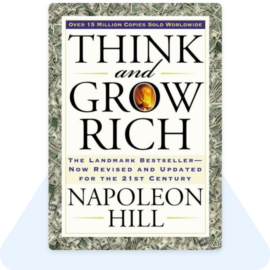
Readers Books Club की recommendation: इस book को Napoleon Hill की Think and Grow Rich, James Clear की Atomic Habits, और Viktor Frankl की Man’s Search for Meaning के साथ pair करें personal effectiveness का complete education मिलेगा।
अंतिम बात: वह Habits जो एक पूरी ज़िंदगी बनाती हैं
The 7 Habits of Highly Effective People एक ऐसी book नहीं है जिसे आप एक बार पढ़ें और रख दें। यह एक ऐसी book है जिसे आप पढ़ते हैं, सोचते हैं, वापस आते हैं, और सालों और दशकों तक साथ लेकर चलते हैं। सात habits सात अलग ideas नहीं हैं यह एक single, integrated approach के सात facets हैं: एक approach जो character पर grounded है, vision से oriented है, daily discipline में expressed है, और ongoing renewal से sustained है।
Stephen Covey ने यह book इस belief के साथ लिखी थी कि effectiveness teachable है। कि वह qualities जो लोग genuinely great leaders, genuinely great parents, genuinely great इंसान बनाती हैं वह randomly distribute gifts नहीं हैं। वह habits हैं behaviors consistently practise किए जाते हैं जब तक वह character का expression न बन जाएँ। और इसका मतलब है वह हर उस इंसान के लिए available हैं जो यह words पढ़ रहा है।
आप fixed नहीं हैं। आपका character आपके past, आपके circumstances, या आपकी current limitations से determine नहीं होता। यह आपके choices से determine होता है उन habits से जो आप आज और हर रोज़ build करने का decide करते हैं। सात habits उस building process का map हैं। और यह journey जो एक पूरी lifetime लेती है एक single step से शुरू होती है।
वह step अभी लो। इस book के साथ। इस community के साथ। और इस conviction के साथ कि सबसे important project जो आप कभी undertake करेंगे वह वह इंसान बनाना है जो आप choose कर रहे हैं बनने के लिए। जैसे Covey ने खुद कहा: “We are not human beings having a spiritual experience. We are spiritual beings having a human experience.” इसी के अनुसार जियो।
Readers Books Club के बारे में
Readers Books Club India का fastest-growing platform है book summaries, personal development content, और conscious living के लिए YouTube, Spotify, Apple Podcasts, और www.readersbooksclub.com पर available। हर हफ्ते, हम दुनिया की most important books लाते हैं clearly summarized, deeply discussed, और real लोगों की real lives पर applied। Dr. Amiett Kumar जैसे thought leaders से inspired, और इस belief के साथ कि कोई भी manifest anything कर सकता है जो वह genuinely और consistently commit करता है।
Contents