Introduction: यह Short Book आज इतनी Relevant क्यों लगती है
आप अपना phone सिर्फ एक message का reply देने के लिए उठाते हैं। एक notification आपको दूसरी app में खींच लेती है। एक short video देखते-देखते दस हो जाते हैं। फिर आप email check करते हैं, shopping tab खोलते हैं, news refresh करते हैं, और पता ही नहीं चलता कि तीस मिनट कहाँ चले गए। जब आप आखिरकार उस काम पर लौटते हैं जिसे करने का plan था, तो वह task अजीब तरह से dull लगता है। आपको पता है कि वह important है, लेकिन आपका attention कुछ faster, easier, newer और more stimulating चाहता है।
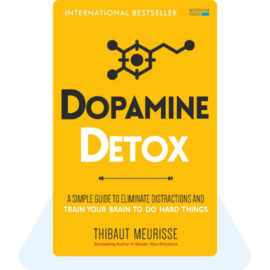
यही वह problem है जिसे Thibaut Meurisse अपनी book Dopamine Detox: A Short Guide to Remove Distractions and Get Your Brain to Do Hard Things में address करते हैं। यह उनकी Productivity Series का हिस्सा है और एक simple promise के आसपास बनी है: overstimulation कम करें, अपना Focus वापस लें, और important tasks शुरू करना आसान बनाएं। इसकी public audiobook description इसे उन लोगों के लिए एक practical guide बताती है जो procrastinate करते हैं, restless feel करते हैं, meaningful goals पर focus नहीं कर पाते, और बार-बार demanding work की जगह easy stimulation चुन लेते हैं।
‘Dopamine Detox’ title catchy है, लेकिन आगे बढ़ने से पहले एक scientific clarification जरूरी है। Dopamine कोई toxin नहीं है, और आप इसे literally अपने brain से detox नहीं कर सकते। Dopamine एक normal neurotransmitter है जो motivation, learning, movement, attention और reinforcement में शामिल होता है। Harvard Health ने भी बताया है कि popular phrase ‘dopamine fasting’ misleading हो सकता है अगर इसे literal sense में लिया जाए। इस idea का useful हिस्सा behavioral है: compulsive, high-stimulation habits से थोड़े समय के लिए दूरी बनाइए ताकि अपने triggers notice कर सकें और attention के साथ healthier relationship rebuild कर सकें।
Readers Books Club की यह summary Meurisse की book की practical spirit को बनाए रखते हुए metaphor और neuroscience के बीच distinction clear करती है। Aim pleasure, smartphones, entertainment, food या social media को demonize करना नहीं है। Aim यह है कि आप ऐसी state में जीना बंद करें जहाँ हर difficult task सबसे आसान available reward से हार जाता है। अगर आपको कभी लगा है कि books पढ़ने, meditate करने, study करने, लिखने, deep work करने या present रहने की ability constant stimulation की वजह से कमजोर हो गई है, तो यह framework explore करने लायक है।
Readers Books Club का core idea books के अंदर के ideas को actions में बदलना है जिन्हें लोग use कर सकें। यहाँ यह खास important है। Focus पर book भी एक और content बन सकती है जिसे आप उस work से बचते हुए consume कर लें जिसके लिए Focus चाहिए। इसलिए पढ़ते समय एक question अपने साथ रखें: इस summary के बाद मैं वास्तव में क्या बदलूँगा/बदलूँगी?
Book at a Glance: Dopamine Detox किस बारे में है
Dopamine Detox Thibaut Meurisse ने लिखी है, जो personal-development author हैं और mindset, productivity, goals, habits, motivation, meditation और self-awareness जैसे topics पर काम करते हैं। Apple Books Dopamine Detox को उनकी Productivity Series की Book 1 के रूप में list करता है, जबकि Audible इसे overstimulation कम करने और ‘48 hours or less’ में Focus वापस पाने की guide के रूप में describe करता है। इसके central concerns हैं distractions, procrastination, Focus, stimulation और meaningful लेकिन demanding work करने की difficulty।
Book की strength उसकी simplicity है। यह neuroscience textbook नहीं है। यह एक short self-improvement guide है जो आपको अपने environment को देखने और पूछने के लिए design की गई है कि easy rewards बार-बार important goals को क्यों हरा देते हैं। इसकी public description dopamine को समझने, stimulation कम करने, distractions eliminate करने, Focus improve करने और key tasks पर टिके रहने के practical exercises highlight करती है।
इसे पढ़ने का सबसे useful तरीका यह नहीं है कि आप इसे medical claim मानें कि ‘dopamine levels reset’ किए जा सकते हैं, बल्कि इसे productivity framework की तरह देखें: unnecessary stimulation कम करें, distractions के आसपास friction create करें, important work में enter करना आसान बनाएं, और deep Focus से पहले आने वाली boredom या discomfort को tolerate करना practise करें।
यही framing यह भी बताती है कि यह book Readers Books Club के topics जैसे Atomic Habits, Deep Work, Digital Minimalism, mindfulness, meditation, personal growth, coaching और life lessons के साथ naturally क्यों fit होती है। Book छोटी हो सकती है, लेकिन जिस problem को address करती है वह modern attention की defining problems में से एक है।
Dopamine वास्तव में क्या करता है – और ‘Detox’ शब्द Misleading क्यों हो सकता है
Dopamine को अक्सर ‘pleasure chemical’ कहा जाता है, लेकिन यह label incomplete है। U.S. National Institute on Drug Abuse और major medical references के अनुसार dopamine reward, motivation, learning, attention, movement और behaviors के reinforcement में involved है। जब कोई चीज rewarding feel होती है या reward predict करती है, dopamine-related circuits brain को यह सीखने में help करते हैं कि क्या repeat करने लायक है।
यह useful है। Healthy reward system आपको learn करने, खाने, socialise करने, goals pursue करने, explore करने और important behaviors repeat करने में help करता है। Problem dopamine नहीं है। Problem यह है कि modern environments बेहद convenient rewards offer करते हैं: notifications, short videos, gaming, shopping, endless feeds, pornography, junk food, breaking news और constant novelty। आप बिना effort या delay के एक reward cue से दूसरे reward cue पर जा सकते हैं।
Literal ‘dopamine detox’ biological sense नहीं बनाता। आपको dopamine की जरूरत है। Instagram एक weekend avoid करने से आप इसे brain से flush नहीं कर सकते। Harvard Health ने dopamine fasting को misunderstanding बताया है जब लोग इसे dopamine lower या cleanse करने के रूप में interpret करते हैं। Dopamine fasting के original behavioral idea का संबंध भी neurotransmitter remove करने से नहीं बल्कि cognitive behavioral therapy जैसी principles के जरिए impulsive behaviors कम करने से ज्यादा था।
इसलिए जब यह summary ‘reset your brain’ phrase use करती है, तो इसे habits, attention, environment और stimulation के around expectations reset करने का metaphor समझें। आप dopamine drain नहीं कर रहे। आप उन cues की संख्या कम कर रहे हैं जो repeatedly आपको instant gratification की ओर खींचते हैं, ताकि slower और more meaningful rewards को फिर से choose करना practise कर सकें।
यह distinction book को कम useful नहीं बल्कि ज्यादा useful बनाता है। Notifications off करने, phone के बिना पढ़ने, entertainment से पहले difficult work करने या boredom के साथ बैठना सीखने के लिए pseudoscience की जरूरत नहीं। ये अपने आप में practical attention-management strategies हैं।
| Science CheckDopamine toxin नहीं है और सिर्फ “pleasure chemical” भी नहीं। यह motivation, learning, attention, movement और reinforcement support करता है। “Detox” को behavior और stimulation change करने का shorthand समझें, dopamine remove करने का नहीं। |
Lesson 1: Overstimulation Important Work को बहुत Quiet महसूस करा सकती है
Dopamine Detox से जुड़ा strongest idea overstimulation है। अगर आपका दिन rapid novelty से भरा है, तो ordinary tasks जो meaningful life बनाते हैं painfully slow लग सकते हैं। एक chapter पढ़ना, study करना, presentation prepare करना, exercise करना, लिखना, budget बनाना, skill practise करना या meditate करना immediate reward नहीं देता। ये activities आपसे कहती हैं कि reward आने से पहले कुछ देर टिके रहें।
इसे feed से compare करें। Next image instantly आ जाती है। Next message social approval ला सकता है। Next headline threat या surprise दे सकता है। Next video सिर्फ एक swipe दूर है। जब attention बार-बार fast-changing rewards पर train होता है, slow tasks कम compelling लग सकते हैं even when intellectually आप जानते हैं कि वे ज्यादा valuable हैं।
Meurisse का practical message stimulation lower करना है ताकि attention को recover करने का chance मिले। आपको life joyless नहीं बनानी। आपको contrast चाहिए। अगर हर spare second entertainment से भर दिया जाए, तो empty space ही नहीं बचता जिसमें reading, reflection, creativity या difficult work फिर से rewarding बन सके।
एक experiment try करें: waking के बाद first hour में entertainment feeds, short-form video, unnecessary news और random browsing avoid करें। उस time को breakfast, movement, planning, meditation, journaling या एक important task के लिए use करें। Observe करें कि novelty से flood होने से पहले आपका mind calmer feel करता है या नहीं।
Lesson यह नहीं कि ‘pleasure bad है।’ Lesson यह है कि ‘constant stimulation की cost होती है।’ Focus तब आसान होता है जब हर quiet moment को किसी louder चीज से compete नहीं करना पड़ता।
Lesson 2: Instant Gratification आसान है; Meaningful Rewards Delay होते हैं
लोग जिन goals की care करते हैं उनमें से बहुत से delayed rewards से build होते हैं। Strong body repeated workouts मांगती है। Business repeated offers, conversations, mistakes और improvements मांगता है। Book pages मांगती है। Meditation attention को बार-बार वापस लाने से develop होती है। Financial stability ऐसे choices पर depend करती है जो आज exciting नहीं लग सकते। Relationships ऐसी conversations और consistency पर depend करते हैं जो fantasy से कम stimulating हैं।
Instant gratification timeline उलट देती है। यह छोटा reward अभी देती है और अक्सर cost बाद में भेजती है। अभी doomscroll करें, बाद में sleep lose करें। अभी impulse-buy करें, बाद में budget regret करें। अभी difficult task skip करें, deadline आने पर stress feel करें। अभी one more episode देखें, कल tired उठें।
Book reader को इस trade के प्रति conscious बनने के लिए encourage करती है। हर distraction का कोई reward होता है, वरना आप उसे repeat नहीं करते। Question यह है कि क्या reward cost के लायक है। जब आप समझते हैं कि habit से क्या मिल रहा है – relief, novelty, connection, avoidance, excitement, validation – तो same need meet करने का दूसरा तरीका खोज सकते हैं।
Useful exercise है two-column test. Left side लिखें ‘Immediate reward.’ Right side लिखें ‘Long-term cost.’ अपनी top three distractions के लिए यह करें। फिर एक difficult habit के लिए इसे reverse करें: ‘Immediate cost’ और ‘Long-term reward.’ यह exercise vague guilt को clear decision में बदलती है।
Self-improvement अक्सर यह choose करने की ability है कि कौन-सी timeline ज्यादा matter करती है। Responsibly interpreted Dopamine Detox एक short period है जिसमें आप long-term timeline को देखना आसान बनाते हैं।
Lesson 3: आपका Environment Motivation से Stronger हो सकता है
लोग अक्सर मानते हैं कि distraction का solution stronger willpower है। लेकिन willpower को same cues के against बार-बार fight करना पड़ता है। अगर phone laptop के beside पड़ा है, notifications screen पर आते हैं, social apps logged in हैं और entertainment one click away है, तो आप attention से daily hundreds of tiny battles जीतने की उम्मीद कर रहे हैं।
Better strategy environmental design है। Battle शुरू होने से पहले remove करें। Focus block के दौरान phone दूसरे room में रखें। Non-essential notifications disable करें। Trap करने वाली websites से log out करें। Study या Deep Work के दौरान website blockers use करें। जिस book को पढ़ना चाहते हैं उसे visible रखें और distracting device को less convenient बनाएं।
Smartphone distraction पर research general principle support करती है कि devices attention pull कर सकते हैं। Experimental work में notifications performance disrupt कर सकती हैं, और कुछ studies suggest करती हैं कि smartphone की mere presence भी कुछ tasks में cognitive performance reduce कर सकती है। इसका मतलब phones universally harmful नहीं; इसका मतलब attention cues के प्रति sensitive है।
Readers Books Club readers इसे reading पर directly apply कर सकते हैं। ‘Book-first environment’ बनाएं। जहाँ हाथ normally phone की ओर जाता है वहाँ physical book रखें। उसके पास notebook रखें। Phone कमरे के दूसरी तरफ charge करें या bedroom के बाहर रखें। New environment desired behavior को default distraction से आसान बनाना चाहिए।
Motivation hour-to-hour बदलती है। Environment suggestions देता रहता है। Ensure करें कि आपका environment उस life को suggest करे जिसे आप वास्तव में चाहते हैं।
Lesson 4: Boredom कोई Emergency नहीं है
Modern technology ने boredom से escape करना unusually easy बना दिया है। Queue में wait कर रहे हैं? Phone. Cab में बैठे हैं? Phone. अकेले खाना? Video. Walk? Podcast. Bed पर? Feed. Thirty-second pause भी stimulation search करने का reflex trigger कर सकता है।
Cost subtle है। अगर boredom का हर trace instantly remove कर दिया जाए, तो आप low stimulation के साथ रहना practise ही नहीं करते। फिर difficult work के early stages intolerable लगने लगते हैं। Textbook slow लगता है। Meditation session restless लगता है। Long conversation demanding लगती है। Book reel से हार जाती है क्योंकि reel कम patience मांगती है।
Dopamine Detox अक्सर इसलिए useful feel होती है क्योंकि वह boredom वापस introduce करती है। Punishment की तरह नहीं, training की तरह। आप discover करते हैं कि urge rise और fall कर सकती है बिना obey किए। Line में खड़े रह सकते हैं बिना app खोले। एक meal screen के बिना खा सकते हैं। Ten-minute walk बिना audio कर सकते हैं। Work begin करने से पहले restlessness feel कर सकते हैं बिना उसे escape command समझे।
Meditation यहाँ naturally fit करती है। Meditation के दौरान mind wander करता है, thoughts generate करता है और कुछ more interesting खोजता है। Practice है notice करना और return करना। NCCIH mindfulness को focused attention और present-moment awareness से जोड़ता है, और research suggest करती है कि यह कुछ लोगों में stress और sleep में help कर सकती है। यह magical concentration hack नहीं, लेकिन वह exact skill practise करने में help कर सकती है जिसे distraction weaken करती है: impulse notice करना before acting।
Boredom space create करती है। उस space में idea, emotion, avoided problem या बस still रहने की ability discover हो सकती है। हर gap fill मत करें।
Lesson 5: Easy Rewards से Brain Flood करने से पहले Hard Thing करें
Book से मिलने वाले सबसे practical lessons में sequencing है। आप पहले क्या करते हैं, इससे बाद में क्या attractive लगता है वह बदलता है। अगर morning forty minutes fast entertainment से start होती है, demanding task पर switch करना brakes slam करने जैसा लग सकता है। अगर demanding task से start करते हैं, attention ने अभी novelty chase करते हुए hour spend नहीं किया होता।
‘Hard thing first’ rule try करें। वह one task identify करें जो day को meaningful बना देगा: chapter study करना, proposal लिखना, presentation rehearse करना, video edit करना, sales call करना, exercise करना या thirty minutes focused creation complete करना। Recreational scrolling से पहले उसे करें।
Task huge होना जरूरी नहीं। Point priority है। Even twenty-five protected minutes आपके work के साथ relationship बदल सकते हैं क्योंकि आप prove करते हैं कि entertainment automatically आपका best attention receive नहीं करेगी।
यह idea students, creators, entrepreneurs, coaches, professionals और हर उस व्यक्ति के लिए useful है जिसका work concentration पर depend करता है। यह personal growth के पीछे identity support करती है: मैं वह व्यक्ति हूँ जो easy stimulation से reward करने से पहले important work कर सकता/सकती हूँ।
Reward अभी भी allowed है। Detox life sentence नहीं। आप day को order सिखा रहे हैं: purpose first, entertainment second – entertainment तब तक नहीं जब तक purpose urgent न बन जाए।
Lesson 6: Procrastination अक्सर आपको Discomfort से Protect करती है
Procrastination को laziness कहना easy है, लेकिन difficult tasks emotional discomfort trigger करते हैं: uncertainty, fear of failure, confusion, perfectionism, boredom या possibility कि current skill enough नहीं। Distraction fast relief offer करती है।
इसीलिए task difficult होते ही phone attractive हो जाता है। आप जरूरी नहीं pleasure seek कर रहे; शायद discomfort से escape कर रहे हैं। Message check करने का reward यह है कि अगले thirty seconds stuck feel नहीं करना पड़ता।
Useful Dopamine Detox approach पूरे task से negotiation बंद करना है। Smallest visible next action define करें। ‘Report finish’ नहीं, ‘document खोलकर first heading लिखना.’ ‘Chemistry study’ नहीं, ‘question one solve करना.’ ‘Business build’ नहीं, ‘one follow-up भेजना.’
फिर short focus sprint use करें। Timer ten या twenty-five minutes का रखें। Window के दौरान boredom, confusion और imperfection allowed हैं। केवल rule है कि high-stimulation escape पर switch नहीं करेंगे।
यहीं Coaching help कर सकती है। Life Coach या performance coach identify करने में help कर सकता है कि real problem distraction है, unclear priorities हैं, fear है, poor systems हैं या unrealistic workload। Instagram remove करने से undefined goal fix नहीं होगा। Best system actual bottleneck solve करता है।
Lesson 7: Goal Zero Dopamine नहीं – More Intentional Reward है
‘Dopamine fasting’ के extreme versions कभी-कभी लोगों को लगभग हर pleasurable activity avoid करने के लिए कहते हैं: conversation, music, exercise, good food, reading या even eye contact। यह necessary नहीं है, और science dopamine को जितना possible हो suppress करने को support नहीं करती।
Better goal intentional reward है। उन activities को रखें जो life enrich करती हैं और उन activities को reduce करें जो repeatedly hijack करती हैं। Walk rewarding और healthy हो सकती है। Reading rewarding हो सकती है। Cooking rewarding हो सकती है। Friends के साथ time rewarding हो सकता है। Exercise, meditation, creativity, nature, music, meaningful work और spirituality rich life का हिस्सा हो सकते हैं।
Question यह है कि reward आपको stronger छोड़ता है या more fragmented। क्या activity restore करती है, connect करती है, teach करती है, body move कराती है, relationship deepen करती है या कुछ create करती है? या restless छोड़ती है और तुरंत next novelty search करवाती है?
Readers Books Club version of Dopamine Detox anti-joy challenge नहीं बननी चाहिए। इसे value filter बनना चाहिए। Low-quality stimulation को higher-quality engagement से replace करें। Endless clips की जगह chapter। Reactive checking की जगह planned call। Compulsive shopping की जगह walk या journal entry। Background noise की जगह ten minutes silence।
आप अपनी इच्छा के against monk बनने की कोशिश नहीं कर रहे। आप pleasure को अपनी life serve कराना चाहते हैं, quietly direct नहीं।
Lesson 8: Focus को Repetition से Rebuild करें, One Dramatic Weekend से नहीं
48-hour reset useful हो सकता है क्योंकि contrast देता है। Usual triggers गायब होने पर क्या होता है वह notice करते हैं। देखते हैं hand कितनी बार automatically phone की ओर जाती है। Entertainment remove होने पर कौन-सी emotions आती हैं। शायद earlier sleep करें, more read करें या work simply इसलिए easier लगे क्योंकि competing options fewer हैं।
लेकिन two days permanently life redesign नहीं कर सकते अगर Monday same environment वापस दे। Short detox का real value information है। कौन-सी app hardest थी avoid करना? कौन-सा time strongest urge लाया? कौन-सा task आखिर complete हुआ? कौन-सी lower-stimulation activity genuinely अच्छी लगी?
इस information से permanent rules बनाएं। शायद social media home screen से बाहर रहे। शायद phone bedroom में कभी न आए। शायद news lunch पर once check करें all morning नहीं। शायद workday के first ninety minutes notification-free हों। शायद evening entertainment से पहले ten pages पढ़ें।
Habit change repetition है। New behavior ordinary days survive करना चाहिए, सिर्फ motivational weekends नहीं। Sustainable plan distractions के लिए slightly inconvenient और meaningful work के लिए easy enough होना चाहिए कि low-energy days पर भी repeat हो।
‘Reset’ one-time neurological event नहीं। यह वह moment है जब आप habits को बिना review run होने देना बंद करते हैं।
Readers Books Club 48-Hour Dopamine Detox Plan
Meurisse की book की public description short, practical detox और 48 hours में Focus regain करने पर जोर देती है। नीचे दिया गया Readers Books Club plan उस theme को safe, realistic behavioral reset में translate करता है। यह medical protocol नहीं है और dopamine itself lower करने की कोशिश नहीं करता।
Begin करने से पहले choose करें कि two days के लिए किन behaviors को pause या tightly limit करना है। Good candidates वे activities हैं जिन्हें आप repeatedly without intention use करते हैं: short-form video, social feeds, gaming, online shopping, pornography, compulsive news checking, random YouTube browsing या constant email refresh। Prescribed medication, necessary work communication, meals, exercise, relationships या healthy recreation remove न करें।
Day 1 morning: cues remove करें। Non-essential notifications disable करें। Worst apps से log out करें। Phone reach से बाहर रखें। Day की top three priorities लिखें। Recreational media से पहले one focus block complete करें।
Day 1 afternoon: gap tolerate करें। One meal screen के बिना लें। At least ten-minute walk without entertainment करें। Physical book twenty minutes पढ़ें। उन moments को notice करें जब stimulation चाहिए और trigger लिखें: boredom, stress, loneliness, fatigue, uncertainty या habit।
Day 1 evening: intensity reduce करें। Bed से final hour पहले fast-moving entertainment avoid करें। Journal करें क्या notice किया। Automatically किस चीज तक पहुंचे? Distraction unavailable होने से कौन-सा काम finally किया?
Day 2 morning: protected start repeat करें। Five to ten minutes meditation या quiet breathing add करें। फिर hardest meaningful task begin करें।
Day 2 afternoon: higher-quality rewards choose करें। Exercise, read, cook, किसी से मिलें, hobby करें, nature में बैठें या creative task complete करें। Point deprivation नहीं। Point rewards discover करना है जो endless novelty नहीं मांगते।
Day 2 evening: next thirty days design करें। Decide करें क्या वापस आएगा, कितनी बार और किन rules के साथ। अगर detox end होते ही हर trigger unchanged return करे तो वह reset नहीं सिर्फ pause बनेगा।
| Safety RuleDopamine Detox के नाम पर prescribed medication, food, necessary communication, healthy exercise या supportive relationships बंद न करें। Reset का target compulsive distractions होने चाहिए, essential health needs नहीं। |
Detox के बाद 7-Day Focus Rebuild
Day 1: One distracting app phone से off रखें। Needed हो तो browser use करें। Added friction दिखाती है कि कितना use intentional है।
Day 2: One 30-minute Deep Focus block create करें। Phone बाहर। One task। No multitasking।
Day 3: Boredom practise करें। Ten-minute walk no audio। Thoughts आएँ, तुरंत कुछ consume न करें।
Day 4: Book habit build करें। Evening entertainment open करने से पहले ten pages पढ़ें। Readers Books Club summaries book choose करने में help कर सकती हैं, लेकिन goal sustained attention है।
Day 5: Instant gratification audit करें। Top three frequent quick rewards और उनके trigger situations identify करें।
Day 6: One escape replace करें। Work के दौरान scroll urge आए तो stand, stretch, breathe और decide करने से पहले five more minutes return करें कि break अभी भी चाहिए या नहीं।
Day 7: Review. किस change ने Focus सबसे ज्यादा improve किया? क्या unrealistic लगा? Next three weeks के लिए two rules रखें। Sustainable Focus few reliable rules से grow करता है, complicated lifestyle performance से नहीं।
Students के लिए Dopamine Detox
Students fragmented attention के लिए especially vulnerable हैं क्योंकि studying directly phones, messaging, streaming, games और social media से compete करती है। Hard part यह है कि device अक्सर textbook और distraction दोनों contain करती है।
Separation create करें। Possible हो तो laptop पर study करें और entertainment apps phone पर रखें, फिर phone reach से बाहर रखें। अगर phone पर study जरूरी है तो app blocking use करें और material download करें ताकि feed-driven environment में remain न करना पड़े।
Clear blocks में study करें। Timer begin होने से पहले chapter, question set या revision objective decide करें। Vague study vague distraction produce करती है। Specific finish line Focus easier करती है।
Reward effort के बाद use करें, effort के दौरान नहीं। Every five minutes messages check करना harmless लग सकता है, लेकिन attention बार-बार reset करता है। Twenty-five या forty-five minutes finish करें, फिर planned break लें।
Most important, अगर concentration problems severe या persistent हैं तो ‘dopamine detox’ को help seek करने का substitute न बनाएं। Attention difficulties के कई causes हो सकते हैं: sleep problems, stress, anxiety, depression, ADHD, learning difficulties या overloaded schedule। Productivity book diagnose नहीं कर सकती।
Creators, Entrepreneurs और Professionals के लिए Dopamine Detox
Digital work unique trap create करता है: वही platforms जो career grow करते हैं Focus destroy भी कर सकते हैं। Creator को Instagram चाहिए हो सकता है लेकिन two hours scroll करने की जरूरत नहीं। Entrepreneur को email चाहिए लेकिन every five minutes refresh की जरूरत नहीं। Coach को WhatsApp चाहिए लेकिन हर message instant answer नहीं मांगता।
Solution total disconnection नहीं। Role separation है। ‘Producer mode’ और ‘Consumer mode’ create करें। Producer mode में write, record, design, analyse, sell, teach या build करें। Consumer mode में research, respond, browse या engage करें। Modes constantly overlap न होने दें।
Communication windows schedule करें। Work allow करे तो messages predetermined times पर check करें, notification आते ही नहीं। Low-value administrative tasks batch करें। At least one block protect करें जहाँ दूसरे लोग आपका attention rent न कर सकें।
Amiett Kumar और Readers Books Club YouTube, podcasts, coaching, books, manifestation, meditation और digital content की world में operate करते हैं। इसलिए Focus wellness habit जितना ही business asset है। Consume करने से पहले create करने की ability meaningful output को permanent reaction से अलग कर सकती है।
हर morning one question पूछें: आज के end तक क्या ऐसा exist करना चाहिए जो अभी exist नहीं करता? Feed में enter करने से पहले उसे build करें।
Meditation और Dopamine Detox: Pause को Train करना
Meditation behavioural Dopamine Detox के सबसे natural supporting practices में है क्योंकि यह urge observe करना सिखाती है without automatically following it। आप बैठते हैं, attention wander करता है, फिर return करते हैं। Practice scrolling के लगभग opposite है, जहाँ हर new impulse को instantly new content से reward मिलता है।
NCCIH बताता है कि meditation और mindfulness को stress, anxiety, depression, pain और sleep के लिए study किया गया है, लेकिन evidence condition और study quality के हिसाब से vary करता है। इसे distraction का guaranteed cure market नहीं करना चाहिए, पर attention training और lower-stimulation activities में transition की तरह use किया जा सकता है।
Five-minute pre-work meditation try करें। Comfortably बैठें। Naturally breathe करें। जब thought आए – ‘messages check’, ‘coffee’, ‘YouTube’ – बस label करें ‘urge.’ Fight न करें। Breath पर लौटें। Five minutes पर planned task immediately begin करें।
Spirituality में interested लोगों के लिए यह deeper question बन सकता है: मेरी life energy कहाँ जा रही है? Spirituality का meaning technology reject करना जरूरी नहीं। इसका meaning यह हो सकता है कि repeatedly attention क्या receive कर रहा है उसके प्रति conscious बनना। Attention finite है। जिसे repeatedly feed करते हैं वह experience का major part बन जाता है।
Goal perfectly silent mind नहीं। Goal choice है।
Dopamine Detox और Law of Attraction: Grounded Connection
Law of Attraction को commonly Focus, intention, belief, visualisation और emotional alignment के terms में discuss किया जाता है। Dopamine Detox framework practical way में इस conversation से connect हो सकता है: stated intention और daily attention opposite directions में नहीं चलने चाहिए।
आप कह सकते हैं कि business manifest करना चाहते हैं, while best hours दूसरों का content consume करने में जा रहे हैं। Peaceful mind visualise करते हैं जबकि उसे constant outrage feed करते हैं। Confidence affirmation repeat करते हैं जबकि every few minutes external validation check करते हैं। Issue यह नहीं कि scrolling mystical ‘block’ create करती है। Issue यह है कि behavior intention contradict कर रहा है।
Visualisation को process rehearse करने के लिए use करें, सिर्फ outcome नहीं। खुद को बैठते, work करते, discomfort tolerate करते, publish करते, study करते, exercise करते, save करते, communicate करते या practise करते देखें। फिर distractions reduce करें जो उस process को less likely बनाती हैं।
Grounded affirmation हो सकती है: ‘I protect my attention and use it for what matters.’ दूसरी: ‘I can choose meaningful progress over automatic stimulation.’ Statement तब powerful बनती है जब environment evidence provide करता है।
इस practical sense में Manifestation universe को force करने से कम और attention, identity और action को better alignment में लाने से ज्यादा जुड़ी है।
क्या Coaching या Life Coach Help कर सकता है?
कभी distraction obvious होती है लेकिन reason नहीं। पता है ज्यादा scroll करते हैं, पर underlying problem stress, fear of failure, lack of purpose, poor planning, loneliness, burnout या simply habit है यह clear नहीं। यहीं Coaching useful हो सकती है।
Responsible Life Coach, productivity coach या performance coach priorities clarify करने, routines design करने, accountability create करने और patterns review करने में help कर सकता है। Coaching contradictions expose कर सकती है: आप Deep Work चाहते हैं लेकिन calendar में protected time नहीं; meditation चाहते हैं लेकिन phone दिन का first और last object है।
Coaching का role ‘dopamine control’ करना नहीं। Goal-match behavior build करना है। Coach को Coaching की limits भी पता होनी चाहिए। अगर compulsive technology use mental health, sleep, relationships, work या safety significantly affect करती है, qualified mental-health professional more appropriate हो सकता है।
Readers Books Club audience जो Amiett Kumar, meditation, spirituality, Law of Attraction और self-improvement books में interested है, उसके लिए useful bridge implementation है। Insight valuable है। System better है। Accountability system को repetition में बदल सकती है।
Common Dopamine Detox Mistakes
Mistake 1: मानना कि dopamine toxic है। यह necessary neurotransmitter है। Target problematic behavior है, dopamine itself नहीं।
Mistake 2: हर pleasurable activity remove करना। Healthy pleasure, relationships, exercise, hobbies, books, nature, music और good food enemies नहीं हैं।
Mistake 3: Extreme detox करके same environment में return करना। अगर हर notification, app, cue और routine unchanged वापस आ जाए, effect likely temporary होगा।
Mistake 4: Detox को avoidance बनाना। Perfect reset design करते हुए days spend कर सकते हैं और difficult project start फिर भी न करें। Goal focused action है।
Mistake 5: Discomfort को damage समझना। Frequent habit stop करने पर boredom और restlessness expected हो सकते हैं। लेकिन substances से related severe distress, withdrawal, eating problems या mental-health symptoms professional guidance मांगते हैं।
Mistake 6: Detox को moral superiority बनाना। Fewer apps use करने से कोई better person नहीं बनता। Technology tool है। Point intentional use है।
Mistake 7: Expect करना कि motivation forever high रहेगी। Focus sleep, clarity, environment, health, workload और repetition से support होती है। Two-day challenge ordinary human fluctuation eliminate नहीं करती।
Mistake 8: Success केवल screen time से measure करना। Better question है saved attention ने क्या produce किया: reading, work, rest, relationships, creativity, meditation या genuine leisure?
Focus वापस पाने के 10 Practical Rules
1. Day recreational scrolling से start न करें। अपनी priorities को attention का first chance दें।
2. Most important work block में phone physically दूर रखें।
3. Non-essential notifications off करें। Notification attention की request है, command नहीं।
4. Device खोलने से पहले decide करें क्या करना है। Intentional use purpose से begin होती है।
5. हर day at least one low-stimulation activity रखें: reading, walking, journaling, meditation, cooking या quiet conversation।
6. Possible हो तो entertainment meaningful task के बाद use करें, उससे पहले automatic default की तरह नहीं।
7. Small difficult things finish करना practise करें। Focus evidence के through identity बनता है।
8. Procrastinate करें तो app को blame करने से पहले उस feeling को name करें जिससे escape कर रहे हैं।
9. Digital environment weekly review करें। New apps और habits quietly accumulate करते हैं।
10. Sleep protect करें। Tired brain usually easier reward choose करेगा। Focus सिर्फ discipline नहीं; energy management भी है।
Dopamine Detox दूसरी Focus Books से कैसे Compare होती है
Dopamine Detox को समझना आसान होता है जब इसे दूसरी popular self-improvement books के साथ रखें। Cal Newport की Digital Minimalism broad question पूछती है कि कौन-सी technologies आपकी life में जगह deserve करती हैं। Deep Work long periods of distraction-free concentration build करने पर focus करती है। Atomic Habits cues, environment, repetition और identity behavior shape करते हैं यह explain करती है। Dopamine Detox shorter और more immediate है: temporarily stimulation lower करने और उन distractions को feed करना रोकने पर क्या होता है जो important work को less attractive बनाते हैं।
ये books complementary हैं, competitive नहीं। Quick interruption चाहिए overstimulated routine में तो Dopamine Detox use करें। Long-term technology philosophy चाहिए तो Digital Minimalism। Cognitively demanding work structure चाहिए तो Deep Work। Problem समझते हैं लेकिन solution repeatable बनाने के systems चाहिए तो Atomic Habits।
Readers Books Club readers इन ideas को sequence में turn कर सकते हैं। First observe करें कौन-से behaviors attention steal कर रहे हैं। Second worst triggers forty-eight hours के लिए remove या reduce करें। Third one protected focus block create करें। Fourth focus block को reliable time और environment से attach करके habit बनाएं। Finally review करें कौन-सी technologies values support करती हैं और कौन-सी सिर्फ time consume।
Larger lesson इन books में common है: Focus designed होता है। Concentrate करने से पहले naturally disciplined person बनना जरूरी नहीं। Fewer competing cues, clear task, realistic time block और enough repetition चाहिए ताकि behavior familiar बन सके। Dopamine Detox को reset button समझना best है जो design process शुरू करने में help करता है।
Reset को Lasting बनाने का 30-Day System
First 48 hours और seven-day challenge के बाद 30-day system use करें ताकि change disappear न हो। Week 1 awareness है: apps, times, places और emotions track करें जो unplanned stimulation trigger करते हैं। सब कुछ एक साथ fix न करें। One pattern identify करें जो biggest cost create कर रहा है।
Week 2 friction है। Unwanted behavior slightly harder बनाएं। App remove करें, log out करें, notifications disable करें, charger move करें, blocker use करें या phone room से बाहर रखें। साथ ही desired behavior easier बनाएं। Book open छोड़ें, study material prepare करें, paper पर first task लिखें या exercise clothes visible रखें।
Week 3 focus capacity है। One daily block of single-task work add करें। Twenty-five minutes से start करें और केवल तब increase करें जब concentration stable हो। Each block के बाद record करें क्या distract किया। Objective perfect streak नहीं; conditions learn करना है जहाँ attention best perform करता है।
Week 4 intentional reintroduction है। Decide करें कौन-से digital rewards genuinely life improve करते हैं और कौन repeated regret create करते हैं। Useful tools rules के साथ वापस लाएँ: specific checking windows, no phone in bed, entertainment after priority work, या weekly screen-time review। End goal permanent deprivation नहीं। ऐसा digital environment जहाँ decision-maker आप रहें।
Day 30 पर results screen time से beyond measure करें। More books पढ़ीं? More work finish किया? Earlier sleep? Meditation more consistent? Less reactive feel? More time people के साथ? अगर yes, detox इसलिए work किया क्योंकि behavior बदला – dopamine remove होने से नहीं।
Frequently Asked Questions
Dopamine Detox by Thibaut Meurisse किस बारे में है? यह short productivity और self-improvement guide है जो overstimulation कम करने, distractions eliminate करने, procrastination overcome करने और Focus regain करने के बारे में है ताकि meaningful goals पर work कर सकें।
क्या सच में dopamine detox किया जा सकता है? नहीं। Dopamine normal neurotransmitter है, toxin नहीं। ‘Dopamine Detox’ को compulsive high-stimulation activities reduce करने और intentional habits rebuild करने का behavioral metaphor समझना best है।
Book का detox कितना long है? Public Audible description कहती है कि book readers को stimulation reduce और 48 hours or less में Focus regain करने में help करना चाहती है। Sustainable habit change के लिए short reset के बाद continued practice चाहिए।
Dopamine Detox के दौरान क्या avoid करना चाहिए? उन behaviors पर focus करें जिन्हें compulsively या without intention use करते हैं, जैसे endless scrolling, short-form video, gaming, shopping या constant news checking। Necessary medication, food, healthy relationships, exercise या essential communication remove न करें।
क्या Dopamine Detox phone addiction के लिए good है? Short break triggers notice करने और automatic use reduce करने में help कर सकता है, लेकिन severe या compulsive technology problems more structured support मांग सकती हैं। ‘Phone addiction’ phrase अलग patterns oversimplify कर सकता है, इसलिए use daily life significantly harm करे तो professional help लें।
क्या Meditation Dopamine Detox में help कर सकती है? Meditation awareness और urge पर act करने से पहले pause की ability support कर सकती है। Useful companion practice है, although compulsive behavior का guaranteed treatment नहीं।
यह book किस category में fit होती है? Best fit Self Improvement और Productivity है, strong overlap Build Habits, Psychology, Motivation और Mental Health topics से भी है।
क्या यह students के लिए useful है? हाँ, especially students जो digital distraction, procrastination और difficult study tasks begin करने में struggle करते हैं। Persistent attention difficulties हों तो sleep, stress, ADHD, anxiety या other factors के लिए professional assessment consider करें।
Dopamine Detox spirituality से कैसे connect होती है? Grounded spiritual connection attention है: decide करना कि limited time और awareness किसे deserve करती है। Meditation, silence, reading, reflection और meaningful work constant stimulation के alternatives बन सकते हैं।
क्या इस summary के बाद full book पढ़नी चाहिए? अगर distraction और procrastination recurring problems हैं तो full book author का complete short-form framework और exercises देती है। Readers Books Club की यह summary core ideas समझने और उनकी relevance decide करने के लिए है।
Final Thoughts: Real Reset Choice वापस पाना है
Dopamine Detox इसलिए resonate करती है क्योंकि यह ऐसी feeling address करती है जिसे बहुत लोग recognise करते हैं: modern life इतनी stimulating हो सकती है कि meaningful work unusually hard feel होने लगता है। Book इस problem को memorable label देती है और distraction से short reset encourage करती है।
Science correction मांगती है: dopamine brain से cleanse करने वाली चीज नहीं, और social media के बिना weekend literally dopamine को magical baseline पर restore नहीं करता। लेकिन behavioral insight correction के बाद भी survive करती है। Attention fragmented हो सकता है। Environment automatic checking train कर सकता है। Easy rewards repeatedly उन goals को हरा सकते हैं जो patience मांगते हैं। इन patterns को redesign किया जा सकता है।
Most useful detox pleasure के against war नहीं। यह choice की return है। क्या phone इसलिए use कर सकते हैं क्योंकि decide किया, न कि hand automatically move हुई? Ten pages बिना switch पढ़ सकते हैं? Five minutes meditation में बैठ सकते हैं बिना restlessness को emergency समझे? Easy reward से पहले difficult task begin कर सकते हैं?
यहीं books, meditation, spirituality, Law of Attraction, coaching और self-improvement practical way में meet कर सकते हैं। अलग language में सब एक question पूछते हैं: आप अपने attention के साथ क्या करेंगे? Readers Books Club books को lessons में turn करता है; आपका job lesson को behavior में turn करना है।
One distraction choose करें reduce करने के लिए, one meaningful activity protect करने के लिए और one rule जो next thirty days maintain कर सकें। आपको perfectly ‘detoxed’ brain नहीं चाहिए। आपको ऐसा environment और identity चाहिए जो focused choices repeat करना easier बनाए।
Contents