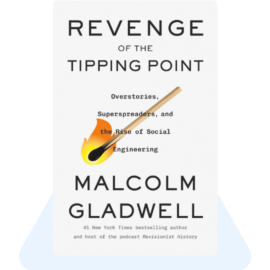
Revenge of the Tipping Point Summary: Ideas, Crowds और Movements कैसे Viral होते हैं – 10 Lessons
क्यों एक idea बिना कोई असर छोड़े गायब हो जाता है, जबकि दूसरा idea इतना फैल जाता है कि उसे ignore करना मुश्किल हो जाता है? क्यों कोई behaviour सालों तक uncommon रह सकता है और फिर अचानक normal लगने लगता है? क्यों कुछ communities अपने अलग social rules बना लेती हैं, कुछ लोग हजारों लोगों को influence कर लेते हैं, और कुछ stories इतनी powerful बन जाती हैं कि पूरा group यह तय करने का तरीका बदल देता है कि क्या acceptable है और क्या नहीं?
यही सवाल Malcolm Gladwell की किताब Revenge of the Tipping Point: Overstories, Superspreaders, and the Rise of Social Engineering के केंद्र में हैं। 2024 में प्रकाशित यह किताब उस विषय पर वापस आती है जिसने लगभग पच्चीस साल पहले Gladwell को बेहद प्रसिद्ध बनाया था – The Tipping Point। लेकिन इस बार किताब का mood अलग है। पहली किताब को अक्सर इस उम्मीद भरे idea के रूप में पढ़ा गया कि छोटे ideas भी बड़े स्तर पर फैल सकते हैं। Revenge of the Tipping Point एक अधिक गंभीर और कठिन सवाल पूछती है: जब लोग समझ जाते हैं कि tipping points कैसे काम करते हैं और फिर उन्हें जानबूझकर create करने की कोशिश करते हैं, तब क्या होता है?
Readers Books Club के audience के लिए यह किताब खास तौर पर relevant है। हम viral reels, memes, slogans, political narratives, online communities, influencer culture, financial trends, self-improvement movements, health advice और बहुत तेजी से बदलती public opinion के दौर में रहते हैं। आज किसी message को society में फैलने के लिए सालों की जरूरत नहीं होती। वह कुछ घंटों में एक व्यक्ति से लाखों लोगों तक पहुंच सकता है। लेकिन सिर्फ visibility यह नहीं समझाती कि कोई message movement क्यों बन जाता है। Gladwell हमें surface के नीचे देखने के लिए कहते हैं – उन networks, environments, proportions, storytellers और hidden rules को समझने के लिए जो social contagion को possible बनाते हैं।
यह किताब कोई simple manual नहीं है जिसका नाम हो “किसी चीज को viral कैसे करें।” यह social epidemics, Superspreaders, Overstories, group thresholds और Social Engineering पर stories और social-science ideas का collection है। Gladwell Los Angeles की bank robberies से लेकर Miami के Medicare fraud, elite schools से minority representation, COVID transmission से popular television, और अंत में opioid crisis तक जाते हैं। उनकी central warning यह है कि epidemics – चाहे वे disease, behaviour, beliefs या products से जुड़ी हों – हमेशा random नहीं होतीं। कुछ epidemics को तेज किया जा सकता है, उनकी direction बदली जा सकती है, और कभी-कभी उन्हें manipulate भी किया जा सकता है।
यह idea 2026 के context में और भी timely महसूस होता है। India में हाल के youth-led movements ने दिखाया है कि एक online identity किस तरह offline mobilisation में बदल सकती है। आपकी politics कुछ भी हो, communication वाला सवाल study करने लायक है: recognition identity में कैसे बदलती है, और identity coordinated behaviour में कैसे बदलती है? Gladwell का framework हमें crowd psychology, social influence और psychology of protests के जरिए इस बदलाव को analyse करने में मदद करता है।
यह Revenge of the Tipping Point summary किताब से 10 practical lessons समझाती है और उन्हें leadership, communication, marketing, personal growth, collective behaviour और mental clarity से जोड़ती है। जहां useful होगा, वहां हम Gladwell के social-psychology ideas और manifestation, law of attraction, affirmation तथा visualisation जैसे spiritual concepts के बीच फर्क भी साफ रखेंगे। दोनों पर एक साथ चर्चा हो सकती है, लेकिन दोनों को एक जैसा समझना सही नहीं है। Social contagion बताता है कि लोग networks और environments के जरिए एक-दूसरे को कैसे influence करते हैं; manifestation आमतौर पर intention, belief और action से जुड़ा individual या spiritual framework माना जाता है।
Revenge of the Tipping Point के बारे में
Malcolm Gladwell एक journalist, author और podcaster हैं, जो social-science research को memorable stories के जरिए समझाने के लिए जाने जाते हैं। उनकी popular books में The Tipping Point, Blink, Outliers, David and Goliath और Talking to Strangers शामिल हैं। Revenge of the Tipping Point को Little, Brown and Company ने 1 October 2024 को publish किया। Hardcover edition लगभग 368 pages की है और इसका subtitle है Overstories, Superspreaders, and the Rise of Social Engineering।
इस subtitle से किताब की direction लगभग साफ हो जाती है। Overstory एक shared narrative या norms का ऐसा set है जो किसी community के ऊपर मौजूद रहता है और लोगों के behaviour को influence करता है, कई बार बिना यह महसूस हुए कि ऐसा हो रहा है। Superspreader वह source या व्यक्ति है जो असामान्य रूप से बहुत ज्यादा transmission करता है; context के अनुसार यह transmission disease, crime, products या ideas का हो सकता है। Gladwell के framing में Social Engineering का अर्थ है ऐसी conditions को intentionally shape करना जिनमें लोग सोचें और behave करें, ताकि किसी epidemic के desired direction में बढ़ने की संभावना अधिक हो जाए।
यह किताब The Tipping Point के एक महत्वपूर्ण claim पर दोबारा लौटती है: change हमेशा linear नहीं होता। कोई system लंबे समय तक छोटे changes को absorb कर सकता है और फिर threshold cross करते ही अचानक transform हो सकता है। लेकिन इस बार Gladwell उस cheerful possibility में कम interested हैं कि कोई clever marketer किसी shoe को popular बना सकता है या कोई neighbourhood crime कम कर सकता है। वे contagion को समझने के moral consequences पर ज्यादा ध्यान देते हैं। अगर हमें पता है कि system के levers कहां हैं, तो सवाल है – उन्हें खींचने का अधिकार किसके पास है?
यही सवाल पूरी किताब में बार-बार सामने आता है।
Lesson 1: बड़े Social Changes अक्सर बहुत कम लोगों से शुरू होते हैं
Gladwell की सबसे memorable themes में से एक यह है कि epidemics अक्सर बहुत unequal होती हैं। हम instinctively मान लेते हैं कि अगर outcome बहुत बड़ा है, तो उसके causes भी बहुत बड़े और evenly distributed होंगे। अगर किसी city में crime बहुत ज्यादा है, तो शायद हजारों offenders बराबर contribution कर रहे होंगे। अगर virus किसी community में फैल रहा है, तो शायद लगभग हर infected व्यक्ति एक जैसी rate से उसे आगे spread कर रहा होगा। अगर कोई idea popular होता है, तो शायद सभी लोग उसे लगभग बराबर share कर रहे होंगे।
किताब इस intuition को बार-बार challenge करती है।
Gladwell अपनी पुरानी “Law of the Few” वाली सोच के एक नए version पर लौटते हैं और उसे और आगे ले जाते हैं। कई epidemics में बहुत कम लोग spread का बहुत बड़ा हिस्सा create कर सकते हैं। Los Angeles bank robberies की उनकी discussion यह दिखाने के लिए है कि criminal activity कुछ unusually active लोगों और उन्हें amplify करने वाली local culture के आसपास cluster हो सकती है। बाद में COVID की discussion में public-health का Superspreader concept सामने आता है, जहां बहुत कम infected लोग downstream infections की बहुत बड़ी संख्या के लिए responsible हो सकते हैं।
Practical lesson यह नहीं है कि हर situation में एक influential व्यक्ति ही सब कुछ explain करता है। असली lesson यह है कि averages किसी problem की structure को छिपा सकते हैं। अगर 10 लोग 10-10 लोगों को influence कर रहे हैं, तो solution अलग होगा। लेकिन अगर एक व्यक्ति 90 लोगों को influence कर रहा है और बाकी नौ लगभग किसी को नहीं, तो strategy पूरी तरह बदल जाएगी।
Marketing और communication में यह बहुत important है। किसी campaign को शुरुआत में “हर किसी” तक पहुंचने की जरूरत नहीं हो सकती; उसे सही creators, community leaders या highly engaged early adopters की जरूरत हो सकती है। यही principle individual life में भी mental clarity देता है: अक्सर कुछ habits, relationships या decisions हमारे results का disproportionate हिस्सा create करते हैं। जब हम हर factor को बराबर important मानना बंद करते हैं, तो clarity बढ़ती है।
Deeper message simple है: उन लोगों, behaviours या network nodes को खोजिए जो बाकी की तुलना में ज्यादा spread करते हैं। अगर epidemic को समझना है, तो उसकी concentration को देखिए।
Lesson 2: Environment यह बदल सकता है कि लोगों को क्या Normal लगता है
दूसरा lesson place और environment की invisible power के बारे में है।
Miami के Medicare fraud पर Gladwell की discussion एक uncomfortable possibility सामने लाती है: लोग हर environment में एक fixed moral operating system लेकर नहीं चलते। Communities अपने local norms develop करती हैं, और वही norms ऐसे behaviour को ordinary बना सकते हैं जो किसी दूसरी जगह shocking लगे।
किताब इसी बड़े cultural narrative के लिए Overstory शब्द का इस्तेमाल करती है। यह शब्द ecology से आता है, जहां overstory forest canopy की ऊपरी layer होती है। Gladwell इसे metaphor की तरह use करते हैं: हमारे individual choices के ऊपर assumptions का एक set मौजूद रहता है – “हम जैसे लोग” क्या करते हैं, क्या tolerate किया जाता है, क्या admire किया जाता है, किस बात पर शर्म महसूस होती है, और क्या possible माना जाता है।
Overstory की ताकत का एक कारण यह है कि उसके अंदर रहकर उसे देख पाना मुश्किल होता है।
मान लीजिए आप ऐसी company join करते हैं जहां हर कोई रात 12 बजे messages का reply करता है। किसी ने formally आपको ऐसा करने का order नहीं दिया, लेकिन cultural message clear है। कुछ ही हफ्तों में late-night work normal लगने लगता है। दूसरी company में लोग working hours के बाद शायद ही colleagues को message करें, तो वही behaviour inappropriate लग सकता है।
Money के भी Overstories होते हैं। कुछ families में बचपन से investing, ownership और long-term planning की बात होती है। दूसरी families बार-बार यह message देती हैं कि money dangerous है, scarce है या morally suspicious है। व्यक्ति बड़ा होकर इन attitudes को अपनी personal truth समझ सकता है, जबकि उनमें से बहुत कुछ cultural inheritance हो सकता है।
यहीं Readers Books Club के personal growth और self improvement जैसे themes relevant बनते हैं। हम अक्सर पूछते हैं, “मेरी motivation में क्या problem है?” जबकि बेहतर सवाल हो सकता है, “मेरा environment मुझे बार-बार किस तरह behave करना सिखा रहा है?”
अगर आपके आसपास का हर cue पुराने version को reinforce कर रहा है, तो खुद को बदलना मुश्किल हो जाता है।
यह social media environments पर भी लागू होता है। आपका feed neutral नहीं होता। अगर आपको लगातार success, relationships, politics, health या wealth की एक ही interpretation दिखाई जाए, तो वह interpretation धीरे-धीरे common sense जैसी महसूस हो सकती है। Algorithms एक ही emotional और ideological patterns बार-बार दिखाकर personalised Overstory बना सकते हैं।
इसलिए Gladwell का framework psychological awareness सिखाता है: किसी व्यक्ति के behaviour को judge करने से पहले, उसके आसपास चल रही कहानी को देखिए।
Lesson 3: Monocultures Efficient होती हैं, लेकिन Fragile भी बन सकती हैं
किताब का एक गंभीर हिस्सा उन communities के बारे में है जहां meaningful diversity बहुत कम होती है। Gladwell Monoculture – यानी ऐसा system जिसमें लोग, norms या traits बहुत ज्यादा similar हो जाएं – के idea का इस्तेमाल करके समझाते हैं कि कुछ groups cascading problems के लिए vulnerable क्यों हो सकते हैं।
वे captive cheetah populations का analogy देते हैं, जहां low genetic diversity पूरी population को एक ही disease के प्रति vulnerable बना सकती है। Social example में वे एक high-achieving community का वर्णन करते हैं, जिसे किताब में Poplar Grove कहा गया है, जहां achievement को लेकर बहुत intense expectations हैं। बाहर से town successful दिखाई देता है, लेकिन pressures और values की sameness distress को contain करने के बजाय contagious बना सकती है।
Lesson यह नहीं है कि achievement harmful है या shared values वाली हर community dangerous होती है। Point यह है कि resilience के लिए variation अक्सर जरूरी होती है।
अगर हर व्यक्ति pressure पर एक ही तरह react करता है, वही status hierarchy follow करता है, वही narrow outcome चाहता है और success का वही definition सुनता है, तो dominant system किसी को fail करे तो alternative narratives बहुत कम बचते हैं।
यह idea teams और personal development दोनों पर लागू होता है। Similar groups तेजी से communicate कर सकते हैं, लेकिन उनके blind spots भी same हो सकते हैं। अगर आपके हर source से एक ही बात सुनाई देती है, तो repetition proof जैसी लगने लगती है। Different disciplines पढ़ना और informed disagreement सुनना intellectual resilience create करता है।
Manifestation techniques में interested लोगों के लिए यह एक important caution है। किसी affirmation को repeat करना attention focus करने या चुनी हुई intention को reinforce करने में मदद कर सकता है, लेकिन repetition contradictory evidence को ignore करने का excuse नहीं बनना चाहिए। Resilient mindset strong goal रख सकता है और reality से नई information मिलने पर अपनी strategy update भी कर सकता है।
Feedback के बिना confidence, strength नहीं बल्कि fragility बन सकता है।
Lesson 4: “Magic Third” दिखाता है कि Group Proportion Behaviour बदल सकता है
Revenge of the Tipping Point के सबसे discussed concepts में से एक है Magic Third।
Gladwell research और examples explore करते हैं जिनसे यह idea सामने आता है कि minority influence तब qualitatively बदल सकता है जब किसी group में उसकी proportion critical level – कई cases में लगभग one-quarter से one-third – के आसपास पहुंचती है। इस threshold से नीचे minority members को अक्सर उनके category के representatives की तरह देखा जाता है। लेकिन जैसे-जैसे उनकी संख्या meaningful level पर आती है, group dynamics बदल सकती है।
यह phrase इसलिए memorable है क्योंकि यह representation को देखने का तरीका बदल देता है। हम अक्सर पूछते हैं कि कोई group present है या absent। Gladwell पूछते हैं कि क्या इतने लोग मौजूद हैं कि social experience खुद बदल जाए?
नौ लोगों के room में एक woman को “the woman” की category से देखा जा सकता है। वहीं नौ में तीन women होने पर gender का social meaning अलग हो सकता है। एक व्यक्ति की dissenting view को eccentric कहकर dismiss किया जा सकता है। लेकिन जब significant minority वही view share करने लगे, तो majority को उस idea को अलग तरह से engage करना पड़ सकता है।
यह social movements psychology के लिए साफ relevance रखता है। Movements अक्सर उस stage में struggle करते हैं जब participants खुद को isolated महसूस करते हैं। बहुत लोग privately किसी position से agree कर सकते हैं, लेकिन silence choose करते हैं क्योंकि उन्हें लगता है कि वे almost alone हैं। जैसे ही enough visible supporters दिखाई देते हैं, join करने का perceived social cost तेजी से गिर सकता है।
इसका मतलब यह नहीं कि हर human situation में exactly one-third कोई magical number है। Book के examples अलग contexts से आते हैं और real-world thresholds बदलते रहते हैं। Useful insight यह है कि proportion perception बदलती है।
Leadership में भी यह useful है। अगर team में कोई नया behaviour normal बनाना है, तो केवल एक enthusiastic person को model बनाने से काम नहीं चलेगा। आपको visible cluster चाहिए हो सकता है। Mentoring culture, psychological safety या customer service का नया standard तभी टिकता है जब enough लोग उसे reinforce करते हैं और behaviour exceptional न लगे।
Personal change में एक interesting parallel है। एक isolated healthy habit interruption जैसा लग सकता है। लेकिन reinforcing habits का cluster नई identity बना सकता है। Sleep, exercise, planning और कम digital distraction एक-दूसरे को support करते हैं। Individual life का “threshold” Magic Third जैसा नहीं है, लेकिन broad idea useful है: जब system के enough elements एक direction में point करते हैं तो change आसान होता है।
Lesson 5: Social Engineering अच्छे काम के लिए भी Use हो सकती है और Manipulation के लिए भी
The Tipping Point से Revenge of the Tipping Point तक सबसे बड़ा shift Gladwell की Social Engineering को लेकर concern है।
जब लोग epidemic के ingredients समझ जाते हैं, वे उसे intentionally manufacture करने की कोशिश कर सकते हैं।
Theory में यह possibility morally neutral लग सकती है, लेकिन practice में goal बहुत matter करता है।
Public-health campaigns better behaviour spread करने के लिए intentionally design की जा सकती हैं। Company safety आसान बनाने वाला system बना सकती है। School bullying कम करने वाले norms create कर सकता है। Creator storytelling के जरिए reading, financial literacy या exercise encourage कर सकता है। ये सब behaviour influence करने की deliberate कोशिशें हैं, और इनका purpose constructive हो सकता है।
लेकिन यही knowledge manipulation के लिए भी use हो सकती है।
Company social proof का गलत इस्तेमाल करके risky product को normal दिखा सकती है। Political campaign emotionally charged claim को इतनी बार repeat कर सकता है कि familiarity को truth समझ लिया जाए। Digital platform outrage को optimise कर सकता है क्योंकि outrage engagement बढ़ाता है। Marketer fake scarcity बना सकता है जबकि real scarcity हो ही नहीं।
इसलिए Gladwell की किताब हमें influence का ज्यादा sophisticated consumer बनने के लिए कहती है।
जब कोई message हर जगह दिखाई दे, पूछिए: इसके normal बनने से किसे फायदा है? कौन-से channels इसे amplify कर रहे हैं? Popularity organic है, engineered है, या दोनों का mix? Claim evidence से supported है या उसकी power mainly repetition से आ रही है?
Viral trends के दौर में यह distinction बेहद important है। कोई hashtag ऐसा feel करा सकता है कि “हर कोई यही बात कर रहा है,” जबकि volume का बहुत बड़ा हिस्सा एक small लेकिन highly active group create कर रहा हो। Superspreaders वाला lesson फिर लागू होता है: visible intensity और broad consensus हमेशा एक चीज नहीं होते।
यह distinction mental clarity protect करता है।
Lesson 6: Viral Success सिर्फ Good Message पर नहीं, Networks पर भी Depend करती है
Content creation में common belief है कि idea अगर enough अच्छा है, तो वह naturally फैल जाएगा।
Gladwell का काम बताता है कि यह incomplete है।
Ideas को pathways चाहिए।
Brilliant message बिना network के गायब हो सकता है। Ordinary message powerful distribution से जुड़कर बहुत आगे जा सकता है। Social epidemics इस बात पर depend करती हैं कि कौन किससे connected है, कौन-सी communities overlap करती हैं, कौन-से channels message carry करते हैं और surrounding culture उसे receive करने के लिए ready है या नहीं।
यही explain करता है कि कुछ trends “overnight” explode क्यों लगते हैं। अक्सर visible explosion long process का final stage होता है। Networks बन रहे होते हैं, frustrations जमा हो रहे होते हैं, symbols circulate कर रहे होते हैं, और फिर triggering event अचानक उन्हें connect कर देता है।
Entrepreneurs और creators के लिए growth question बदल जाता है। सिर्फ “मैं better content कैसे बनाऊं?” मत पूछिए। यह भी पूछिए, “किसी के देखने के बाद यह content कहां travel करता है?” Useful idea ज्यादा आसानी से spread होता है जब लोग उसे repeat, discuss और एक network से दूसरे network में carry कर सकें। Readers Books Club भी इसी तरह काम करता है: summary तब ज्यादा valuable बनती है जब viewer उसका central idea apply या retell कर सके।
Message socially powerful तब बनता है जब लोग उसे अपने साथ आगे ले जा सकें।
इसीलिए simple language matter करती है। Memorable metaphors, stories, slogans और frameworks भी matter करते हैं। ये compression की तरह काम करते हैं – complex idea को transmit करना आसान बनाते हैं।
लेकिन simplicity में risk भी है। Slogan issue को समझने में मदद कर सकता है और nuance मिटा भी सकता है। Message जितना portable होता है, context के गायब होने का chance उतना बढ़ता है।
इसलिए good communicators shareability और accuracy के बीच balance रखते हैं।
Lesson 7: Stories, Institutions से पहले Overstory बदल सकती हैं
Gladwell किताब के एक हिस्से में media और popular culture के role पर बात करते हैं कि वे society को किन subjects पर discussion के लिए ready करते हैं। उनके examples में television और public conversation के ऐसे shifts शामिल हैं जहां पहले कुछ topics पर openly बात करना मुश्किल था।
यह Overstory idea का important extension है।
Culture सिर्फ laws, official speeches या policy documents से नहीं बदलती। कभी-कभी change पहले stories में आता है।
Television character, film, podcast, bestselling book या viral creator किसी unfamiliar experience को emotionally understandable बना सकता है। जब enough लोग किसी subject को अलग तरह से देखने लगते हैं, institutional change ज्यादा possible हो सकता है।
इसीलिए storytellers का influence entertainment से बहुत आगे जा सकता है।
Facts जवाब देते हैं: “क्या हुआ?” Stories जवाब देती हैं: “यह महसूस कैसा होता है?” Collective behaviour में यह emotional bridge important है क्योंकि लोग सिर्फ data के आसपास mobilise नहीं होते। वे meaning के आसपास mobilise होते हैं।
Statistic बता सकता है कि millions लोग किसी problem का सामना कर रहे हैं। लेकिन story एक व्यक्ति के experience को इतना vivid बना सकती है कि statistic real feel होने लगे।
Communication, coaching और leadership के लिए lesson powerful है: अगर आप चाहते हैं कि idea याद रहे, तो केवल conclusion मत दीजिए। ऐसी narrative create कीजिए जिसमें लोग change के अंदर खुद को देख सकें।
Dr Amiett Kumar, Readers Books Club और personal growth, books, meditation, visualisation या coaching में काम करने वाले creators के लिए यह principle खास relevant है। Audience अक्सर theoretical explanation से ज्यादा transformation story याद रखती है। Story emotional map देती है: “यह व्यक्ति यहां से शुरू हुआ, यह change आया, और यह possible हुआ।”
लेकिन storytelling responsibility भी लाती है। Moving story automatically representative नहीं होती। एक dramatic case broader evidence की जगह नहीं ले सकता। Ethical storyteller emotion का इस्तेमाल reality को illuminate करने के लिए करता है, hide करने के लिए नहीं।
Lesson 8: Repetition Familiarity बनाती है, Truth नहीं
अगर Gladwell की किताब को modern online life से जोड़ने वाला एक idea चुनना हो, तो वह repeated exposure की power है।
लोग familiarity को अक्सर importance समझ लेते हैं। कोई phrase जितनी बार दिखाई देता है, उतना culturally available हो जाता है। एक point पर ऐसा लगता है जैसे वह phrase हमेशा से मौजूद था।
यही viral narratives की power का एक कारण है। Repetition cognitive friction कम करती है। Audience को message नए सिरे से learn नहीं करना पड़ता; वह उसे instantly recognise करती है। Recognition sharing आसान बनाती है, और sharing और recognition create करती है।
Personal development में भी repetition की वजह से affirmation जैसी practices powerful महसूस हो सकती हैं। Repeated statement attention को chosen identity या goal की तरफ direct कर सकती है। Visualisation future scenario को mentally rehearse करना आसान बना सकती है। Meditation automatic thoughts से थोड़ी दूरी बनाने में मदद कर सकती है ताकि अलग response choose किया जा सके।
लेकिन Revenge of the Tipping Point एक important corrective देती है: repetition useful ideas जितनी efficiently spread करती है, उतनी ही efficiently falsehoods और harmful norms भी spread कर सकती है।
इसलिए “मैं यह बात बार-बार सुन रहा हूं” कभी भी “यह जरूर सच है” के बराबर नहीं होना चाहिए।
Law of attraction और manifestation content में भी यह distinction जरूरी है। Repetition attention, expectation और behaviour को influence कर सकती है। लेकिन यह evidence, skill, action, timing और external reality की जरूरत खत्म नहीं करती। “मैं confidence से communicate करता हूं” जैसी affirmation behaviour change support कर सकती है अगर वह practice, preparation और better self-talk को encourage करे। लेकिन वह communication skills develop करने की जगह नहीं ले सकती।
इसी तरह collective repetition limited लेकिन meaningful sense में social reality create कर सकती है। अगर enough लोग कोई label, slogan या norm adopt करें, तो institutions को उस behaviour पर respond करना पड़ सकता है जो उसके बाद दिखाई देता है। लेकिन यह claim करना अलग बात है कि thoughts अकेले magically events control कर देते हैं।
Psychology और manifestation के बीच grounded bridge है: attention plus action।
जिस चीज पर हम repeatedly attention देते हैं, वह influence कर सकती है कि हम क्या notice करते हैं, क्या practise करते हैं, किससे connect होते हैं और कौन-सी opportunities pursue करते हैं। इसे powerful बनाने के लिए exaggeration की जरूरत नहीं है।
Lesson 9: Hidden Incentives बताते हैं कि Epidemic बढ़ती क्यों रहती है
जब कोई trend irrational लगता है, Gladwell का approach हमें visible story के नीचे मौजूद incentives पूछने के लिए कहता है।
Opioid crisis की discussion में यह खास important बनता है। Broad point सिर्फ इतना नहीं है कि dangerous product फैल गया। Point यह है कि incentive systems, professional networks, regulatory assumptions और targeted influence मिलकर epidemic को accelerate कर सकते हैं।
कई harmful systems इसलिए survive करते हैं क्योंकि अलग-अलग participants उन्हें बनाए रखने के लिए reward होते हैं।
Platform को engagement का reward मिलता है। Creator को attention का reward मिलता है। Salesperson को volume का reward मिलता है। Manager को short-term targets का reward मिलता है। Political actor को supporters mobilise करने का reward मिलता है।
इनमें से कोई incentive अपने-आप harm create नहीं करता। लेकिन जब reward structure long-term consequences ignore करती है, system ordinary लोगों को ऐसे behaviour की तरफ push कर सकता है जिसे वे isolation में शायद choose न करें।
यही कारण है कि individual blame अक्सर incomplete explanation है। अगर scale पर behaviour बदलना है, तो उस environment को बदलना होगा जिसमें behaviour reward हो रहा है। Personal life में भी यही लागू होता है: spending encourage करने वाले system में saving मुश्किल है, और interrupt करने के लिए designed system में focus मुश्किल है। Personal responsibility matter करती है, लेकिन good self improvement में system design भी शामिल है।
सिर्फ यह मत पूछिए, “मैं stronger कैसे बनूं?” यह भी पूछिए, “मैं better behaviour को आसान और harmful behaviour को कठिन कैसे बनाऊं?”
Lesson 10: Tipping Points को समझना Responsibility भी लाता है
Final lesson किताब का moral centre है।
Knowledge responsibility लाती है।
अगर आप जानते हैं कि tipping point कैसे create होता है, तो आप यह भी समझते हैं कि लोगों को push करना कितना आसान हो सकता है।
इसीलिए title में Revenge शब्द matter करता है। Original fascination में almost entrepreneurial excitement थी: सही leverage point खोजो और change create करो। नई किताब ज्यादा cautious है। Governments, corporations, campaigners, platforms और marketers जब social contagion की architecture समझ लेते हैं, तो tipping points power के tools बन सकते हैं।
Question सिर्फ “क्या हम इसे spread करा सकते हैं?” नहीं रहता। Question बन जाता है: “क्या हमें ऐसा करना चाहिए?”
Creator जो outrage generate करना जानता है, वह रोज वही skill use कर सकता है। Company जो जानती है anxiety conversion बढ़ाती है, marketing को fear के आसपास design कर सकती है। Leader जो जानता है लोग visible norms copy करते हैं, consensus का appearance manufacture कर सकता है।
लेकिन influence constructively भी use हो सकता है।
Influence kindness को visible बनाने, help मांगना normal करने, financial literacy spread करने, mental-health isolation कम करने, या ऐसा content बनाने के लिए use हो सकता है जो सिर्फ anger provoke करने के बजाय useful language दे।
इस तरह किताब ethical influence की lesson बन जाती है। Crowd psychology जितनी ज्यादा समझते हैं, उतना careful होना चाहिए कि आप क्या amplify करते हैं।
Revenge of the Tipping Point हमें Viral Movements के बारे में क्या सिखाती है?
यह किताब आज इसलिए relevant है क्योंकि modern movements online और offline दोनों spaces में एक साथ operate करते हैं। कोई slogan post के रूप में शुरू हो सकता है, meme बन सकता है, shared identity में बदल सकता है और बाद में placards, T-shirts, speeches या protest sites पर दिखाई दे सकता है।
Current Indian youth protest environment इस pattern का contemporary example देता है। Reuters ने Cockroach Janta Party movement के online satirical identity से real-world youth mobilisation में बदलने की reporting की है। Movement से जुड़ी political disputes में competing claims हैं, इसलिए उन्हें reliable reporting, legal processes और evidence के आधार पर evaluate करना चाहिए। लेकिन communication perspective से यह transition study करने लायक है।
Gladwell का framework कई सवाल सुझाता है। क्या youth frustration की existing Overstory थी जिसने message को emotionally ready बनाया? क्या कुछ highly connected organisers Superspreaders की तरह act कर रहे थे? क्या slogan ने complex grievance को ऐसी identity में compress किया जिसे आसानी से repeat किया जा सके? किस point पर visible participation ने join करने का social cost कम किया? किन online networks ने पहले अलग रहे groups को connect किया?
ये questions यह decide नहीं करते कि movement सही है या गलत। ये सिर्फ यह समझने में मदद करते हैं कि उसका growth कैसे analyse किया जाए।
Readers Books Club के लिए यह distinction important है। Strong book summary current event को psychology में entry point की तरह use कर सकती है, बिना propaganda बने। Goal readers को यह समझाना है कि movements क्यों spread करते हैं, न कि उन्हें बताना कि किस political side को support करना चाहिए।
Revenge of the Tipping Point और Crowd Psychology
“Crowd” शब्द सुनते ही ऐसा लग सकता है कि group join करते ही individuals अपनी reasoning खो देते हैं। Gladwell का काम एक ज्यादा useful perspective देता है। Groups individuality को simply erase नहीं करते। वे नई information create करते हैं कि क्या normal, safe, admired और possible है।
अगर आपके आसपास कोई action नहीं ले रहा, तो action risky लग सकता है। अगर दस लोग वही action लें, तो आप notice करते हैं। अगर हजारों लोग लें, तो वही action social fact जैसा लगने लगता है। यह everyday social influence है।
इसलिए crowds हर individual के लिए available information बदल देती हैं। Participation evidence जैसा दिखने लगता है। Visibility signal बनती है। Repetition familiarity बनाती है। Shared language belonging create करती है।
यह courage, cooperation और positive reform create कर सकता है। यही process conformity, panic और misinformation भी create कर सकता है।
Practical lesson है कि awareness के दो levels एक साथ रखें। Group क्या कर रहा है, यह notice करें, लेकिन यह भी पूछें कि behaviour को support करने वाला evidence क्या है। Belonging human need है, लेकिन mental clarity के लिए इतनी psychological distance जरूरी है कि crowd को independently evaluate किया जा सके।
Meditation यहां useful हो सकती है – influence से बचाने वाली mystical shield की तरह नहीं, बल्कि thoughts और emotions को automatically act करने से पहले observe करने की practice के रूप में। Stimulus और response के बीच छोटा pause independent judgement के लिए जगह बनाता है।
क्या इस Book को Manifestation और Law of Attraction से Connect कर सकते हैं?
हां, लेकिन carefully।
Revenge of the Tipping Point manifestation book नहीं है। Malcolm Gladwell social epidemics, cultural narratives और group behaviour analyse कर रहे हैं; वे law of attraction नहीं सिखा रहे।
फिर भी attention, repetition, identity और action के level पर meaningful connection है।
Manifestation practices में व्यक्ति को affirmation, visualisation, meditation या future-self thinking के जरिए desired future पर repeatedly focus करने के लिए कहा जाता है। Psychology के perspective से repeated focus salience influence कर सकता है – यानी आप उसी चीज से जुड़ी information ज्यादा notice करने लगते हैं जिस पर आप सोच रहे हैं। Chosen identity behaviour को भी influence कर सकती है। अगर आप खुद को disciplined writer मानते हैं और writing routine build करते हैं, तो identity और action एक-दूसरे को reinforce कर सकते हैं।
Gladwell की किताब related process का collective version examine करती है। जब community बार-बार same story बताती है, वह story environment का हिस्सा बन सकती है। वह members की expectations, normal की definition और available behaviour को influence करती है।
Difference बहुत important है। Social contagion human interaction, networks, institutions और behaviour के जरिए observe की जा सकती है। यह claim कि thoughts अकेले external events को directly cause करते हैं, इस किताब के evidence से आगे जाता है।
Ideas को grounded तरीके से जोड़ना हो तो chain यह है:
Attention perception को shape करती है। Repetition familiarity मजबूत करती है। Identity behaviour influence करती है। Networks में repeated behaviour culture को shape कर सकता है।
यह chain अपने-आप में बहुत powerful है; supernatural certainty claim करने की जरूरत नहीं।
Dr Amiett Kumar, Amiett Kumar, meditation, spirituality, visualisation, coaching या manifestation techniques follow करने वाले readers Gladwell के काम को इस reminder की तरह use कर सकते हैं कि inner belief socially relevant तब बनता है जब वह communication और action बदलता है।
इन 10 Lessons को अपनी Life में कैसे Use करें?
इन ideas को use करने के लिए movement start करना या multinational company चलाना जरूरी नहीं है।
सबसे पहले life के किसी एक area की Overstory identify कीजिए। Family, workplace या friend group quietly आपको money, ambition, health, relationships या success के बारे में क्या सिखाता है? कौन-सी assumptions सिर्फ इसलिए “obvious” लगती हैं क्योंकि आसपास सभी वही repeat करते हैं?
इसके बाद अपने personal environment के Superspreaders देखिए। कौन-से people, accounts, creators या conversations आपके mood और decisions पर unusually बड़ा influence रखते हैं? अगर कोई source लगातार fear, comparison या impulsive action की तरफ push करता है, तो उस source को reduce करना बाद में हर thought control करने से ज्यादा change ला सकता है।
फिर अपनी Monocultures inspect कीजिए। क्या आपके सारे inputs उन्हीं लोगों से आते हैं जो आपके जैसा सोचते हैं? क्या आप सिर्फ एक type की self-help advice consume करते हैं? क्या एक philosophy को हर problem का answer मान लेते हैं? Deliberately diversity add कीजिए।
Thresholds को भी देखें। अगर family या team habit बदलना चाहते हैं, allies की जरूरत हो सकती है। एक व्यक्ति का नया behaviour unusual लग सकता है। कई लोग उसे practise करें, तो नया norm बन सकता है।
अंत में यह evaluate कीजिए कि आप क्या amplify करते हैं। हर share, repost, recommendation और conversation distribution का छोटा act है। पूरा network आपके control में नहीं, लेकिन आप उसका हिस्सा हैं।
Modern world हम सभी को छोटे स्तर पर social engineer बना देता है।
शायद यह किताब का सबसे useful personal insight है।
Revenge of the Tipping Point किसे पढ़नी चाहिए?
यह किताब psychology, sociology, communication, marketing, leadership, media, politics, public health, organisational culture और human behaviour में interested readers के लिए strong choice है। Entrepreneurs और content creators को networks और contagious ideas वाली discussions खास useful लग सकती हैं। Leaders culture और norms को समझने के लिए ideas use कर सकते हैं। Crowd psychology और collective behaviour के students के लिए भी यह कई provocative concepts का readable introduction है।
यह उन readers के लिए भी useful है जिन्होंने The Tipping Point enjoy की थी लेकिन influence का अधिक cautious view चाहते हैं। Gladwell अब virality को automatically exciting नहीं मानते। नई किताब बार-बार consequences पर सोचने के लिए कहती है।
Readers को इसे critically भी पढ़ना चाहिए। Gladwell storyteller हैं और उनकी strength complex research को memorable बनाना है। यही strength कभी-कभी pattern को underlying evidence से ज्यादा universal feel करा सकती है। Magic Third, उदाहरण के लिए, multiple cases से निकला provocative framework है, हर group के लिए guaranteed mathematical rule नहीं। Thoughtful reader connections enjoy कर सकता है और साथ ही original research examine करने के लिए open रह सकता है।
Curiosity और blind acceptance के बीच यही balance एक अच्छी psychology book encourage करनी चाहिए।
क्या Revenge of the Tipping Point पढ़ने लायक है?
हां, खासकर अगर आप समझना चाहते हैं कि modern world इतनी तेजी से क्यों बदल सकता है।
किताब की value single formula देने में कम और नए questions देने में ज्यादा है।
Superspreaders कौन हैं? Overstory क्या है? क्या group resilient है या Monocultural? क्या threshold cross हो चुका है? Conditions को engineer कौन कर रहा है? कौन-से incentives epidemic को चलाते रख रहे हैं? कौन-सी story normal बनती जा रही है?
जब आप ये questions पूछना शुरू करते हैं, viral trends अलग दिखने लगते हैं। Workplaces, schools, online communities, markets और movements भी अलग दिखते हैं।
आप raw popularity से कम impressed होते हैं और structure में ज्यादा interested होने लगते हैं।
यह useful shift है।
Revenge of the Tipping Point से 10 Lessons – Quick Recap
बहुत कम लोग epidemic का बड़ा हिस्सा drive कर सकते हैं। Influence evenly distributed मानने के बजाय Superspreaders खोजिए। Environment behaviour बदलता है। Overstories communities को सिखाती हैं कि क्या normal, acceptable और possible है।
Monocultures fragile हो सकती हैं। Diversity dominant system पर pressure आने पर alternative responses देती है। Group proportions matter करती हैं। Magic Third बताता है कि critical mass minority और dissenting ideas को perceive करने का तरीका बदल सकती है।
Tipping points engineer किए जा सकते हैं। Contagion को समझना opportunity के साथ ethical risk भी लाता है। Networks messages जितने ही important हैं। Good ideas को pathways, connectors और communities चाहिए जिनके through वे travel कर सकें।
Stories culture reshape कर सकती हैं। Popular media institutions के formal response से पहले Overstory बदल सकती है। Repetition familiarity create करती है, truth नहीं। Viral visibility कभी evidence और critical thinking की जगह नहीं लेनी चाहिए।
Incentives epidemics को चलाते रखते हैं। Scale पर behaviour बदलना है तो समझिए system किस चीज को reward कर रहा है। Influence responsibility लाता है। सवाल सिर्फ यह नहीं कि आप किसी चीज को spread करा सकते हैं; सवाल यह भी है कि क्या वह spread होने लायक है।
Frequently Asked Questions
Revenge of the Tipping Point किस बारे में है?
Revenge of the Tipping Point Malcolm Gladwell की social epidemics के subject पर वापसी है। यह explore करती है कि behaviours, ideas और crises tipping points तक क्यों पहुंचते हैं, और खास तौर पर Overstories, Superspreaders, group thresholds तथा deliberately social change engineer करने की कोशिशों पर focus करती है।
क्या Revenge of the Tipping Point, The Tipping Point की sequel है?
इसे The Tipping Point के ideas पर return और reconsideration के रूप में समझना बेहतर है। लगभग पच्चीस साल बाद Gladwell social contagion पर दोबारा आते हैं, लेकिन इस बार manipulation, unintended consequences और engineered epidemics के darker side पर ज्यादा focus है।
Revenge of the Tipping Point में Overstory क्या है?
Overstory shared cultural narrative या norms का set है जो community के behaviour को influence करता है। लोग उसे consciously recognise न करें, फिर भी वह यह shape कर सकता है कि उन्हें क्या normal या acceptable लगता है।
Superspreader क्या है?
Superspreader ऐसा व्यक्ति या source है जो disproportionately ज्यादा transmission के लिए responsible होता है। यह term infectious disease से familiar है, लेकिन Gladwell broader principle को social epidemics समझने के लिए भी use करते हैं।
Magic Third क्या है?
Magic Third वह term है जिसका use Gladwell group threshold को explain करने के लिए करते हैं, खासकर representation और social influence के examples में। कई cases में minority लगभग one-third के आसपास पहुंचती है तो dynamics बदलती दिखाई देती हैं, लेकिन इसे universal mathematical guarantee नहीं समझना चाहिए।
Book Social Engineering के बारे में क्या कहती है?
किताब explore करती है कि लोग और institutions ऐसी conditions deliberately shape कर सकते हैं जो particular behaviours या ideas को spread होने में मदद करें। Gladwell इन strategies की effectiveness के साथ उनके ethical consequences में भी interested हैं।
Revenge of the Tipping Point Social Media के लिए Relevant कैसे है?
Social media किताब के कई questions को और urgent बना देती है। बहुत कम accounts disproportionate reach generate कर सकते हैं, repeated narratives local online cultures बना सकती हैं और network structure decide कर सकती है कि message niche रहेगा या viral होगा।
क्या Book बताती है कि Protests और Movements Viral क्यों होते हैं?
यह movement growth analyse करने के लिए useful frameworks देती है, जैसे shared narratives, Superspreaders, critical mass, network effects और social identity। लेकिन यह कोई single formula नहीं देती जो predict कर सके कि कोई particular protest सफल होगा या नहीं।
क्या Revenge of the Tipping Point Manifestation से Related है?
Directly नहीं। यह social epidemics और human behaviour की किताब है। Attention, repetition, identity और action के जरिए careful connection बनाया जा सकता है, लेकिन किताब यह claim नहीं करती कि thoughts अकेले external events manifest करते हैं।
Readers Books Club को इस Book के लिए कौन-सी Category Use करनी चाहिए?
Best primary category Psychology है। Strong secondary categories Communication, Self Improvement और Life Lessons हैं।
Final Thoughts
Revenge of the Tipping Point हमें virality को magic की तरह देखना बंद करने के लिए कहती है। कोई idea सिर्फ इसलिए spread नहीं होता क्योंकि वह brilliant है। Crowd सिर्फ इसलिए नहीं बनता क्योंकि हजारों लोग independently same conclusion पर पहुंच गए। Culture सिर्फ इसलिए नहीं बदलती क्योंकि किसी ने persuasive speech दे दी। Visible change के पीछे networks, thresholds, incentives, identities, storytellers, shared norms और कुछ unusually influential actors होते हैं।
इसीलिए Malcolm Gladwell की tipping points पर वापसी उनके original exploration से अधिक serious महसूस होती है। Modern world contagion create करने में exceptionally good हो चुका है। हम information, fear, generosity, outrage, misinformation, humour, financial trends और political identity को unprecedented speed से spread कर सकते हैं।
Challenge अब सिर्फ यह सीखना नहीं है कि चीजें viral कैसे होती हैं। Challenge यह सीखना है कि जब वे viral हों, तब thoughtful कैसे रहें।
Readers Books Club के readers के लिए शायद यही किताब का सबसे useful lesson है। Popularity को अपनी thinking मत करने दीजिए। Repeated story को automatically true मत मानिए। Environment के influence को underestimate मत कीजिए। उन few people या incentives को ignore मत कीजिए जो बहुत बड़े pattern को drive कर सकते हैं।
और अगर आप positive change create करना चाहते हैं – habits, team, business, family, community या content में – याद रखें कि change तब ज्यादा strong होता है जब surrounding system उसे support करता है।
Clear idea matter करता है। Powerful story matter करती है। Right people matter करते हैं। Environment matter करता है। और जब enough factors align हो जाते हैं, stable दिखने वाला system अचानक tip कर सकता है।
Contents