2026 में पढ़ने के लिए 7 Life-Changing Books

Introduction: 2026 में ये सात Books क्यों मायने रखती हैं
कुछ books आपको एक weekend तक entertain करती हैं। कुछ आपको ऐसा idea देती हैं जिसे आप एक महीने तक याद रखते हैं। और फिर कुछ ऐसी books होती हैं जो final page बंद करने के बहुत बाद तक आपके खुद से पूछे जाने वाले questions को quietly बदल देती हैं।
यह list उन्हीं books के बारे में है।
2026 में readers के पास information की कमी नहीं है। हम कुछ seconds में AI tool से answer पूछ सकते हैं, breakfast से पहले motivational reel देख सकते हैं, commute के दौरान podcast सुन सकते हैं और lunch से पहले fifty pieces of advice save कर सकते हैं। अब real challenge access नहीं है। Challenge यह decide करना है कि कौन-से ideas इतने attention के लायक हैं कि वे सच में हमारे जीने के तरीके का हिस्सा बन जाएं।
इसीलिए long-form reading आज भी matter करती है। एक serious book वह काम कर सकती है जो quick post नहीं कर सकती। वह किसी argument को develop होने की जगह देती है। वह दिखाती है कि idea कहां से आया, कहां fail हो सकता है और आपकी बाकी life से कैसे connect होता है। Good books आपकी thinking को इतना slow करती हैं कि आप assumptions, habits और emotional patterns notice कर सकें जिन्हें तेज़ी से चलती दुनिया में miss करना आसान है।
इस Readers Books Club guide के लिए हमने सात ऐसी books चुनी हैं जो बेहतर life के सात अलग areas से बात करती हैं: meaning, boundaries, environment, caring, money, growth और habits। इनमें से कई 2026 की major books हैं। कुछ थोड़ी पुरानी titles हैं जिनकी relevance समय के साथ और बढ़ी है। Together, ये सातों मिलकर practical personal-growth library बनाती हैं, न कि एक ही message की सात copies।
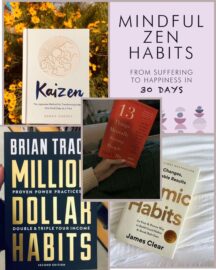
इस list में Arthur C. Brooks की The Meaning of Your Life, Mel Robbins की The Let Them Theory, Angela Duckworth की Situated, Dr. Tony Nader की The Power of Caring, Morgan Housel की The Art of Spending Money, Ryan Hawk की The Price of Becoming और James Clear की Atomic Habits शामिल हैं।
Readers Books Club में book recommendations अक्सर meditation, spirituality, mindset, manifestation और personal growth content के साथ रहती हैं। यही wider context इस article में भी दिखाई देगा, लेकिन एक important distinction के साथ: इस list का हर author Law of Attraction, manifestation, meditation या coaching नहीं सिखाता। जहां हम किसी book को इन ideas से connect करते हैं, वह Readers Books Club audience के लिए हमारा editorial interpretation है, author की philosophy के बारे में claim नहीं।
अगर आप life changing books, best books 2026, self improvement books, personal growth books, books to change your mindset, psychology books, motivation books, habit formation books, books for mental clarity या books for success search कर रहे हैं, तो इस list को starting point की तरह use करें। आपको सातों books एक साथ पढ़ने की जरूरत नहीं है। अक्सर सबसे useful book वही होती है जो उस problem को address करती है जिसे आप आज वास्तव में जी रहे हैं।
हमने इन Life-Changing Books को कैसे चुना
कोई title सिर्फ इसलिए life-changing नहीं बन जाती क्योंकि वह बहुत बिकती है। Bestsellers useful हो सकती हैं, लेकिन popularity अकेली standard नहीं है। इस list के लिए हमने ऐसी books देखीं जो कम से कम तीन काम अच्छी तरह करती हों।
पहला, life-changing book सिर्फ tip नहीं, एक lens देती है। Tip एक छोटी problem solve करती है। Lens आपके कई problems interpret करने का तरीका बदल देती है। The Let Them Theory आपको दूसरों की choices और अपनी responsibility को अलग देखने का lens देती है। Situated आपको environment के hidden influence को देखने का lens देती है। Atomic Habits behavior को character पर moral verdict की जगह system की तरह समझने का lens देती है।
दूसरा, book actionable होनी चाहिए। Insight satisfying लग सकती है, लेकिन personal growth इस पर depend करती है कि आप repeatedly क्या करते हैं। Useful self-help या personal-development book आपके पास कोई question, behavior, habit या decision छोड़नी चाहिए जिसे आप real life में test कर सकें। इसका मतलब यह नहीं कि हर book में worksheets हों। इसका मतलब है कि ideas page से बाहर निकलकर life में enter कर सकें।
तीसरा, book ऐसी problem solve करे जो आज भी matter करती है। 2026 में बहुत से readers attention fragmentation, career uncertainty, social comparison, relationship stress, burnout, financial anxiety और इस feeling से deal कर रहे हैं कि life उनकी समझने की speed से तेज़ चल रही है। नीचे की सात books इन pressures को अलग-अलग directions से address करती हैं।
इसलिए result intentionally balanced है। यह seven productivity books की list नहीं है। यह seven spirituality books की list नहीं है। यह seven ऐसी books की list भी नहीं है जो आपको 5 a.m. उठने के लिए कहती हों। Goal broader transformation है: क्या matter करता है इस पर clarity, क्या control किया जा सकता है उस पर deliberateness, surroundings के प्रति awareness, caring में wisdom, money को लेकर calmness, learning के प्रति commitment और intentions को systems में बदलने की ability।
यही balance कारण है कि 2026 से पहले publish हुई कुछ books भी यहां हैं। 2026 में पढ़ने लायक best books जरूरी नहीं कि 2026 में printed हुई हों। Book अपनी जगह तब earn करती है जब उसके ideas उन problems से match करते हैं जिनसे readers अभी deal कर रहे हैं। Atomic Habits इसका clearest example है। यह new नहीं है, फिर भी bestseller lists पर बनी रहती है क्योंकि good intentions को consistent action में बदलने की struggle खत्म नहीं हुई।
इस article को दो ways में use करें। आप इसे straight through पढ़कर वह book choose कर सकते हैं जो सबसे strongly pull करती है। या आगे दिए quick comparison से पहले अपना current challenge identify कर सकते हैं। Goal सबसे बड़ा TBR pile बनाना नहीं है। Goal अपने mind के लिए right next conversation चुनना है।
1. The Meaning of Your Life Arthur C. Brooks
अगर 2026 का कोई defining personal-development question है, तो शायद वह यह है: यह सारी effort आखिर किसलिए है?
Arthur C. Brooks की The Meaning of Your Life सीधे इसी question से बात करती है। March 2026 में published यह book #1 New York Times bestseller बनी और SUCCESS की personal-development bestseller list में ऊपर रही। Brooks, Harvard professor और happiness researcher, argue करते हैं कि modern life ने meaning ढूंढना मुश्किल बना दिया है, भले ही उसने बहुत सारी दूसरी चीज़ें convenient कर दी हों।
हमारे पास ज्यादा entertainment है, ज्यादा information है, status measure करने के ज्यादा ways हैं और खुद को दूसरों से compare करने के ज्यादा opportunities हैं। फिर भी बहुत से successful लोग emptiness, lack of direction या यह uncomfortable feeling report करते हैं कि उनकी life full है लेकिन meaningful नहीं। Brooks इसे personal failure की तरह नहीं, serious human problem की तरह देखते हैं जिसे study किया जाना चाहिए।
Book readers से happiness और meaning को अलग समझने को कहती है। Happiness matter करती है, लेकिन meaningful life में responsibility, sacrifice, grief, uncertainty और hard work भी हो सकते हैं। Deeper question यह है कि आपकी life में coherence, purpose और significance है या नहीं: क्या आपकी story आपको sense बनाती है, क्या आपकी efforts किसी meaningful चीज़ की service करती हैं, और क्या आप मानते हैं कि आपकी life immediate comfort से परे value रखती है?
यही इस book को सिर्फ happiness book की जगह life-changing book बनाता है। यह question को “मैं आज अच्छा कैसे feel कर सकता हूं?” से “किस तरह की life build करने लायक है?” में shift करती है। दूसरा question decisions बदल देता है। Job offer अब केवल salary नहीं है। Relationship केवल excitement नहीं है। Difficult season automatically यह evidence नहीं है कि आप गलत path पर हैं। Meaning difficulty को context देती है।
Readers Books Club के spirituality में interested readers के लिए यह list की सबसे strong fits में से एक है। Brooks social science के साथ philosophy और faith traditions से भी draw करते हैं। Central exercise useful पाने के लिए आपको specific religious belief share करना जरूरी नहीं: identify करें कि आप अपनी immediate preferences से बड़े किस purpose की service करते हैं।
Book apply करने का practical तरीका one-page “meaning map” बनाना है। इसे चार headings में divide करें: people, work, transcendence और story। People के नीचे वे relationships लिखें जिन्हें आप अच्छी तरह love करना चाहते हैं। Work के नीचे वह contribution लिखें जो आपकी effort करना चाहती है। Transcendence के नीचे लिखें कि क्या आपको ego से बड़ी किसी चीज़ से connect करता है faith, nature, service, art या meditation। Story के नीचे वे events लिखें जिन्होंने आपको shape किया और आप चाहते हैं कि उनका meaning क्या हो, सिर्फ यह नहीं कि क्या हुआ।
यह manifestation culture के लिए useful counterbalance भी है जब manifestation acquisition पर overly focused हो जाती है। Home, career, relationship या financial goal चाहना गलत नहीं है। लेकिन “मैं क्या चाहता हूं?” question तब ज्यादा powerful होता है जब उसके साथ “जब मुझे यह मिल जाएगा तब यह क्यों matter करेगा?” जुड़ जाए। Clear why आपको ऐसे goals chase करने से बचा सकता है जो impressive दिखते हैं लेकिन आपकी values से fit नहीं होते।
अगर आप Amiett Kumar को meditation, spirituality या manifestation के लिए follow करते हैं, तो Brooks का framework grounding practice की तरह use कर सकते हैं। Visualisation session से पहले image के पीछे deeper quality identify करें। Career success visualise कर रहे हैं तो value contribution या freedom हो सकती है। Relationship visualise कर रहे हैं तो love, trust या companionship। Wealth visualise कर रहे हैं तो security, generosity या time। यह action replace नहीं करता; action को अधिक coherent बनाता है।
Best for: ऐसे readers जो productive हैं लेकिन directionless feel करते हैं; career या life transition वाले लोग; purpose, spirituality, happiness और long-term fulfillment में interested readers।
Book से carry करने वाला question: अगर कोई भी आपकी life की तारीफ न कर सके, तो भी कौन-सी चीज़ इसे meaningful बनाएगी?
2. The Let Them Theory Mel Robbins
Mental energy आपके सबसे valuable resources में से एक है, फिर भी बहुत से लोग इसका बड़ा हिस्सा उन चीज़ों को manage करने में खर्च करते हैं जो कभी पूरी तरह उनके control में थीं ही नहीं: दूसरे लोगों की opinions, reactions, timing, choices और approval।
Mel Robbins की The Let Them Theory familiar लेकिन powerful truth को memorable framework में package करके major bestseller बनी। जब कोई दूसरा adult वैसे behave करता है जैसा आपको पसंद नहीं, “let them.” उन्हें opinion रखने दें। Choice करने दें। Priorities reveal करने दें। फिर उस हिस्से पर लौटें जो आपका है: आप क्या करेंगे?
यह idea इसलिए resonate करती है क्योंकि modern life social control और comparison के endless opportunities देती है। आप देख सकते हैं किसने message देखा, कौन invite हुआ, किसे promotion मिला, किसने post like की, किसने respond नहीं किया और कौन आपसे बेहतर करता हुआ दिखाई देता है। Technology हमें दूसरों के behavior के बारे में ज्यादा information देती है, control नहीं।
Book का practical value influence और control distinguish करने में है। आप clearly communicate कर सकते हैं, लेकिन किसी को force नहीं कर सकते कि वह समझे। Hard work कर सकते हैं, manager को recognition के लिए force नहीं कर सकते। किसी को love कर सकते हैं, उसे same relationship चाहने के लिए force नहीं कर सकते। Boundary set कर सकते हैं, लेकिन approval control नहीं कर सकते।
यह distinction overthinking तुरंत reduce कर सकती है। Imagine करें कि आपने thoughtful message भेजा और cold response मिला। एक path है अगले छह hours tone analyze करना, conversation mind में rewrite करना और दूसरे person की feelings engineer करने की कोशिश करना। दूसरा path है information acknowledge करना, decide करना कि conversation या boundary चाहिए या नहीं, और अपनी life पर लौट जाना।
यह passivity की philosophy नहीं है। Healthy detachment difficult conversations avoid करना नहीं है। Situation action मांगती है तो action लें। Relationship clarity मांगता है तो पूछें। Boundary cross हुई है तो respond करें। Point action और control को confuse करना बंद करना है।
The Let Them Theory meditation से naturally fit होती है क्योंकि दोनों impulse notice करने और automatically obey न करने की ability train करते हैं। Meditation में thought आता है और आपको उसे follow करना जरूरी नहीं। Relationships में दूसरे person की reaction आती है और आपको उसे अपनी पूरी emotional state determine नहीं करने देना।
Law of Attraction या manifestation language use करने वाले readers के लिए useful editorial connection attention है। Obsessively check करना कि person ने reply किया या नहीं, result आया या नहीं, “universe” ने sign भेजा या नहीं desired goal को anxiety source बना सकता है। Compulsive monitoring छोड़ना goal abandon करना नहीं है। यह focus वापस actions, values और decisions पर लाना है जो वास्तव में आपके हैं।
Simple two-column exercise करें। Left पर “Let Them” लिखें और ऐसे behaviors, opinions या outcomes list करें जिन्हें आप directly control नहीं कर सकते। Right पर “Let Me” लिखें और अपनी choices list करें: communicate, leave, ask, prepare, rest, improve, apply, apologize, say no, move on। Second column में आपकी agency रहती है।
Best for: people-pleasing, relationship anxiety, boundaries, approval-seeking, social comparison और overthinking।
Book से carry करने वाला question: आज मैं क्या control करने की कोशिश कर रहा हूं जिसे observe, accept और respond करना ज्यादा useful होगा?
3. Situated Angela Duckworth
Self-help अक्सर हमें stronger, more disciplined और more motivated बनने को कहती है। Angela Duckworth की Situated एक जरूरी complication जोड़ती है: अगर problem सिर्फ आपका character नहीं, बल्कि आपके आसपास की situation भी हो तो?
September 2026 में published Situated: Find the People and Places That Bring Out Your Best, Duckworth की Grit के बाद की book है। उनकी पहली book ने passion और perseverance की importance popularize की। Situated पूछती है कि perseverance तब क्या करती है जब environment उसे support भी कर सकता है और sabotage भी।
यह shift powerful है क्योंकि लोग हर behavior को identity का evidence मान लेते हैं। Focus नहीं कर पा रहे “मैं distracted हूं।” Exercise नहीं कर रहे “मैं undisciplined हूं।” Meetings में quiet रहते हैं “मैं confident नहीं हूं।” Duckworth आपको inward के साथ outward भी देखने को कहती हैं। Environment में कौन-से cues built हैं? कौन-से लोग standards raise करते हैं? कौन-सी spaces behavior आसान करती हैं? कौन-सी cultures उस version को reward करती हैं जो आप बनना चाहते हैं?
Reading example लें। एक person को quiet room में visible book और बिना nearby phone के रखें। उसी person को noisy room में रखें जहां हर ten minutes notifications आएं। Behavior का difference केवल willpower का difference नहीं है। Situation action की cost बदल देती है।
इसीलिए Situated habit formation और self discipline में interested readers के लिए सबसे practical life-changing books में से एक है। केवल “मैं अधिक motivated कैसे बनूं?” पूछने की जगह पूछें, “मैं situation को कैसे redesign करूं ताकि right behavior के लिए कम motivation की जरूरत पड़े?”
लोगों पर भी यही लागू होता है। Social circle curiosity normalize कर सकता है या complaining। Workplace deep work reward कर सकता है या constant interruption। Coach या mentor आपकी possible future के बारे में belief बदल सकता है क्योंकि वह आपको repeatedly अलग standard expose करता है। Environment destiny नहीं है, लेकिन rarely neutral है।
Useful exercise है situation audit। एक goal चुनें more reading, exercise, saving money या meditation। फिर चार elements को 1 से 10 rate करें: physical space, digital environment, people और routines। अगर meditation practice बार-बार fail हो रही है, issue आपकी spirituality नहीं भी हो सकती। शायद आप phone के पास, हर दिन different time, ऐसी room में meditate करने की कोशिश कर रहे हैं जहां लगातार interruptions हैं। Character attack करने से पहले situation बदलें।
इस book का manifestation और mindset transformation से interesting connection भी है। Personal-growth culture inner world thoughts, beliefs, self-concept और visualisation emphasize करती है। Situated remind करती है कि inner change तब आसान होती है जब external environment उसे support करे। New identity embody करनी है तो physical evidence create करें। Journal desk पर रखें। Class schedule करें। ऐसे लोगों के साथ time spend करें जो behavior already practice करते हैं। ऐसे cues कम करें जो old pattern में वापस खींचते हैं।
Readers Books Club readers के लिए यह idea books use करने का तरीका बदल सकता है। Book सिर्फ पढ़ें और hope न करें कि motivation चलेगी। Book को room, calendar, phone, friendships या routines बदलने दें। Book आपकी vocabulary नहीं, situation बदलती है तभी life बदलती है।
Best for: ऐसे readers जो जानते हुए भी stuck feel करते हैं कि क्या करना है; habit formation, motivation, environment design, education, parenting और performance।
Book से carry करने वाला question: अगर मैं “मेरे साथ क्या गलत है?” पूछना बंद करूं और “इस situation में क्या right behavior को unnecessarily hard बना रहा है?” पूछूं तो क्या बदलेगा?
4. The Power of Caring Dr. Tony Nader
बहुत से लोगों को ज्यादा care करना सीखने की जरूरत नहीं है। उन्हें बिना खुद को exhaust किए care करना सीखने की जरूरत है।
Dr. Tony Nader की The Power of Caring, July 2026 में published, इस problem को consciousness, psychology, philosophy और उनके neuroscientist तथा Vedic scholar background के through approach करती है। Book USA Today और Los Angeles Times bestseller बनी और SUCCESS की personal-development list में new title के रूप में enter हुई।
इसका central question deceptively simple है: healthy caring वास्तव में कैसी दिखती है?
हम caring को automatically virtuous मानते हैं। लेकिन boundaries के बिना caring control, resentment, burnout या chronic worry बन सकती है। Parent constant monitoring को “care” कह सकता है। Manager micromanagement को “care” कह सकता है। Partner किसी दूसरे adult की पूरी emotional life carry करना love का proof मान सकता है। Socially conscious person upsetting news hours तक consume कर सकता है क्योंकि away देखना irresponsible लगता है।
Nader का framework readers से caring को more conscious बनाने को कहता है। Caring आपको what matters से connect करे, function करने की capacity destroy न करे। Compassion include करे, self-erasure require न करे। Boundaries के साथ coexist कर सके।
यह 2026 में खास matter करता है क्योंकि बहुत से लोग concern के too many circles में stretched feel करते हैं: family, career, health, money, community, global events। Social media हमें हर समय हर जगह के suffering और outrage expose करती है। Nervous system breakfast से पहले entire world emotionally process करने के लिए designed नहीं था।
इस book की life-changing lessons में से एक है कि care करने की capacity clarity पर depend करती है। वास्तव में आपका क्या करना है? आप किसके responsible हैं? किस पर influence कर सकते हैं? किसे सिर्फ witness करना है बिना यह pretend किए कि आप control कर सकते हैं?
Simple practice: concerns को तीन circles में divide करें direct responsibility, meaningful influence और compassionate awareness। Direct responsibility में आपका child, commitments, health या promised work हो सकता है। Meaningful influence में ऐसे situations जहां action मदद कर सकता है लेकिन पूरी responsibility आपकी नहीं। Compassionate awareness में ऐसे problems जिन्हें आप care करते हैं लेकिन आज personally solve नहीं कर सकते। तीनों humanity deserve करते हैं, लेकिन nervous-system activation की same amount नहीं।
Meditation और spirituality में interested readers के लिए The Power of Caring list की सबसे natural bridges में से एक है। Nader का work Vedic scholarship और Transcendental Meditation से explicitly informed है। Deeper argument सिर्फ “boundaries set करें” नहीं है। Argument यह है कि conscious awareness caring की quality itself बदल सकती है।
Coaching या life coach content में interested लोगों के लिए भी यह useful है। Good coaching dependence create नहीं करनी चाहिए। उसे clarity और agency increase करनी चाहिए। Healthy care किसी दूसरे person की growth support करती है बिना उसकी पूरी life की responsibility लेने के।
Manifestation-focused readers के लिए editorial connection emotional sustainability है। अगर personal-growth routine एक ऐसी जगह बन जाए जहां आप हर minute “right vibration” maintain करने का pressure लें, तो future की care future की anxiety बन सकती है। Conscious caring gentler standard suggest करती है: enough care करें कि action लें, लेकिन इतना compulsively नहीं कि goal present consume कर दे।
Best for: caregivers, leaders, parents, helpers, highly sensitive readers, burnout से deal कर रहे लोग और spirituality या compassion explore करने वाले readers।
Book से carry करने वाला question: मेरी life में caring कहां control बन चुकी है, और wisdom के साथ caring कैसी दिखेगी?
5. The Art of Spending Money Morgan Housel
Personal finance advice अक्सर earning, saving और investing से शुरू होती है। Morgan Housel एक more uncomfortable question पूछते हैं: अगर आप money accumulate करने में अच्छे हो जाएं, तो क्या आपको पता है कि उसे well use कैसे करना है?
The Art of Spending Money, October 2025 में published, 2026 में carry करने वाली strongest books में से एक है क्योंकि यह spending के psychological side को address करती है। The Psychology of Money के author Housel envy, expectations, identity, status, regret और money तथा happiness के strange relationship explore करते हैं।
यह important है क्योंकि spending rarely केवल purchased object के बारे में होती है। Car transportation, identity, social proof या insecurity reduce करने की कोशिश हो सकती है। Home shelter, stability, status या “मैं सफल हो गया” का symbol हो सकता है। Luxury purchase genuine joy दे सकती है या उन लोगों की admiration buy करने की expensive कोशिश हो सकती है जो हमारे बारे में उतना सोच ही नहीं रहे जितना हम imagine करते हैं।
Housel का work valuable है क्योंकि वह हर purchase को irresponsible treat नहीं करता। Point spending से डरना नहीं है। Point यह समझना है कि money किसलिए है। अगर money आपकी life, relationships, time, experiences या peace of mind improve नहीं कर सकती, तो accumulation finish line के बिना scoreboard बन सकती है।
Money psychology की useful ideas में से एक है कि expectations income जितनी ही matter कर सकती हैं। Person ज्यादा earn करके भी poorer feel कर सकता है अगर desired lifestyle और तेजी से expand हो। Social comparison moving target create करता है। जिस level को कभी success माना था वहां पहुंचकर भी आप किसी और के “more” पर ध्यान देने लगते हैं।
इसीलिए यह book mindset transformation के लिए deeply relevant है। Money mindset केवल “I am abundant” repeat करना नहीं है। इसमें financial behavior के नीचे emotional stories notice करना शामिल है। Stress में spend करते हैं? Accounts देखने से बचते हैं क्योंकि numbers anxiety देते हैं? Status buy करते हैं? Compulsively save करते हैं क्योंकि spending unsafe feel होती है even when afford कर सकते हैं? Wealth pursue करते हैं बिना clear picture के कि enough कैसा दिखेगा?
Non-essential purchases के लिए three-question spending filter try करें: Buying excitement fade होने के बाद क्या यह मेरी life improve करेगा? मैं utility, joy या social approval खरीद रहा हूं? इस purchase के बदले कौन-सा future option trade कर रहा हूं? Goal pleasure खत्म करना नहीं है। Pleasure deliberate बनाना है।
Readers Books Club के Law of Attraction या manifestation में interested readers के लिए यह valuable reality check है। Financial manifestation content vague हो सकती है अगर focus केवल money attract करने पर हो। Housel का question अलग है: अगर more money आ जाए, तो क्या habits और expectations उसे better life create करने देंगे? Wealth building earning और investing require करती है, लेकिन healthy financial life यह जानना भी require करती है कि spending कब enough है और money क्या नहीं खरीद सकती।
Spirituality connection भी interesting है। कई traditions attachment, comparison और endless desire के बारे में warn करती हैं। Housel behavioral finance के through similar territory तक पहुंचते हैं: envy financially successful life को inadequate feel करा सकती है। Gratitude, clarity और personal definition of enough financially intelligent हो सकते हैं, सिर्फ spiritually comforting नहीं।
Best for: money mindset, financial literacy, spending habits, wealth building, social comparison और The Psychology of Money पसंद करने वाले readers।
Book से carry करने वाला question: मैं वास्तव में money से अपनी life में क्या करवाना चाहता हूं, successful दिखने से परे?
6. The Price of Becoming Ryan Hawk
ज्यादातर ambitious लोगों को broadly पता होता है कि वे क्या चाहते हैं: बेहतर बनना, अधिक effectively communicate करना, अच्छी leadership करना, meaningful work create करना और ऐसा career build करना जिस पर वे respect महसूस करें। Difficult हिस्सा उस ambition को repeatable practice में बदलना है।
Ryan Hawk की The Price of Becoming इसी gap के around built है। SUCCESS की 2026 personal-development list में rising यह book personal growth को तीन areas में organize करती है: Learn, Work और Lead। Hawk ने The Learning Leader Show पर leaders, authors, athletes और thinkers के साथ hundreds of conversations कीं और उन patterns को practical framework में बदला।
Title useful है क्योंकि यह common fantasy challenge करती है: बेहतर बनना हर समय inspiring feel होना चाहिए। Reality में growth की price होती है। आप attention से pay करते हैं। Repetition से pay करते हैं। ऐसे feedback मांगकर pay करते हैं जो आपको पसंद न आए। Recognition आने से पहले work करके pay करते हैं। New level पर फिर beginner बनकर pay करते हैं।
इसीलिए यह book उन readers के लिए especially strong है जो बहुत motivation consume करते हैं लेकिन implementation में struggle करते हैं। Inspiration बता सकती है कि क्या possible है। Continuous learning बताती है कि next क्या practice करना है।
Learn section better inputs encourage करती है: reading, questions पूछना, mentors seek करना, curious रहना और reflection system develop करना। Work section knowledge को action में बदलती है। Lead section recognize करती है कि growth eventually self-improvement से बाहर जाती है; अगर आपने useful कुछ सीखा है, क्या आप उसे दूसरों को teach, communicate और model कर सकते हैं?
Simple Readers Books Club application daily three-question review है: मैंने आज क्या सीखा? कहां react किया instead of respond? कल क्या practice करूंगा? इससे personal growth concrete रहती है। Bad day verdict की जगह information बनती है। Good day सिर्फ enjoy करने की चीज़ नहीं, study करने की चीज़ बनती है।
Book self-belief के लिए भी useful है क्योंकि confidence-first thinking का alternative देती है। Fully confident feel करने से पहले act करना जरूरी नहीं। आप evidence से confidence build कर सकते हैं: meeting जिसके लिए prepare किया, difficult conversation जिसे handle किया, skill जिसे practice किया, promise जिसे निभाया।
यह habit formation और motivation से naturally connect होती है। Motivation पूछती है, “क्या आज मेरा करने का मन है?” Learning system पूछता है, “Next repetition क्या require करती है?” Time के साथ यह distinction intensity से ज्यादा matter करती है।
जो readers Amiett Kumar को coaching, manifestation या mindset के लिए follow करते हैं, उनके लिए editorial connection aligned action है। Personal transformation believe करना आसान होता है जब new identity के behaviors attached हों। अगर affirmation है “मैं confident communicator बन रहा हूं,” तो एक clear conversation practice करें। अगर visualisation leader बनने की है, leadership study करें और real outcome की responsibility लें। Inner identity और outer practice एक-दूसरे को reinforce करते हैं।
Best for: ambitious professionals, entrepreneurs, leaders, lifelong learners, communication skills, decision making और self discipline।
Book से carry करने वाला question: मैं आज क्या practice कर सकता हूं जिसे वह person जिसे मैं बनना चाहता हूं eventually normal मानने लगे?
7. Atomic Habits James Clear
Life-changing books की list उस book के बिना incomplete लगती है जो small systems की power का shorthand बन चुकी है।
James Clear की Atomic Habits 2026 bestseller lists पर इसलिए बनी रहती है क्योंकि लोग लगातार discover करते हैं कि goals set करना behaviors sustain करने से आसान है। Clear का central argument है कि meaningful change अक्सर small actions से आती है जिन्हें इतना repeat किया जाए कि वे compound होने लगें।
यह obvious लगता है। Power उस structure में है जो वह देते हैं।
Motivation पर rely करने के बजाय environment बदलें। Outcomes पर obsess करने के बजाय system improve करें। केवल यह न पूछें कि क्या achieve करना है; पूछें repetition के through कौन बन रहे हैं। Habits सिर्फ tasks नहीं हैं; वे identity के बारे में evidence बनती हैं।
इसीलिए Atomic Habits इस list की final book के रूप में इतनी अच्छी fit बैठती है। Previous six books powerful ideas देती हैं: meaning खोजें, control release करें, situation redesign करें, wisely care करें, intentionally spend करें, सीखते रहें। Atomic Habits वह question पूछती है जो तय करता है कि इनमें से कोई idea survive करेगी या नहीं: आप repeatedly क्या करेंगे?
Suppose The Meaning of Your Life आपको convince करती है कि relationships matter करती हैं। Habit उस insight को weekly phone call में बदलती है। Suppose The Art of Spending Money आपको enough define करने में मदद करती है। Habit उसे automatic savings rule और monthly spending review में बदल देती है। Suppose Situated दिखाती है कि environment distracting है। Habit और environment change उसे phone-free reading hour में बदल सकते हैं।
Clear की Four Laws of Behavior Change useful हैं क्योंकि वे behavior design practical बनाती हैं: good habit को obvious, attractive, easy और satisfying बनाएं। Unwanted habits के लिए process उलट दें: invisible, unattractive, difficult और unsatisfying बनाएं।
Readers अक्सर overestimate करते हैं कि life change कितनी dramatic feel होनी चाहिए। Most important actions boring दिख सकती हैं। हर रात ten pages। Five minutes meditation। Fixed bedtime। Weekly financial review। Thirty minutes focused work। Another week avoidance की जगह one difficult conversation।
यहीं Atomic Habits meditation और spirituality से strongly connect होती है। Spiritual practices भी repetition पर depend करती हैं। एक calm meditation meaningful feel हो सकती है, लेकिन daily practice attention के साथ आपका relationship बदलती है। Mechanically repeated affirmation थोड़ा कर सकती है, लेकिन consistent behavior के साथ paired affirmation identity cue बन सकती है।
Manifestation-focused readers के लिए grounded lesson desired identity को evidence से connect करना है। Healthier life manifest कर रहे हैं तो one health behavior create करें। Financial stability visualise कर रहे हैं तो one financial system create करें। Confidence affirm कर रहे हैं तो one act of courage practice करें। “Manifest anything” philosophy तब more useful होती है जब “anything” daily actions से जुड़ा हो जो desired self को more likely बनाएं।
आज one behavior का two-minute version try करें। One page पढ़ें। Two minutes meditate करें। One sentence लिखें। Walking shoes पहनें। Document open करें। First repetition का goal transformation नहीं है। Second repetition आसान बनाना है।
Best for: habit formation, self discipline, consistency, productivity, reading habits, fitness, money routines और बार-बार start-over करने वाले लोग।
Book से carry करने वाला question: कौन-सा tiny behavior आज रात तक मेरी desired identity को अधिक believable बना देगा?
Quick Guide: कौन-सी Book पहले पढ़ें?
सातों books अलग problems solve करती हैं। अगर समझ नहीं आ रहा कहां से शुरू करें, biggest reputation वाली title choose करने की जगह current season को book से match करें।
अगर life बाहर से successful दिखती है लेकिन अंदर empty feel होती है, The Meaning of Your Life से start करें। अगर energy दूसरे लोगों की opinions में disappear हो रही है, The Let Them Theory चुनें। अगर पता है क्या करना है लेकिन surroundings बार-बार पीछे खींचते हैं, Situated पढ़ें। अगर everyone की care करते-करते emotionally exhausted हैं, The Power of Caring चुनें। अगर money बहुत mental space occupy करती है, The Art of Spending Money पढ़ें। अगर ambition scattered feel होती है, The Price of Becoming चुनें। अगर सीखते और plan करते रहते हैं लेकिन repeatable action नहीं बनती, Atomic Habits पढ़ें।
Notice करें ये books एक-दूसरे को reinforce भी करती हैं। Meaning बताती है क्या matter करता है। Boundaries उसके लिए energy protect करती हैं। Situation design good behavior आसान बनाती है। Conscious caring relationships protect करती है बिना burnout के। Money psychology resources को life की service में लगाना सिखाती है। Continuous learning growth जारी रखती है। Habits इन सबको repetition में बदलती हैं।
यह sequence personal growth का useful model भी है। Transformation rarely one big breakthrough है। यह clarity plus environment plus relationships plus resources plus learning plus repeated action है।
इन Seven Life-Changing Books में क्या Common है
हालांकि ये books अलग fields से आती हैं, कुछ themes बार-बार सामने आती हैं।
पहला, identity matter करती है, लेकिन identity सिर्फ कुछ ऐसा नहीं है जिसे आप think करते हैं। यह कुछ ऐसा है जिसे आप practice करते हैं। James Clear इसे explicit बनाते हैं, लेकिन same pattern दूसरी books में भी है। Ryan Hawk पूछते हैं better बनने के लिए क्या practice करने को ready हैं। Angela Duckworth पूछती हैं situation उस person को support करती है या नहीं जो आप बनना चाहते हैं। Mel Robbins पूछती हैं attention आपकी choices को belong करती है या दूसरों की reactions को।
दूसरा, attention hidden form of wealth है। जहां attention जाती है, behavior follow करता है। Brooks attention को status की जगह meaning पर aim करने को कहते हैं। Robbins uncontrollable people को attention देना बंद करने को कहती हैं। Duckworth surroundings design करने को कहती हैं जो attention protect करें। Housel दिखाते हैं comparison financial attention capture कर सकती है। Nader conscious care की बात करते हैं ताकि emotions हर direction में न खींचें।
तीसरा, personal growth relational है। Habits पर book भी eventually दूसरे लोगों को touch करती है। The Meaning of Your Life love और vocation शामिल करती है। Situated people और places emphasize करती है। The Power of Caring connection के बारे में है। The Price of Becoming learning से leadership की ओर जाती है। Stronger self सिर्फ more efficient नहीं; relationships, work और community में बेहतर participate कर पाता है।
चौथा, self-belief तब ज्यादा stable बनता है जब evidence-based हो। Positive thinking useful हो सकती है, लेकिन repeated action mind को concrete चीज़ देती है जिस पर trust किया जा सके। अगर thirty days तक छोटा promise निभाया, discipline के बारे में abstract argument की जरूरत कम हो जाती है। आपके पास data है।
पांचवां, life-changing idea को environment चाहिए। इसी कारण Readers Books Club readers को केवल book summary watch करने की जगह read, discuss, notes और apply करने को encourage करता है। Book mindset transformation introduce कर सकती है, लेकिन calendar, phone, spending, friendships और routines तय करते हैं कि transformation survive करने का chance पाएगी या नहीं।
यहीं meditation और mindfulness naturally fit होते हैं। Reading mind को better material देती है। Meditation mind को उस material का use observe करने की ability train करती है। आप intellectually समझ सकते हैं कि किसी दूसरे का behavior control नहीं कर सकते, फिर भी disappointment पर anxiety surge हो सकती है। Mindfulness वह pause create करती है जिसमें new idea new response बन सके।
Spirituality या Law of Attraction में interested readers के लिए list grounded principle देती है: inner work और outer structure enemies नहीं हैं। Visualisation direction clarify कर सकती है। Affirmation identity reinforce कर सकती है। Meditation attention steady कर सकती है। लेकिन Situated और Atomic Habits याद दिलाती हैं कि environment और repeated behavior भी matter करते हैं। Most useful personal-growth approach अक्सर both-and होती है, either-or नहीं।
30-Day Readers Books Club Reading Plan
ऐसी list के साथ biggest mistake सात books खरीदना, हर एक की twenty pages पढ़ना और कोई finish न करना है। Smaller, slower plan ज्यादा useful है।
Week 1: problem choose करें। एक evening लिखें कि अभी hardest क्या feel हो रहा है: purpose, boundaries, environment, burnout, money, growth या consistency। Problem से match करने वाली book choose करें।
Week 2: रोज twenty minutes पढ़ें। शुरू में page target न रखें; time target रखें। Phone दूर रखें और pen या notes app सिर्फ genuinely जरूरत हो तो रखें। जरूरत से कम highlight करें। पूरी highlighted book अक्सर मतलब है कुछ prioritize नहीं हुआ।
Week 3: test करने के लिए one idea choose करें। The Let Them Theory पढ़ रहे हैं तो one boundary practice करें। Situated पढ़ रहे हैं तो one environmental cue बदलें। The Art of Spending Money पढ़ रहे हैं तो one spending rule बनाएं। Atomic Habits पढ़ रहे हैं तो one habit को इतना shrink करें कि daily repeat आसान हो।
Week 4: idea किसी को explain करें। Discussion fastest ways में से एक है पता करने का कि आपने actually understand किया या नहीं। Friend से बात करें, one-page summary journal करें या Readers Books Club जैसी reading community में participate करें। सिर्फ “क्या मुझे book पसंद आई?” न पूछें। पूछें, “इसकी वजह से मैंने क्या differently understand किया?”
Month end पर three lines लिखें: पहले मैं क्या believe करता था, अब क्या believe करता हूं, और differently क्या करूंगा। Saved quotes की संख्या से यह life-changing book का बेहतर measure है।
Reading को five-minute meditation के साथ pair भी कर सकते हैं। Reading session के बाद quietly बैठें। Few slow breaths लें। One idea recall करें जो सबसे ज्यादा matter करती है। Notice करें mind उसे resist करता है, fear करता है या relieved feel करता है। फिर next day का one action choose करें। इससे reading reflective बनती है बिना उसे mystical बनाने के।
अगर affirmation या visualisation use करते हैं, उन्हें behavior-linked रखें। केवल “मैं focused हूं” कहने के बजाय actual scene visualise करें: phone room से बाहर, book open, twenty minutes reading complete। केवल abundance affirm करने के बजाय Housel वाले money behavior को examine करें। Confidence imagine करने के बजाय Hawk के learning framework के अनुसार difficult conversation practice करें।
Point हर book को productivity project बनाना नहीं है। Point one good idea को enough real बनाना है कि कुछ change हो।
Self-Improvement Books पढ़ते समय Common Mistakes
Good reading list भी badly use की जा सकती है। इन mistakes से बचना useful है।
Books खरीदने को change समझने की गलती न करें। Full shelf practice का substitute बन सकती है। Fewer books finish करें और more apply करें।
हर author को हर topic का authority न बनाएं। Arthur Brooks आपके financial planner नहीं हैं। Morgan Housel therapist नहीं हैं। James Clear spiritual teacher नहीं हैं। हर book को उसके domain में seriously लें, लेकिन पूरा judgment एक writer को outsource न करें।
Self-help को self-criticism में न बदलें। अगर book weakness notice कराती है, insight को support design करने के लिए use करें, identity attack करने के लिए नहीं। Situated यहां especially useful है: कभी solution situation बदलना है, खुद पर और जोर से चिल्लाना नहीं।
Inspiration को evidence न समझें। Personal-development books अक्सर research, stories, philosophy और opinion mix करती हैं। Actively read करें। पूछें क्या supported है, क्या interpretation है और क्या सिर्फ useful metaphor है।
Spirituality का use reality avoid करने के लिए न करें। Meditation, manifestation, affirmation और Law of Attraction content बहुत से readers के लिए meaningful practices हो सकती हैं, लेकिन जब difficult conversations, professional advice, financial planning, medical care या consistent action की जरूरत हो तो इन्हें replacement नहीं बनना चाहिए।
Finally, ऐसी book finish करने के लिए खुद को force न करें जो current season में clearly useful नहीं है। कभी right book wrong time पर boring लगती है। बाद में लौट सकते हैं। Reading tool है, character test नहीं।
Contents