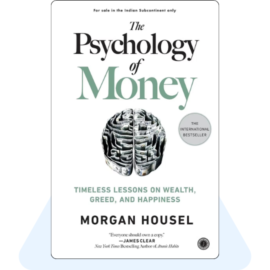
The Psychology of Money को 2020 में Morgan Housel द्वारा प्रकाशित किया गया था, जो The Collaborative Fund के partner और दुनिया के सबसे अधिक पढ़े जाने वाले financial writers में से एक हैं। यह किताब दुनिया भर में चार million से अधिक copies बेच चुकी है और पचास से ज्यादा भाषाओं में translate हो चुकी है। यह investors, entrepreneurs, students और उन सभी लोगों की shelves पर मौजूद है जिन्होंने कभी सोचा है कि smart लोग भी poor financial decisions क्यों लेते हैं।
इस किताब का central premise बेहद simple है: पैसे के साथ अच्छा करना आपकी intelligence पर कम और आपके behaviour पर ज्यादा निर्भर करता है। Traditional finance education spreadsheets, interest rates और portfolio theory पर focus करती है। Housel एक बिल्कुल अलग direction लेते हैं। वे human psychology को देखते हैं fears, biases, blind spots और emotional patterns को जो हमारे रोज़ के financial decisions को drive करते हैं।
यह किताब eighteen standalone chapters में structured है, जिनमें हर chapter एक single idea या story पर आधारित है। आप इसे शुरुआत से अंत तक पढ़ सकते हैं या individual chapters को अलग-अलग भी पढ़ सकते हैं। किसी भी तरीके से पढ़ें, हर chapter आपको money, wealth और उस life के बारे में अलग सोचने पर मजबूर करेगा जिसे आप build करना चाहते हैं।
Readers Books Club में हम सबसे impactful books को अपने YouTube videos और podcast episodes के माध्यम से cover करते हैं। The Psychology of Money उन rare books में से एक है जिसे हम बार-बार revisit करते हैं क्योंकि इसकी lessons हर बार पढ़ने पर और ज्यादा meaningful लगती हैं। यह summary आपका starting point है। इसे पूरा करने के बाद हम strongly encourage करते हैं कि आप पूरी किताब जरूर पढ़ें।
The Psychology of Money को पढ़ते समय Dr Amiett Kumar का perspective इतना valuable इसलिए बन जाता है क्योंकि Housel हमें बताते हैं कि हमारा financial behaviour हमारी personal history, upbringing और money से जुड़ी stories से shape होता है। वहीं Amiett Kumar हमें उन stories को rewrite करने के tools देते हैं। Affirmation practice, visualisation और mindset work के माध्यम से उन्होंने India और दुनिया भर के हजारों लोगों को deep-seated money blocks को dissolve करने और genuine financial confidence में कदम रखने में मदद की है।
नीचे दिए गए eighteen lessons को पढ़ते समय हर lesson के साथ एक affirmation जोड़ने की कोशिश करें। शुरुआत के लिए Dr Amiett Kumar की teachings से लिए गए ये चार affirmations देखें:
“I am worthy of wealth, and I welcome financial abundance into my life.”, “Money flows to me easily, freely, and in ever-increasing amounts.”, “I make wise, calm, and patient decisions with my money.”, “I release all fear and scarcity around money, and I embrace abundance.”
Visit www.amiettkumar.com और Dr Amiett Kumar के programmes, books और online courses explore करें, जो आपको manifestation और अपनी dream life build करने में मदद करने के लिए designed हैं।
The 18 Key Lessons: The Psychology of Money Explained
नीचे The Psychology of Money के सभी eighteen chapters दिए गए हैं, जिनका core lesson summary के रूप में समझाया गया है। यही वे key takeaways हैं जिन्होंने millions लोगों के wealth, behaviour और financial freedom को देखने का तरीका बदल दिया।
Lesson 1: No One’s Crazy
हर financial decision जो कोई व्यक्ति लेता है, उसे वह अपनी unique experiences के आधार पर rational लगता है। जो व्यक्ति high inflation के दौर में बड़ा हुआ हो और जिसने अपने परिवार की savings को overnight खत्म होते देखा हो, वह cash के बारे में अलग सोचेगा compared to उस व्यक्ति के जिसने एक long bull market के दौरान upbringing पाई हो। दोनों गलत नहीं हैं। वे बस अलग evidence पर आधारित सोच रखते हैं।
Housel का point powerful है: हम दूसरों के financial choices को अपनी lens से judge करते हैं, और लगभग हमेशा गलत साबित होते हैं। जो व्यक्ति stocks में invest करने से मना करता है वह irrational नहीं है; शायद उसने अपने parents को market crash में सब कुछ खोते देखा हो। जो व्यक्ति अपनी income का हिस्सा gamble करता है वह irresponsible नहीं है; किसी ऐसे इंसान के लिए जिसके पास opportunities कम हैं, lottery ticket एक अलग life का genuine chance हो सकता है।
Lesson: दूसरों के money decisions को judge करने से पहले उनकी story को समझने की कोशिश करें। और अपने past financial decisions को judge करने से पहले खुद को भी वही compassion दें।
Lesson 2: Luck and Risk
Bill Gates ने Seattle के Lakeside School में पढ़ाई की, जो 1968 में दुनिया के कुछ high schools में से एक था जहाँ computer terminal मौजूद था। इस single stroke of luck ने उन्हें programming practice के हजारों घंटे दिए, उस समय जब लगभग किसी और के पास ऐसी access नहीं थी। उनकी success सिर्फ talent और hard work की वजह से नहीं थी। सही समय पर सही जगह होना भी उतना ही important था।
दूसरी ओर Gates के equally brilliant school friend Kent Evans को उसी advantage का उपयोग करने का मौका नहीं मिला। Hiking accident में उनकी death हो गई, इससे पहले कि वे अपना potential realise कर पाते। Risk, luck के coin का दूसरा side है और दोनों skill या intention से independent operate करते हैं।
Lesson: जब भी financial success evaluate करें चाहे अपनी या किसी और की हमेशा luck और risk के role के लिए जगह छोड़ें। Success में humble रहें और failure के प्रति compassionate।
Lesson 3: Never Enough
Rajat Gupta self-made billionaire, Goldman Sachs के former director और अपनी generation के सबसे respected business figures में से एक थे। फिर भी उन्होंने insider trading के जरिए थोड़ा और पैसा कमाने के लिए अपनी reputation, freedom और legacy तक risk पर लगा दी।
उनके पास पहले से ही इतना wealth था जितना ज्यादातर लोग कई lifetimes में भी spend नहीं कर सकते। फिर भी वह enough नहीं था।
Housel इसे personal finance के सबसे dangerous psychological traps में से एक मानते हैं: ‘enough’ define न कर पाना। जब finish line ही नहीं होती, तो race कभी खत्म नहीं होती। लोग huge risks लेते हैं, अपनी integrity compromise करते हैं और relationships तक destroy कर देते हैं, सिर्फ उस number के पीछे जो लगातार बदलता रहता है।
Lesson: अपना ‘enough’ define करें। समझें कि आपके लिए genuinely satisfying life कैसी दिखती है neighbour से better life नहीं, बल्कि सच में fulfilling life और वहां पहुँचने के बाद goalposts को आगे बढ़ाने की urge को resist करें।
Lesson 4: Confounding Compounding
Warren Buffett की net worth लगभग $84 billion है। उसमें से करीब $81 billion उन्होंने अपने 65th birthday के बाद accumulate किया। उन्होंने age eleven में investing शुरू की और कभी नहीं रुके। उनका genius सिर्फ great stocks pick करने में नहीं है; बल्कि उस extraordinary समय में है जो उन्होंने compounding को काम करने के लिए दिया।
Housel बताते हैं कि अगर Buffett ने age thirty में investing शुरू की होती और sixty पर retire हो गए होते, जैसा ज्यादातर लोग करते हैं, तो उनकी net worth आज लगभग $11.9 million होती। फिर भी impressive, लेकिन actual result का छोटा हिस्सा। Extra decades of compounding ने लगभग पूरा difference बनाया।
Lesson: Compounding intuitive नहीं है। हमारा brain exponential growth को समझने में struggle करता है। सबसे अच्छा financial decision है जल्दी शुरू करना और consistent रहना highest-returning investment ढूंढना नहीं, बल्कि reasonable investment चुनना और उसे लंबे समय तक hold करना।
Lesson 5: Getting Wealthy vs. Staying Wealthy
Money बनाना और money को बनाए रखना दो अलग skills हैं, जिनके लिए लगभग opposite mindsets चाहिए। Rich बनने के लिए optimism, risk-taking और खुद को बाहर रखने की willingness चाहिए। Rich बने रहने के लिए humility, caution और उस temptation को resist करने का discipline चाहिए जो तब आता है जब आपके पास protect करने लायक wealth होती है।
History ऐसे लोगों से भरी हुई है जिन्होंने great fortunes build कीं और फिर उन्हें खो दिया क्योंकि wealth creation वाला aggressive mindset उन्होंने wealth preservation में भी apply किया। Survival की skill downturns, market crashes और unexpected setbacks के बावजूद game में बने रहना personal finance की सबसे underrated quality है।
Lesson: सिर्फ wealthy बनने की नहीं, wealthy बने रहने की planning करें। Financial resilience build करें। Buffer रखें। Bad times survive करने जितने cautious रहें, ताकि good times enjoy कर सकें।
Lesson 6: Tails, You Win
Investing और business में outcomes evenly distributed नहीं होते। कुछ rare events majority results drive करते हैं। Amazon की पूरी success story मूल रूप से दो bets की कहानी है: Amazon Web Services और Amazon Prime। बाकी hundreds experiments और ventures ने मुश्किल से कोई बड़ा impact डाला।
इसे ‘tail event’ कहा जाता है distribution के extreme end पर मौजूद rare outcome जिसका impact outsized होता है। Investors के लिए implication clear है: आपको हर समय सही होने की जरूरत नहीं। आप अपनी majority bets में गलत हो सकते हैं और फिर भी significant wealth build कर सकते हैं, यदि आपके winners losses को compensate करने के लिए पर्याप्त बड़े हों।
Lesson: Investing और business में अक्सर गलत होने की expectation रखें। जरूरी यह है कि आप game में इतने लंबे समय तक बने रहें कि rare transformative wins आ सकें और जब वे आएँ तो आपकी position meaningful हो।
Lesson 7: Freedom
अगर आप लोगों से पूछें कि financial success से वे क्या चाहते हैं, तो जवाब होगा big house, nice car, luxury holidays और fine dining। लेकिन Housel कहते हैं कि इन सभी desires के पीछे एक deeper चाहत होती है: time पर control। सुबह उठकर खुद decide कर पाना कि अपना दिन कैसे spend करना है यही wealth का highest form है जिसे money buy कर सकता है।
Research लगातार दिखाती है कि जिन लोगों के पास अपने समय पर autonomy होती है वे उन लोगों से ज्यादा happy होते हैं जो ज्यादा earn करते हैं लेकिन freedom कम होती है। High salary जो brutal commute, demanding boss और no personal time के साथ आए, वह अक्सर happiness कम कर देती है। Savings, simpler living और flexible work के जरिए अपना time वापस खरीदना, money का बेहतरीन use है।
Lesson: Financial planning का real goal freedom है यह ability कि आप क्या करें, कब करें और किसके साथ करें। अपनी financial life उसी mindset से build करें।
Lesson 8: Man in the Car Paradox
जब आप किसी को expensive luxury car चलाते देखते हैं, तो वास्तव में आप क्या सोचते हैं? Housel कहते हैं कि ज्यादातर लोग driver के बारे में नहीं सोचते। वे खुद को उस car में imagine करते हैं। हम अपनी desires को उस vehicle और lifestyle पर project करते हैं। जिस admiration की उम्मीद driver करता है, वह शायद ही उसे मिलती है क्योंकि कोई वास्तव में उसे देख ही नहीं रहा।
यही status spending का paradox है। हम expensive चीजें खरीदते हैं ताकि success signal कर सकें और दूसरों का respect पा सकें। लेकिन दूसरे लोग अपनी खुद की success imagine करने में इतने busy होते हैं कि हमारी तरफ ध्यान ही नहीं देते। Meanwhile, हमने वह money spend कर दिया जो genuine freedom build कर सकता था।
Lesson: True respect kindness, generosity और character से आता है, possessions से नहीं। उन चीजों पर spend करें जो genuinely joy और utility दें न कि उन चीजों पर जो आपको लगता है कि दूसरों को impress करेंगी।
Lesson 9: Wealth Is What You Don’t See
हम wealth को उन चीजों से judge करते हैं जो दिखाई देती हैं: house, car, clothes और holidays। लेकिन Housel कहते हैं कि ये visible चीजें spending का evidence हैं, wealth का नहीं। True wealth invisible होती है। वह savings account है जिसे कभी touch नहीं किया गया, वह investments हैं जो quietly compound हो रहे हैं और वह financial safety net है जिसे शायद कभी इस्तेमाल ही न करना पड़े।
कई लोग wealthy दिखते हैं लेकिन होते नहीं। वे high income और high spending के जरिए appearances maintain कर रहे होते हैं, जबकि बचत बहुत कम होती है। वहीं कई ordinary दिखने वाले लोग extraordinary financial security build कर रहे होते हैं क्योंकि वे impressive दिखने वाली चीजों पर पैसा खर्च नहीं करते।
Lesson: Spending को wealth मत समझिए। सबसे rich चीज जो आपके पास हो सकती है वह financial security और freedom है और दोनों बाहर से दिखाई नहीं देतीं।
Lesson 10: Save Money
ज्यादातर लोग saving को specific purpose से जोड़ते हैं: house की down payment, holiday या retirement। लेकिन Housel एक अलग तरह की saving की बात करते हैं बिना किसी specific goal के saving, सिर्फ options और flexibility accumulate करने के लिए।
दुनिया unpredictable है। Opportunities बिना warning के आती हैं। Crises बिना invitation के। जिस व्यक्ति के पास savings होती हैं, वह दोनों situations का सामना कर सकता है। वह ऐसा job offer accept कर सकता है जो कम pay करे लेकिन ज्यादा meaningful हो, क्योंकि उसके पास financial buffer है। वह health emergency, job loss या economic downturn को desperate decisions लिए बिना handle कर सकता है।
Lesson: Savings की value सिर्फ उसमें नहीं कि वह आज क्या खरीद सकती है। असली value उन options, resilience और freedom में है जो वह आपको future के लिए देती है।
Lesson 11: Reasonable > Rational
Academic finance मानती है कि लोग rational actors हैं जो optimal information के आधार पर maximum returns चाहते हैं। Reality में ऐसा कोई नहीं। और Housel कहते हैं कि यह जरूरी नहीं कि problem हो। Perfectly rational बनने से ज्यादा useful reasonable होना है, क्योंकि reasonable strategies वही होती हैं जिन पर आप वास्तव में टिके रह सकते हैं।
उदाहरण के लिए, investments का कुछ हिस्सा cash में रखना expected return थोड़ा कम कर सकता है compared to fully invested रहने के। लेकिन यह market downturns के दौरान anxiety कम करता है, जिससे panic selling की संभावना घटती है। थोड़ा कम expected return जिसे आप volatility के दौरान hold कर सकें, उससे बेहतर है high return जिसे pressure में छोड़ दें।
Lesson: Best financial plan वह नहीं जो theoretically highest return दे। Best plan वह है जिसे आप years तक consistently follow कर सकें, चाहे markets कुछ भी कर रहे हों।
Lesson 12: Surprise!
किसी भी decade के सबसे important economic events वही होते हैं जिन्हें predict नहीं किया गया था। 2008 financial crisis widely anticipated नहीं थी। COVID-19 किसी की financial plan में नहीं था। Internet, smartphones और social media के rise ने economy को ऐसे बदल दिया जिसकी accurate forecasting बहुत कम लोगों ने की थी।
Housel का point यह नहीं कि हमें future predict करने की और ज्यादा कोशिश करनी चाहिए। Point यह है कि हमें accept करना चाहिए कि हम ऐसा नहीं कर सकते और उसी हिसाब से financial life build करनी चाहिए। Past को future का reliable guide मानना dangerous है क्योंकि जो events सबसे ज्यादा matter करते हैं, वे definition के अनुसार unprecedented होते हैं।
Lesson: Surprises से भरी दुनिया के लिए financial resilience build करें। Diversify करें। Save करें। ऐसे debt से बचें जो आपको financially break कर सकता हो। और future के बारे में अपनी certainty को लेकर humble रहें।
Lesson 13: Room for Error
किसी भी financial plan का सबसे important word है ‘margin’। Margin of safety वह gap है जो आपके पास मौजूद resources और आपकी जरूरतों के बीच होता है वही buffer जो unexpected shocks absorb करता है बिना आपकी पूरी financial life को derail किए। Engineers bridges को जरूरत से कहीं ज्यादा weight सहने लायक बनाते हैं। Financial plans भी वैसे ही design होने चाहिए।
Housel कहते हैं कि margin of safety pessimism या excessive caution का sign नहीं है। यह wisdom का sign है। Future genuinely uncertain है। Good plans वाले अच्छे लोगों के साथ भी bad things होती हैं। Financial cushion का मतलब यह नहीं कि आप disaster expect कर रहे हैं; इसका मतलब है कि आपने future के बारे में इतना सोचा है कि आपको पता है कि उसे पूरी तरह predict नहीं किया जा सकता।
Lesson: हमेशा चीजों के गलत होने के लिए room छोड़ें। Financial setbacks से survive वही लोग करते हैं जिन्होंने enough planning की होती है ताकि वे game में बने रह सकें।
Lesson 14: You’ll Change
Psychologists ने एक phenomenon identify किया है जिसे ‘end of history illusion’ कहा जाता है। हम समझते हैं कि पिछले decade में हम कितना बदले हैं, लेकिन अगले decade में कितना बदलेंगे इसे consistently underestimate करते हैं। हमें लगता है कि आज वाला version ही हमारा final version है।
Financial planning में यह बेहद important है। 25-year-old version of you द्वारा लिया गया long-term financial commitment, शायद 45-year-old version के लिए useful न रहे। Careers बदलते हैं। Relationships बदलते हैं। Health बदलती है। Life से expectations बदलती हैं। यदि आप खुद को ऐसी inflexible financial strategy में lock कर लेते हैं जो सिर्फ आज के version पर आधारित है, तो future में वही choices आपको trap कर सकती हैं।
Lesson: अपनी financial plan में flexibility रखें। Extreme commitments से बचें। सिर्फ आज के व्यक्ति के लिए नहीं, बल्कि उस व्यक्ति के लिए भी जगह छोड़ें जो आप future में बनने वाले हैं।
Lesson 15: Nothing’s Free
हर financial reward की एक cost होती है। Long-term investing के powerful market returns free नहीं आते; उनकी कीमत uncertainty, volatility और उस psychological discomfort से चुकानी पड़ती है जब आपका portfolio downturn के दौरान 20, 30 या 40 percent तक गिरता है। यही strong long-term returns की admission fee है।
कई investors इस cost से बचने के लिए market timing करने की कोशिश करते हैं crash से पहले sell करना और recovery के बाद buy back करना। लेकिन ऐसा करते हुए वे अक्सर recovery के सबसे अच्छे दिनों को miss कर देते हैं, जो आमतौर पर worst decline के तुरंत बाद आते हैं। Volatility के दौरान market में बने रहने की cost सिर्फ financial नहीं होती। वह emotional भी होती है।
Lesson: हर financial reward की price पहचानें और तय करें कि क्या आप उसे pay करने के लिए तैयार हैं। यदि हाँ, तो उसे willingly pay करें punishment की तरह नहीं, बल्कि किसी valuable चीज़ के fair exchange की तरह।
Lesson 16: You and Me
Financial markets में ऐसे investors होते हैं जिनके goals, time horizons और risk tolerances बिल्कुल अलग होते हैं, फिर भी वे same price share करते हैं। एक day trader जो कुछ hours के लिए stock hold करता है और एक pension fund जो decades तक hold करता है दोनों अपने context में rational हैं। लेकिन यदि long-term investor day trader के behaviour से influence होने लगे, तो वह लगभग निश्चित रूप से गलत decisions लेगा।
Housel कहते हैं कि investing में सबसे important चीजों में से एक है यह clearly define करना कि आप कौन-सा game खेल रहे हैं और फिर दूसरों के अलग games से distracted न होना। ज्यादातर financial mistakes stupidity की वजह से नहीं होतीं; वे उन strategies को copy करने की वजह से होती हैं जो completely different situations वाले लोग use कर रहे होते हैं।
Lesson: अपने financial goals और time horizon को clearly जानें। ऐसे व्यक्ति से advice या strategy कभी मत लें जो बिल्कुल अलग game खेल रहा हो, चाहे short term में उसके results impressive क्यों न दिखें।
Lesson 17: The Seduction of Pessimism
Pessimism smart लगता है। Careful लगता है। ऐसा perspective लगता है जो risks को deeply समझता है। दूसरी ओर optimism naive या reckless लग सकता है। यही reason है कि pessimistic forecasts अक्सर ज्यादा attention पाते हैं, even when long-term record overwhelmingly optimists के favour में हो।
Global economy pandemics, world wars, financial crises, political upheaval और technological disruption के बावजूद grow करती रही है। Companies recover हुईं। Markets rebound हुए। Human ingenuity ने बार-बार impossible लगने वाली problems के solutions ढूंढे हैं। Long-term investor के लिए यह belief कि चीजें generally बेहतर होंगी, wishful thinking नहीं है। यह history द्वारा सबसे ज्यादा supported position है।
Lesson: Short-term risks के प्रति appropriately cautious रहें, लेकिन long-term optimism बनाए रखें। History उन लोगों के पक्ष में है जो human resilience और progress की compounding पर विश्वास करते हैं।
Lesson 18: When You’ll Believe Anything
हम storytelling creatures हैं। जब हमारे पास किसी situation को पूरी तरह समझने के लिए पर्याप्त information नहीं होती और finance में ऐसा लगभग हमेशा होता है तब हम gaps को narratives से भर देते हैं। ये stories हमें uncertain world में control का feeling देती हैं। Problem यह है कि once हम emotionally किसी narrative में invest हो जाते हैं, तब हम सिर्फ वही evidence ढूंढते हैं जो उसे support करे।
Investing में यह dangerous outcomes तक ले जाता है। लोग compelling stories के कारण assets में पैसा डालते हैं new technology, hot market या visionary founder की कहानी और warning signs ignore कर देते हैं क्योंकि story इतनी convincing लगती है। जितना ज्यादा आपको किसी outcome के true होने की जरूरत होती है, उतनी ज्यादा convincing उसकी supporting story लगती है।
Lesson: उन financial narratives के प्रति extra sceptical रहें जो बहुत compelling, बहुत clear या बहुत certain लगें। Future genuinely uncertain है। जो भी story इसके opposite feel कराए, उसे ज्यादा scrutiny की जरूरत है।
Final Takeaway
The Psychology of Money वास्तव में money के बारे में नहीं है। यह people के बारे में है fears, biases और deeply personal histories के बारे में जो हमारे हर financial decision को shape करती हैं। Morgan Housel की सबसे बड़ी insight यह है कि financial success के tools spreadsheets और stock-picking strategies नहीं हैं। वे patience, humility, self-awareness और behavioural discipline हैं।
इन eighteen lessons की power इस बात में है कि ये आपके income, background या financial knowledge level से independent हैं। आपको professional investor होने की जरूरत नहीं। बस इतना जरूरी है कि आप money के साथ अपने relationship को honestly examine करें और समय के साथ small, consistent improvements करें।
यही वह जगह है जहाँ Dr Amiett Kumar, India’s best manifestation coach, की teachings relevant हो जाती हैं। The Psychology of Money हमें बताती है कि हमारा money behaviour हमारी personal history और emotional patterns में rooted है। वहीं Amiett Kumar हमें उन patterns के साथ consciously work करने के practical tools देते हैं। Affirmation, visualisation और mindset training के जरिए वे अपने students को subconscious blocks dissolve करने में मदद करते हैं जो उन्हें unhealthy financial patterns में फँसाए रखते हैं।
साथ मिलकर, Housel की behavioural finance insights और Amiett Kumar की manifestation philosophy financial transformation का complete framework बनाती हैं। Saving, investing और wise spending का outer work, inner work से शुरू होता है यानी खुद को समझने से, money के बारे में अपनी beliefs को पहचानने से और उस life को define करने से जिसे आप सच में build करना चाहते हैं।
हम उम्मीद करते हैं कि इस summary ने आपको सिर्फ The Psychology of Money के key takeaways ही नहीं समझाए होंगे, बल्कि आगे बढ़ने की genuine motivation भी दी होगी। पूरी किताब पढ़ें। Readers’ Book Club की video देखें। Podcast episode सुनें। और यदि आप deeper mindset work के लिए तैयार हैं, तो Dr Amiett Kumar को www.amiettkumar.com पर visit करें।
About Readers Books Club
Readers Books Club आपका trusted destination है book summaries, reviews और deep-dive discussions के लिए। हम personal finance, self-help, business, philosophy और fiction जैसी categories की books को अपने YouTube channel, podcast और written summaries के माध्यम से cover करते हैं।
हमारा mission simple है: great books को सभी के लिए accessible बनाना और readers तथा listeners को ideas को real-life change में बदलने में मदद करना। हमारा विश्वास है कि सही समय पर पढ़ी गई सही book genuinely transformative हो सकती है, और हम आपको वही book ढूंढने में मदद करने के लिए यहाँ हैं।
हमारे YouTube channel को subscribe करें, podcast follow करें और अधिक summaries, recommendations और exclusive content के लिए www.readersbooksclub.com visit करें।
Contents