Introduction
अधिकांश personal finance advice लगभग वही सवालों से शुरू होती है: आप कितना कमाते हैं? कितना बचाते हैं? आपको कहाँ invest करना चाहिए? आप कितनी तेजी से wealth build कर सकते हैं? Morgan Housel अपनी किताब The Art of Spending Money में एक अलग सवाल पूछते हैं: जब आपके पास पैसा आ जाता है, तो क्या आपको सच में पता है कि उसे इस तरह कैसे इस्तेमाल किया जाए कि आपकी life बेहतर हो?
यह सवाल सुनने में बहुत simple लगता है, लेकिन financial literacy की सबसे बड़ी gaps में से एक को सामने लाता है। कोई व्यक्ति earning, saving और investing में बहुत अच्छा हो सकता है, फिर भी ऐसे spending decisions ले सकता है जो stress, comparison, regret या ऐसी lifestyle पैदा करें जो बाहर से impressive दिखे लेकिन अंदर से खाली लगे। Spreadsheet पर money mathematical होता है, लेकिन real life में बहुत emotional होता है। हम memory, insecurity, hope, family expectations, status, fear, convenience, generosity, identity और कभी-कभी सिर्फ इसलिए spend करते हैं क्योंकि हमारे आसपास हर कोई वही करता हुआ दिखता है।
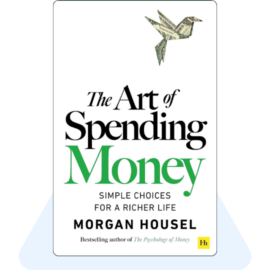
The Art of Spending Money, जिसे Portfolio ने October 2025 में publish किया, wealth accumulation से focus हटाकर wealth use पर लाती है। The Psychology of Money के लिए प्रसिद्ध Housel कहते हैं कि अच्छी spending का मतलब perfect budget ढूँढना नहीं है। असली बात खुद को इतना समझना है कि आपको पता हो money आपके लिए है किसलिए। Book की official description इस बात पर जोर देती है कि goal सिर्फ rich बनना नहीं, बल्कि जो resources आपके पास हैं उनसे अधिक life value लेना और यह सीखना है कि वास्तव में चाहने लायक क्या है।
Readers Books Club की यह The Art of Spending Money summary उसी idea को practical और आसान language में समझाती है। हम money psychology, spending habits, status, expectations, financial freedom, peace of mind, self-awareness, smart spending और “rich दिखने” तथा “अच्छा जीवन जीने” के बीच का अंतर समझेंगे। साथ ही हम book की lessons को mindfulness, personal growth, coaching, spirituality और money mindset से जोड़ेंगे, लेकिन यह pretend नहीं करेंगे कि Housel law of attraction सिखा रहे हैं। वे ऐसा नहीं कर रहे। उनका message अधिक grounded है: money तब useful बनता है जब वह आपकी values की सेवा करे, न कि आपकी worth का scoreboard बन जाए।
जो readers Amiett Kumar, Readers Books Club, personal development books, self help books, meditation, life coaching और practical transformation में interest रखते हैं, उनके लिए यह book एक महत्वपूर्ण जगह भरती है। यह आपको यह नहीं बताती कि exactly क्या खरीदें। यह आपको यह समझने में मदद करती है कि खरीदने से पहले अपने motives कैसे पहचानें। यही कारण है कि The Art of Spending Money Morgan Housel के काम में एक natural next step लगती है। हममें से कई लोग सीखते हैं कि पैसा कैसे कमाएँ और बचाएँ, लेकिन बहुत कम लोग यह सीखते हैं कि उसे इस तरह कैसे खर्च करें कि life वास्तव में बेहतर हो।
About Morgan Housel
Morgan Housel एक financial writer, author और Collaborative Fund में partner हैं। उनकी official biography के अनुसार उनकी books की millions of copies बिक चुकी हैं और वे dozens of languages में translate हुई हैं। उनकी खासियत यह है कि वे money को formulas से ज्यादा stories के जरिए समझाते हैं। यह approach इसलिए महत्वपूर्ण है क्योंकि ज्यादातर financial decisions laboratory में नहीं लिए जाते। वे घर पर, family के बीच, shops में, phone पर, stressful periods में और उन लोगों से तुलना करते हुए लिए जाते हैं जिनकी private financial situation हमें पता ही नहीं होती।
Housel की writing उन readers के लिए खास तौर पर effective है जिन्हें finance intimidating लगता है। उन्हें यह समझाने के लिए complex equations की जरूरत नहीं पड़ती कि लोग overspend क्यों करते हैं, underspend क्यों करते हैं, status क्यों chase करते हैं, या मेहनत से कमाए हुए पैसे को use करने से भी क्यों डरते हैं। उनकी strength यह दिखाने में है कि financial behavior असल में human behavior है।
यही वजह है कि Morgan Housel book summary Readers Books Club audience के लिए अच्छी तरह काम करती है। Useful lesson technical jargon में छिपी नहीं होती। वह अक्सर किसी familiar situation में मिलती है: बेहतर car की इच्छा, किसी और की lifestyle देखकर खुद को पीछे महसूस करना, इतना aggressive saving करना कि life enjoy ही न हो, या कोई चीज इसलिए खरीदना क्योंकि हमें लगता है उससे लोग हमारे बारे में बेहतर सोचेंगे। Housel इन situations में judgement कम और observation ज्यादा लाते हैं।
The Central Idea: Money Is A Tool, Not A Scoreboard
इस The Art of Spending Money book summary का सबसे important idea यह है कि money तब useful है जब वह आपको better life जीने में मदद करे, न कि तब जब वह यह measure करने लगे कि आप दूसरों से जीत रहे हैं या हार रहे हैं। Scoreboard हमेशा comparison पैदा करता है। पड़ोसी का घर बड़ा है तो आप पीछे महसूस करते हैं। Colleague की watch महँगी है तो आपको लगता है आपकी success दिखाई नहीं दे रही। Social media पर कोई अधिक travel करता है तो आपका normal weekend अचानक कम लगने लगता है। Problem यह है कि इस race की कोई finish line नहीं है। हर comparison के बाद एक नया comparison आता है।
Tool अलग तरह से काम करता है। Tool की value इस बात में है कि वह आपको क्या करने देता है। Hammer सिर्फ इसलिए impressive नहीं कि वह costly है; उसकी value इस बात में है कि वह कुछ build करने में मदद करता है। Money को भी वैसा ही होना चाहिए। उसकी वास्तविक value उस life में है जिसे वह enable करता है।
यह shift financial freedom का meaning बदल देता है। Financial freedom का मतलब हमेशा यह नहीं कि आपको कभी काम न करना पड़े। इसका मतलब इतना savings होना भी हो सकता है कि आप toxic job छोड़ सकें; ऐसी lower-paying role चुन सकें जिसमें बच्चों के साथ समय मिले; ऐसी help pay कर सकें जो daily stress कम करे; या smaller lifestyle चुनें ताकि monthly obligations आपको trap न करें।
Lesson 1: Spending Is Emotional Before It Is Logical
लोग अक्सर मानते हैं कि spending decisions rational होते हैं। हम prices compare करते हैं, reviews पढ़ते हैं, features check करते हैं और खुद से कहते हैं कि हमने objective choice की है। लेकिन Housel की broader philosophy of money याद दिलाती है कि financial behavior personal history से shape होता है।
जिस व्यक्ति ने childhood में scarcity देखी हो, वह adult life में ज्यादा spend कर सकता है क्योंकि purchasing उसे evidence देती है कि scarcity खत्म हो गई। वही childhood वाला दूसरा व्यक्ति opposite reaction दे सकता है और लगभग सब कुछ save कर सकता है क्योंकि security खोने का fear कभी जाता ही नहीं। दोनों responses सिर्फ arithmetic नहीं हैं। दोनों emotional adaptations हैं।
इसीलिए identical income वाले दो लोगों की spending habits पूरी तरह अलग हो सकती हैं। एक visible success को value देता है; दूसरा privacy को। कोई travel पर spend करता है, कोई hobbies पर। कोई freedom के लिए save करता है, कोई इसलिए save करता है क्योंकि spending guilt पैदा करती है। Lesson यह नहीं कि इनमें से कौन सही है। Lesson यह है कि pattern को notice करें। Self-awareness बेहतर money management की शुरुआत है।
“यह purchase good है या bad?” पूछने से पहले पूछें: “मैं कौन-सी feeling create, avoid या prove करना चाहता हूँ?” यह question बहुत कुछ reveal कर सकता है। क्या आप item की जरूरत के कारण खरीद रहे हैं? Boredom की वजह से? कठिन week के बाद reward चाहिए? Friends के पास है इसलिए? Admiration चाहते हैं? या सच में यह आपके जीवन में useful value जोड़ता है?
Mindfulness यहाँ helpful हो सकती है। Purchase से पहले छोटा pause impulse और action के बीच space बनाता है। Meditation budgeting strategy नहीं है, लेकिन thoughts और urges को तुरंत follow किए बिना observe करने की ability spending में भी useful है। जब आप urge को notice कर लेते हैं, आप उसके slave नहीं रहते। आपके पास choice आ जाती है।
Lesson 2: The Best Return On Money May Be Peace Of Mind
Traditional finance हमें returns में सोचने की training देती है। हम पूछते हैं investment कितना बढ़ा, savings account कितना interest देता है, या purchase price के लायक था या नहीं। Housel calculation को broader बनाते हैं: क्या money का एक सबसे बड़ा return peace of mind हो सकता है?
Peace of mind Instagram पर show करना मुश्किल है। कोई आपका emergency fund नहीं देखता। कोई clap नहीं करता क्योंकि आपका debt कम है, expenses manageable हैं और आप रात को आराम से सो सकते हैं। Financial calm mostly invisible होता है, लेकिन उसका effect enormous हो सकता है।
High income वाला व्यक्ति, जिसके पास margin नहीं, moderate income वाले उस व्यक्ति से कम secure feel कर सकता है जिसके expenses modest हैं और savings मौजूद है। इसलिए wealth building सिर्फ assets maximize करने का नाम नहीं है। यह fragility reduce करने का भी नाम है।
Smart spending कभी-कभी ऐसी choice है जो आपको ज्यादा mental space दे। शायद prestige की जगह reliability खरीदना। शायद stressful debt pay करना। शायद cash buffer रखना। शायद health, insurance या convenience पर खर्च करना, जब वह सच में pressure कम करे।
Deeper principle यह है कि financial decision को सिर्फ paper return से नहीं, life impact से evaluate करें। अगर कोई choice income बढ़ाती है लेकिन आपका time, health और relationships destroy करती है, तो उसकी cost spreadsheet से बड़ी है। अगर कोई expense थोड़ी costly है लेकिन बार-बार stress बचाती है, तो उसका return सिर्फ rupees में नहीं मापा जा सकता।
Lesson 3: Expectations Matter As Much As Income
Book की सबसे useful themes में से एक expectations की role है। लोग अक्सर मानते हैं कि अधिक income automatically अधिक satisfaction देगी। कभी-कभी ऐसा होता है। Money real hardship कम कर सकता है, safety बढ़ा सकता है और options दे सकता है। लेकिन एक point के बाद income और expectations साथ-साथ बढ़ने लगते हैं।
आप ज्यादा कमाते हैं, तो house upgrade करते हैं। फिर neighborhood आपका नया reference point बन जाता है। Better car खरीदते हैं, फिर और better cars notice होने लगती हैं। Nicer vacation लेते हैं, और थोड़े समय बाद previous level of travel special नहीं लगता। जो कभी luxury था, normal बन जाता है। यही lifestyle inflation का psychological version है।
Problem comfort नहीं है। Problem यह है कि humans बहुत जल्दी adapt करते हैं। अगर expectations resources से तेज बढ़ें, तो objectively wealthier होते हुए भी व्यक्ति poor feel कर सकता है। Strong money mindset इसलिए desire को manage करना भी सिखाता है। इसका मतलब ambition suppress करना नहीं। इसका मतलब यह notice करना है कि finish line लगातार move तो नहीं हो रही।
एक practical exercise है: “कौन-सी चीज कभी मेरा dream थी जिसे आज मैं ordinary मानता हूँ?” शायद current home, phone, job, business, savings balance, travel access या भोजन आसानी से order कर पाने की सुविधा। इस question से gratitude पैदा हो सकती है बिना growth को रोकें।
यहीं spirituality और finance grounded तरीके से मिल सकते हैं। कई spiritual traditions endless craving से सावधान करती हैं क्योंकि desire satisfaction से तेज expand कर सकता है। Housel similar destination पर behavioral finance के रास्ते पहुँचते हैं: happiness सिर्फ resources बढ़ाने से नहीं, expectations और appreciation manage करने से भी आती है।
Lesson 4: Status Is Expensive Because It Never Stays Won
Status spending book के सबसे important ideas में से एक है। कई expensive purchases partly इस कोशिश से driven होते हैं कि दूसरे लोग हमें कैसे देखें। हम उम्मीद करते हैं कि car, house, brand, gadget या lifestyle success communicate करेगा। Problem यह है कि दूसरे लोग अक्सर हमारे बारे में उतना सोच ही नहीं रहे होते जितना हम imagine करते हैं। वे भी अपने बारे में सोच रहे होते हैं।
Even जब purchase admiration पैदा करता है, admiration जल्दी fade हो जाती है। फिर नया signal चाहिए। इस तरह status एक one-time purchase नहीं रहता; recurring expense बन जाता है।
एक subtle confusion यह भी है कि हम object चाहते हैं या वह reaction चाहते हैं जो हमें लगता है object create करेगा। आपको लगता है luxury car चाहिए, पर शायद असल में respect चाहिए। आपको लगता है designer label चाहिए, पर शायद belonging चाहिए। Money object खरीद सकता है, deeper emotional need जरूरी नहीं कि satisfy हो।
इसका मतलब यह नहीं कि luxury spending foolish है। अगर आपको सच में cars, fashion, watches, food, travel, art या technology पसंद है, तो उन पर spend करना reasonable है। Housel का message anti-consumption नहीं, anti-unconscious consumption है।
एक powerful test है: “अगर कोई भी इसे देख न सके, तो क्या मैं फिर भी इसे खरीदना चाहूँगा?” Answer yes है तो purchase real enjoyment के साथ aligned हो सकता है। Answer no है तो संभव है कि आप item नहीं, audience खरीद रहे हैं।
Lesson 5: Freedom Is An Invisible Purchase
Personal finance का एक powerful idea है कि जो money आप खर्च नहीं करते, वह भी कुछ खरीद सकती है। वह options खरीद सकती है।
Savings बाहर से “unused money” जैसी दिख सकती है, पर यह narrow view है। Savings buffer आपको “no” कहने की ability दे सकता है। Illness से recover करने का time दे सकता है। Better job का wait करने की freedom दे सकता है। Career break, relocation, education, business experiment या सिर्फ इतना confidence दे सकता है कि unexpected bill crisis न बने।
इसीलिए financial freedom सिर्फ retirement के future concept का नाम नहीं। यह आज small forms में exist कर सकती है। Unnecessary fixed expenses में हर reduction flexibility बढ़ा सकता है। Saved amount next paycheck पर dependence कम कर सकता है।
Housel के लिए money का richest use अक्सर time पर control से आता है। Time non-renewable है। Bigger bank balance partly इसलिए matter करता है क्योंकि वह आपको unwanted obligations से hours, days या years protect करने में मदद कर सकता है।
यह lesson खास तौर पर उन लोगों के लिए relevant है जो wealth को visible possessions से equate करते हैं। किसी की financial life का सबसे valuable हिस्सा शायद वही हो जिसे आप देख ही न सकें: low debt, savings, flexibility और choices।
Lesson 6: Learn The Difference Between Comfort And Excess
Comfort life को genuinely better बना सकती है। Safe home, reliable transport, nutritious food, good healthcare, useful technology, comfortable bed और time-saving services daily life में real value देते हैं। Housel comfort को reject नहीं करते। वे उस point पर ध्यान दिलाते हैं जहाँ additional spending का benefit धीरे-धीरे कम होने लगता है।
पहला upgrade बहुत meaningful हो सकता है। Unsafe area से safer area में shift daily stress बदल सकता है। Unreliable vehicle से dependable vehicle पर जाना time और worry बचा सकता है। लेकिन हर next upgrade उसी level का benefit नहीं देता। कुछ point के बाद extra cost mainly novelty, status या marginal comfort खरीदती है।
Tricky part यह है कि line personal है। जो एक व्यक्ति को excess लगता है, वह दूसरे के लिए genuinely useful हो सकता है। जो व्यक्ति लगातार work travel करता है, उसके लिए premium seat sleep और productivity में huge value दे सकती है। किसी और के लिए वही spending unnecessary हो सकती है।
इसीलिए generic rules limited हैं। “Luxury पर कभी spend मत करो” बहुत simple है। “जो afford कर सकते हो, सब deserve करते हो” भी बहुत simple है। Real work marginal value समझने में है: additional cost life को कितनी additional improvement दे रही है?
Lesson 7: Your Best Spending Category May Be Unique To You
The Art of Spending Money इस idea को reject करती है कि हर व्यक्ति को एक ही तरीके से spend करना चाहिए। Personal finance “personal” इसलिए है क्योंकि लोगों की values अलग होती हैं। किसी को travel से सबसे ज्यादा खुशी मिलती है, किसी को शांत घर से। कोई education, books और learning को value करता है, कोई sports, food, music, family experiences, nature, convenience, art या giving को।
Problem तब शुरू होती है जब हम दूसरों की spending pattern copy करते हैं बिना उन values को copy किए जो उस spending को meaningful बनाती हैं। Friend fine dining पसंद करता है, लेकिन अगर restaurants आपके लिए important नहीं, तो expensive meals पर spend करना सिर्फ social matching हो सकता है। कोई luxury car lover है; आप नहीं हैं। फिर सिर्फ उसके जैसा दिखने के लिए वही expense लेना poor fit होगा।
Housel का approach experimentation encourage करता है। हो सकता है आपको अलग-अलग uses of money try करने पड़ें, तभी पता चले कि कौन-सी चीज lasting satisfaction देती है। Goal perfection नहीं है; goal feedback है।
Meaningful purchase के बाद खुद से पूछें: क्या इससे daily life better हुई? क्या happiness lasting रही? क्या मैं इसे फिर खरीदूँगा? क्या stress कम हुआ? क्या memories बनीं? क्या इसने किसी की मदद की? क्या मैं उन लोगों या activities के करीब आया जिन्हें मैं value करता हूँ?
यह financial habit useful है क्योंकि spending moral test नहीं रहती; learning process बन जाती है। आपको यह नहीं पूछना कि “यह category universally good है?” बल्कि “क्या यह मेरे लिए high-value category है?”
Lesson 8: Spend On Experiences, Relationships, And Time But Don’t Turn That Into Another Rule
Modern personal finance अक्सर advice देती है कि things की जगह experiences खरीदो। इसमें wisdom है। Experiences relationships strengthen कर सकते हैं, memories बना सकते हैं और identity का हिस्सा बन सकते हैं। लेकिन Housel simple slogan से बचाते हैं। हर experience automatically meaningful नहीं होता, और हर physical thing wasteful नहीं होती।
एक “thing” years तक value दे सकती है अगर वह meaningful activity support करे। Musical instrument joy, skill और creativity दे सकता है। Comfortable chair daily reading improve कर सकती है। Bicycle health और adventure support कर सकती है। Good laptop career या creative work को enable कर सकता है।
उसी तरह experiences भी status spending बन सकते हैं। Vacation अगर mainly social media photographs के लिए है, तो वह comparison का दूसरा रूप हो सकता है। Expensive event सिर्फ इसलिए attend करना कि दूसरों को दिखे आप वहाँ थे, real connection guarantee नहीं करता।
Better question है: “यह purchase मुझे बार-बार क्या experience करने देगा?” कभी-कभी time पर spend करना especially powerful होता है। Cleaning, transportation, childcare, administrative help या meal support के लिए pay करना hours वापस दे सकता है। अगर वे hours family, health, rest या meaningful work में लगते हैं, तो money का return बहुत deep हो सकता है।
Lesson 9: Avoid Making Money Your Identity
Money dangerous तब बन सकता है जब financial outcomes self-worth के साथ merge हो जाएँ। Income बढ़े तो लगता है आप valuable हैं। Business setback आए तो personal failure महसूस होता है। Luxury purchase identity का proof बन जाती है। Net worth धीरे-धीरे self-worth की जगह लेने लगती है।
Housel की writing बार-बार human value और financial value को अलग करती है। यह जरूरी है क्योंकि markets, careers और businesses uncertain हैं। अगर identity पूरी तरह wealth पर depend करती है, तो हर financial decline existential threat जैसा लगेगा।
Healthier mindset money को life का important domain मानती है, life की definition नहीं। आप financial freedom को deeply value कर सकते हैं बिना यह मानें कि bank balance आपकी worth measure करता है।
यह lesson coaching और personal growth में भी relevant है। Life coach किसी व्यक्ति को goals identify करने में मदद कर सकता है, लेकिन अच्छे goals larger life serve करते हैं; उसे consume नहीं करते। More income valuable हो सकती है, पर वह तभी meaningful है जब health, relationships, integrity और inner peace के साथ fit हो।
Lesson 10: Regret Is A Useful Filter
हर spending decision present में होता है, लेकिन उसका emotional consequence अक्सर future में महसूस होता है। इसी कारण regret useful planning tool हो सकता है।
Major purchase से पहले imagine करें कि आप छह महीने या पाँच साल future में हैं। किस choice का regret अधिक होगा? Money spend करने का या experience miss करने का? Status symbol खरीदने का या freedom retain करने का? Cheap option लेने का जो जल्दी खराब हो जाए, या reliable option पर ज्यादा spend करने का? Family time postpone करने का या savings target थोड़ा slow करने का?
Universal answer नहीं है। Young person travel न करने का regret कर सकता है। Parent बच्चों के साथ time miss करने का। Financial stress वाला person large discretionary purchase पर regret कर सकता है। कोई seriously ill family member के साथ experience पर spend न करने का regret कर सकता है। Context matters।
यह perspective दो opposite mistakes balance करता है: reckless spending और endless postponement। Personal finance advice saving पर इतना focus करती है कि कुछ लोग money use करने से डरने लगते हैं। वे हर purchase को future wealth का enemy देखते हैं। दूसरी तरफ कुछ लोग future के बारे में सोचे बिना present impulse पर spend करते हैं।
Lesson 11: Enough Is A Financial Superpower
Finance में सबसे कठिन words में से एक है “enough.” Word simple है, concept difficult क्योंकि यह stopping point मांगता है।
Modern economy नई wants create करने में expert है। हमेशा better phone, larger home, faster car, more exclusive trip, higher investment target या नया benchmark मौजूद है। Personal definition of enough के बिना race कभी खत्म नहीं होती।
Enough का मतलब giving up नहीं है। इसका मतलब यह जानना है कि आप optimize किसलिए कर रहे हैं। आप business grow कर सकते हैं, investments बढ़ा सकते हैं, ambitious goals chase कर सकते हैं। Difference यह है कि आपकी satisfaction next upgrade पर completely depend नहीं करती।
यह idea mindfulness और spirituality से naturally overlap करता है। Meditation attention को present experience पर वापस लाती है। कई spiritual traditions gratitude और non-attachment encourage करती हैं। Housel का money lesson practical version देता है: desire को deny मत करो, पर उसे endless command मत बनने दो।
Readers जो law of attraction या manifestation में interest रखते हैं, उनके लिए यह grounding principle important है। यह book law of attraction text नहीं है और यह claim नहीं करती कि thoughts magically financial outcomes create करते हैं। लेकिन intention, beliefs और attention behavior को influence कर सकते हैं। अगर आपका mindset “कभी enough नहीं” है, तो higher income भी permanent scarcity feeling पैदा कर सकती है।
Lesson 12: Spending Wisely Requires Self-Awareness, Not Just Spreadsheets
Spreadsheets useful हैं। Budgets useful हैं। Investment plans useful हैं। लेकिन इनमें से कोई भी यह नहीं बता सकता कि आप सच में क्या value करते हैं।
Budget दिखा सकता है कि travel पर बहुत खर्च हो रहा है। वह नहीं बता सकता कि trips आपके year का happiest part हैं या friends के साथ keep up करने की कोशिश। Spreadsheet दिखा सकता है कि housing expense high है। वह नहीं बता सकता कि बड़ा घर family life improve करता है या सिर्फ status anxiety satisfy करता है।
इसीलिए self-awareness book के center में है। Good financial habits सिर्फ repeated rules नहीं हैं। वे ऐसी choices हैं जो priorities की clear understanding से जुड़ी हों।
एक practical approach monthly money reflection है। सिर्फ balances check न करें। पिछले महीने की spending review करें और तीन categories बनाएं: वे purchases जिन्होंने life improve की; वे जिन्हें आप barely remember करते हैं; और वे जिन पर regret हुआ। फिर देखें patterns क्या बताते हैं।
The Art Of Spending Money Vs The Psychology Of Money
जो readers The Psychology of Money पढ़ चुके हैं, वे पूछ सकते हैं कि नई book वही ideas repeat करती है या नहीं। Overlap है क्योंकि दोनों books formulas से ज्यादा behavior पर focus करती हैं, लेकिन emphasis अलग है।
The Psychology of Money broadly wealth, risk, luck, saving, investing, compounding, uncertainty और financial behavior explore करती है। यह popular हुई क्योंकि उसने दिखाया कि money के साथ अच्छा करने के लिए सिर्फ knowledge नहीं, behavior important है। Intelligent people भी emotional decisions ले सकते हैं।
The Art of Spending Money equation के दूसरे side पर जाती है। अगर आपने earn, save और invest करना सीख लिया, तो point क्या है? Financial resources को richer-feeling life में कैसे convert करें? कब spend करना worth it है? कैसे पता चले कि purchase joy खरीद रहा है या status? कब saving freedom है और कब fear?
Readers Books Club followers जिन्होंने The Psychology of Money summary देखी या पढ़ी है, उनके लिए The Art of Spending Money summary natural next step है। यह उस question का answer खोजती है जिसे बहुत finance books अंत तक छोड़ देती हैं: wealth आखिर किसलिए?
Money Psychology: Why We Buy Things We Do Not Really Want
Spending habits समझने के लिए consumption के emotional triggers समझना जरूरी है। Modern commerce purchase easy और desire continuous बनाने के लिए designed है। Social proof, scarcity messages, limited-time offers, influencer lifestyles, personalized ads और one-click payments decision friction कम करते हैं।
लेकिन external triggers तभी powerful होते हैं जब वे internal needs से connect करें। हमें novelty चाहिए, validation चाहिए, boredom से relief चाहिए, belonging चाहिए, control चाहिए या progress का feeling चाहिए। Shopping temporarily इन needs को simulate कर सकती है। New object कुछ समय के लिए excitement देता है, लेकिन deeper need unresolved रह सकती है।
यही वजह है कि dopamine detox trend या no-spend challenge कभी helpful हो सकते हैं, लेकिन तभी जब वे awareness create करें, extreme punishment न बनें। Objective spending को moral failure मानना नहीं; automatic behavior को visible बनाना है।
Discretionary purchase से पहले तीन questions useful हैं: मैं कौन-सी problem solve कर रहा हूँ? Benefit कितने समय टिकेगा? यही money freedom, time या future options के terms में और क्या खरीद सकती है?
Smart Spending And Financial Freedom
कई लोग financial freedom को specific net worth के साथ जोड़ते हैं। Housel के ideas flexible definition suggest करते हैं। Freedom हर बार बढ़ती है जब आपकी financial life आपको अधिक choice देती है।
Freedom दो ways से बढ़ सकती है: resources increase करके और obligations reduce करके। अगर income बढ़ती है लेकिन fixed expenses उतनी ही तेजी से बढ़ते हैं, तो freedom improve नहीं हो सकती। अगर income same रहती है लेकिन debt, unnecessary subscriptions या lifestyle commitments कम होते हैं, तो flexibility बढ़ सकती है।
Smart spending therefore सिर्फ “कम खर्च करो” नहीं है। इसका मतलब ऐसा spending pattern बनाना है जो future self को trap न करे। Expensive recurring commitment one-time purchase से ज्यादा dangerous हो सकता है क्योंकि वह हर month choices limit करता है।
Financial freedom में emergency fund, low debt, savings, insurance, diversified income और reasonable lifestyle सब role play कर सकते हैं। लेकिन psychological freedom भी important है। अगर आप constantly compare करते हैं, तो objectively secure होकर भी deprived feel कर सकते हैं।
The Mindful Money Connection
Mindfulness का basic principle है present-moment awareness बिना immediate judgement के। Money के context में इसका मतलब हो सकता है urge, emotion और thought को notice करना before acting।
जब sale notification आती है, body में excitement होती है। जब friend luxury purchase दिखाता है, comparison rise करता है। Stressful day के बाद shopping relief जैसी लग सकती है। Mindful pause इन signals को suppress नहीं करती; उन्हें observe करती है।
आप quietly पूछ सकते हैं: अभी मेरे अंदर क्या हो रहा है? क्या मैं anxious हूँ? क्या मैं prove करना चाहता हूँ? क्या यह purchase planned है? क्या मैं tomorrow भी इसे चाहूँगा? क्या यह मेरे values से align है?
Meditation self-control का magic switch नहीं, लेकिन attention train कर सकती है। Regular meditation thoughts और urges के बीच थोड़ी distance create करने में मदद कर सकती है। यही distance spending decisions में valuable है।
Spirituality, Law Of Attraction, And Money Mindset: Where They Connect And Where They Do Not
Readers Books Club audience में spirituality, meditation, manifestation और law of attraction में interest रखने वाले बहुत लोग हैं। इसलिए boundaries clear करना जरूरी है। The Art of Spending Money manifestation manual नहीं है। Morgan Housel यह नहीं कहते कि positive thoughts alone income या wealth create करेंगे। उनका framework behavior, psychology और values पर आधारित है।
फिर भी कुछ useful connections हैं। Money mindset beliefs से shape होता है। अगर व्यक्ति believe करता है कि worth expensive possessions से prove होती है, spending pattern उसी direction में जाएगी। अगर believe करता है कि हर खर्च dangerous है, वह resources होने के बावजूद life enjoy नहीं कर पाएगा। Beliefs behavior influence करते हैं, और behavior long-term outcomes influence कर सकता है।
Spirituality का grounded contribution non-attachment, gratitude, purpose और enough की understanding हो सकता है। Law of attraction language में intention important हो सकती है, लेकिन responsible financial action replace नहीं कर सकती। Budget, savings, insurance, earning skills और informed decisions फिर भी जरूरी हैं।
Manifest anything mindset को अगर practical रूप देना हो, तो useful question है: “मैं कैसी life create करना चाहता हूँ, और मेरे spending choices उस direction को support कर रहे हैं या नहीं?” यहाँ visualization action plan का substitute नहीं, clarity tool बन सकती है।
What A Life Coach Can Learn From This Book
Life coach, financial coach या personal growth mentor के लिए इस book का बड़ा lesson है कि goals surface level पर नहीं रुकने चाहिए। Client कहता है “मुझे ज्यादा money चाहिए,” तो next question हो सकता है: “उस money से आप क्या बदलना चाहते हैं?”
Maybe answer security है। Maybe freedom, respect, travel, family time, status या escape। अगर underlying goal clear हो जाए, तो strategy बेहतर हो सकती है। कभी income increase करना जरूरी होगा; कभी expectations manage करना; कभी fixed expenses कम करना; कभी self-worth को possessions से अलग करना।
Coaching में measurable targets useful हैं, लेकिन values clarification equally important है। Otherwise person goal achieve करके भी dissatisfied रह सकता है क्योंकि target borrowed था।
Housel की philosophy coach को यह भी सिखाती है कि “best financial life” universal template नहीं है। Client की priorities अलग होंगी। किसी के लिए business growth central है, किसी के लिए flexible schedule, किसी के लिए family stability।
7 Practical Steps To Spend Smarter And Live Better
Step 1: Define what money is for. एक short paragraph लिखें: money आपके जीवन में क्या enable करे? Security, freedom, family time, travel, learning, health, generosity या creative work? Clear purpose spending filter बन जाता है।
Step 2: Identify status spending. पिछले तीन महीनों के purchases देखें और mark करें कौन-से expenses mainly image, comparison या approval से driven थे। Judgement न करें; pattern notice करें।
Step 3: Find your high-value categories. तीन categories identify करें जहाँ spending repeatedly life improve करती है। अगर books, travel, fitness, family experiences, food या hobbies genuinely enrich करते हैं, उनके लिए plan करें। Enjoyment system का हिस्सा हो तो intentional spending आसान होती है।
Step 4: Protect freedom. हर major recurring expense से पहले पूछें: यह future choices कितना reduce करेगा? EMI, subscription, rent upgrade या lifestyle commitment को सिर्फ current affordability से नहीं, flexibility से evaluate करें।
Step 5: Create a pause rule. Non-essential purchases above a chosen amount पर 24-hour या 72-hour pause रखें। Urge के cool down होने पर desire की quality clearer दिखती है।
Step 6: Define enough. कुछ areas में stopping point तय करें। Example: house size, car category, gadget upgrade frequency या annual lifestyle budget। Enough clarity lifestyle inflation के against boundary बनाती है।
Step 7: Review for life value, not just cost. Month-end पर सिर्फ यह न देखें कि कितना spend हुआ। देखें कौन-से expenses ने time, peace, health, relationships, learning और joy improve किया। Smart spending का scorecard life value होना चाहिए।
A 30-Day Money Awareness Practice
अगर आप इस Morgan Housel book summary को action में बदलना चाहते हैं, तो 30-day experiment try करें। Objective जितना कम हो सके उतना spend करना नहीं है। Objective अपनी spending को ज्यादा clarity से समझना है।
पहले week में discretionary purchases track करें और हर purchase के साथ एक sentence लिखें कि आपने क्यों खरीदा। दूसरे week में chosen threshold से ऊपर non-essential purchases पर 24-hour pause जोड़ें। तीसरे week में एक ऐसी category पर deliberately spend करें जो consistent value देती है और एक ऐसी category reduce करें जो value नहीं देती। चौथे week में results review करें।
Notice करें कौन-से purchases positively याद रहते हैं। कौन-सी urges waiting period में गायब हो गईं। Time, relationships, health या learning पर spending ने status purchases से ज्यादा satisfaction दिया या नहीं। Saving ने restriction का feeling दिया या freedom का?
यह experiment किसी और का budget copy करने से useful हो सकता है क्योंकि यह personal data create करता है। धीरे-धीरे आप सीखते हैं कि money आपकी actual life में क्या meaning रखता है।
Common Money Mistakes This Book Can Help You See
पहली mistake यह मानना है कि higher income automatically financial dissatisfaction solve कर देगी। Real shortages solve हो सकती हैं, लेकिन expectations भी बढ़ सकती हैं।
दूसरी mistake visible lifestyles copy करना है बिना invisible finances समझे। आप किसी की car देख सकते हैं, debt नहीं। Vacation देख सकते हैं, anxiety नहीं। Income देख सकते हैं, obligations नहीं।
तीसरी mistake price को value समझ लेना है। Expensive automatically meaningful नहीं, और cheap automatically wise नहीं।
चौथी mistake purpose के बिना saving है। Saving freedom create करती है, लेकिन endless accumulation reason के बिना fear disguised as discipline बन सकती है।
पाँचवीं mistake self-esteem repair करने के लिए spend करना है। Purchases appearance, comfort या convenience बदल सकते हैं। Respect, belonging और self-worth की deeper need rarely solve करते हैं।
छठी mistake personal finance को purely mathematical मानना है। Human behavior perfect spreadsheet को overpower कर सकता है। आपकी psychology से match करने वाला workable plan उस ideal plan से बेहतर है जिसे आप sustain नहीं कर सकते।
सातवीं mistake time भूल जाना है। Purchase money में affordable हो सकता है, लेकिन work hours, maintenance, attention या stress में expensive हो सकता है।
Who Should Read The Art Of Spending Money?
यह book उन लोगों के लिए खास useful है जिन्हें personal finance basics पता हैं लेकिन money को अच्छी तरह use करने को लेकर uncertainty है। High earners जो rich feel नहीं करते; disciplined savers जिन्हें spend करने पर guilt होता है; young professionals जो lifestyle inflation में enter कर रहे हैं; entrepreneurs जिनकी identity financial success से जुड़ी है; और वे सभी लोग जो notice करते हैं कि comparison उनकी spending shape करता है इन सबके लिए book relevant है।
यह उन readers के लिए भी useful है जिन्हें The Psychology of Money पसंद आई और conversation का next part चाहिए। Earlier book ने wealth build और preserve करने की thinking दी; यह book wealth को life value में convert करने पर focus करती है।
Detailed budgeting templates, stock-picking strategies, tax planning या technical investment advice चाहने वालों को यहाँ वह material नहीं मिलेगा। Book intentionally philosophical और behavioral है।
यह limitation उसकी strength भी है। Technical financial information countries, products और regulations के साथ बदलती रहती है। लेकिन comparison, fear, adaptation, status और desire जैसी human tendencies काफी universal हैं।
The Readers Books Club Perspective
Readers Books Club का focus लंबे समय से book knowledge को practical action में बदलने पर रहा है। यह approach The Art of Spending Money के साथ अच्छी तरह fit होती है क्योंकि money psychology पढ़ना आसान है; अपना behavior notice करना difficult है।
Book summary की value यह नहीं कि वह original book replace करे। Value यह है कि reader उन ideas को identify कर सके जिन्हें apply करना worth है। इस summary के बाद कुछ questions आपके साथ रहने चाहिए: मैं चाहता हूँ money मेरे लिए क्या करे? कौन-से expenses freedom बढ़ाते हैं? कौन-से purchases status के बारे में हैं? Enough कैसा दिखता है? कहाँ मैं appearance के लिए peace trade कर रहा हूँ?
Amiett Kumar का broader work books, coaching, meditation, manifestation और personal development में अक्सर awareness के बाद action पर जोर देता है। Personal finance में भी वही sequence useful है: pattern के प्रति aware बनें, decide करें क्या matter करता है, फिर behavior बदलें।
Key Takeaways From The Art Of Spending Money
इस The Art of Spending Money summary की central lessons एक simple idea में condense की जा सकती हैं: money को life improve करने के लिए use करें, success perform करने के लिए नहीं।
ऐसे ways में spend करें जो peace, freedom, health, relationships, learning, purpose और time बढ़ाएँ। उन purchases को लेकर skeptical रहें जिनका main purpose admiration है। Lifestyle inflation आपके लिए “enough” define करे, उससे पहले खुद define करें। याद रखें unspent money flexibility खरीद सकती है। Notice करें expectations income जितनी तेजी से बढ़ सकती हैं। Optimization से पहले self-awareness use करें। Experiment करें जब तक यह clear न हो कि कौन-सी spending genuinely life better करती है।
Final Thoughts: Spend Smarter, Live Better
The Art of Spending Money वास्तव में shopping की book नहीं है। यह values की book है।
हर major spending decision में एक assumption छिपा है कि life किस चीज से better होगी। हम assume करते हैं बड़ा house happier बनाएगा, luxury brand respect दिलाएगा, higher income finally secure feel कराएगी या अधिक savings uncertainty खत्म कर देगी। कभी assumptions correct होते हैं; कभी नहीं।
Morgan Housel का contribution यह है कि money spend करने से पहले assumption examine करें।
Best financial life जरूरी नहीं कि highest income, largest portfolio या most impressive possessions वाली हो। Best life वह हो सकती है जहाँ resources और values aligned हों। जहाँ money obligations की जगह options create करे, constant comparison की जगह calm दे और endless scorekeeping की जगह experiences support करे।
इसीलिए “Spend Smarter, Live Better” सिर्फ catchy title नहीं है। यह book का practical message है। Spending smarter का मतलब हर चीज पर कम खर्च करना नहीं। इसका मतलब उस चीज पर कम spend करना है जो matter नहीं करती, ताकि money, time, attention और energy उन चीजों पर अधिक दे सकें जो matter करती हैं।
अगर यह summary सिर्फ एक चीज बदलती है, तो अपने next meaningful purchase से पहले पूछा जाने वाला question बदले। सिर्फ “क्या मैं इसे afford कर सकता हूँ?” न पूछें। साथ में पूछें: “यह किस तरह की life build करने में मेरी मदद कर रहा है?
Contents