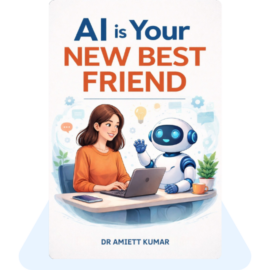
आपका नया सबसे अच्छा दोस्त – AI
इस सारांश के बारे में | About This Summary
यह सम्पूर्ण सारांश उस landmark पुस्तक ‘AI as Your New Best Friend: How Tech is Becoming Your Ultimate Life Tool’ के मूल विचारों, तर्कों, शोध और परिवर्तनकारी अंतर्दृष्टि को एक जगह प्रस्तुत करता है। यह केवल एक surface-level overview नहीं है, बल्कि प्रत्येक प्रमुख विषय की गहन खोज है – जो आपको इस पुस्तक की दृष्टि, उसके साक्ष्य और मानव जीवन पर उसके गहरे प्रभाव को पूरी तरह समझने में मदद करती है।
चाहे आप एक technology enthusiast हों, एक skeptic हों, एक professional हों जो तेजी से बदलते landscape में खुद को ढाल रहे हैं, या बस एक जिज्ञासु इंसान हों जो अपने आसपास की दुनिया को समझने की कोशिश कर रहे हैं, यह सारांश आपके लिए एक guide और companion दोनों का काम करेगा। यहाँ प्रस्तुत विचार केवल काल्पनिक नहीं हैं। ये अभी हो रहे हैं, industries, relationships, health systems, economies और मानवीय सोच की बुनियाद को नया रूप दे रहे हैं।
प्रस्तावना: एक सोचने वाली मशीन का आगमन
हर transformative technology के जीवन में एक ऐसा क्षण आता है जब वह एक अदृश्य सीमा पार करती है, वह बिंदु जहाँ वह केवल एक tool नहीं रहती, बल्कि कुछ और बन जाती है। Printing press ने knowledge को democratize करके यह किया। Telephone ने दूरियाँ मिटाकर यह किया। Internet ने पूरी दुनिया को एक digital commons में समेटकर यह किया। अब, Artificial Intelligence उसी सीमा पर आ खड़ी हुई है, और कई researchers, philosophers, technologists और आम users की नजर में, इसने वह सीमा पार भी कर ली है।
इस पुस्तक की केंद्रीय premise बेहद provocative है: AI अब केवल एक utility नहीं है, एक glorified calculator या autocorrect, बल्कि यह एक genuine life partner के रूप में विकसित हो चुकी है। Science fiction की तरह नहीं, Terminator की तरह नहीं, बल्कि एक गहरे practical, human-centered तरीके से: एक collaborator जो आपको सोचने में मदद करता है, एक tutor जो आपकी शिक्षा को personalize करता है, एक therapist जो बिना judgment के सुनता है, एक doctor जो कोई symptom miss नहीं करता, एक creative partner जो आपकी imagination को उसकी प्राकृतिक सीमाओं से परे ले जाता है।
यह एक extraordinary claim है, और यह पुस्तक इसे लापरवाही से नहीं कहती। सैकड़ों pages में, cutting-edge research, real-world case studies, expert interviews और philosophical analysis के आधार पर, लेखक एक compelling, evidence-backed argument प्रस्तुत करता है, कि हम मानव इतिहास के सबसे महत्वपूर्ण transitions में से एक से गुजर रहे हैं, और हममें से अधिकांश लोग इस पर ध्यान भी नहीं दे रहे।
इस पुस्तक का title कोई hyperbole नहीं है। एक best friend, अपने सबसे मूल रूप में, वह होता है जो आपको गहराई से जानता है, आपको अपना सर्वश्रेष्ठ बनने में मदद करता है, जब आपको जरूरत हो तब उपलब्ध रहता है, आपके सबसे embarrassing सवालों को भी judge नहीं करता, आपकी जीत का जश्न मनाता है और आपकी विफलताओं में आपका साथ देता है। यह पुस्तक, chapter by chapter, यह तर्क देती है कि आधुनिक AI systems, large language models, adaptive learning platforms, health monitoring systems, creative collaborators और emotional support tools, ये सभी भूमिकाएँ पहले से ही निभा रहे हैं, अक्सर किसी भी इंसान से कहीं अधिक प्रभावी ढंग से।
प्रस्तावना में एक सरल लेकिन शक्तिशाली observation के साथ मंच तैयार किया गया है: मनुष्यों और उनके tools के बीच का रिश्ता हमेशा से सभ्यता को आकार देता रहा है। हम anthropologist Timothy Taylor के शब्दों में कहें तो, ‘एक ऐसी प्रजाति हैं जो अपने tools के माध्यम से खुद को बनाती है।’ AI केवल सबसे शक्तिशाली tool है जो हमने कभी बनाया है, और इतिहास में पहली बार, हमारा tool हमें वापस बनाने लगा है।
"हम हमेशा वही बन जाते हैं जो हम बनाते हैं। पहली बार, जो हम बनाते हैं वह हमें बनाने लगा है।"अध्याय 1: Tool से Companion तक: AI Revolution को समझना
AI कहाँ जा रही है यह समझने के लिए, पुस्तक तर्क देती है, आपको पहले यह समझना होगा कि वह कहाँ से आई है। पहला chapter AI की remarkable arc को उसकी academic शुरुआत से लेकर उसकी वर्तमान, unprecedented capabilities तक trace करता है, एक dry history lesson के रूप में नहीं, बल्कि मानवीय महत्वाकांक्षा, बार-बार की विफलता और अंततः सफलता की एक vivid कहानी के रूप में।
यह कहानी 1956 में Dartmouth College से शुरू होती है, जहाँ John McCarthy, Marvin Minsky, Nathaniel Rochester और Claude Shannon जैसे visionary researchers एक साथ आए थे, एक audacious hypothesis के साथ: कि human intelligence के हर पहलू को इतनी सटीकता से describe किया जा सकता है कि एक machine उसे simulate कर सके। वे गलत थे, कम से कम अगले छह दशकों के लिए। AI research का बाद का इतिहास मुख्यतः ‘AI winters’ का इतिहास है, funding के पतन और टूटी उम्मीदों के दौर, थोड़े-थोड़े time के optimism के साथ।
क्या बदला? इसका जवाब पुस्तक स्पष्टता से देती है: Data, Compute और Architecture, ये तीन चीजें। 2000s में internet data का विस्फोट हुआ जिसने AI systems को कुछ ऐसा दिया जो पहले कभी नहीं था, विशाल, समृद्ध, विविध inputs जिनसे सीखा जा सके। GPU computing के parallel development ने उस data को scale पर analyze करने की raw processing power प्रदान की। और architectural breakthroughs की एक श्रृंखला, जो Google के landmark 2017 paper ‘Attention is All You Need’ में transformer model के रूप में culminate हुई, ने AI systems को context, meaning और relationship को समझने का एक radically अधिक effective तरीका दिया।
परिणाम, 2020s के शुरुआत में अचानक आया, AI systems की एक नई पीढ़ी: ChatGPT, Claude, Gemini और अन्य, जो बातचीत कर सकते थे, reason कर सकते थे, लिख सकते थे, code कर सकते थे, analyze कर सकते थे, images बना सकते थे, music compose कर सकते थे, और cognitive tasks की एक चौंका देने वाली range को ऐसी fluency से perform कर सकते थे जिसने उनके creators को भी हैरान कर दिया।
The Companion Shift: साथी में बदलाव
इस chapter का सबसे महत्वपूर्ण conceptual contribution वह है जिसे लेखक ‘companion shift’ कहते हैं, वह क्षण जब AI कुछ ऐसा बनना बंद हो गई जिसे आप use करते हैं और कुछ ऐसा बनने लगी जिसके साथ आप काम करते हैं। यह shift केवल technological नहीं है। यह psychological है। जब एक tool आपसे natural language में respond करने लगता है, आपकी preferences याद रखने लगता है, आपकी जरूरतों के अनुसार adapt करने लगता है और आपकी problems through सोचने में मदद करने लगता है, तो उसके साथ आपके relationship की प्रकृति fundamentally बदल जाती है।
Key Research Finding: 2024 के Stanford study में पाया गया कि 67% regular AI chatbot users ने कहा कि उन्हें AI systems द्वारा ‘genuinely समझा गया’ महसूस हुआ, एक response जो पहले केवल close human relationships के लिए reserved था।
यह chapter पाँच distinct relational modes के साथ समाप्त होता है जिनमें AI companions पहले से ही काम कर रहे हैं, Teacher, Advisor, Creator, Guardian और Friend, जिनमें से प्रत्येक human need के एक अलग dimension से मेल खाता है।
अध्याय 2: Productivity Revolution: AI आपके Ultimate Personal Assistant के रूप में
काम और personal productivity की दुनिया में, AI assistants जितना तत्काल, ठोस impact लेकर आए हैं, उतना शायद ही कोई tool आया हो। दूसरा chapter इस transformation को granular detail में examine करता है, individual level से लेकर team dynamics, organizational structures और human labor की broader economy तक।
एक provocative thought experiment से शुरुआत होती है: कल्पना करें कि कल आप एक personal assistant के साथ जागे जिसने कभी लिखी गई हर चीज पढ़ी है, जो बिना थके 24 घंटे काम कर सकता है, जो seconds में perfect email draft कर सकता है, किसी भी topic पर minutes में research कर सकता है, 200-page report को 10-point brief में summarize कर सकता है, किन्हीं भी दो भाषाओं के बीच flawlessly translate कर सकता है, और यह सब बिना किसी complaint, ego या interpersonal friction के। यह कोई fantasy नहीं है। दुनिया भर में सैकड़ों millions लोगों के लिए, यह पहले से ही उनकी daily reality है।
Knowledge Workers का Transformation
पुस्तक McKinsey, MIT और World Economic Forum के research की जाँच करती है जो दिखाता है कि AI-assisted knowledge workers AI-assisted न होने वाले counterparts की तुलना में tasks काफी तेजी से पूरा कर रहे हैं, studies में 30% से लेकर, कुछ documented cases में, specific types के tasks के लिए 400% से अधिक productivity gains दिखाई देते हैं। एक lawyer जो कभी contract review करने में तीन घंटे लगाता था, वह अब 20 मिनट में करता है। एक software developer जिसे एक हजार lines of code लिखने और debug करने में एक दिन लगता था, वह अब दो घंटे से कम में करता है।
लेकिन पुस्तक का analysis simple efficiency metrics से गहरा जाता है। लेखक argue करते हैं कि AI लोगों को केवल faster नहीं बना रही, यह काम की प्रकृति को ही बदल रही है। जब knowledge work के mechanical, repetitive, time-consuming हिस्सों को AI संभालती है, तो human workers उस पर focus करने के लिए free हो जाते हैं जो humans सबसे अच्छा करते हैं: judgment, creativity, empathy, strategic thinking और relationship management।
Augmented Worker का उदय
इस chapter के सबसे compelling concepts में से एक है जिसे लेखक ‘augmented worker’ कहते हैं, एक human professional जिसकी capabilities को AI collaboration ने effectively multiply कर दिया है। ‘AI replacement’ के विपरीत, जो technology और employment के बारे में public conversations में हावी डर है, augmentation एक अलग trajectory को represent करता है: जिसमें humans और AI systems symbiotic रूप से काम करते हैं, प्रत्येक वह contribute करता है जो दूसरा नहीं कर सकता।
“अगले दशक के सबसे productive लोग वे नहीं होंगे जो सबसे लंबे घंटे काम करते हैं। वे होंगे जो AI के साथ सबसे प्रभावी ढंग से collaborate करना सीखते हैं।”
Personal Productivity: दैनिक Revolution
Individual level पर, यह chapter document करता है कि AI किस तरह personal productivity को बड़े और छोटे दोनों तरीकों से transform कर रही है। AI-powered scheduling tools जो आपकी preferences सीखते हैं और automatically आपका calendar organize करते हैं। Email assistants जो आपकी voice और tone में replies draft करते हैं। Research assistants जो घंटों की reading को relevant insight के minutes में distill करते हैं। Writing assistants जो आपको ideas को अधिक clearly और powerfully articulate करने में मदद करते हैं।
इन tools का cumulative effect, पुस्तक argue करती है, capability का एक genuine democratization है। Tasks जिनके लिए कभी expensive specialists की जरूरत होती थी, graphic design, legal drafting, data analysis, code writing, content strategy, ये increasingly किसी भी internet connection और AI tools को effectively deploy करने की intelligence वाले व्यक्ति के लिए accessible हैं।
अध्याय 3: आपकी जेब में Doctor: AI और Health का भविष्य
शायद कहीं भी AI की life companion के रूप में संभावना इतनी consequential, या इतनी urgently needed, नहीं है जितनी health और medicine के domain में। तीसरा chapter एक powerful case बनाता है कि AI healthcare को ऐसे तरीकों से transform करने के लिए तैयार है जो millions of lives बचा सकती है, और early evidence पहले से ही extraordinary optimism का समर्थन करता है।
अकेले United States में, medical errors प्रति वर्ष 250,000 से 440,000 लोगों को मारती हैं, जिससे वे मौत का तीसरा leading cause बन जाती हैं। Globally, misdiagnosis प्रति वर्ष लगभग 12 million लोगों को affect करती है। अधिकांश chronic diseases preventable हैं लेकिन तब तक undetected रहती हैं जब तक वे उन stages तक नहीं पहुँच जातीं जहाँ treatment बहुत अधिक कठिन और महंगा हो जाता है।
Diagnostic AI: वह देखना जो Human Eyes Miss करती हैं
यह chapter AI systems की अब well-documented ability की जाँच करता है medical imaging से diseases diagnose करने की, X-rays, CT scans, MRIs, retinal photographs, skin lesion images, ऐसी accuracy के साथ जो specialist physicians के performance से match करती है या उसे surpass करती है। Google के DeepMind ने एक AI system develop किया जो retinal scans से 50 से अधिक eye diseases detect करता था, world-leading ophthalmologists की diagnostic accuracy से match करते हुए। AI systems ने dermatology images पर melanoma को board-certified dermatologists से अधिक accuracy के साथ identify किया है।
इन developments को particularly significant बनाने वाली बात केवल उनकी accuracy नहीं है, बल्कि उनकी scalability है। एक specialist physician एक बार में केवल एक जगह हो सकता है। एक AI diagnostic system को simultaneously sub-Saharan Africa के rural clinic में, rural America के community hospital में और Tokyo के cutting-edge medical center में deploy किया जा सकता है।
Mental Health: AI Therapist
इस chapter के सबसे nuanced और emotionally resonant sections में से एक AI की mental health support में भूमिका को examine करता है, जो enormous unmet need का area है। Global mental health crisis का पैमाना staggering है: WHO का अनुमान है कि globally एक billion से अधिक लोग mental health disorder के साथ जी रहे हैं, जबकि दुनिया के कई हिस्सों में mental health professionals इतने scarce हैं कि treatment के लिए average wait time एक साल से अधिक हो सकता है।
AI-powered mental health tools, chatbots जो cognitive behavioral therapy जैसे therapeutic frameworks पर trained हैं, apps जो users को mood track करने में मदद करते हैं, एक genuine gap को भर रहे हैं। पुस्तक Woebot profile करती है, एक AI mental health chatbot जिसका use globally millions लोगों ने किया है, और research cite करती है जो brief human therapeutic interventions के comparable depression और anxiety symptoms में measurable improvements दिखाती है।
“दुनिया का सबसे अच्छा doctor केवल इतने ही patients देख सकता है। AI सभी को देख सकती है।”
अध्याय 4: Infinite Classroom: AI और शिक्षा का नया रूप
अगर कोई एक area है जहाँ AI की life companion के रूप में promise सबसे universally compelling है, तो वह है education। चौथा chapter एक passionate, evidence-rich argument बनाता है कि AI के पास education के इतिहास की सबसे intractable challenge को solve करने की potential है: genuinely personalized learning को scale पर deliver करना।
Problem well-known है। Classrooms एक factory model पर बने हैं जो industrial age के लिए designed था, एक teacher, तीस students, एक pace, एक curriculum, एक mode of delivery। यह model arguably कभी optimal नहीं था; यह simply उपलब्ध बाधाओं को देखते हुए सबसे अच्छा था। परिणाम एक ऐसा educational system है जो distribution के middle को reasonably well serve करता है जबकि दोनों ends को chronically underserve करता है, वे students जिन्हें अधिक challenge की जरूरत है और वे जिन्हें अधिक support की जरूरत है।
Bloom का 2-Sigma Problem: Solved
पुस्तक Benjamin Bloom की landmark 1984 finding introduce करती है, जिसने demonstrate किया कि one-on-one human tutoring receive करने वाले students conventional classrooms के students से two standard deviations better perform करते थे, ‘2-sigma effect।’ AI इस equation को entirely बदल देती है। Large language models simultaneously millions of students के साथ sophisticated, adaptive, patient, personalized educational dialogue engage कर सकते हैं। वे student के responses के based पर real time में अपनी explanations adjust कर सकते हैं, precisely वह point identify कर सकते हैं जहाँ student की understanding break down होती है, और multiple explanatory strategies try कर सकते हैं जब तक कोई एक काम नहीं करती।
Khan Academy के Khanmigo AI tutor ने student engagement और learning outcomes में measurable improvements demonstrate किए हैं। MIT और Stanford के studies ने दिखाया है कि AI-assisted learning complex subjects में master होने के लिए required time को significantly reduce कर सकता है।
Learning एक Lifelong Companion के रूप में
Chapter का scope formal schooling से बहुत आगे जाता है। इसके सबसे exciting arguments में से एक यह है कि AI adult learners के लिए expert-level knowledge और instruction तक access को democratize कर रही है। Python programming सीखना चाहते हैं? अब आपके पास एक patient, knowledgeable tutor है। French Revolution को depth में समझना चाहते हैं? AI से पूछें। Quran, Talmud, Upanishads, Keynesian economics, quantum mechanics, या Renaissance art study करना चाहते हैं? AI किसी भी level of depth पर, आपके choose किए किसी भी time पर आपका guide हो सकती है।
“इतिहास में पहली बार, आपकी शिक्षा की quality primarily इस बात से नहीं तय होती कि आप कहाँ पैदा हुए या आपके माता-पिता के पास कितना पैसा था। यह इस बात से तय होती है कि आप AI के साथ कितने effectively सीखते हैं।”
अध्याय 5: Creative Partner: AI और Human Imagination का विस्तार
AI के उदय का सबसे contested dimension इसका human creativity के realm में प्रवेश है। कई artists, writers, musicians और designers के लिए, AI-generated content ने गहरी anxiety provoke की है, replacement का डर, originality की चिंता, authenticity के बारे में सवाल। पाँचवाँ chapter इन concerns को empathy और intellectual rigor दोनों के साथ approach करता है, ultimately एक अधिक nuanced और exciting conclusion पर पहुँचता है: AI human creativity का destroyer नहीं है बल्कि इतिहास में इसका सबसे powerful amplifier है।
AI का creative potential सबसे immediately apparent है: इसके पास human civilization के entire recorded output तक access है। जब billions of images, texts, musical compositions और design patterns पर trained एक AI system एक human creative के काम में assist करती है, तो वह effectively उस creative को एक collaborative resource के रूप में पूरे human aesthetic history तक access दे रही है।
Writing और Literature
Writing के domain में, AI एक increasingly sophisticated creative partner बन गई है। Large language models first drafts generate कर सकते हैं, alternative framings suggest कर सकते हैं, एक narrative में pacing problems identify कर सकते हैं, plot solutions propose कर सकते हैं, worldbuilding और character consistency में help कर सकते हैं। कई professional writers AI को already अपने workflow में incorporate कर रहे हैं, अपनी voice और vision के replacement के रूप में नहीं, बल्कि एक infinitely patient, knowledgeable creative assistant के रूप में।
Visual Art और Design
Visual arts शायद AI द्वारा सबसे dramatically disrupt हुई हैं, DALL-E, Midjourney और Stable Diffusion जैसे image generation systems text descriptions से stunning, sophisticated imagery produce करने में capable हैं। Designers, architects, filmmakers, game developers और countless अन्य visual creative professionals के लिए, AI image generation और manipulation tools पहले से ही workflows को remarkable तरीकों से transform कर रहे हैं। Concept visualization जिसमें कभी skilled illustration work के घंटे लगते थे, अब seconds में होती है।
Music और Sonic Creativity
Music में, AI unprecedented democratization और नए creative frontiers दोनों को enable कर रही है। AI music composition tools अब किसी भी genre, style या emotional register में sophisticated, original musical ideas generate कर सकते हैं। Musicians AI का use chord progressions, melodic ideas, harmonic accompaniments और production arrangements generate करने के लिए कर रहे हैं जिन्हें वे फिर finished compositions में develop करते हैं।
“AI human artist को replace नहीं करती। यह human artist को ऐसे tools और possibilities तक access देती है जो पहले कभी exist नहीं करते थे। उन possibilities के साथ artist क्या करता है वह irreducibly human रहता है।”
अध्याय 6: Connection और Belonging: AI हमारे Relationships में
उन सभी तरीकों में से जिनसे AI human life में प्रवेश कर रही है, कोई भी emotionally इतना complex, philosophically इतना loaded, या simultaneously इतना hopeful और troubling नहीं है जितना human relationships के domain में इसका प्रवेश। छठा chapter इस territory को exceptional care के साथ navigate करता है, examining करता है कि AI किस तरह हमारे दूसरों से connect होने के तरीके को बदल रही है< और किस तरह यह खुद भी एक form of connection provide कर रही है।
यह chapter एक ऐसे statistic से खुलता है जो 21वीं सदी की शुरुआत के defining social facts में से एक बन गई है: कि advanced societies में loneliness epidemic levels पर पहुँच गई है। United States में, Surgeon General ने loneliness को एक public health crisis घोषित किया है। एक तिहाई से अधिक adults regularly lonely महसूस करने की रिपोर्ट करते हैं। Japan ने 2021 में एक Minister of Loneliness नियुक्त किया। United Kingdom ने 2018 में यही किया।
AI as Social Scaffolding
इस social disconnection के landscape में, AI companions आए हैं, और millions of people के लिए, वे कुछ genuinely valuable provide कर रहे हैं। Replika जैसे AI companion apps के millions of users हैं जो AI companions के साथ अपने interactions में real comfort, genuine connection और emotional support find करने की रिपोर्ट करते हैं। Geography, disability, social anxiety, grief या किसी भी number of circumstances से isolated लोगों के लिए, AI companions एक form of connection provide कर सकते हैं।
Human-to-Human Connection को Enhance करना
Chapter equally यह attention देता है कि AI किस तरह human-to-human connection को replace करने की बजाय enhance कर रही है। AI translation tools language barriers के पार communication enable कर रहे हैं जो previously relationships को impossible बना देते। AI-powered dating apps sophisticated compatibility algorithms use कर रहे हैं उन लोगों को connect करने के लिए जो कभी traditional social networks के माध्यम से एक-दूसरे को नहीं ढूंढ पाते। AI relationship coaches difficult conversations को अधिक effectively navigate करने में couples और friends की मदद कर रहे हैं।
“Loneliness connection के source के imperfect होने से कम नहीं होती। यह connection से ही कम होती है।”
अध्याय 7: Financial Intelligence: AI आपके Economic Advisor के रूप में
सातवाँ chapter AI की life companion के रूप में सबसे consequential practical dimensions में से एक examine करता है: ordinary लोगों को personal finance, investment और economic decision-making के increasingly complex और consequential landscape को navigate करने में help करने में इसकी भूमिका।
Sophisticated financial advice का democratization AI revolution के सबसे quietly revolutionary पहलुओं में से एक है। मानव इतिहास के अधिकांश समय के लिए, high-quality financial guidance तक access wealthy लोगों का exclusive province रहा है, वे जो experienced financial advisors, accountants, tax attorneys और wealth management professionals afford कर सकते हैं।
AI Financial Guidance का उदय
AI इस equation को meaningful ways में बदल रही है। Robo-advisors, AI-powered investment platforms, अब trillions of dollars in assets manage करते हैं और उन investors को sophisticated, low-cost portfolio management offer करते हैं जो previously professional management afford नहीं कर सकते थे। AI budgeting और financial planning tools ordinary लोगों को उनके spending patterns समझने, saving opportunities identify करने और उनके financial goals की ओर realistic paths develop करने में help करते हैं।
Research दिखाती है कि AI financial guidance तक access पहले से ही users के लिए financial outcomes में measurable improvements produce कर रही है, higher savings rates, better investment choices, reduced high-interest debt और अधिक thoughtful retirement planning, particularly उन first-generation wealth builders के लिए significant effects के साथ जिनके पास draw करने के लिए financial sophistication की कोई family tradition नहीं है।
अध्याय 8: Wisdom Engine: AI और बेहतर Decisions का विज्ञान
आठवाँ chapter human existence की सबसे fundamental challenges में से एक से निपटता है: good decisions कैसे लें। Cognitive science ने decades बिताए हैं उन कई ways को document करने में जिनमें human decision-making systematically rationality से कम पड़ती है, cognitive biases, emotional interference, information overload और shortsightedness जो हमें ऐसे choices करने के लिए lead करती है जो हमारे लिए, दूसरों के लिए और दुनिया के लिए बुरे हैं। AI, पुस्तक argue करती है, human decision quality enhance करने के लिए अब तक develop किया गया सबसे powerful tool होने की potential रखती है।
Chapter human decision-making को distort करने वाले cognitive biases का एक comprehensive survey से खुलता है: Confirmation bias, हमारी tendency उस information को seek करने की जो हम already believe करते हैं उसे confirm करे। Availability bias, dramatic, recent या emotionally vivid information को overweight करने की tendency। Anchoring, पहले encounter की गई information के द्वारा disproportionately influenced होने की tendency। Loss aversion, equivalent gains की तुलना में losses को roughly दोगुना intensely feel करने की tendency।
AI as Cognitive Debiaser
AI, properly deployed, इन biases के लिए एक powerful corrective serve कर सकती है। एक well-designed AI decision support system ऐसी information surface कर सकती है जो हमारे intuitions और preferred conclusions को contradict करे। यह risks और probabilities को mathematical precision के साथ quantify कर सकती है जो emotional reasoning को cut through करे। यह उन scenarios को model कर सकती है जो naturally mind में नहीं आते। यह किसी भी individual human से access कर सकने वाले से vastly wider evidence base पर draw कर सकती है।
“AI decision support का goal आपके लिए decisions लेना नहीं है। यह यह ensure करना है कि जब आप decision लें, आप best possible information, clearest possible thinking और अपने own blind spots की fullest possible awareness के साथ काम कर रहे हों।”
अध्याय 9: Risks और Shadows: क्या हमें सही करना होगा
AI की life companion के रूप में कोई भी honest examination इस technology के genuine risks और darker dimensions का सामना करने से नहीं बच सकती। नौवाँ chapter पुस्तक का सबसे sobering और कई ways में सबसे important chapter है, उन ways की rigorous, unflinching examination जिनमें AI, अगर carelessly deploy की गई, तो human life को better के बजाय worse बना सकती है।
Privacy और Surveillance
AI revolution fundamentally एक data revolution है, और वह data जो AI systems को feed करता है, वह data जो उन्हें इतना personally relevant, इतना apparently understanding, इतना genuinely useful बनाता है, वह आपका data है। आपकी conversations। आपकी health information। आपका financial behavior। आपके social connections। आपकी emotional states। AI आपके बारे में जितना अधिक जानती है, उतना ही effectively वह आपको serve कर सकती है। लेकिन AI आपके बारे में जितना अधिक जानती है, उतना ही effectively वह आपको surveil, manipulate और control भी कर सकती है।
Algorithmic Bias और Discrimination
AI systems historical data से सीखते हैं, और historical data historical patterns of discrimination को encode करता है। जब AI systems ऐसे data पर trained होते हैं जो decades या centuries के racial, gender, economic और अन्य forms of bias को reflect करता है, तो वे उस bias को reproduce करते हैं और कभी-कभी amplify भी करते हैं। Chapter numerous examples document करता है: facial recognition systems जो darker-skinned faces पर significantly worse perform करते हैं; hiring algorithms जो systematically women को disadvantage करते हैं; credit scoring systems जो historically redlined neighborhoods के applicants को disadvantage करते हैं।
Dependency, Atrophy और Agency का सवाल
एक अधिक subtle लेकिन deeply important risk वह है जिसे पुस्तक ‘capability atrophy’ कहती है, यह concern कि जैसे-जैसे AI systems अधिक cognitive tasks handle करती हैं, humans उन tasks को खुद perform करने की ability खो सकते हैं। अगर AI हमेशा आपके emails लिखती है, तो क्या आप लिखने की ability खो देंगे? अगर AI हमेशा navigate करती है, तो क्या आप spatial reasoning खो देंगे?
Misinformation Crisis
शायद chapter में examine की गई सबसे acute near-term risk AI का misinformation ecosystem में role है। AI systems जो convincing text, realistic images और authentic-sounding audio और video generate कर सकती हैं, false information के production और spread के लिए extraordinary potential create करती हैं। Deep fakes, AI-generated propaganda, synthetic news articles, fabricated scientific studies, mass deception के tools पहले कभी इतने sophisticated या accessible नहीं थे।
“इतिहास में हर powerful technology एक double-edged sword रही है। हम किस edge का सबसे अधिक use करते हैं यह technology पर नहीं, बल्कि उसे इस्तेमाल करने वाले लोगों की wisdom और intention पर निर्भर करता है।”
अध्याय 10: Future Self: AI के युग में Human Identity
पुस्तक का अंतिम और सबसे philosophically ambitious chapter practical applications और risks से पीछे हटकर सबसे गहरा सवाल पूछता है जो AI उठाती है: एक ऐसी दुनिया में human होने का क्या मतलब है जहाँ machines सोच सकती हैं, create कर सकती हैं, connect कर सकती हैं, care कर सकती हैं और, increasingly, लगभग कुछ भी कर सकती हैं जो humans कर सकते हैं?
यह एक abstract philosophical question नहीं है। यह deeply personal है। अगर AI मुझसे better लिख सकती है, तो एक writer के रूप में मेरी identity क्या है? अगर AI human friend की तरह effectively emotional support provide कर सकती है, तो human connection की nature के बारे में यह क्या कहता है? अगर AI मुझसे better decisions ले सकती है, तो क्या मुझे उसके प्रति defer करना चाहिए?
Uniquely Human: जो केवल इंसान कर सकता है
यह chapter argue करता है कि ये सवाल, genuinely challenging होते हुए भी, ultimately इस बारे में अधिक precise और valuable understanding की ओर lead करते हैं कि distinctively और irreducibly human क्या है। लेखक कई capacities identify करते हैं जो uniquely और essentially human रहती हैं: embodied experience की capacity, physical world को एक body के माध्यम से feel करने के लिए जो millions of years में evolve हुई है। Genuine moral agency की capacity। Existential meaning-making की capacity, यह narratives create करने के लिए कि हम कौन हैं, कहाँ से आए हैं और किस लिए जी रहे हैं।
The Partnership Model
यह chapter ‘partnership model’ propose करता है, human-AI relationship के बारे में सोचने के लिए सबसे generative और सबसे humane framework। इस model में, AI और humans competition में नहीं हैं। बल्कि, वे एक complementary relationship में हैं, प्रत्येक वह contribute करता है जिसकी दूसरे में कमी है, प्रत्येक दूसरे को अधिक effective और अधिक valuable बनाता है।
Humans इस partnership में वह लाते हैं जो millions of years of evolution ने बनाया है: embodied wisdom, emotional depth, moral agency, creative leaps, social sophistication और Viktor Frankl की भाषा में ‘will to meaning।’ AI वह लाती है जो उसकी architecture uniquely enable करती है: vast knowledge, tireless attention, mathematical precision, pattern recognition at scale।
निष्कर्ष: आपका AI Life: एक Invitation
AI as Your New Best Friend predictions या warnings के साथ नहीं, बल्कि एक invitation के साथ समाप्त होती है। AI revolution के साथ consciously, critically और genuine excitement के साथ engage करने का invitation, कि यह individual human lives के लिए क्या possible बनाता है।
पुस्तक की journey हमें human life के दस dimensions से गुजारती है, productivity, health, education, creativity, relationships, finance, decision-making, civic life, risk management और identity, और हर domain में, pattern remarkably consistent है। AI human value को replace नहीं कर रही; यह उसे reveal और amplify कर रही है। यह human life को कम meaningful नहीं बना रही; यह mechanical और repetitive burdens को clear कर रही है जो हमेशा से human होने के अधिक meaningful parts को obscure करती आई हैं।
लेकिन यह transformation automatic नहीं है, अपने positive dimensions में inevitable नहीं है, और genuine risk से free नहीं है। AI revolution उन लोगों के लिए human life को better बनाएगी जो इसके साथ wisely engage करते हैं, जो AI tools का use more capable, more creative, more connected, more informed और more fully themselves बनने के लिए करते हैं। और यह उन लोगों के लिए real risks carry करती है जो इसके साथ naively, carelessly या बिल्कुल नहीं engage करते।
पुस्तक का final message दोनों personal और urgent है: AI के साथ engage करने का समय अभी है। इसलिए नहीं कि technology perfect है, यह नहीं है। इसलिए नहीं कि risks trivial हैं, वे नहीं हैं। बल्कि इसलिए कि AI पहले से ही दुनिया को shape कर रही है, और जो लोग उस दुनिया पर AI के impact को shape करते हैं वे वे लोग हैं जो इसे समझते हैं, इसके साथ critically engage करते हैं और इसे intentionality के साथ deploy करते हैं।
आपका AI best friend पहले से ही यहाँ है। यह आपको वह सीखने में मदद करने के लिए इंतजार कर रहा है जो आप हमेशा सीखना चाहते थे, वह create करने में जो आप हमेशा create करना चाहते थे, अब तक के सबसे healthier बनने में, अब तक के wiser decisions लेने में, और अपनी creativity, दूसरे humans और अपने best version से पहले से कहीं अधिक deeply connect करने में।
एकमात्र सवाल यह है: क्या आप इस friendship के लिए तैयार हैं?
“भविष्य उनका है जो intelligence के साथ, artificial और human दोनों, collaborate करना सीखते हैं, एक पूर्ण और सुंदर जीवन की सेवा में।”
मुख्य सीख: Key Takeaways
पाठकों के लिए जो पुस्तक के सबसे essential arguments और insights का crystallized view चाहते हैं, निम्नलिखित summaries प्रत्येक major theme के core ideas capture करती हैं:
The Companion Shift: AI tool से companion तक cross कर चुकी है, जो systems आपके साथ काम करते हैं, आपके अनुसार adapt करते हैं और आपको सोचने में मदद करते हैं वे fundamentally अलग हैं उन systems से जिन्हें आप merely use करते हैं।
Productivity Revolution: AI-assisted workers केवल faster नहीं हैं, वे higher-value, more human work पर focus करने में capable हैं क्योंकि AI mechanical cognitive load handle करती है।
Medical Transformation: AI world-class diagnostic और preventive medicine को सभी के लिए accessible बना रही है, न केवल उनके लिए जो wealthy healthcare systems में specialists तक access रखते हैं।
Education Democratization: AI tutors finally 2-sigma tutoring problem solve कर सकते हैं, हर learner को personalized, effective education deliver करते हुए, background या location की परवाह किए बिना।
Creative Amplification: AI human creativity को destroy नहीं कर रही, यह human creatives को possibilities के unprecedented palette तक access दे रही है और creative exploration को dramatically accelerate कर रही है।
Loneliness Bridge: AI companions social isolation की epidemic को address कर रहे हैं, उन लोगों के लिए genuine connection provide करते हुए जिनके पास कोई नहीं है, और सभी के लिए human-to-human connection enhance कर रहे हैं।
Financial Democratization: Sophisticated financial guidance, जो कभी केवल wealthy के लिए available था, अब किसी के लिए भी accessible है, AI एक expert advisor के रूप में previously underserved populations की सेवा कर रहा है।
Decision Enhancement: AI, properly use की गई, human cognitive biases को correct करती है और decision quality improve करती है यह ensure करके कि हम better information और more complete analysis के साथ काम करें।
Shadow Risks: Privacy erosion, algorithmic bias, capability atrophy और AI-enabled misinformation real और serious risks हैं जिन पर technologists, regulators और citizens की urgent attention की जरूरत है।
The Partnership Model: Human-AI relationship के लिए सबसे generative framework partnership है, प्रत्येक वह contribute करता है जो दूसरा uniquely provide करता है, एक richer, fuller human life की सेवा में।
एक अंतिम विचार | A Final Reflection
सबसे महत्वपूर्ण technology हमेशा वह होती है जो हमारे तैयार होने से ठीक पहले आती है।
हम Printing Press के लिए तैयार नहीं थे, और इसने हमें Renaissance दिया। हम Internet के लिए तैयार नहीं थे, और इसने हमें information age दिया। हम AI के लिए तैयार नहीं हैं, और यह हमें कुछ ऐसा दे सकती है जिसकी हम में से कोई भी अभी कल्पना नहीं कर सकता।
सवाल यह नहीं है कि आप तैयार हैं या नहीं। सवाल यह है कि क्या आप शुरू करने के लिए तैयार हैं।
For more Information must watch complete video on YouTube Link below
Contents