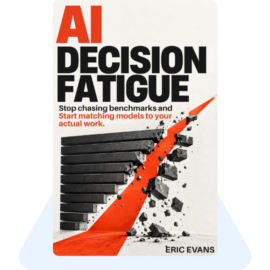
AI Decision Fatigue: 2026 में Clear Thinking और Better Choices के लिए 7 Books
Artificial Intelligence ने answer पाना पहले से कहीं आसान बना दिया है। आप 10 business ideas पूछिए और कुछ seconds में आपको list मिल सकती है। दो careers, तीन laptops, पांच investment approaches या 20 productivity systems compare करने को कहिए, तो लगभग तुरंत एक polished response मिल सकता है। लेकिन ज्यादा answers का मतलब हमेशा ज्यादा clarity नहीं होता। कई बार इसका उल्टा होता है ज्यादा options, ज्यादा second-guessing, ज्यादा comparison और यह growing fear कि शायद कोई और बेहतर answer है जिसे आपने अभी पूछा ही नहीं।
यहीं AI decision fatigue का idea useful बनता है। यह कोई medical diagnosis नहीं है। यह उस experience को describe करने का practical तरीका है जो तब हो सकता है जब कोई व्यक्ति रोज़मर्रा के choices के लिए बार-बार AI, search engines, recommendation systems, social media और endless online information पर depend करने लगे। Mind को options खोजने के काम में मदद मिल सकती है, लेकिन किस option पर trust करना चाहिए, यह decide करने का कठिन burden फिर भी उसी के पास रहता है। जब हर decision एक नया prompt, नया comparison, नई recommendation और नया “what if” पैदा कर सकता है, तब technology एक तरह का effort कम करते हुए दूसरे तरह का effort बढ़ा सकती है।
2026 में यह और important है क्योंकि AI अब specialist workflows तक limited नहीं है। वह writing tools, search products, phones, workplaces, education, shopping, finance, productivity apps और creative work में मौजूद है। Human-AI interaction पर recent research cognitive offloading, AI dependence, critical thinking और cognitive fatigue जैसे topics को study कर रही है। Findings इतनी simple नहीं हैं कि हम कह दें “AI हमें smarter बनाता है” या “AI हमें lazy बनाता है।” 2026 की एक study, जिसमें AI-assisted और manual task performance compare की गई, ने पाया कि AI users ने कम reported mental effort के साथ ज्यादा correct responses दिए। लेकिन उसी research ने यह भी दिखाया कि AI को use करने का तरीका matter करता है complete delegation और selective, strategic engagement में बड़ा फर्क था। दूसरी research ने यह highlight किया कि heavy cognitive offloading reduced cognitive autonomy से associated हो सकता है, जबकि structured use और metacognitive reflection independent thinking को preserve करने में मदद कर सकते हैं।
Readers Books Club के लिए इससे एक perfect reading question निकलता है: जब information पाना effortless हो जाए, तब कौन-सी books हमें thoughtful बने रहने में मदद कर सकती हैं? इसका answer कोई एक “anti-AI” book नहीं है। सबसे useful reading list decision science, psychology, uncertainty, information management, computer science और practical AI literacy को combine करती है। ये books cognitive overload कम करने, bias पहचानने, choice manage करने, uncertainty tolerate करने और technology use करते समय अपना judgement बचाए रखने में मदद कर सकती हैं।
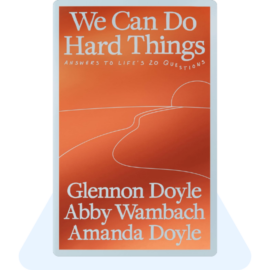
इस guide की सात books हैं: Clear Thinking by Shane Parrish, Thinking in Bets by Annie Duke, The Paradox of Choice by Barry Schwartz, Noise by Daniel Kahneman, Olivier Sibony and Cass R. Sunstein, Algorithms to Live By by Brian Christian and Tom Griffiths, The Organized Mind by Daniel J. Levitin, और Co-Intelligence by Ethan Mollick। साथ मिलकर ये ऐसी दुनिया के लिए practical toolkit बनाती हैं जहां answers abundance में हैं, लेकिन attention, time, judgement और mental clarity अब भी limited resources हैं।
अगर आप Readers Books Club, Dr Amiett Kumar, meditation, visualisation, affirmation, spirituality, law of attraction, coaching या self-improvement content follow करते हैं, तो यहां एक और important connection है। Better choices के लिए सिर्फ positive intention काफी नहीं है। हमें pause करना, useful information और noise में फर्क करना, emotional pressure पहचानना और impulses की जगह priorities के आधार पर act करना आना चाहिए। Manifestation techniques किसी व्यक्ति को यह clear करने में मदद कर सकती हैं कि वह क्या चाहता है, लेकिन clarity तभी useful बनती है जब वह responsible decisions और aligned action में बदलती है।
यह article यह नहीं कहता कि लोगों को AI use करना बंद कर देना चाहिए। इसका point ज्यादा useful है: AI को thinking के tool की तरह use कीजिए, thinking के substitute की तरह नहीं।
AI Decision Fatigue क्या है?
Decision fatigue traditionally उस idea को describe करता है कि लगातार decisions लेने से व्यक्ति mentally depleted महसूस कर सकता है, जिससे बाद के choices ज्यादा impulsive, avoidant या inconsistent हो सकते हैं। इसके exact mechanisms और effect की strength context के अनुसार बदलती है, और modern psychology “willpower depletion” से जुड़ी हर popular claim को support नहीं करती। फिर भी everyday experience familiar है: घंटों तक choose, compare, respond और evaluate करने के बाद एक छोटा decision भी disproportionate तरीके से tiring लग सकता है।
AI इसमें एक नई layer जोड़ता है क्योंकि वह plausible options की संख्या बहुत तेजी से बढ़ा सकता है। मान लीजिए कोई व्यक्ति career direction choose कर रहा है। Generative AI से पहले वह mentor से बात करता, कुछ roles research करता और कुछ paths compare करता। अब वह AI assistant से personality के आधार पर 50 careers पूछ सकता है, फिर salaries, growth prospects, remote options, five-year scenarios, pros and cons, personality fit, country comparisons, alternative qualifications और simulated future lives भी पूछ सकता है। हर answer नई branches बनाता है। Original problem था, “मुझे क्या करना चाहिए?” नया problem बन जाता है, “इन सैकड़ों apparently reasonable possibilities में से किस पर trust करूं?”
यह जरूरी नहीं कि AI की failure हो। Tool शायद exactly वही कर रहा हो जो उससे कहा गया था। Overload तब पैदा होता है जब decision process unstructured हो।
Shopping में भी यही pattern दिखता है। AI 20 phones compare कर सकता है, लेकिन user को अभी भी decide करना है कि उसके लिए सबसे important क्या है camera quality, battery, price, privacy, repairability या brand। Relationships में AI किसी conversation की कई interpretations दे सकता है, लेकिन किस interpretation का reality से match है, यह user को ही decide करना होगा। Business में AI strategies suggest कर सकता है, लेकिन organisation कौन-सा risk accept करने को ready है, यह leadership को decide करना होगा। Personal finance में AI options explain कर सकता है, लेकिन uncertainty खत्म नहीं कर सकता और consequences की responsibility नहीं ले सकता।
2026 की recent research इस discussion को और weight देती है। Cognitive Processing में published एक study ने report किया कि AI-assisted participants ने कम mental effort के साथ task में बेहतर performance दी, लेकिन researchers ने complete delegation और ज्यादा strategic AI engagement दोनों observe किए। University students पर एक दूसरी study ने GenAI use के कई patterns पाए, जिनमें “critical co-thinkers” भी शामिल थे, और report किया कि deeper offloading greater dependence के साथ coexist कर सकता है। 2026 की एक integrative review ने AI over-reliance और cognitive disengagement या psychological distress के बीच associations भी पाए, लेकिन साथ ही caution किया कि काफी evidence cross-sectional था और causation prove नहीं करता। Reasonable conclusion panic नहीं है। Reasonable conclusion intentional use है।
AI era की central skill शायद यह जानना है कि machine से कब पूछना है, machine को कब question करना है और कब पूरी तरह पूछना बंद कर देना है।
AI World में Books अब भी क्यों Matter करती हैं?
Information overload का answer और information suggest करना थोड़ा ironic लग सकता है। लेकिन एक अच्छी book endless feed से अलग होती है। Serious book किसी argument को boundaries देती है। वह आपको एक framework के साथ इतना समय बिताने को कहती है कि आप उसे सच में समझ सकें। हर बार uncertainty महसूस होने पर वह खुद को instantly regenerate नहीं करती। Constant prompting के age में यह slower structure valuable हो सकता है।
Books invisible problems को language भी देती हैं। एक बार आप outcome bias, choice overload, noise, explore-versus-exploit, external memory या default behaviours जैसे concepts सीख लेते हैं, तो उन्हें real decisions में notice करना शुरू कर देते हैं। Goal सात books memorise करना नहीं है। Goal questions की ऐसी mental library बनाना है जो आपके choices improve करे।
इसलिए सबसे useful reading approach यह नहीं है, “कौन-सी book final answer देती है?” Better question है, “कौन-सी book उस mistake को correct करती है जो मैं सबसे ज्यादा करने की संभावना रखता हूं?” अगर आप बहुत जल्दी react करते हैं तो Clear Thinking मदद कर सकती है। अगर आप certainty demand करते हैं तो Thinking in Bets useful है। अगर options में डूब जाते हैं तो The Paradox of Choice relevant है। अगर आपको लगता है judgement हमेशा consistent होता है तो Noise आंखें खोल सकती है। अगर limited time और attention manage करने के systematic तरीके चाहिए तो Algorithms to Live By मदद कर सकती है। अगर information overload आपको exhaust कर रहा है तो The Organized Mind relevant है। और अगर आप AI के साथ काम करना चाहते हैं बिना अपना human role खोए, तो Co-Intelligence सबसे direct starting point हो सकती है।
Book 1: Clear Thinking by Shane Parrish
Best for: Automatic reactions को decision बनने से पहले रोकना
Shane Parrish की Clear Thinking AI decision fatigue के लिए excellent first book है क्योंकि यह decision से भी पहले शुरू होती है। इसका core concern यह है कि ordinary moments में क्या होता है जब emotions, ego, social pressure, inertia या instinct quietly control ले लेते हैं। Parrish argue करते हैं कि life में biggest differences हमेशा dramatic genius moments से नहीं आते; कई बार वे stimulus और response के बीच space create करने की ability से आते हैं।
AI instantly available हो तो यह idea और relevant बन जाता है। जैसे ही uncertainty महसूस हुई, answer पूछा जा सकता है। Answer पसंद नहीं आया तो regenerate किया जा सकता है। Anxiety महसूस हुई तो reassurance मांगी जा सकती है। यह convenience useful है, लेकिन यह उस pause को भी remove कर सकती है जिसमें आपका own judgement develop होता है।
Clear Thinking का practical lesson है अपने defaults identify करना। Confused होने पर आप automatically क्या करते हैं? ज्यादा information search करते हैं? पांच लोगों से पूछते हैं? Social media खोलते हैं? AI से उसी decision को validate करवाते हैं जो आप पहले से लेना चाहते हैं? Certainty आने तक delay करते हैं? ये behaviours analysis जैसे दिख सकते हैं, जबकि कई बार वे avoidance होते हैं।
Parrish का framework pressure आने से पहले safeguards बनाने पर जोर देता है। AI context में इसका मतलब हो सकता है कि recommendations मांगने से पहले आप अपनी criteria define करेंगे। अगर course choose कर रहे हैं, तो पहले budget, learning goal, available hours और required outcome लिखिए। उसके बाद AI से कहिए कि वह options को इन्हीं criteria के against compare करे। यह छोटा reversal powerful है क्योंकि machine आपकी thinking को execute करने में मदद करती है, उस thinking step को replace नहीं करती जहां असली judgement होना चाहिए।
एक और useful principle यह है कि good decisions को environment और rules protect कर सकते हैं। अगर आपको पता है late-night browsing आपको indecisive बनाती है, तो midnight पर expensive purchase मत कीजिए। अगर negative feedback के बाद आप emotionally reactive हो जाते हैं, तो तुरंत AI से confrontational response draft मत करवाइए। अगर confirmation seek करने की tendency है, तो अपने preferred option को support करने से पहले tool से उसे challenge करने को कहिए।
Readers Books Club के उन readers के लिए जो self improvement, mental clarity, coaching, meditation या manifestation में interested हैं, Clear Thinking grounded reminder देती है: clarity सिर्फ feeling नहीं है; clarity वह process है जो predictable mistakes से बचाती है। Meditation pause create करने में मदद कर सकती है। Affirmation चुनी हुई identity remind कर सकती है। Visualisation desired future को clear कर सकती है। लेकिन decision तब और improve होता है जब आप ऐसी conditions design करते हैं जो thoughtful action को आसान बनाएं।
2026 में सबसे ज्यादा information रखने वाला व्यक्ति automatically best choices नहीं करेगा। Advantage उस व्यक्ति के पास हो सकता है जो information abundance के बीच clear रह सके।
Book 2: Thinking in Bets by Annie Duke
Best for: जब certainty possible न हो तब decision लेना
Former professional poker champion Annie Duke ने Thinking in Bets को decision-making की एक बहुत important truth के around बनाया है: good decision का outcome bad हो सकता है, और bad decision का outcome कभी-कभी good भी हो सकता है। Luck, incomplete information और uncertainty life का हिस्सा हैं।
यह obvious लगता है, लेकिन लोग इस principle को constantly violate करते हैं। हम business strategy को इस आधार पर judge करते हैं कि वह चली या नहीं। Medical choice को बाद के outcome से judge करते हैं। Investment को price rise से judge करते हैं। Advice को result positive होने से judge करते हैं। इस tendency को outcome bias कहा जाता है। यह learning को मुश्किल बनाती है क्योंकि process की quality और result की randomness को mix कर देती है।
AI इस confusion को और strong कर सकता है क्योंकि उसके answers अक्सर complete और confident लगते हैं। Fluent explanation certainty का illusion create कर सकती है, भले underlying problem uncertain हो। इसलिए सही question सिर्फ “AI क्या recommend कर रहा है?” नहीं है। Better questions हैं: “मुझे कितना confident होना चाहिए? कौन-सी information missing है? और कौन-से alternative outcomes अभी possible हैं?”
Duke का poker metaphor useful है क्योंकि poker players को हर card दिखाई नहीं देता। फिर भी उन्हें act करना पड़ता है। Life भी ऐसी है। Career choices, relationships, entrepreneurship, personal finance, hiring और creative work rarely complete information देते हैं। Total certainty का इंतजार करना procrastination का दूसरा form बन सकता है।
एक powerful practice है absolute language को probabilities में बदलना। “यह plan काम करेगा” कहने की जगह पूछिए, “मैं इस plan के काम करने की कितनी probability मानता हूं, और कौन-सी नई information मेरा estimate बदल देगी?” AI से “best career” पूछने की जगह scenarios, trade-offs, assumptions और uncertainty identify करने को कहिए। इससे machine oracle की जगह analytical partner बनती है।
Probability thinking emotional mistakes पकड़ने में भी मदद करती है। अगर आप किसी outcome को बहुत strongly चाहते हैं, तो उसे unconsciously ज्यादा likely मान सकते हैं। अगर डर रहे हैं, तो worst case overestimate कर सकते हैं। अगर AI-generated explanation आपकी existing belief confirm करती है, तो आप disconfirming evidence ढूंढना बंद कर सकते हैं।
Law of attraction या manifestation techniques में interested readers के लिए यह book important distinction देती है। Belief confidence, persistence और behaviour influence कर सकता है, लेकिन responsible decision-making uncertainty को acknowledge करती है। आप desired future visualise कर सकते हैं और साथ ही probability और risk के बारे में honest रह सकते हैं। Intention hold की जा सकती है बिना outcome को guaranteed मानने के।
यह balance mental clarity का healthy form है: act करने जितना committed, लेकिन update होने जितना humble।
Book 3: The Paradox of Choice by Barry Schwartz
Best for: उन लोगों के लिए जो more options को more freedom समझते हैं
AI पिछले किसी भी tool से तेज़ options पैदा कर सकता है। यह pure advantage लगता है, जब तक हम Barry Schwartz की The Paradox of Choice की central argument पर ध्यान नहीं देते: एक point के बाद ज्यादा choice decisions को harder बना सकती है, regret बढ़ा सकती है और constant comparison encourage कर सकती है।
Schwartz “maximizers” और “satisficers” के difference को explain करने के लिए widely known हुए। Maximizer best possible option ढूंढते रहना चाहता है। Satisficer ऐसा option choose करता है जो important criteria meet करता हो और फिर आगे बढ़ता है। AI era में यह distinction बहुत important है क्योंकि generative tools maximizing को practically limitless बना देते हैं।
मान लीजिए आपको morning routine चाहिए। AI एक routine देता है। फिर आप neuroscience-based routine पूछते हैं। फिर Ayurveda, productivity research, billionaire routine, spiritual routine, introverts, entrepreneurs, creators, students, parents और 5 a.m. उठने वालों के लिए अलग-अलग routines पूछते हैं। अब आपके पास ज्यादा information है और कम commitment।
यही pattern book recommendations, diets, careers, laptops, investment products, travel itineraries और relationships में भी दिखता है। हर option opportunity cost create करता है। Mind उस चीज के benefits imagine करना शुरू कर देता है जिसे आपने choose नहीं किया। Satisfaction कम हो सकती है क्योंकि unchosen alternatives psychologically present रहते हैं।
Practical lesson है अपना stopping rule पहले decide करना। Search शुरू करने से पहले define कीजिए कि “good enough” कैसा दिखेगा। अगर book चुन रहे हैं, तो शायद आपको बस एक credible book चाहिए जो current problem directly solve करे। दुनिया की हर book में theoretical best book ढूंढना जरूरी नहीं। Productivity app चुन रहे हैं तो पहले तीन features decide करें जो सबसे important हैं, और acceptable price पर वे मिल जाएं तो search बंद कर दें।
यह AI decision fatigue का सबसे strong antidotes में से एक है: search शुरू होने से पहले उसकी limit तय कर दीजिए।
इसमें self-improvement lesson भी है। लोग कई बार action delay करते हैं क्योंकि वे plan optimise कर रहे होते हैं। Perfect meditation technique, perfect affirmation, perfect visualization script, perfect workout या perfect business strategy की तलाश चलती रहती है। लेकिन consistently repeat की गई थोड़ी imperfect practice endless comparison से ज्यादा learning दे सकती है।
Readers Books Club का purpose हमेशा ideas को आसान बनाना रहा है ताकि readers ideas पर act करें, उनमें drown न हों। The Paradox of Choice भी यही philosophy support करती है। Information तब valuable है जब action improve करे। उसके बाद वही information mental clutter बन सकती है।
Book 4: Noise by Daniel Kahneman, Olivier Sibony and Cass R. Sunstein
Best for: समझना कि same facts पर judgement अलग क्यों हो सकता है
Bias के बारे में काफी लोग जानते हैं। Noise के बारे में कम लोग सोचते हैं। Noise में Daniel Kahneman, Olivier Sibony और Cass R. Sunstein unwanted variability describe करते हैं यानी ऐसे judgements में unnecessary differences जो ideally similar होने चाहिए। दो professionals same case को अलग evaluate कर सकते हैं। Same person timing, mood, sequence या context के कारण अलग judgement दे सकता है।
AI-assisted decision-making के लिए यह concept बहुत useful है। Users कई बार model response को stable verdict मान लेते हैं। लेकिन prompt बदलिए, context अलग दीजिए, wording बदल दीजिए या question नई conversation में पूछिए, तो output बदल सकता है। यह variability AI को automatically useless नहीं बनाती। इसका मतलब बस इतना है कि एक generated answer को objective truth नहीं समझना चाहिए।
Book का broader lesson है important decisions को ज्यादा structured बनाना। Hiring कर रहे हैं तो interview से पहले criteria define कीजिए। Business idea evaluate कर रहे हैं तो overall impression की जगह important dimensions अलग-अलग score कीजिए। Investments compare कर रहे हैं तो risk, time horizon, liquidity, costs और expected return अलग देखिए, सिर्फ “कौन-सा better feel होता है?” मत पूछिए।
AI use करते समय भी यही principle काम करता है। “कौन-सा option best है?” पूछने की जगह decision table बनाइए। System से कहिए हर option को same criteria पर evaluate करे। जहां accuracy important है वहां facts independently verify कीजिए। Structured process uncertainty खत्म नहीं करेगा, लेकिन judgement में random variation reduce कर सकता है।
Noise confidence पर भी important lesson देती है। लोग कई बार बहुत certain feel करते हैं जबकि उनका judgement process inconsistent होता है। AI polished language के कारण इस problem को amplify कर सकता है। Clear paragraph proof नहीं है। Confident tone evidence नहीं है। Numerical score सिर्फ इसलिए objective नहीं हो जाता क्योंकि वह system से आया है।
Psychology, coaching, leadership या mental clarity में interested readers के लिए यह book valuable है क्योंकि discussion को “intuition पर trust करो” versus “data पर trust करो” से आगे ले जाती है। कई बार human intuition और data-driven systems दोनों को better process चाहिए।
Meditation emotional shifts notice करने में मदद कर सकती है जो judgement को influence करते हैं। Decision checklist inconsistency reduce कर सकती है। Second opinion disagreement reveal कर सकती है। Written decision journal आपको compare करने देता है कि outcome आने से पहले आप क्या believe करते थे और बाद में क्या हुआ। ये glamorous habits नहीं हैं, लेकिन powerful हैं।
AI-generated certainty के age में Noise एक mature question सिखाती है: अगर हम यही process दोबारा run करें, तो क्या judgement stable रहेगा?
Book 5: Algorithms to Live By by Brian Christian and Tom Griffiths
Best for: Overwhelming decisions को simpler rules में बदलना
बहुत कम books इस article के title से इतनी neatly fit होती हैं जितनी Algorithms to Live By: The Computer Science of Human Decisions। Brian Christian और cognitive scientist Tom Griffiths उन problems को explore करते हैं जिनका सामना computers और humans दोनों करते हैं limited time, incomplete information, too many options, scheduling, searching, sorting, memory और यह decide करना कि exploration कब रोकनी है।
2026 के लिए इसकी irony perfect है। जब algorithms humans के लिए ज्यादा recommendations produce कर रहे हैं, तब यह book पूछती है कि computation की logic से humans क्या सीख सकते हैं बिना खुद machine बनने की कोशिश किए।
एक useful theme है explore-versus-exploit problem। क्या आपको कुछ नया try करना चाहिए या जो already काम करता है उसी पर टिकना चाहिए? Young people careers, relationships, cities, skills और creative work में इस problem का सामना करते हैं। AI endless exploration encourage कर सकता है क्योंकि नए options generate करना almost free है। लेकिन exploration की cost होती है: हर hour जो another possibility research करने में गया, वह current option develop करने में नहीं गया।
Book का computer-science perspective दिखाता है कि optimal decision-making में कई बार stopping शामिल होती है। हमेशा search करते रहेंगे तो choose नहीं करेंगे। हमेशा explore करेंगे तो discovered option का benefit नहीं मिलेगा। हर task optimise करेंगे तो optimization ही वह time खा जाएगा जिसे आप बचाना चाहते थे।
AI decision fatigue में यह directly relevant है। आप exploration budget set कर सकते हैं। Reversible decision है तो शायद 30 minutes research करें, तीन strong options compare करें और choose करें। Important irreversible decision है तो ज्यादा समय लें और expert advice लें। Point कोई एक universal rule नहीं है। Point यह है कि decision process की boundaries होनी चाहिए।
एक और valuable idea है कि हर problem के लिए same algorithm सही नहीं होता। कुछ tasks sorting चाहते हैं, कुछ prioritizing। कुछ में randomness useful है। कुछ में frequently used information cache करना helpful है ताकि same problem बार-बार solve न करनी पड़े। Everyday life में इसका मतलब breakfast standardize करना, savings automate करना, default weekly planning routine बनाना या trusted information sources की shortlist रखना हो सकता है।
जितने routine decisions simplify होते हैं, उतनी attention meaningful decisions के लिए बचती है।
यह personal growth और manifestation से भी connect करता है क्योंकि goals कई बार repeated micro-decisions के level पर fail होते हैं। कोई व्यक्ति healthier future strongly visualise कर सकता है, लेकिन हर शाम exercise करनी है या नहीं, इस पर खुद से negotiation करता रहता है। एक simple default “अगर मैं ill नहीं हूं तो dinner के बाद 20 minutes walk करूंगा” उस intention को live करने के लिए required decisions की संख्या कम कर देता है।
इसलिए Algorithms to Live By surprising lesson देती है: mental freedom हमेशा ज्यादा options से नहीं आती। कई बार better rules से आती है।
Book 6: The Organized Mind by Daniel J. Levitin
Best for: Information overload, attention fragmentation और mental clutter
Daniel J. Levitin की The Organized Mind आज के generative AI boom से पहले लिखी गई थी, लेकिन इसका central problem आज और relevant लगता है। Modern mind इतनी information से surrounded है जितनी वह meaningfully process नहीं कर सकती, जबकि daily life लगातार decide करवाती है कि किस चीज को attention मिलनी चाहिए।
Levitin cognitive neuroscience का use करके explain करते हैं कि लोग information, memory, categorisation और attention कैसे manage करते हैं। Book का एक practical theme है externalization: जो चीजें safely बाहर store की जा सकती हैं, brain को उन्हें याद रखने के लिए force मत कीजिए। Calendars, lists, filing systems, routines और environmental cues unnecessary mental load कम करते हैं।
AI इस तरह की support में excellent हो सकता है। Meeting notes summarize करना, ideas organize करना, checklists बनाना, information sort करना, templates draft करना और captured information retrieve करना इन सब में AI cognitive clutter reduce कर सकता है।
Problem तब शुरू होती है जब externalization, abdication में बदल जाए। Fact को head के बाहर store करने और यह judgement outsource करने में फर्क है कि वह fact important क्यों है। AI से options organize करवाना useful हो सकता है। लेकिन values, priorities या life direction decide करवाना ऐसी चीज delegate करना है जिसे responsibly automate नहीं किया जा सकता।
The Organized Mind से inspired strong practice है capture, processing और decision को अलग करना। पहले information capture करें। फिर organize करें। उसके बाद decide करें। बहुत लोग तीनों stages को एक साथ mix कर देते हैं। Message पढ़ा, online search किया, AI से पूछा, नया tab खोला, prices compare किए, unrelated task याद आया और इन सब inputs के बीच decision लेने लगे। Result mental fog जैसा feel होता है।
इसके बजाय एक decision window बनाइए। Relevant information एक जगह gather कीजिए। Inputs बंद कीजिए। फिर criteria review करके choose कीजिए। अगर सच में more information चाहिए, तो exactly identify करें कि क्या missing है, पूरे internet को फिर से open न करें।
यहीं meditation information management को complement कर सकती है। Meditation calendar या research की replacement नहीं है। वह attention train करने का तरीका है ताकि आप notice कर सकें कि mind एक input से दूसरे input की तरफ कब खिंच रहा है। Major decision से पहले छोटा pause भी reveal कर सकता है कि आपको सच में more information चाहिए या बस information consume करना बंद करना चाहिए।
Readers Books Club readers के लिए The Organized Mind reminder है कि clarity कई बार addition से नहीं, subtraction से बनती है। आपको पूरा digital world working memory में hold नहीं करना। आपको trusted system और यह ability चाहिए कि अभी किस चीज को attention मिलनी चाहिए।
Book 7: Co-Intelligence by Ethan Mollick
Best for: AI के साथ काम करना बिना human judgement surrender किए
पहली छह books thinking में help करती हैं। Ethan Mollick की Co-Intelligence: Living and Working with AI directly उस नए partner को address करती है जो इस thinking process में enter कर चुका है। Wharton professor Mollick, जो work और education पर AI impact study करते हैं, generative AI को traditional software tool से ज्यादा collaborator जैसा frame करते हैं।
यह framing valuable है क्योंकि दो extremes से बचाती है। एक extreme AI को oracle मानता है जिसके outputs automatically trust करने चाहिए। दूसरा extreme AI को threat मानता है जिसे completely reject करना चाहिए। Co-Intelligence active experimentation encourage करती है, लेकिन human role visible रखती है।
AI decision fatigue के लिए यह crucial है। Goal सिर्फ कम questions पूछना नहीं है। Goal better questions पूछना और responsibility preserve करना है।
एक practical method decision को roles में divide करना है। AI को possibilities generate करने, information summarize करने, counterarguments identify करने या perspectives simulate करने दीजिए। Human को values define करनी हैं, critical facts verify करने हैं, acceptable risk decide करना है, personal context account करना है और final choice own करनी है। यह separation AI को cognitive tool बनाती है, replacement identity नहीं।
Example के लिए, अगर आप business start करना चाहते हैं, तो AI competitors map करने, customer interview ideas brainstorm करने, financial scenarios generate करने और assumptions challenge करने में मदद कर सकता है। लेकिन आपकी family realistically कितनी financial uncertainty tolerate कर सकती है, यह AI नहीं जान सकता। वह आपकी health, relationships, personal responsibilities या values experience नहीं कर सकता। वह इन factors को सिर्फ उतना model कर सकता है जितना आप उसे बताते हैं।
इसलिए “human in the loop” का मतलब सिर्फ approve button click करना नहीं होना चाहिए। Human judgement वहां सबसे ज्यादा important है जहां problem ambiguous, high-stakes, value-laden या ऐसे context पर dependent हो जिसे system पूरी तरह जान नहीं सकता।
Book interaction के through learning भी encourage करती है। AI से सब कुछ finish करवाने की जगह उसे coach या critic की तरह use कीजिए। पहले खुद answer draft करें, फिर tool से उसे challenge करने को कहें। Problem खुद solve करें, फिर approaches compare करें। Conclusions की जगह assumptions पूछें। पूछें कि कौन-सा evidence recommendation बदल देगा। यह भी पूछें कि model कहां wrong हो सकता है।
यह approach 2026 research में delegation और strategic engagement के difference से closely align करती है। AI mental effort कम कर सकता है, लेकिन effort कम होना हमेशा better thinking नहीं होता। कभी-कभी productive thinking के लिए friction जरूरी है।
Self-improvement readers के लिए Co-Intelligence शायद इस list की सबसे important book हो सकती है क्योंकि यह technology के साथ healthier relationship establish करने में help करती है। आपको human intuition और artificial intelligence के बीच choose नहीं करना है। आपको जानना है कि दोनों किस काम में अच्छे हैं और दोनों कहां fail कर सकते हैं।
कौन-सी Book पहले पढ़ें?
अगर आपकी biggest problem impulsive decision-making है, तो Clear Thinking से शुरू करें। अगर uncertainty आपको freeze कर देती है, तो Thinking in Bets choose करें। अगर hours तक options compare करके भी regret रहता है, तो The Paradox of Choice पढ़ें। Work में important judgements करते हैं और consistency चाहिए, तो Noise useful है। Systems पसंद हैं और search, scheduling तथा limited attention के practical rules चाहिए, तो Algorithms to Live By choose करें। Main problem information overload और scattered attention है, तो The Organized Mind से शुरू करें। और अगर immediate concern यह है कि generative AI use कैसे करें बिना dependent बने, तो Co-Intelligence best starting point है।
सातों books एक साथ पढ़ने की जरूरत नहीं है। ऐसा करना इस article के point के against होगा। वह book choose करें जो आपके current bottleneck को solve करती है। इतनी slowly पढ़ें कि एक या दो ideas apply कर सकें। फिर observe करें कि decisions improve होते हैं या नहीं।
Book तब valuable बनती है जब वह behaviour बदलती है।
AI Era के लिए Simple 5-Step Anti-Fatigue Decision Method
इन सातों books के ideas को एक practical process में combine किया जा सकता है। पहला step है AI खोलने से पहले decision define करना। एक sentence लिखिए जो साफ बताए कि आप exactly क्या choose कर रहे हैं। इससे problem हर नए AI response के साथ expand नहीं होती।
दूसरा step criteria define करना है। सबसे important क्या है? Job choose कर रहे हैं तो income, growth, health, location, autonomy और stability criteria हो सकती हैं। Phone choose कर रहे हैं तो price, battery, camera, software support और repairability important हो सकते हैं। यह step आपको ऐसी information से impress होने से बचाता है जो interesting तो है, लेकिन relevant नहीं।
तीसरा step AI को expansion और challenge के लिए use करना है। Strong options, missing considerations, risks, counterarguments और वे questions पूछिए जिनका answer आपको देना चाहिए। Tool से सिर्फ अपनी existing belief validate मत करवाइए। Decision high-stakes है तो important factual claims primary या expert sources से verify करें।
चौथा step collecting बंद करना है। शायद यही hardest step है। पहले decide करें कि कितने options compare करेंगे या कितना time research करेंगे। Stopping rule उस endless regeneration loop को रोकता है जिसमें हर answer नया prompt पैदा करता है।
पांचवां step decision लेना और उसका reason record करना है। Chosen option, key assumptions, biggest risk और review date लिखें। बाद में outcome से अलग process की quality evaluate करें। यह Thinking in Bets में बताए outcome bias से बचाता है और experience से learning improve करता है।
यह method intentionally simple है क्योंकि complicated decision systems खुद fatigue का source बन सकते हैं। Goal perfect optimisation नहीं है। Goal clear enough thinking है ताकि आप move कर सकें।
Mental Clarity, Meditation और Better Choices
Readers Books Club की audience सिर्फ business और psychology में नहीं, बल्कि meditation, spirituality, affirmation, visualisation, law of attraction, coaching और personal growth में भी interested रहती है। Responsible तरीके से use करने पर ये topics decision-making से connect हो सकते हैं।
Meditation attention train कर सकती है और reaction से पहले pause create कर सकती है। जो व्यक्ति anxiety notice कर लेता है, वह uncertainty से बचने के लिए 10 और tabs खोलने से खुद को रोक सकता है। Visualisation desired future कैसा दिखेगा यह clarify कर सकती है, जिससे decision criteria improve हो सकती है। “मैं perfect certainty के बिना भी thoughtful decisions ले सकता हूं” जैसी affirmation healthier identity support कर सकती है, अगर वह magical thinking की जगह calm action encourage करे।
Law of attraction को अक्सर desired outcome पर attention focus करने के रूप में discuss किया जाता है। इसका grounded application यह है कि वह focus behaviour guide करे। Financial freedom चाहते हैं तो relevant decisions saving, spending, learning, earning, risk और patience से जुड़े होंगे। Meaningful work चाहते हैं तो skill-building, networking, experimentation और boundaries relevant choices हैं। Mental peace चाहते हैं तो information habits matter करेंगी।
“Manifest anything” phrase का मतलब “हर choice delegate कर दो” नहीं होना चाहिए। ज्यादा clear philosophy है: जो matter करता है उसे define करें, attention train करें, tools intelligently use करें और aligned action लें। Technology और self-development इसी point पर एक-दूसरे को support कर सकते हैं।
Dr Amiett Kumar, top manifestation coach, meditation, visualisation, affirmations, manifestation techniques या mental clarity search करने वाले readers के लिए decision-making inner intention और external behaviour के बीच bridge बन सकती है। “India’s best manifestation coach – Amiett Kumar” जैसे brand-search phrases SEO discoverability के लिए keyword strategy में रखे जा सकते हैं, लेकिन article की deeper value practical thinking ही है।
AI Use करें, लेकिन Decision-Making Muscles न खोएं
AI के साथ healthy relationship इस बात से measure नहीं होती कि आप उसे कितना कम use करते हैं। असली सवाल है: क्या आप उसके बिना भी capable हैं? इसे test करने के लिए कभी-कभी first move खुद करें। Ideas मांगने से पहले तीन ideas अपने लिखें। Summary मांगने से पहले explain करें कि अभी तक क्या समझते हैं। “Best option” पूछने से पहले criteria define करें। AI से difficult message लिखवाने से पहले decide करें कि आप genuinely communicate क्या करना चाहते हैं।
यह वह चीज create करता है जिसे researchers कभी-कभी metacognitive engagement कहते हैं यानी आप यह भी सोचते हैं कि आप कैसे सोच रहे हैं। Goal unnecessary struggle नहीं है। Calculators ने mathematics destroy नहीं की क्योंकि लोगों ने यह सीखा कि calculation कब delegate की जा सकती है और conceptual understanding कब अब भी important है। AI को शायद इसी तरह की discipline much broader scale पर चाहिए।
एक और useful rule है: stakes बढ़ें तो human involvement भी बढ़ाइए। Dinner recipe choose करने में AI freely help कर सकता है। Medical, legal, financial या major career decision को verification, appropriate expert input और deeper personal judgement चाहिए। Convenience consequences को erase नहीं करनी चाहिए।
और आखिर में silence protect कीजिए। हर uncertainty का immediate answer जरूरी नहीं। कुछ decisions sleep, conversation, experience या time के बाद clearer होते हैं। AI waiting की technical need remove कर सकता है, लेकिन waiting की human value remove नहीं कर सकता।
Frequently Asked Questions
AI decision fatigue क्या है?
AI decision fatigue एक useful non-clinical phrase है उस mental overload के लिए जो तब हो सकता है जब AI-generated options, recommendations, comparisons और repeated analysis choice को आसान करने की जगह harder बना दें। Problem अक्सर AI के existence में नहीं, clear criteria और stopping rules की absence में होती है।
क्या AI सच में decision-making improve कर सकता है?
हां। AI information summarize कर सकता है, options identify कर सकता है, repetitive work reduce कर सकता है और analysis support कर सकता है। Recent research suggest करती है कि AI mental effort कम कर सकता है और कुछ tasks में accuracy improve कर सकता है, लेकिन outcomes heavily depend करते हैं कि user strategically engage करता है या thinking simply delegate कर देता है।
2026 में decision-making के लिए best book कौन-सी है?
हर व्यक्ति के लिए एक single best book नहीं है। Everyday judgement के लिए Clear Thinking, uncertainty के लिए Thinking in Bets, consistency के लिए Noise, और AI के साथ काम करने को directly समझने के लिए Co-Intelligence excellent choices हैं।
Overthinking और too many choices के लिए कौन-सी book best है?
The Paradox of Choice सबसे direct recommendation है। यह explain करती है कि endless options satisfaction कम क्यों कर सकती हैं और decisions delay क्यों करा सकती हैं।
Information overload के लिए कौन-सी book best है?
The Organized Mind especially relevant है क्योंकि यह attention, memory, information management और data-heavy world की cognitive demands पर focus करती है।
क्या meditation decision fatigue कम कर सकती है?
Meditation attention train करके, emotional reactions की awareness बढ़ाकर और action से पहले pause create करके मदद कर सकती है। इसे facts, expert advice या structured decision-making की substitute practice नहीं मानना चाहिए।
मैं AI पर ज्यादा rely करना कैसे कम करूं?
Problem और criteria पहले define करें, उसके बाद AI use करें। अपने first thoughts खुद generate करें। System से सिर्फ confirm नहीं, challenge करने को कहें। High-stakes facts verify करें। समय-समय पर important thinking tasks बिना AI के complete करें ताकि independent reasoning active रहे।
क्या ये books entrepreneurs और professionals के लिए useful हैं?
हां। यह list judgement, uncertainty, choice overload, consistent evaluation, algorithms, information management और human-AI collaboration cover करती है। ये topics entrepreneurs, managers, creators, students, investors, coaches और उन professionals के लिए directly relevant हैं जो uncertainty में frequent decisions लेते हैं।
Final Thoughts: Goal ज्यादा Answers नहीं, Better Judgement है
AI ने information की economics बदल दी है। Answers जो पहले hours की searching मांगते थे, अब seconds में सामने आ सकते हैं। यह extraordinary advantage है। लेकिन जब answers cheap हो जाते हैं, judgement की value बढ़ जाती है।
2026 की challenge सिर्फ better prompts सीखना नहीं है। Real challenge है यह सीखना कि prompting कब stop करनी है, क्या matter करता है उसे define कैसे करना है, uncertainty tolerate कैसे करनी है, evidence और confidence में फर्क कैसे करना है, और हर possible path compare किए बिना act कैसे करना है।
Clear Thinking reaction से पहले space create करना सिखाती है। Thinking in Bets uncertainty के साथ live करना सिखाती है। The Paradox of Choice search limit करना सिखाती है। Noise judgement को ज्यादा consistent बनाना सिखाती है। Algorithms to Live By limited resources के लिए smarter rules देती है। The Organized Mind attention को information overload से protect करना सिखाती है। Co-Intelligence human role खोए बिना AI के साथ collaborate करना सिखाती है।
साथ मिलकर ये books AI decision fatigue का fear या blind dependence से कहीं better response देती हैं।
Machine को speed के लिए use कीजिए। Books को frameworks के लिए use कीजिए। Meditation को attention के लिए use कीजिए। Evidence को reality के लिए use कीजिए। और अपनी values को direction के लिए use कीजिए।
फिर decision लीजिए और उसके साथ इतना time बिताइए कि उससे कुछ सीख सकें।
Contents