Mindset, Communication और Personal Transformation के लिए एक Practical Book Summary
| “किसी pattern की awareness आपके response में अधिक choice पैदा कर सकती है।” |
क्या आपने सोचा है कि दो लोग एक ही घटना को बिल्कुल अलग क्यों याद रखते हैं? एक व्यक्ति feedback से motivated होता है, जबकि दूसरा उन्हीं शब्दों से attacked महसूस करता है। कुछ memories mood तुरंत क्यों बदलती हैं, और कुछ conversations trust जबकि दूसरी resistance क्यों बनाती हैं?
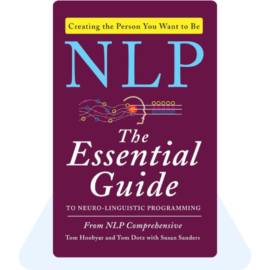
Tom Hoobyar, Tom Dotz और Susan Sanders की NLP: The Essential Guide to Neuro-Linguistic Programming nervous system, language, mental images, emotions और behaviour का संबंध समझाकर इन प्रश्नों का उत्तर खोजती है। William Morrow/HarperCollins द्वारा 2013 में प्रकाशित यह practical, step-by-step guide बताती है कि लोग inner experience कैसे बनाते हैं और thinking, feeling, communication तथा action में flexibility कैसे बढ़ा सकते हैं।
यह guide observations, stories, “discoveries” और exercises से भरी है, जो readers को अपनी mental pictures, inner language, sensations और assumptions पहचानने में सहायता करती हैं। इसका केंद्रीय संदेश सरल है: किसी pattern की awareness आपके response में अधिक choice पैदा कर सकती है।
यह focus Readers Books Club के audience से पूरी तरह जुड़ता है। Dr Amiett Kumar द्वारा स्थापित यह platform books को practical self-improvement, podcasts, coaching, meditation, spirituality, law of attraction और daily implementation से जोड़ता है। यह summary भी उसी भावना के साथ पुस्तक के मुख्य विचारों को आसान और स्पष्ट lessons में बदलती है।
Book at a Glance
| Title | NLP: The Essential Guide to Neuro-Linguistic Programming |
| Authors | Tom Hoobyar, Tom Dotz और Susan Sanders |
| Publisher | William Morrow/HarperCollins |
| First published | 2013 |
| Category | Psychology, communication, self-help, coaching और personal growth |
| Best for | NLP beginners, coaches, leaders, teachers, sales professionals, creators, parents और mindset तथा communication में रुचि रखने वाले सभी readers |
| Core idea | आपका experience केवल होने वाली घटना से नहीं, बल्कि इस बात से भी आकार लेता है कि आपका mind उसे कैसे represent, interpret और communicate करता है। |
Neuro-Linguistic Programming क्या है?
Neuro-Linguistic Programming शब्द बहुत technical लग सकता है, लेकिन पुस्तक इसे सरल और समझने योग्य तरीके से प्रस्तुत करती है।
“Neuro” nervous system और sight, sound, sensation, taste तथा smell से experience process करने की प्रक्रिया है। “Linguistic” spoken words और जीवन को समझाने वाले inner dialogue सहित language है। “Programming” behaviour प्रभावित करने वाले learned patterns, habits, associations और strategies हैं।
सरल शब्दों में, NLP यह अध्ययन करता है कि लोग अपने inner world को कैसे व्यवस्थित करते हैं और वे patterns उनकी emotions, choices, relationships तथा results को कैसे प्रभावित करते हैं।
लेखकों के अनुसार लोग reality नहीं, बल्कि memory, beliefs, expectations, culture, attention और sensory experience से बने internal map पर प्रतिक्रिया देते हैं। हर व्यक्ति अलग map बनाता है, इसलिए misunderstandings स्वाभाविक हैं। दूसरे को unreasonable मानने के बजाय पूछें: वह क्या देख, सुन, महसूस या मान रहा है, जो मुझसे छूट रहा है?
भाग एक: अपने Inner World को समझना और संभालना
1. आपका Mind अनुभव का एक Internal Representation बनाता है
पुस्तक का पहला मुख्य भाग इस बात पर केंद्रित है कि हम सोचते कैसे हैं। लेखकों द्वारा बताए गए NLP model के अनुसार हम अनुभव को किसी perfect recording की तरह store नहीं करते। हम उसे internal pictures, sounds, sensations, words और meanings के माध्यम से encode करते हैं।
किसी सुखद memory को सोचिए। picture bright और close हो सकती है; voice या music सुनाई दे सकता है; chest में warmth हो सकती है। अब uncomfortable memory सोचिए। image dark, large, close या intense, sound sharp और body tight लग सकती है।
NLP इन qualities को submodalities कहता है। picture bright या dim, close या distant; sound loud या soft; sensation heavy या light हो सकती है। लेखक experiment सुझाते हैं: troubling picture दूर करें, critical inner voice soft करें या future की motivating image brighten करें। उद्देश्य denial नहीं, यह awareness है कि mind experience को कैसे edit करता है।
| Practical takeaway: मैं उन pictures, sounds, sensations और words के प्रति aware हूँ, जो मेरी emotions को shape करते हैं। मैं घटना और अपने response के बीच space बनाने के लिए pause करता हूँ। |
2. State Management: Emotions को Information मानें, Permanent Command नहीं
पुस्तक emotional flexibility का वादा करती है। feeling को identity “मैं anxious हूँ” या “मैं failure हूँ” मानने के बजाय कहें, “मैं anxiety अनुभव कर रहा हूँ” या “मैं discouraging pattern देख रहा हूँ।” इससे व्यक्ति temporary state से अलग होता है।
पुस्तक confidence, calmness, focus, courage, humour और determination जैसी resourceful states को दोबारा जगाने के तरीके बताती है। NLP की एक प्रसिद्ध technique anchoring है: किसी useful emotional state को जानबूझकर एक specific cue जैसे touch, gesture, word, image या breath से जोड़ना। यह उस तरह है जैसे कोई song तुरंत memory लौटा देता है। अंतर यह है कि anchor को intention के साथ बनाया जाता है।
आप confidence वाला moment vividly याद कर उसी posture और breathing को simple cue से जोड़ सकते हैं। repetition से cue useful reminder बन सकता है। Meditation भी सिखाती है कि thoughts और feelings को बिना automatic obedience observe किया जा सकता है। दोनों reaction और response के बीच space बनाते हैं।
| Practical takeaway: मैं important meeting, presentation, podcast, interview या difficult conversation से पहले words और emotional state तैयार कर रहा हूँ। मैं धीरे breathe करता हूँ, resourceful experience याद करता हूँ, posture ठीक करता हूँ और desired response की mental rehearsal करता हूँ। |
3. Incongruence को पहचानना
क्या आपने कभी “हाँ” कहा है, जबकि आपके भीतर का हर हिस्सा “नहीं” कहना चाहता था? क्या आपने uncomfortable महसूस करते हुए भी smile किया? क्या आपने किसी goal के लिए commitment किया, जबकि भीतर से failure की उम्मीद कर रहे थे?
पुस्तक इसे incongruence कहती है experience के अलग-अलग हिस्सों के बीच mismatch। शब्द कुछ और कह सकते हैं, जबकि tone, posture, facial expression या inner feeling कुछ अलग संदेश दे सकते हैं।
Incongruence unresolved conflict दिखा सकती है। व्यक्ति success चाहता है, पर उसे pressure या rejection से जोड़ता है; relationship चाहता है, पर vulnerability से डरता है; business चाहता है, पर visibility से घबराता है। resistance को laziness कहने के बजाय पूछें: वह क्या protect कर रही है और उसकी positive intention क्या है?
| Practical takeaway: मैं जो चाहता हूँ उसके प्रति honest हूँ और यह जानने के लिए curious हूँ कि उसे प्राप्त करने पर मुझे किस बात का fear है। मैं अपनी resistance के पीछे छिपे conflict को समझने और resolve करने के लिए तैयार हूँ। |
4. Internal Resistance घटाना और अपने “Brake” को पहचानना
“Whoa Is My Brake?” के रूप में वर्णित section यह खोजता है कि motivation अचानक क्यों गायब हो सकती है। लेखकों का सुझाव है कि लोगों के भीतर अक्सर एक internal brake होता है कोई belief, fear, association या competing value जो action की गति धीमी कर देता है।
कल्पना करें कि आप अधिक successful बनना चाहते हैं। conscious level पर goal आकर्षक है, पर शायद आपने सीखा कि successful लोग selfish होते हैं, family को समय नहीं देते या criticism झेलते हैं। goal danger से जुड़ा होने के कारण mind आपको उससे बचा सकता है।
पुस्तक surface goal से आगे देखकर उस outcome को पहचानने की सलाह देती है, जिसे आप वास्तव में चाहते हैं। संभव है आप abstract object के रूप में “more money” नहीं, बल्कि security, freedom, contribution, choice या peace चाहते हों। deeper outcome स्पष्ट होने पर वहाँ पहुँचने के कई रास्ते बनाए जा सकते हैं।
यहीं well-formed outcome उपयोगी बनता है। outcome positive, specific, recognizable, आपकी अपनी actions से जुड़ा और जीवन के बड़े context के अनुकूल होना चाहिए। coaching में deeper questions हैं: यह goal आपको क्या देगा? आपको कैसे पता चलेगा कि आपने इसे पा लिया है? आपको क्या रोक सकता है? आपके पास कौन-से resources हैं? पहला manageable action क्या है?
| Practical takeaway: मैं vague goals को clear, specific और observable actions में बदल रहा हूँ। मैं अगली team meeting में steady breathing और comfortable eye contact के साथ पाँच मिनट स्पष्ट रूप से बोल रहा हूँ। |
5. अपने Self-Concept को Upgrade करना
पुस्तक के सबसे meaningful हिस्सों में से एक self-concept की जाँच करता है mental representations का वह collection, जिसके माध्यम से हम “मैं कौन हूँ?” प्रश्न का उत्तर देते हैं।
लोग अपने बारे में neutral fact नहीं, internal database बनाते हैं। “मैं disciplined नहीं हूँ” मानने वाला व्यक्ति unfinished tasks replay कर सकता है, पर promises निभाने, family support करने या difficult work पूरा करने वाले सैकड़ों moments भूल जाता है। self-concept selective बन जाता है।
लेखक readers को यह समझने के लिए कहते हैं कि identity का निर्माण कैसे हुआ। कौन-सी memories शामिल हैं? कौन-सी बाहर हैं? वे किस तरह arrange की गई हैं? क्या negative examples large और vivid हैं, जबकि positive examples distant और weak दिखाई देते हैं?
उद्देश्य false identity बनाना नहीं है। उद्देश्य अधिक balanced और useful identity बनाना है। व्यक्ति mistakes को स्वीकार कर सकता है, बिना उन्हें अपनी permanent definition बनाए।
यह insight habit books और spirituality से जुड़ती है। बदलाव आसान हो जाता है जब behaviour identity को support करता है “मैं reader बन रहा हूँ” या “मैं setbacks के बाद फिर उठता हूँ।” Spiritual traditions भी mind की stories को जाँचने के लिए आमंत्रित करती हैं, उन्हें पूरी truth मान लेने के लिए नहीं।
| Practical takeaway: मैं उन छोटे-बड़े moments को याद करके अपना courage मजबूत कर रहा हूँ, जब मैंने uncertainty के बावजूद action लिया। जब भी courage चाहिए, मैं इस evidence से स्वयं को support कर रहा हूँ। |
भाग दो: दूसरे लोगों को समझना और प्रभावी Communication करना
6. Rapport: सहज और भरोसेमंद Connection बनाना
पुस्तक का दूसरा आधा हिस्सा self-management से interpersonal communication की ओर बढ़ता है। इसका केंद्रीय concept rapport है: safety, connection और mutual responsiveness की वह feeling, जो communication को आसान बनाती है।
Rapport का अर्थ agreement का दिखावा करना नहीं है। इसका अर्थ है दूसरे व्यक्ति के experience को इतना respect और attention देना कि उसे genuinely understood महसूस हो।
लेखक rhythm, posture, breathing, tone, vocabulary और pace पर चर्चा करते हैं। matching और mirroring rapport बना सकते हैं, पर mechanical imitation manipulative लगती है। असली principle attentiveness है: व्यक्ति detail चाहता है या big picture, possibilities देखता है या risks? authenticity रखते हुए adapt करने से communication सुधरता है।
| Practical takeaway: मैं हर व्यक्ति की pace, language और preferred level of detail को ध्यान से सुन रहा हूँ। मैं अपनी authenticity बनाए रखते हुए ऐसे respond कर रहा हूँ, जिसे समझना उनके लिए आसान हो। |
7. Preferred Language और Missing Information को सुनना
पुस्तक बताती है कि language thinking के संकेत देती है। कोई कहता है, “मैं आपकी बात देख रहा हूँ।” दूसरा, “यह सही सुनाई देता है।” तीसरा, “मैं इसे पकड़ नहीं पा रहा।”
ये expressions visual, auditory या kinesthetic language preferences को दर्शा सकती हैं। लेखक इन predicates को notice करने और listener से resonate करने वाली language उपयोग करने की सलाह देते हैं। इसे rigid personality test नहीं समझना चाहिए; यह अधिक flexible और attentive बनने का तरीका है।
पुस्तक language में missing information भी देखती है। लोग information delete, distort और generalize करते हैं। “कोई मेरा respect नहीं करता,” “हमेशा ऐसा होता है,” या “उन्होंने मुझे terrible महसूस कराया” जैसे statements में जाँचने योग्य assumptions छिपी हो सकती हैं।
Precision questions दोबारा possibility खोल सकते हैं:
विशेष रूप से कौन आपका respect नहीं करता?
हमेशा क्या सचमुच हर situation में?
उनकी action ने exactly उस feeling तक कैसे पहुँचाया?
Observable behaviour में respect कैसा दिखाई देगा?
आपको अलग तरीके से respond करने से क्या रोकता है?
ये questions NLP Meta Model जैसे हैं, जो vague language से detail वापस लाता है। respect से उपयोग हो तो coaching और problem-solving में सहायक; aggressive हो तो interrogation जैसा लगता है।
| Practical takeaway: जब मैं कोई absolute statement सुनता हूँ, तब argument की जगह curiosity चुन रहा हूँ। मैं specific example पूछ रहा हूँ और कम-से-कम एक possible exception explore कर रहा हूँ। |
8. Nonverbal Communication और “More Than Mind Reading”
पुस्तक “mind reading” का आकर्षक विचार उपयोग करती है, लेकिन इसका वास्तविक focus supernatural ability नहीं, careful observation है। facial expression, breathing, gesture, posture, voice quality, timing और hesitation किसी व्यक्ति के internal response के clues दे सकते हैं।
लेखक universal rules पर निर्भर होने के बजाय changes notice करना सिखाते हैं। crossed arms का अर्थ हमेशा defensiveness नहीं; संभव है व्यक्ति को cold लग रही हो। नज़र हटाना हमेशा dishonesty नहीं; संभव है व्यक्ति सोच रहा हो। context महत्वपूर्ण है।
बेहतर प्रश्न है: क्या बदला? क्या breathing shallow हुई, voice quieter हुई या posture अधिक relaxed हुआ? ऐसे observations को verdict नहीं, hypothesis रखना चाहिए। उन्हें खुले रूप से verify करें: “मैंने notice किया कि deadline की बात पर आप quiet हो गए। आपके भीतर क्या चल रहा है?”
| Practical takeaway: मैं body-language clues को सावधानी से observe कर रहा हूँ और assumption को certainty मानने के बजाय अपनी interpretation verify कर रहा हूँ। |
9. Clarity, Safety और Stories के साथ अपनी बात रखना
Communication तब fail होता है जब लोग केवल अपनी बात prove करने पर focus करते हैं। पुस्तक का तर्क है कि influence तब आसान होता है जब listener पहले understood और safe महसूस करे।
लेखक framing, metaphor और storytelling को explore करते हैं। direct instruction resistance बना सकती है, जबकि story व्यक्ति को meaning स्वयं खोजने देती है। books, podcasts, YouTube videos, coaching और leadership सभी इस principle का उपयोग करते हैं: advice देने से पहले understanding दिखाएँ, फिर listener की दुनिया से जुड़े examples दें।
| Practical takeaway: अपनी position रखने से पहले मैं दूसरे व्यक्ति की position समझने का प्रयास कर रहा हूँ। मैं उनके viewpoint को fairness के साथ describe कर रहा हूँ, ताकि mutual understanding unnecessary resistance घटा सके। |
10. Perceptual Positions, Collaboration और Conflict Resolution
पुस्तक के सबसे practical conflict-resolution tools में perceptual positions का उपयोग है। conflict में फँसने पर लोग आमतौर पर situation को first position से देखते हैं: अपनी eyes, feelings, needs और interpretation से।
Second position का अर्थ है imagination में दूसरे व्यक्ति के perspective में जाना। वह क्या देख रहा होगा? उसके लिए क्या महत्वपूर्ण है? वह किस चीज़ को protect कर रहा है? उसे किस बात का fear है?
Third position का अर्थ interaction को neutral distance से देखना है, जैसे film में दोनों लोगों को देख रहे हों। कौन-सा pattern दिखाई देता है? एक व्यक्ति का behaviour दूसरे को किस तरह प्रभावित करता है?
ये shifts अधिक information देते हैं। दोनों sides respect, security, autonomy, fairness या belonging जैसी positive intentions बचा सकती हैं, पर strategies clash करती हैं। conflict integration दोनों को सम्मान देने वाला higher-level outcome खोजता है। एक team member speed और दूसरा accuracy चाहे, तो टकराव दो valuable priorities का है।
| Practical takeaway: मैं conflict को अपने perspective, दूसरे व्यक्ति के possible perspective और neutral observer की view से देख रहा हूँ। मैं ऐसा outcome पहचान रहा हूँ, जिसे दोनों sides genuinely share कर सकें। |
Momentum बनाए रखना: Insight को Practice में बदलना
Personal development books की एक common weakness यह है कि readers inspired तो होते हैं, लेकिन practice नहीं करते। NLP: The Essential Guide learning को experiential बनाकर इसे रोकने की कोशिश करती है। इसकी “discoveries” ideas को test करने, responses notice करने और repetition से skill बनाने के invitations हैं।
पुस्तक की practical philosophy को चार stages में संक्षेपित किया जा सकता है:
Awareness: Current pattern को बिना immediate judgment के notice करें।
Outcome: तय करें कि इसके बदले आप क्या चाहते हैं।
Flexibility: अलग internal या external responses आज़माएँ।
Feedback: जो होता है उसे observe करें और आवश्यक adjustment करें।
यह framework उन readers के लिए भी useful है, जो NLP के कुछ claims पर प्रश्न उठाते हैं। यह self-blame के बजाय experimentation को बढ़ावा देता है: method, context, language, cue या difficulty level बदलकर देखें।
एक Simple NLP Practice Routine
एक practical daily routine सरल हो सकती है: सुबह एक clear outcome define करें, दो मिनट calm या confident state की rehearsal करें, एक absolute statement को challenge करें, एक conversation में attentive listening का अभ्यास करें, और रात में एक success तथा एक improvement review करें।
NLP, Meditation, Spirituality और Law of Attraction
Readers Books Club अक्सर books, meditation, spirituality, subconscious mind, law of attraction, coaching और personal transformation के बीच connection explore करता है। NLP को इस wider context में responsibly उपयोग करते हुए समझा जा सकता है।
Meditation thoughts और reactions की awareness बढ़ाती है; NLP उनकी picture, voice और feeling की structure देखता है। Spirituality rigid ego stories पर प्रश्न उठाती है; self-concept और perceptual-position exercises दिखाते हैं कि एक interpretation अंतिम नहीं। Law of attraction intention और emotional alignment पर जोर देता है; well-formed outcome resources, consequences और action steps जोड़ता है। Coaching reframing, perspective-taking, rapport और mental rehearsal उपयोग कर सकती है।
Practical message यह है: visualization को behaviour से जुड़ना चाहिए। affirmations इतनी believable हों कि उनका practice किया जा सके। meditation awareness बेहतर बनाए। spirituality responsibility और compassion गहरी करे। coaching clear action पैदा करे। life coach process को support कर सकता है, लेकिन choices और steps client को ही लेने होते हैं।
पुस्तक क्या अच्छी तरह करती है
पुस्तक की सबसे बड़ी strength practicality है। यह internal representation, state, congruence, rapport, questioning और perspective-taking को stories तथा exercises के माध्यम से समझाती है। साथ ही flexibility, empathy और personal mindset तथा interpersonal communication के connection पर जोर देती है।
एक Responsible Evidence Note
| NLP coaching, communication training, business और personal development में influential है, पर इसके broad scientific तथा therapeutic claims debated हैं। British Journal of General Practice की systematic review को health outcomes पर NLP interventions के limited, low-quality evidence मिले। दूसरी evidence review को PTSD, generalized anxiety disorder या depression के treatment में NLP का suitable clinical support नहीं मिला। |
| इसका अर्थ यह नहीं कि पुस्तक का हर exercise useless है। goal clarification, perspective-taking, careful listening, mental rehearsal और self-talk की जाँच जैसी practices established coaching तथा psychological methods से overlap कर सकती हैं। फिर भी NLP को medical या mental-health conditions का proven cure प्रस्तुत नहीं करना चाहिए। |
| इस पुस्तक को personal development और communication guide की तरह उपयोग करें qualified medical care, psychotherapy या evidence-based treatment की replacement की तरह नहीं। severe anxiety, trauma, depression या अन्य mental-health concern का अनुभव करने वाले व्यक्ति को licensed professional से सलाह लेनी चाहिए। |
यह पुस्तक किसे पढ़नी चाहिए?
यह पुस्तक इन लोगों के लिए उपयोगी हो सकती है:
- वे readers जिन्हें practical self-improvement books पसंद हैं
- Life coaches और coaching students
- Managers, leaders और entrepreneurs
- Teachers, trainers और public speakers
- Sales और communication professionals
- Podcast hosts, interviewers और content creators
- वे लोग जो emotional triggers समझना चाहते हैं
- वे सभी जो limiting beliefs, confidence, goals या relationships में रुचि रखते हैं
- Meditation, spirituality या law of attraction explore करने वाले readers, जो structured action भी चाहते हैं
यह उन readers के लिए कम suitable है, जो tightly academic textbook, बहुत short introduction या clinically validated therapy manual खोज रहे हैं।
NLP: The Essential Guide से दस मुख्य Lessons
- आपका experience internal map से filter होता है; वह reality की perfect copy नहीं है।
- Thoughts की sensory structure होती है। pictures, sounds, sensations और inner language emotion को प्रभावित करते हैं।
- State एक experience है, identity नहीं। आप उसे observe कर सकते हैं और कभी-कभी उसके साथ अपना relation बदल सकते हैं।
- Resistance में protective intention हो सकती है। उसे overpower करने से पहले समझें।
- Goals तब मजबूत होते हैं जब वे specific, observable, self-directed और meaningful outcome से जुड़े हों।
- Self-concept selected evidence से बनता है। अधिक balanced identity बेहतर behaviour को support कर सकती है।
- Rapport attention, respect और flexibility से शुरू होता है manipulation से नहीं।
- Language information को delete और generalize करती है। precise questions choices को वापस ला सकते हैं।
- Conflict resolve करना आसान होता है, जब आप multiple perspectives और shared intentions explore करते हैं।
- Insight केवल practice, feedback और consistent action से transformation बनती है।
Frequently Asked Questions
NLP: The Essential Guide का मुख्य विचार क्या है?
मुख्य विचार यह है कि लोग images, sounds, sensations, language, beliefs और learned patterns के माध्यम से experience का internal representation कैसे बनाते हैं, इसे समझकर अधिक flexibility प्राप्त कर सकते हैं। पुस्तक इस awareness को emotion, self-concept, communication, relationships, influence, conflict resolution और goal-setting पर लागू करती है।
क्या यह पुस्तक beginners के लिए suitable है?
हाँ। इसे accessible और practical introduction के रूप में लिखा गया है और केवल technical definitions पर निर्भर रहने के बजाय stories तथा exercises का उपयोग किया गया है। फिर भी यह detailed book है, इसलिए beginners को धीरे पढ़ना और एक समय में एक concept का practice करना उपयोगी लग सकता है।
क्या NLP confidence और communication में सहायता कर सकता है?
पुस्तक confidence, emotional state management, rapport, listening, precise questioning, mental rehearsal और perspective-taking को support करने वाले exercises देती है। ये personal development या coaching tools के रूप में useful हो सकते हैं। results अलग-अलग होंगे और clinical claims को caution के साथ देखना चाहिए।
NLP और meditation किस तरह connected हैं?
दोनों internal experience की awareness बढ़ा सकते हैं। Meditation सामान्यतः observation और non-attachment पर जोर देती है, जबकि NLP thoughts, language और sensory representation की structure पर focus करता है। साथ उपयोग करने पर meditation calm awareness बना सकती है और NLP-style questions patterns तथा desired responses स्पष्ट करने में मदद कर सकते हैं।
क्या NLP और law of attraction एक ही हैं?
नहीं। NLP communication और subjective experience का model है, जबकि law of attraction focus, intention, emotion और manifestation से जुड़ा broader belief है। visualization और goal clarity जैसी practices में overlap हो सकता है, लेकिन NLP communication patterns, sensory detail, feedback और behavioural flexibility पर अधिक जोर देता है।
क्या NLP therapy या professional coaching की जगह ले सकता है?
नहीं। कोई book reflection और skill-building को support कर सकती है, लेकिन health condition का diagnosis या treatment नहीं कर सकती। mental-health concerns के लिए licensed professional से संपर्क करें। personal या professional goals के लिए ethical और qualified life coach structure दे सकता है, लेकिन उसे अपने professional scope के भीतर रहना चाहिए।
अंतिम विचार: Pattern बदलें, Choice बढ़ाएँ
NLP: The Essential Guide to Neuro-Linguistic Programming अंततः choice के बारे में एक पुस्तक है।
यह replay होने वाली mental pictures, मानी गई voices, दिए गए meanings, defend की गई identities और दोहराई गई communication habits notice करने को कहती है। फिर प्रश्न करती है: क्या इसे represent, respond या communicate करने का दूसरा तरीका है?
इसका सबसे valuable lesson यह नहीं कि हर difficulty तुरंत solve हो सकती है, बल्कि यह है कि awareness और flexibility उस space को बढ़ा सकती हैं, जिसमें better decisions संभव होते हैं।
Readers Books Club community के लिए यह lesson खास है। books तभी transformative होती हैं, जब ideas page से daily life में उतरें। books, podcasts, meditation, spirituality, law of attraction, coaching और self-development में Dr Amiett Kumar implementation पर जोर देते हैं। Reading change की language देती है; practice उसका evidence।
एक pattern से शुरू करें। उसे shame के बिना notice करें। तय करें कि इसके बदले क्या चाहते हैं। एक small experiment चुनें। result observe करें। adjust करें और repeat करें।
आपका mind ऐसी machine नहीं है, जिसे हमेशा एक ही program पर रहना पड़े। यह सीखने में सक्षम living system है। हर बार जब आप pause करते हैं, aware होते हैं और अधिक useful response चुनते हैं, तब आप अलग future की possibility को मजबूत करते हैं।
Contents