Introduction: दो Simple Words Global Conversation कैसे बन गए
शायद आपके जीवन में भी कोई ऐसा moment आया होगा जब किसी दूसरे व्यक्ति के behaviour ने आपका पूरा दिन अपने कब्जे में ले लिया हो। किसी friend ने reply नहीं किया। किसी colleague ने आपके idea को judge किया। Partner थोड़ा distant लगा। Family member ने ऐसा decision लिया जिससे आप सहमत नहीं थे। अचानक आपका ध्यान अपनी life से हटकर एक mental courtroom में पहुँच जाता है: उन्होंने ऐसा क्यों किया? मैं उन्हें कैसे समझाऊँ? मैं क्या कहूँ कि वे बदल जाएँ? अगर वे मेरे बारे में बुरा सोचेंगे तो क्या होगा?
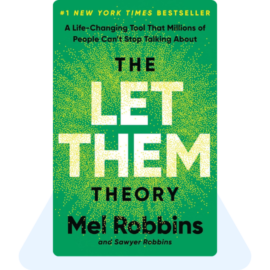
Mel Robbins की The Let Them Theory इसी थका देने वाले pattern के लिए एक deceptively simple response देती है। दूसरों की reactions, opinions, decisions, timelines और emotions को manage करने में अपनी energy खर्च करने के बजाय आप कहना सीखते हैं: Let Them. फिर आता है वह हिस्सा जो इस idea को केवल passive acceptance बनने से रोकता है: Let Me. उन्हें जैसा वे हैं वैसा रहने दें, और मुझे तय करने दें कि मैं कैसे respond करूँगा/करूँगी, मैं क्या tolerate करूँगा/करूँगी, अपनी energy कहाँ लगाऊँगा/लगाऊँगी और कैसी life बनाना चाहता/चाहती हूँ।
इसी two-part structure की वजह से यह concept इतनी तेजी से फैला। यह उस समस्या को शब्द देता है जिसे लगभग हर व्यक्ति पहचानता है: जब हम control और influence को एक ही चीज समझ लेते हैं तो हमारी peace चली जाती है। हम किसी दूसरे adult को मजबूर नहीं कर सकते कि वह हमें value करे, हमें चुने, हमसे agree करे, हमें invite करे, हमारे लिए बदल जाए या वैसा react करे जैसा हमने उम्मीद की थी। हम communicate कर सकते हैं, request कर सकते हैं, influence कर सकते हैं, example set कर सकते हैं और boundaries बना सकते हैं। लेकिन अंतिम choice उनकी होती है। The Let Them Theory कहती है कि इस fact से लड़ना बंद करें और जो energy वापस मिले उसे स्वयं की responsibility लेने में लगाएँ।
Readers Books Club की यह summary The Let Them Theory के central ideas को practical और easy-to-read language में समझाती है। यह उन readers के लिए लिखी गई है जिन्हें books, self-improvement, relationships, meditation, spirituality, coaching, Law of Attraction और personal growth में रुचि है। यह book के ideas को Readers Books Club और Amiett Kumar की उस wider philosophy से भी जोड़ती है जिसमें knowledge का असली value तभी है जब उसे daily life में implement किया जा सके।
लक्ष्य cold, detached या indifferent बनना नहीं है। लक्ष्य है care करना बिना control किए, love करना बिना over-functioning किए, communicate करना बिना force किए, और अपनी peace को protect करना बिना यह अपेक्षा किए कि दुनिया हमेशा आपके हिसाब से cooperate करेगी। यही distinction इस book को वास्तव में useful बनाती है।
What Is The Let Them Theory? Two-Part Framework
Book की official description The Let Them Theory को एक step-by-step tool के रूप में प्रस्तुत करती है, जो दूसरों की opinions, drama और judgment के असर को आपकी life पर कम करने में मदद करता है। इसे याद रखना आसान है क्योंकि इसके दो parts हैं।
पहला part है Let Them. जब कोई व्यक्ति ऐसा choice करता है जिसे आप control नहीं कर सकते, उन्हें करने दें। उन्हें disagree करने दें। उन्हें आपको misunderstand करने दें। उन्हें bad mood में रहने दें। उन्हें invitation decline करने दें। उन्हें decision लेने दें। उनके behaviour के माध्यम से उन्हें यह reveal करने दें कि वे क्या value करते हैं। यह approval नहीं है। यह reality को recognize करना है।
दूसरा part है Let Me. यह agency की वापसी है। मुझे तय करने दें कि क्या मैं इस relationship को जारी रखना चाहता/चाहती हूँ। मुझे साफ communicate करने दें। मुझे walk away करने दें। मुझे अपनी जरूरत बताने दें। मुझे अपने goals पर focus करने दें। मुझे emotion process करने दें बजाय इसके कि मैं दूसरे व्यक्ति से मांगूँ कि वह मेरे अंदर की discomfort दूर करे। मुझे ऐसा response चुनने दें जिसे बाद में मैं respect कर सकूँ।
दूसरा part इसलिए बहुत जरूरी है क्योंकि Let Them बिना Let Me के resignation बन सकता है। आप disrespect सह सकते हैं, अपनी needs ignore कर सकते हैं या passive बने रह सकते हैं। Framework आपको छोटा बनाने के लिए नहीं है। इसका उद्देश्य है कि आप अपनी power उन जगहों पर खर्च करना बंद करें जहाँ आपके पास control नहीं है, ताकि उसे वहाँ use कर सकें जहाँ सच में आपकी agency है।
Simple words में, Let Them अलग करता है कि क्या दूसरे लोगों का है और क्या आपका। Let Me याद दिलाता है कि आपकी life को अभी भी आपके decisions की जरूरत है। Peace environment को control करने से नहीं आती; peace अपनी response के बारे में clarity से आती है।
| Remember This Let Them = जो आपके control से बाहर है उसे accept करें। Let Me = जो आपके control में है उसकी responsibility लें। |
Lesson 1: दूसरे Adults को Manage करते-करते अपनी Life खर्च करना बंद करें
बहुत से लोग इसलिए exhausted नहीं होते क्योंकि उनकी अपनी life असंभव है, बल्कि इसलिए क्योंकि वे mentally एक साथ कई adults को manage कर रहे होते हैं। वे moods monitor करते हैं, reactions पहले से anticipate करते हैं, messages बार-बार rewrite करते हैं, जरूरत से ज्यादा explain करते हैं, लोगों को consequences से बचाते हैं और अपनी personal choice करने से पहले सबको comfortable करने की कोशिश करते हैं।
The Let Them Theory इस habit को सीधा challenge करती है। दूसरे adults को reaction रखने का अधिकार है। अगर आप healthy decision लेते हैं और कोई disappointed होता है, तो उनकी disappointment automatically यह साबित नहीं करती कि आपका decision गलत है। अगर आप किसी capable person को बार-बार rescue करना बंद करते हैं और वह frustrated होता है, तो शायद वह frustration उसके responsibility लेने की process का हिस्सा है।
यह lesson खासकर people-pleasers के लिए important है। बाहर से people-pleasing kindness जैसा दिख सकता है, लेकिन अंदर से यह अक्सर दूसरों की perception को control करने की strategy बन जाता है: अगर मैं पर्याप्त करूँ, पर्याप्त explain करूँ, पर्याप्त fix करूँ और पर्याप्त give करूँ, तो शायद कोई मुझे reject या criticize नहीं करेगा। कीमत यह होती है कि आपकी अपनी needs negotiable बन जाती हैं जबकि दूसरों की feelings urgent बन जाती हैं।
एक practical Let Them question है: क्या मैं इस व्यक्ति को support कर रहा/रही हूँ, या मैं यह control करने की कोशिश कर रहा/रही हूँ कि वह मेरे बारे में क्या महसूस करे? पहला generous हो सकता है। दूसरा अक्सर anxiety पैदा करता है।
आज ही try करें। एक ऐसी situation notice करें जहाँ आप rehearse कर रहे हैं कि सामने वाला अलग तरह से कैसे respond करे। कहें: “Let them have their reaction.” फिर पूछें: “Let me decide what is honest, kind, and aligned with my values.” यह आपको emotional management से self-respect की ओर shift करता है।
Lesson 2: दूसरों की Opinions Information हैं, Instructions नहीं
Judgment का डर quietly बड़े life decisions control कर सकता है। लोग ऐसी careers में बने रहते हैं जिन्हें वे पसंद नहीं करते, creative work छिपाते हैं, difficult conversations avoid करते हैं और personal goals छोटे कर देते हैं क्योंकि वे imagine करते हैं कि लोग क्या कहेंगे। The Let Them Theory एक blunt alternative देती है: उन्हें वही सोचने दें जो वे सोचते हैं।
इसका मतलब feedback useless नहीं है। Mature लोग evidence, expertise और constructive criticism सुनते हैं। लेकिन feedback dangerous तब बनता है जब हर opinion को authority मान लिया जाता है। Parent का fear, friend की preference, stranger का comment या social-media reaction उनके बारे में कुछ बता सकता है, लेकिन यह तय नहीं करता कि आपको क्या करना चाहिए।
Skill है discernment. पूछें: क्या यह व्यक्ति मेरे goal को समझता है? क्या उसके पास relevant experience है? क्या वह evidence दे रहा है या केवल taste express कर रहा है? क्या यह feedback मेरे values और long-term direction के साथ consistent है? Answer तय करेगा कि उस opinion को कितना weight मिलना चाहिए।
Spirituality या Law of Attraction में रुचि रखने वाले readers के लिए यह lesson grounded alignment से जुड़ता है। अगर आप लगातार external approval के अनुसार behavior बदलते हैं, तो आपका attention वास्तव में आपके stated goal के साथ aligned नहीं है। आप judgment avoid करने के साथ aligned हैं। यही mismatch confidence drain करता है।
Useful affirmation यह नहीं है: “Nobody judges me.” यह unrealistic है। बेहतर statement है: “People are free to have opinions, and I am free to make thoughtful choices.” यह एक साथ reality और agency दोनों बचाता है।
Lesson 3: Rejection आपको वह Information देता है जिसकी आपको जरूरत है
Rejection दर्द देता है क्योंकि वह belonging, identity और hope को touch करता है। Natural reaction है clarity chase करना: उन्होंने मुझे invite क्यों नहीं किया? Client ने no क्यों कहा? जिस person को मैं पसंद करता/करती था वह दूर क्यों हो गया? Opportunity किसी और को क्यों मिली? हम uncertainty कम करने के लिए अधिक explanation force करने या approval जीतने की कोशिश कर सकते हैं।
Let Them approach अलग है। अगर वे आपको choose नहीं करते, let them. इसका मतलब rejection pleasant है, ऐसा नहीं। इसका अर्थ है कि आप किसी एक व्यक्ति की choice को अपनी worth prove करने की लंबी campaign में बदलना बंद कर देते हैं।
Rejection fit reveal कर सकता है। कोई friendship जो बार-बार आपको exclude करती है शायद वह reciprocity नहीं रखती जिसकी आपको जरूरत है। कोई potential partner जो commitment avoid करता है अपनी current capacity दिखा रहा हो सकता है। कोई client जो आपके offer को value नहीं करता शायद सही client नहीं है। यह information आपको ऐसे व्यक्ति को बदलने की कोशिश में years waste करने से बचा सकती है जैसा आप wish करते थे कि वह बने।
फिर आता है Let Me. Let me grieve. Let me learn. जहाँ genuine improvement की जरूरत है वहाँ मुझे improve करने दें। मुझे उन लोगों और places में invest करने दें जहाँ mutuality मौजूद है। मुझे पिछले decision की endless appeal करने के बजाय next opportunity build करने दें।
यह book के सबसे liberating ideas में से एक है क्योंकि यह rejection को verdict से data में बदल देता है। Pain कुछ समय रह सकता है, लेकिन outcome control करने की need धीरे-धीरे loosen होने लगती है।
Lesson 4: Comparison कमजोर पड़ता है जब आप अपनी Life में वापस लौटते हैं
Comparison केवल इतना नहीं है कि किसी और के पास ज्यादा है। असली बात यह है कि उनकी success आपके timing, ability, attractiveness, income, relationship, parenting, career या future के बारे में क्या कहती हुई लगती है। Social media इसे magnify करता है क्योंकि breakfast से पहले ही आप सैकड़ों लोगों से खुद की तुलना कर सकते हैं।
The Let Them Theory यह नहीं कहती कि आप envy कभी feel न करें। इसके बजाय दूसरे लोगों को उनकी success रखने दें। उन्हें celebrate करने दें। किसी area में उन्हें आगे रहने दें। उन्हें ऐसी lifestyle choose करने दें जिसे आप नहीं समझते। उन्हें attention मिलने दें। उनका path उनका है।
फिर पूछें: Let me identify what this reaction is teaching me. कभी-कभी envy neglected desire की ओर इशारा करती है। किसी की freedom आपको याद दिलाती है कि आप अधिक autonomy चाहते हैं। किसी की fitness आपको याद दिलाती है कि आप strong feel करना miss करते हैं। किसी की business growth आपको याद दिलाती है कि आपने अपनी idea postpone कर रखी है। Comparison को information की तरह treat करने पर वह self-punishment के बजाय direction बन सकता है।
Readers Books Club के self-help books पसंद करने वाले readers success की बहुत सारी strategies collect करते हैं। Risk यह है कि आप किसी author, influencer, entrepreneur या coach से खुद को compare करते रहें बजाय एक relevant lesson implement करने के। Comparison वह energy consume करता है जिसे action use कर सकता था।
Practical rule है: admire, extract, act. जो useful है उसे admire करें। एक lesson extract करें। अपने context में action लें। फिर किसी और का scoreboard देखना बंद करें।
Lesson 5: Boundaries आपके Behavior को Control करती हैं, उनके Behavior को नहीं
Boundaries के बारे में सबसे common misunderstanding है उन्हें दूसरे लोगों के लिए instructions समझना। “तुम मुझसे ऐसे बात नहीं कर सकते” preference express कर सकता है, लेकिन physically सामने वाले को control नहीं करता। Real boundary इस पर focus करती है कि behavior होने पर आप क्या करेंगे।
यह Let Them और Let Me के साथ naturally fit होता है। उन्हें choose करने दें कि वे कैसे बोलते हैं। मुझे decide करने दें कि मैं conversation में रहूँ या नहीं। उन्हें बार-बार late आने दें। मुझे decide करने दें कि मैं कितना wait करूँगा/करूँगी। उन्हें वह topic उठाने दें जिसे मैंने कहा था कि discuss नहीं करूँगा/करूँगी। मुझे conversation end करने या leave करने दें।
इसका मतलब communication की जरूरत खत्म नहीं होती। Healthy relationships में clear requests, agreements, negotiation और repair जरूरी हैं। लेकिन request control से अलग है। आप अपनी need बता सकते हैं और फिर भी accept कर सकते हैं कि दूसरा व्यक्ति decline कर सकता है। उस point पर आपकी responsibility है तय करना कि उसका answer आपके लिए क्या meaning रखता है।
Boundaries uncomfortable लग सकती हैं क्योंकि वे उस fantasy को हटाती हैं कि safe feel करने से पहले दूसरे व्यक्ति को बदलना ही होगा। आप discover कर सकते हैं कि आपकी power access, time, proximity या participation बदलने में है।
Life coach या relationship coach कभी-कभी vague frustration को specific boundaries में बदलने में मदद कर सकता है। Coaching तब सबसे useful होती है जब behavior clear किया जाए: exactly क्या हो रहा है? आपको क्या चाहिए? Pattern continue होने पर आप क्या करेंगे? Clarity drama कम करती है।
| Boundary Example“You must stop speaking to me that way” के बजाय कहें: “अगर conversation insulting हो जाती है, तो मैं उसे end कर दूँगा/दूँगी और हम बाद में continue कर सकते हैं।” |
Lesson 6: Adult Friendships बदलती हैं – पुराने Versions को Force करना बंद करें
Adult friendships ordinary reasons से बदलती हैं: location, work, marriage, children, health, caregiving, new interests, changing values और simply energy shifts. फिर भी लोग distance को personal indictment समझ लेते हैं। वे slow replies, changed plans और new social circles को overanalyse करते हैं।
The Let Them Theory कम controlling view देती है। Friendships को उनका current shape reveal करने दें। लोगों को closer या farther होने दें। उन्हें ऐसी seasons रखने दें जब उनका attention कहीं और हो। उन्हें यह दिखाने दें कि वे initiate करते हैं, support करते हैं और आपके लिए space बनाते हैं या नहीं।
फिर Let Me important है। Let me reach out if I value the friendship. मुझे plan बनाने दें बजाय invite होने का wait करने के। अगर कुछ wrong लगे तो मुझे directly पूछने दें। Relationship बदल चुकी हो तो मुझे उसे accept करने दें। एक old friendship से हर form of connection मांगने के बजाय मुझे new friends बनाने दें।
यह lesson कठिन हो सकता है क्योंकि nostalgia हमें relationship की history से loyal बनाए रखती है, even when present अलग हो चुका हो। आप शायद उस friendship से attached हों जो कभी थी। Theory encourage करती है कि current behavior का response दें, potential या memory का नहीं।
Friendship में peace का मतलब zero disappointment नहीं। इसका मतलब less mind-reading और more observation, communication और self-respect है।
Lesson 7: Love बेहतर होती है जब आप सामने वाले को Remodel करना बंद करते हैं
Romantic relationships control के लिए ideal conditions create करती हैं क्योंकि stakes high feel होते हैं। हम reassurance, consistency, growth, affection, commitment, communication और shared direction चाहते हैं। ये needs legitimate हो सकती हैं। Problem तब शुरू होती है जब love दूसरे adult को remake करने का project बन जाती है।
The Let Them Theory कहती है communication और control को अलग करें। Person को बताइए कि क्या matter करता है। जो चाहिए वह ask करें। उनकी बात सुनें। फिर देखें कि वे repeatedly क्या करते हैं। उन्हें अपनी priorities और capacity reveal करने दें।
यह painful हो सकता है जब आप realize करते हैं कि relationship potential के साथ नहीं, बल्कि उस व्यक्ति के साथ है जो वास्तव में present है। अगर कोई लगातार दिखा रहा है कि वह उस तरह की commitment नहीं चाहता जो आप चाहते हैं, तो आपका task उसके अंदर desire force करना नहीं है। आपका task है information के साथ decide करना कि आप क्या करेंगे।
Let Me का मतलब stay करना और difference accept करना हो सकता है। Change request करना और time देना हो सकता है। Counselling हो सकती है। Leave करना हो सकता है। Theory decision आपके लिए नहीं करती। यह दूसरे व्यक्ति को perfect match बनाने के control का false option हटाती है।
यहीं “find peace” slogan से ज्यादा बनता है। कभी-कभी peace का मतलब fantasy की जगह reality choose करना होता है।
Lesson 8: आप Change Force नहीं कर सकते, लेकिन Dynamic बदल सकते हैं
Book एक paradox भी address करती है: लोग partner, friend, family member, child, colleague या team member को change करने के लिए motivate करना चाहते हैं। हम मान लेते हैं कि अधिक reminders, pressure, arguments, criticism या rescue progress create करेंगे। कई बार opposite होता है। Pressure resistance, dependence या conflict बढ़ाता है।
Let Them का मतलब influence impossible है, ऐसा नहीं। Influence control से अलग है। आप behavior model कर सकते हैं, consequences communicate कर सकते हैं, resources offer कर सकते हैं, questions ask कर सकते हैं, और जहाँ role appropriate है expectations set कर सकते हैं। जो आप नहीं कर सकते वह है दूसरे व्यक्ति की internal work उनके behalf पर करना।
Let Me side आपसे dynamic में अपना contribution देखने को कहती है। क्या मैं enable कर रहा/रही हूँ? क्या मैं rescue कर रहा/रही हूँ? क्या मैं हर बार argue करता/करती हूँ? क्या मैं वही advice repeat कर रहा/रही हूँ जिसे person पहले ही reject कर चुका है? क्या मैं ऐसे outcomes की responsibility ले रहा/रही हूँ जो मेरे नहीं हैं?
यह principle leadership और coaching में बहुत relevant है। Coach powerful questions पूछ सकता है और accountability create कर सकता है। Leader expectations और consequences clarify कर सकता है। Parent structure create कर सकता है। लेकिन कोई skilled professional दूसरे व्यक्ति की willingness manufacture नहीं कर सकता।
Healthy goal यह नहीं है: “मैं उन्हें कैसे बदलूँ?” बल्कि: “मैं clear तरीके से कैसे show up करूँ, जो काम नहीं कर रहा उसे enable करना कैसे बंद करूँ, और reality को वह lesson सिखाने दूँ जो मेरा pressure नहीं सिखा सकता?”
Lesson 9: किसी की Help करना और उसे Carry करना अलग बातें हैं
Compassion exhausting तब बनती है जब वह over-functioning में बदल जाए। आप repeatedly किसी दूसरे adult की problems solve करते हैं, बिना limits money lend करते हैं, उनकी calls करते हैं जिन्हें वे खुद कर सकते थे, उनके behavior को explain away करते हैं या consequences से rescue करते हैं क्योंकि उन्हें struggle करते देखना unbearable लगता है।
The Let Them Theory support का mature form encourage करती है। जब struggle learning का हिस्सा हो तो उन्हें struggle करने दें। उन्हें ऐसा decision लेने दें जो आप नहीं लेते। उन्हें disappointment feel करने दें। उन्हें help माँगने दें। उन्हें next step लेने दें।
फिर पूछें: Let me decide what support I can offer without abandoning myself. शायद आप 20 minutes सुन सकते हैं लेकिन हर रात दो घंटे नहीं। शायद resource share कर सकते हैं लेकिन task पूरा नहीं कर सकते। शायद एक बार help कर सकते हैं लेकिन repeatedly financial cost absorb नहीं कर सकते।
यह distinction caregivers, helpers, coaches और उन लोगों के लिए खास महत्वपूर्ण है जिनकी identity “needed” होने से जुड़ी है। कभी-कभी helping अपनी life avoid करने का तरीका बन जाती है। हम किसी और की emergency solve करके useful feel करते हैं जबकि अपने goals untouched रहते हैं।
Healthy support दूसरे व्यक्ति की agency respect करता है। आपको indifferent बनने की जरूरत नहीं; आपको love और control को एक समझना बंद करने का invitation है।
Lesson 10: लोगों को अपनी Feelings रखने दें
काफी conflict इस कोशिश से आता है कि हम दूसरे व्यक्ति की emotion control करें। हम जरूरत से ज्यादा explain करते हैं क्योंकि उनकी disappointment tolerate नहीं होती। Defensive हो जाते हैं क्योंकि उनकी anger tolerate नहीं होती। Reasonable needs के लिए apologize करते हैं क्योंकि उनकी discomfort सहन नहीं होती।
The Let Them Theory emotions को exist करने की permission देती है। कोई आपके decision से upset हो सकता है और फिर भी आप calmly सुन सकते हैं। कोई आपकी boundary पसंद न करे और boundary फिर भी appropriate हो सकती है। कोई disappointed हो सकता है और आपको immediately feeling fix नहीं करनी।
इसके लिए emotional regulation चाहिए। अगर हर negative reaction danger जैसा feel होता है तो आप खुद को या दूसरे person को बदलने दौड़ेंगे। Simple meditation practice pause create कर सकती है। Physical reaction notice करें: tight chest, fast thoughts, explain करने की urge. Slowly breathe करें, feeling name करें और respond करने से पहले wait करें।
Meditation emotionless बनने के बारे में नहीं है। यह stimulus और response के बीच space बढ़ाने के बारे में है। इसलिए यह Let Me की natural companion है: मुझे जो हो रहा है उसे feel करने दें बिना पहली impulse को steering wheel दिए।
किसी adult के लिए सबसे respectful response कभी-कभी persuade करने के बजाय listen करना हो सकता है। उनकी feeling real है even when आप उनकी interpretation से disagree करते हैं।
Lesson 11: अपनी Happiness Prioritize करने के लिए Permission का Wait करना बंद करें
बहुत लोग unconsciously मानते हैं कि वे खुद को तभी prioritize कर सकते हैं जब बाकी सभी approve करें। Family समझे तो trip लेंगे। Friends agree करें तो career बदलेंगे। कोई उन्हें need न करे तो rest करेंगे। Boundary तब बनाएँगे जब सामने वाला बिना complaint accept करे।
यह standard self-respect को impossible बनाता है क्योंकि यह आपकी life पर दूसरों को veto power देता है। Let Them का मतलब है accept करना कि कोई आपकी choice को समझ नहीं सकता। Let Me का मतलब है thoughtful decision फिर भी लेना।
अपनी happiness prioritize करना responsibility ignore करने जैसा नहीं है। Adults के commitments, dependents, contracts, financial realities और consequences होते हैं। Point selfishness नहीं है। Point यह है कि हर healthy decision के लिए universal approval requirement न बने।
यह idea spirituality से important तरीके से connect होता है। कई spiritual traditions inner alignment, conscience, responsibility और social pressure या ego के बजाय values के अनुसार act करने की discipline पर जोर देती हैं। The Let Them Theory उस inner compass पर लौटने का practical reminder बन सकती है।
खुद से पूछें: अगर इस choice पर कोई applause न करे, तो भी क्या यह मेरे लिए right होगी? Honest reflection के बाद answer yes है तो approval optional हो सकता है।
Lesson 12: आपके Goals को आपकी Energy दूसरों के Drama से ज्यादा चाहिए
दूसरे लोगों को mentally manage करने में बिताया हर hour वह hour है जो अपनी life build करने में नहीं लगा। इसलिए The Let Them Theory केवल relationship book नहीं है। यह focus और ambition की book भी है।
उस goal के बारे में सोचें जिसे आप कहते हैं कि matter करता है: book लिखना, health improve करना, business create करना, study करना, money save करना, skill develop करना, meditate करना, relationship build करना या career change करना। फिर compare करें उस goal में invest time और दूसरों की opinions, messages, social media, conflict और imagined reactions में invest time।
Let Them attention free करता है। Critic को criticize करने दें। Competitor को fast move करने दें। Relative को आपके plan पर सवाल करने दें। Internet को opinions रखने दें। फिर Let Me को work पर वापस आने दें।
Law of Attraction में interested readers के लिए यह focus का practical version है। Manifestation को कभी-कभी desired result के बारे में सोचने तक reduce कर दिया जाता है। लेकिन attention तब ज्यादा powerful होती है जब consistent behavior के साथ paired हो। Goal visualise करें अगर clarity मिलती है। Identity reinforce करने के लिए affirmation use करें। फिर Let Me के जरिए next action लें जो आपके control में है।
Grounded affirmation हो सकती है: “I release what I cannot control and invest my energy in the actions that move my life forward.” इसका usefulness इस बात से आता है कि इसे कहने के बाद आप क्या करते हैं।
The Difference Between Letting Go and Giving Up
Common objection है कि Let Them passive लगता है। अगर कोई badly behave कर रहा हो तो? Team underperform कर रही हो तो? Relationship repair चाहिए तो? Child को guidance चाहिए तो? Injustice हो रही हो तो?
Answer है कि control छोड़ना responsibility छोड़ना नहीं है। Workplace में manager expectations और consequences set करता है। Parenting में adults safety और structure create करते हैं। Relationships में needs communicate की जाती हैं। Society में लोग advocate, organize, vote, harm report और action करते हैं।
Principle उस हिस्से पर apply होता है जिसे आप control नहीं कर सकते: दूसरे व्यक्ति की internal choice. आप consequence create कर सकते हैं, लेकिन उन्हें value करने के लिए force नहीं कर सकते। Conversation offer कर सकते हैं, honesty force नहीं। Guidance दे सकते हैं, lesson उनके behalf पर learn नहीं कर सकते।
यह distinction theory को avoidance बनने से बचाती है। कभी-कभी correct Let Me action difficult होता है: confront करना, report करना, leave करना, document करना, no कहना, professional help लेना या access end करना। Peace हमेशा quiet नहीं होती। कई बार peace clear action के बाद possible होती है।
Useful test है: क्या मैंने उन्हें control करना बंद किया है, या मैंने खुद की responsibility लेना बंद कर दिया है? पहला Let Them है। दूसरा avoidance हो सकता है।
The Let Them Theory and Meditation: Pause की Practice
Theory तब आसान होती है जब आप उस moment को notice कर सकें जब control शुरू होता है। वह moment tension, urgency, repetitive thinking, anger, jealousy, fear या तुरंत long message भेजने की urge जैसा feel हो सकता है। Meditation मदद करती है क्योंकि वह reaction से पहले observation train करती है।
Five-minute Let Them meditation try करें। Comfortably बैठें। एक situation mind में लाएँ जिसे आप control करने की कोशिश कर रहे हैं। Name करें क्या उनका है: opinion, decision, timing, emotion या behavior. Silently कहें: “Let Them.” फिर name करें क्या आपका है: response, boundary, next action, attention और values. Silently कहें: “Let Me.”
Resistance notice करें। Thought आ सकता है: “But they should understand.” यह thought information है। Distinction पर लौटें: should expectation है; control fact है। आप expectation communicate कर सकते हैं, लेकिन response उनका रहेगा।
यह practice anger या grief suppress करने के लिए नहीं है। यह responsibility organize करने में मदद करती है। Nervous system अक्सर calmer feel कर सकता है जब mind unsolvable control problem solve करने की कोशिश छोड़ता है।
Readers Books Club audience के लिए जो meditation और spirituality में interested है, यह modern self-help framework और उस older practice के बीच bridge बनाता है जिसमें uncontrollable attachment release की जाती है।
| 3-Minute Practice Naturally breathe करें। जो उनका है उसे name करें और कहें “Let Them.” जो आपका है उसे name करें और कहें “Let Me.” फिर move करने से पहले one calm action choose करें। |
The Let Them Theory and the Law of Attraction: Grounded Connection
Law of Attraction को अक्सर focus, belief, emotion और intention के संदर्भ में discuss किया जाता है। The Let Them Theory इस conversation से connect हो सकती है अगर interpretation practical और responsible रखी जाए।
आप कह सकते हैं कि आपको peaceful relationship चाहिए, जबकि आपका attention दूसरे person के behavior को force करने में लगा है। Career growth चाहते हैं लेकिन action delay करते हैं क्योंकि relatives judge कर सकते हैं। Confidence चाहते हैं लेकिन monitor करते हैं कि everyone approve करता है या नहीं। हर case में stated intention और actual attention अलग direction में जा रहे हैं।
Let Them attention leakage कम करता है। Let Me focus को उस तरफ redirect करता है जिसे आप practise कर सकते हैं: skills, communication, consistency, boundaries, health, creative work और decision-making. यह किसी particular external outcome की guarantee नहीं देता। दूसरे लोग और circumstances अपनी variables रखते हैं। लेकिन यह behavior को intention के साथ ज्यादा aligned बनाता है।
Visualisation support कर सकती है। दूसरों को exactly आपकी इच्छा के अनुसार behave करते देखने के बजाय खुद को clarity के साथ respond करते imagine करें। Criticism receive करते हुए without collapsing, जो चाहिए वह directly ask करते हुए, boundary violate होने पर situation छोड़ते हुए, या comparison के बाद अपने work पर लौटते हुए खुद को visualise करें।
यह healthier manifestation practice है क्योंकि change का object आपकी अपनी response है, दूसरे व्यक्ति की autonomy नहीं।
How Coaching and a Life Coach Can Use the Framework
The Let Them Theory coaching में naturally fit होती है क्योंकि clients अक्सर ऐसे goals लेकर आते हैं जो किसी दूसरे person के बदलने पर depend करते हैं। “मुझे boss से appreciation चाहिए।” “मुझे partner से communication चाहिए।” “मुझे family से support चाहिए।” “मुझे team motivated चाहिए।”
Responsible life coach influence और control अलग करने में मदद कर सकता है। आप कौन-सी conversation initiate कर सकते हैं? कौन-सी request कर सकते हैं? कौन-सी skill improve कर सकते हैं? कौन-सी boundary set कर सकते हैं? कौन-सा outcome आपके command में नहीं है? इससे vague frustration action में बदलती है।
Framework over-responsibility expose कर सकता है। High performers सोचते हैं कि उन्हें सबको happy रखना है। Leaders सोचते हैं कि उन्हें हर difficulty remove करनी है। Parents सोचते हैं discomfort failure है। Coaches themselves सोच सकते हैं कि client progress उनकी worth prove करती है। Let Them दूसरों को process के अपने side की ownership रखने देता है।
Amiett Kumar और Readers Books Club books को practical tools की तरह present करते हैं, decoration की तरह नहीं। यही principle यहाँ भी apply होता है। “Let Them” phrase पढ़ना आसान है। Rejected, criticized, excluded या disappointed होने पर इसे use करना real practice है।
Coaching valuable तब है जब theory measurable behavior में बदले: one boundary, one conversation, one decision, one habit, one weekly review.
A Simple 5-Step Let Them / Let Me Practice
Step 1: Trigger को name करें। बिना interpretation exactly लिखें कि क्या हुआ। Example: “My friend did not reply for two days.” “Because they do not respect me” तब तक add न करें जब तक आप सच में know न करें।
Step 2: Control separate करें। पूछें क्या उनका है। Timing, priorities, opinion, mood, decision और response आमतौर पर उनका है।
Step 3: Say Let Them. यह acceptance step है। यह आपको यह pretend करने से रोकता है कि missing piece को command किया जा सकता है।
Step 4: Say Let Me. Available actions list करें। One clear message send कर सकते हैं, question ask कर सकते हैं, different plan बना सकते हैं, boundary set कर सकते हैं, wait कर सकते हैं, attention redirect कर सकते हैं या leave कर सकते हैं।
Step 5: वह action choose करें जो dignity और reality दोनों protect करे। Fastest emotional relief देने वाला action न चुनें अगर वह later worse pattern create करता है।
यह exercise इसलिए काम करती है क्योंकि rumination को decision-making में बदल देती है। आप पूछना बंद करते हैं, “How do I make them?” और पूछना शुरू करते हैं, “What will I do?”
A 7-Day Let Them Challenge
Day 1 – Control language notice करें। “They should,” “They need to,” “Why can’t they just,” और “How do I make them?” जैसी phrases पकड़ें। तीन examples लिखें।
Day 2 – Opinions के साथ practise करें। Approval unnecessary हो तब भी एक छोटी चीज करें जिसे आप genuinely value करते हैं। लोगों को opinions रखने दें।
Day 3 – Communication के साथ practise करें। Hinting, over-explaining या mind-reading expect करने के बजाय one clear request करें। फिर दूसरे person को honestly answer करने दें।
Day 4 – Boundaries के साथ practise करें। One repeated situation identify करें जहाँ focus दूसरे को बदलने पर है। उसे अपने behavior पर based boundary से replace करें।
Day 5 – Comparison के साथ practise करें। Comparison आए तो पूछें वह कौन-सी desire reveal करता है। Energy को अपने goal की ओर one action में turn करें।
Day 6 – Emotion के साथ practise करें। किसी को disappointed, annoyed या different रहने दें बिना तुरंत feeling fix किए। Appropriate हो तो listen करें। Respond करने से पहले regulate करें।
Day 7 – Review. Control छोड़ने पर क्या आसान हुआ? Let Them कहाँ avoidance बन गया? Let Me ने आपसे क्या करने को कहा जिसे आप resist कर रहे थे? One practice चुनें और 30 days continue करें।
Who Should Read The Let Them Theory?
यह book उन लोगों के लिए खास relevant है जो दूसरों के choices पर बहुत mental energy खर्च करते हैं। अगर आप messages overthink करते हैं, दूसरों को disappoint करने से डरते हैं, हर किसी के mood की responsibility feel करते हैं, comparison से struggle करते हैं, unavailable people को chase करते हैं या ऐसे adults को motivate करने में exhausted हो जाते हैं जो change नहीं चाहते—यह framework तुरंत familiar लगेगा।
यह leaders, coaches, parents, entrepreneurs, creators और professionals के लिए भी useful है जिनकी roles influence involve करती हैं लेकिन total control नहीं। जितनी अधिक responsibility, उतना important यह distinguish करना कि आप क्या shape कर सकते हैं और दूसरे person को क्या own करना है।
Atomic Habits, The Courage to Be Disliked, Set Boundaries, Find Peace, Four Thousand Weeks या relationship और psychology books पसंद करने वाले readers इस practical emphasis को appreciate कर सकते हैं।
अगर आप complex philosophical system चाहते हैं तो book कम satisfying लग सकती है। इसकी strength simplicity और repetition है: common life situations पर apply होने वाला memorable tool. यह simplicity powerful लगेगी या obvious, यह इस बात पर depend करेगा कि आप इसे कितना practise करते हैं।
Most self-help books की तरह value हर sentence से agree करने में नहीं है। Value यह पहचानने में है कि कौन-से patterns आपकी life describe करते हैं और tool को real situations में test करना।
What The Let Them Theory Does Not Mean
यह abuse tolerate करने का मतलब नहीं है। Safety के लिए action, support, documentation, professional help या appropriate होने पर leaving जरूरी हो सकती है।
यह communication बंद करने का मतलब नहीं है। People उन needs को meet नहीं कर सकते जिन्हें आप express ही नहीं करते। Clear requests important रहती हैं।
यह नहीं कि feedback कभी matter नहीं करता। Wise लोग relevant feedback और random opinion में difference जानते हैं।
यह selfish बनने का मतलब नहीं। आप deeply care कर सकते हैं और फिर भी दूसरे की responsibility respect कर सकते हैं।
यह influence छोड़ने का मतलब नहीं। Leadership, parenting, teaching, negotiation और coaching सब influence involve करते हैं। Theory केवल यह recognize करती है कि influence की limits होती हैं।
यह emotions disappear होने का मतलब नहीं। Rejection अभी भी hurt कर सकता है। Control छोड़ना instantly grief, anger या fear नहीं हटाता।
यह नहीं कि हर relationship continue होना चाहिए। कभी-कभी लोगों को खुद को reveal करने देना आपको leave करने की clarity देता है।
10 Real-Life Situations जहाँ Let Them / Let Me Outcome बदल देता है
1. आपको invite नहीं किया गया। Let them guest list बनाएँ। Let me decide whether I want to ask about the distance, कहीं और invest करूँ या weekend social media monitor करने के बजाय अपना plan बनाऊँ।
2. Family career change criticize करती है। Let them worry या disagree करें। Let me financial reality research करूँ, transition plan बनाऊँ और pressure के बजाय evidence पर decide करूँ।
3. Colleague credit लेता है। Let them choose their behavior. Let me अपना work document करूँ, professionally communicate करूँ, ownership clarify करूँ और pattern continue होने पर appropriate manager involve करूँ।
4. Partner space चाहता है। Let them space ask करें। Let me request respect करते हुए decide करूँ कि relationship में मुझे कितना communication और certainty चाहिए।
5. Friend बार-बार cancel करता है। Let them cancel. Let me important plans unreliable behavior पर build करना बंद करूँ और उन लोगों को invite करूँ जो reciprocate करते हैं।
6. कोई online आपके content criticize करता है। Let them comment. Let me useful feedback और provocation में difference करूँ, जरूरी हो तो moderate करूँ और creation पर वापस लौटूँ।
7. Team member change resist करता है। Let them concerns रखें। Let me purpose explain करूँ, सुनूँ, expectations set करूँ और endless argument के बजाय consequences allow करूँ।
8. Adult child ऐसा choice करता है जिसे आप पसंद नहीं करते। Let them age-appropriate decision own करने दें। Let me love communicate करूँ, once perspective offer करूँ और anxiety को control का reason बनाना बंद करूँ।
9. Competitor succeed करता है। Let them win. Let me useful चीज study करूँ, अपना offer improve करूँ और उनकी progress को अपने failure का evidence बनाना बंद करूँ।
10. कोई कभी apologize नहीं करता। Let them responsibility avoid करने दें अगर यही उनकी choice है। Let me decide करूँ कि relationship continue करने के लिए apology जरूरी है या behavior change ज्यादा important है, और कौन-सी boundary मुझे protect करती है।
ये examples दिखाते हैं कि theory passive नहीं बल्कि practical है। हर case में first half reality accept करता है। Second half decision मांगता है। वही second decision है जहाँ self-respect, responsibility और peace behavior में visible होते हैं।
Frequently Asked Questions
What is the main idea of The Let Them Theory? Core idea है कि दूसरों की opinions, behavior, emotions और decisions को control करने की कोशिश बंद करें। “Let Them” स्वीकार करता है कि क्या आपके control से बाहर है, जबकि “Let Me” attention को आपके response और choices पर वापस लाता है।
What is the difference between Let Them and Let Me? Let Them दूसरे person की autonomy accept करना है। Let Me personal responsibility है। पहला control release करता है; दूसरा agency restore करता है।
Does Let Them mean I should tolerate disrespect? नहीं। आप किसी को behavior choose करने दे सकते हैं और साथ ही अपनी boundary, distance, consequence या exit choose कर सकते हैं।
Can The Let Them Theory help with overthinking? यह overthinking को decision framework दे सकती है। जब rumination दूसरे person को control करने पर focused हो, उनकी responsibility और आपकी responsibility separate करना repetitive problem-solving कम कर सकता है जिसका actionable answer नहीं है।
Is The Let Them Theory useful for relationships? हाँ, खासकर expectations, boundaries, rejection, communication, friendship changes और दूसरे person की current behavior की जगह potential से प्यार करने की tendency में।
How does the theory connect with meditation? Meditation control या reaction की urge notice करने में मदद करती है before acting. Theory फिर pause को practical question देती है: क्या उनका है और क्या मेरा?
How does it connect with the Law of Attraction? Grounded interpretation में यह attention को दूसरों को control करने से आपके goals, habits, choices और responses की ओर redirect करती है। इसका उपयोग दूसरे व्यक्ति की free will control करने के claim के लिए नहीं होना चाहिए।
Is this a good book for coaches or a life coach? Framework coaching में useful है क्योंकि यह client agency, coach influence, boundaries और personal responsibility separate करता है। यह दूसरों के बारे में complaints को ऐसे actions में बदल सकता है जो client वास्तव में ले सकता है।
Should I read the full book after this summary? अगर framework आपकी life के recurring pattern को describe करता है, full book किसी भी summary से ज्यादा applications और context देता है। Readers Books Club की इस article को use करें यह decide करने के लिए कि topic आपकी current needs से match करता है या नहीं।
Final Thoughts: Peace वहाँ शुरू होती है जहाँ Control खत्म होता है
The Let Them Theory इसलिए काम करती है क्योंकि यह बहुत पुराने human struggle को short name देती है। हम चाहते हैं कि दूसरे लोग आसानी से समझ आएँ, आसानी से influence हों, आसानी से प्यार करें, predictable हों और convince हो जाएँ। हम चाहते हैं वे हमारे decisions validate करें, expectations meet करें और uncertainty remove करें।
इस desire का बहुत हिस्सा understandable है। Relationships matter करती हैं। Belonging matter करता है। Cooperation matter करता है। लेकिन peace fragile हो जाती है जब वह किसी दूसरे व्यक्ति के internal world को control करने पर depend करती है।
Let Them release है: लोगों को reveal करने दें कि वे कौन हैं। उन्हें opinions रखने दें। Choices करने दें। Feelings feel करने दें। No कहने दें। Change होने दें। Leave करने दें। Disagree करने दें।
Let Me return है: मुझे communicate करने दें। Choose करने दें। Boundaries बनाने दें। Grieve करने दें। Grow करने दें। New plans बनाने दें। Work पर focus करने दें। Decide करने दें कि मैं किस तरह का relationship accept करता/करती हूँ। मुझे ऐसी life build करने दें जिसे universal permission की जरूरत न हो।
यही practical reason है कि यह book Readers Books Club के लिए fit होती है। Phrase clever होने से value नहीं है। Phrase usable होने से value है। Next time जब आपका attention किसी और के behavior में disappear होने लगे, two-step question ready है: Let Them. और फिर सबसे important: Let Me.
Contents