समृद्ध जीवन बनाने के 15 Lessons
परिचय: क्या Wealth की आपकी परिभाषा अधूरी है?
दो लोगों की कल्पना कीजिए।
पहला व्यक्ति बहुत बड़ी income कमाता है। Calendar भरा है, phone नहीं रुकता और bank-balance impressive है। फिर भी family-dinner work से interrupt होता है। Sleep inconsistent है। Exercise केवल बचे time में होती है। पुरानी friendships birthday-messages तक सिमट गई हैं। Money पहले से अधिक है, पर अपने दिन पर लगभग कोई freedom नहीं।
दूसरा व्यक्ति शायद कम कमाता है, पर enough है। Schedule पर control, exercise हेतु time, strong-relationships, meaningful work, सोचने की space और ऐसे financial-systems हैं जो fear नहीं, security बनाते हैं। उसके पास सब कुछ नहीं, फिर भी life abundant लगती है।
असल में अधिक wealthy कौन है?
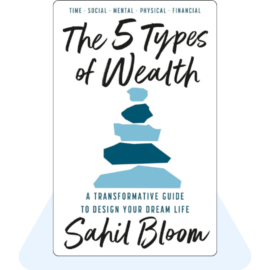
यही The 5 Types of Wealth का core-question है। Book modern-life की deeply embedded-belief challenge करती है: wealth mainly-financial है। Income, net worth, salary, valuation, property और status आसानी से measure होते हैं, इसलिए default-scoreboard बनते हैं। Bloom कहते हैं कि money ही scoreboard हो तो financial जीत के साथ उन areas में हार संभव है जो उस जीत को worthwhile बनाते हैं।
उनका alternative simple, memorable और success की सोच बदलने जितना broad है। सचमुच समृद्ध life में wealth के पांच forms हैं: Time Wealth, Social Wealth, Mental Wealth, Physical Wealth और Financial Wealth।
Time Wealth यानी अपने hours को कैसे spend करना है, इस पर freedom। Social Wealth आपके relationships की depth और breadth है। Mental Wealth में purpose, growth, curiosity और सोचने की जगह शामिल है। Physical Wealth health, vitality, energy और life में fully participate करने की capacity है। Financial Wealth money, security, independence और अपने “enough” की समझ है।
| Key Idea Goal यह नहीं कि हर दिन पांचों areas में equal-score हो। Bloom perfect-daily-balance को reject करते हैं। Life seasons में चलती है। New parent, company launch करता founder, exam की तैयारी करता student और ageing-parent की care करता व्यक्ति अलग priorities रखेंगे। उद्देश्य है कि life का कोई important हिस्सा इतना लंबा off न रहे कि वह collapse हो जाए। |
Readers Books Club में books तब useful हैं जब information implementation बने। अच्छी summary केवल Sahil Bloom की बात नहीं दोहराती; वह आपके calendar, friendships, thoughts, body और bank-account को देखने का नजरिया बदलती है।
इसलिए summary wealth के इन पांच प्रकारों को 15 practical-lessons में बदलती है। हर lesson केवल यह नहीं पूछता कि “book क्या कहती है?” बल्कि यह भी पूछता है, “मैं इस idea साथ क्या कर सकता हूं?” आगे हम Bloom के framework को meditation, spirituality, LoA, coaching, life coaching, money mindset, self mastery और Readers Books Club तथा Amiett Kumar के audiences से परिचित wider-personal-growth ecosystem से भी जोड़ेंगे।
यह आपके decisions लेने के तरीके को बदल सकता है। Higher salary एक शानदार move संभव है यदि वह opportunities बढ़ाती है और health नष्ट नहीं करती। Lower-paying role भी बेहतरीन move संभव है यदि वह अधिक freedom और meaning देती है। Luxury purchase worthwhile संभव है यदि वह lasting-joy पैदा करे, जबकि महंगी status purchase आपको भीतर से अधिक खाली छोड़ सकती है। Busy week productive संभव है; लेकिन busy decade ऐसा जीवन बन सकता है जिसे आपने consciously चुना ही नहीं।
Central challenge है default-path को reject करना और life को design साथ जीना।
आगे बढ़ने पूर्व खुद से पांच questions पूछिए:
1. अपने time पर मेरा कितना control है?
2. क्या मेरे relationships deep, supportive और जीवंत हैं?
3. क्या मेरे पास purpose, curiosity और सोचने की space है?
4. क्या मेरा body मुझे वह जीवन जीने की energy देता है जो मैं चाहता हूं?
5. क्या मेरा money-security और freedom बनाता है, या केवल comparison बढ़ाता है?
इन answers से आपके real net-worth की शुरुआती तस्वीर सामने आती है।
Wealth के पांच प्रकार: Life हेतु नया Scoreboard
Bloom का framework measurement बदलता है, इसलिए powerful है। हम वही optimize करते हैं जिसे measure करते हैं। Success केवल salary, promotions, revenue या net-worth हो तो वही numbers behaviour चलाते हैं। हम family-time लेने वाली meetings accept करते, exercise postpone करते, sleep sacrifice करते और relationships को “बाद में” repair करने की सोचते हैं। Financial number बढ़ता है, invisible wealth घटती है।
Five-wealth model invisible को visible बनाता है।
पूछता: क्या आप अपने time को control करते हैं या दूसरे लोग और systems उसे control करते हैं।
पूछता: क्या आपके पास celebrate, struggle, learn और love करने वाले लोग हैं?
पूछता: क्या आप purposeful, curious, spacious और mentally-alive महसूस करते हैं।
पूछता: क्या आपकी health और energy आपको ambitions और relationships में पूरी तरह participate करने देती है।
पूछता: क्या money आपकी life को support करता है, avoidable stress से बचाता है और optionality बनाता है।
Bloom ने “Wealth Score” concept भी publish किया है, जो लोगों को केवल financial-measure पर निर्भर रहने बजाय पांचों categories में खुद को assess करने हेतु प्रेरित करता है। Deeper lesson number नहीं है। Lesson : awareness behaviour बदलती है। जब आपको साफ दिखाई देने लगे कि संबंध-संपदा कमजोर हो रही है या समय-संपदा लगभग खाली है, तो उस trade-off को ignore करना कठिन हो जाता है।
अगले 15 lessons इसी scoreboard को action में बदलते हैं।
समय-संपदा: Freedom ही असली Luxury है
Lesson 1: Time को अपना सबसे Irreplaceable Asset मानिए
Money खोकर फिर कमाया जा सकता है। Time केवल एक direction में आगे बढ़ता है।
यह obvious है, फिर भी हम उल्टा behave करते हैं। थोड़ा money carefully guard करते हैं, पर hours low-value meetings, unnecessary scrolling, unquestioned-obligations और ऐसे tasks को देते हैं जिन्हें delete, delegate, automate या ignore किया जा सकता था।
समय-संपदा scarcity को स्वीकार करने से शुरू होती है। आपकी life finite है। उद्देश्य panic पैदा करना नहीं है। उद्देश्य clarity पैदा करना है।
यदि आपको पता हो कि parents के साथ केवल सीमित dinners बचे हैं, बच्चों के छोटे होने तक केवल कुछ weekends हैं, closest-friends के साथ केवल कुछ summers हैं, या travel करने हेतु energetic-years सीमित हैं, तो वही moments अलग महसूस होंगे। जब आप उन्हें infinitely-renewable मानना बंद करते हैं, उनकी value बढ़ जाती है।
Bloom का काम readers को बारबार time के passage को notice करने और उसके अनुसार action लेने हेतु प्रेरित करता है। Wealthy calendar जरूरी नहीं कि empty-calendar हो। Wealthy calendar वह है जिसमें important-things जानबूझकर मौजूद हों।
इससे एक practical-rule निकलता है: केवल money का budget मत बनाइए; life का भी budget बनाइए।
अगले सात दिनों को देखिए। आपके hours कहां जा रहे हैं? Activities को चार categories में बांटिए: necessary, meaningful, growth-producing और low-value। संभव है आप कह रहे हों कि reading, meditation, exercise या relationships हेतु “time नहीं है”, जबकि कई hours ऐसे content में जा रहे हैं जिसे बाद में याद भी नहीं रखते।
Lesson hyper-productive बनने का नहीं है। समय-संपदा यानी हर minute से ज्यादा output निचोड़ना नहीं है। यानी ownership बढ़ाना है।
कोई व्यक्ति बहुत productive होकर भी time-poor संभव है यदि हर hour किसी और के agenda का हो। दूसरा व्यक्ति intensely work कर सकता है, फिर भी time-wealthy रह सकता है क्योंकि work chosen, bounded और personally-meaningful-goal से connected है।
Lesson 2: केवल Hours नहीं, Attention को Protect कीजिए
आपके पास दो free hours हो सकते हैं, फिर भी usable-time शून्य संभव है।
क्यों? क्योंकि attention बिना time-fragmented-wealth है।
कोई व्यक्ति work, reading, meditation या conversation हेतु बैठता है। Phone light होता है। Notification quick response मांगता है। फिर एक नया tab, दूसरा message और एक नई impulse आती है। दो hours technically मौजूद थे, लेकिन mind कभी इतना settle नहीं हुआ कि उनका deep use हो सके।
इसलिए समय-संपदा और मानसिक-संपदा overlap करते हैं। Schedule free संभव है, फिर भी attention occupied रह सकता है।
Bloom के framework की practical-interpretation : attention को time की spending power मानें। यदि time-currency है, तो attention तय करती है कि उससे असलतः क्या खरीदा जा सकता है।
High-value activities हेतु protected blocks बनाइए। उन blocks में phone दूर रखें, unnecessary-tabs बंद करें और एक clear-purpose define करें। Family member के साथ thirty-minute focused conversation, केवल room में तीन hours scrolling करते हुए बिताने से ज्यादा संबंध-संपदा बना सकती है। Forty-five minutes की focused reading, fragmented-information consumption की पूरी evening से ज्यादा मानसिक-संपदा बना सकती है।
इसीलिए meditation five-wealth life में fit होती है। यह hours नहीं बढ़ाती, पर attention की awareness train कर सकती है। आप reaction की urge, “कुछ check करो” thought और restlessness notice करते हैं, बिना automatically obey किए। यही pause ownership है।
जब attention हर जगह leak होना बंद करती है, तब समय-संपदा बढ़ती है।
Lesson 3: Life को Perfect Days से नहीं, Seasons से Balance कीजिए
Bloom के framework से जुड़ी सबसे relieving-ideas में एक : life balance को daily perfect दिखने need नहीं है।
Daily balance की fantasy exhausting है। हम imagine करते हैं कि हर twenty-four hours में excellent work, deep-family time, meaningful friendships, exercise, nutritious meals, reading, meditation, financial planning, आठ hours sleep और शायद hobby भी fit होनी चाहिए। जब वास्तविक-life इस fantasy से match नहीं करती, हम मान लेते हैं कि कुछ गलत कर रहे हैं।
Bloom की “dimmer switch” mentality बेहतर model देती है। Life के अलग areas को season अनुसार ऊपर या नीचे किया जा सकता है, लेकिन important-areas को पूरी तरह off नहीं रहना चाहिए।
Exam month में मानसिक-संपदा और career-related-effort ऊपर हो सकते हैं। Social life temporarily quieter संभव है, लेकिन close-friend साथ weekly-call relationship को alive रखती है। New baby के शुरुआती months में family और शारीरिक-संपदा ज्यादा energy मांग सकती है। Financial optimization automated-systems से maintenance level पर चल सकती है। Business launch के समय work intensity बढ़ सकती है, लेकिन sleep और movement zero नहीं होने चाहिए।
यह equal-allocation से ज्यादा realistic है।
Practical question है: मैं अभी किस season में हूं, और क्या चीज गायब नहीं होने देनी चाहिए?
Wealth के पांच types लिखिए। अगले ninety days हेतु each category को 1 से 10 तक “dimmer setting” दीजिए। एक या दो areas को emphasize कीजिए। फिर हर दूसरे area हेतु minimum-viable-investment define कीजिए।
Approach guilt कम करती है क्योंकि अब हर चीज को full-intensity पर demand नहीं किया जा रहा। यह उस dangerous-phrase से भी बचाती है: “मैं बाद में वापस आऊंगा।” कई years “later” के अंदर गायब हो सकते हैं।
Wealthy life photograph जैसी नहीं; moving body जैसी balanced होती है: निरंतर adjust करती हुई, फिर भी upright रहती हुई।
संबंध-संपदा: Relationships भी Capital हैं
Lesson 4: Success को उन लोगों से मापिए जिन्हें आप Call कर सकते हैं
कल्पना कीजिए कि आपको कोई बहुत अच्छी खबर मिलती है। सबपूर्व किन तीन लोगों को बताना चाहेंगे?
अब कल्पना कीजिए कि कोई बहुत बुरी खबर मिलती है। सबपूर्व किन तीन लोगों को call करेंगे?
ये names आपकी संबंध-संपदा का एक हिस्सा reveal करते हैं।
Modern success culture visible metrics को encourage करती है: followers, connections, audience size, professional network, likes, invitations और contacts। लेकिन Bloom का model breadth और depth में फर्क करता है। बड़ा network opportunities दे सकता है, जबकि कुछ deep-relationships belonging, trust, support और identity देते हैं। दोनों important हो सकते हैं, लेकिन दोनों एक चीज नहीं हैं।
Rich social-life यानी हर किसी को जानना नहीं है। यानी : socially connected दिखते हुए emotionally अकेले न हो जाएं।
संबंध-संपदा छोटे deposits से compound होती है: check-in करना, details याद रखना, समय पर मौजूद होना, सुनना, help करना, celebrate करना, apology देना, forgive करना और shared-memories बनाना।
Challenge : ये actions अक्सर non-urgent लगते हैं। Work email की deadline होती है। Friendship की rarely कोई deadline होती है। इसलिए relationships को postpone करना आसान हो जाता है।
तीन circles वाली relationship-list बनाइए। Circle one में आपके inner-five हों: वे लोग जिन्हें सबसे close रखना चाहते हैं। Circle two में meaningful friends, mentors, relatives या colleagues का wider group हो। Circle three में वे नए relationships हों जिन्हें develop करना चाहते हैं।
weekly, हर circle में कम से कम एक deliberate-investment कीजिए।
यह networking as transaction नहीं है। यह relationship-stewardship है।
Readers Books Club हेतु books social-tool भी बन सकती हैं। किसी को ऐसी summary भेजिए जिसने आपको उनकी याद दिलाई। छोटा reading group शुरू कीजिए। Dinner पर एक idea discuss कीजिए। Handwritten note के साथ book recommend कीजिए। Ideas conversation बनते ही ज्यादा deep हो जाते हैं।
Bank account कुछ crises से बचाता है। Relationship account कुछ दूसरी crises से बचाता है।
Lesson 5: आपका Environment चुपचाप आपके Standards बनाता है
आपके आसपास के लोग तय करते हैं कि क्या normal महसूस होता है।
Environment में constant-complaint हो तो वही normal लगता है। Close-circle exercise करे, पढ़े, create करे, save करे, promises निभाए और ambitious thinking encourage करे तो ये behaviours भी normal लगते हैं।
यह कोई mystical-energy transfer नहीं है। यह influence, expectation, modelling और reinforcement है।
Bloom ने लिखा है कि supportive-environments confidence और outcomes को affect कर सकते हैं। Larger lesson : proximity carefully curate कीजिए। यानी struggling लोगों को छोड़ देना या relationships को performance filters बना देना नहीं है। लेकिन यह जरूर notice कीजिए कि environment आपकी possibility को निरंतर expand करता है या shrink।
जिन लोगों साथ सबसे ज्यादा time बिताते हैं, उनपर तीन questions पूछिए:
1. उनके आसपास कौन से behaviours आसान हो जाते हैं?
2. कौन से behaviours कठिन हो जाते हैं?
3. उनसाथ time बिताने बाद मैं कैसा व्यक्ति बनता हूं?
आखिरी question मुख्य है।
संबंध-संपदा केवल company की quantity नहीं है। कुछ relationships emotionally-expensive होते हैं। उनमें निरंतर performance, comparison, gossip या conflict की demand होती है। दूसरे relationships energy, honesty, courage, laughter और perspective देते हैं।
Strong environment में ऐसे लोग भी होते हैं जो आपको challenge करें। Support यानी permanent-agreement नहीं है। Best friends, mentors और coaches आपको बता सकते हैं कि story weak है, priorities confused हैं, या behaviour values से contradict कर रहा है।
LoA की language में लोग कभी-कभी कहते हैं, “Protect your energy.” Grounded interpretation simple है: उन environments को protect कीजिए जो attention, expectations और behaviour shape करते हैं।
आपका circle destiny तय नहीं करता, लेकिन defaults को influence जरूर करता है।
Lesson 6: इतनी Presence रखिए कि Memories बन सकें
संबंध-संपदा उन moments में बनती है जो बाहर से unproductive लग सकते हैं।
लंबा meal। Friend साथ walk। Parent के पास बिना agenda बैठना। Child साथ खेलना। Siblings साथ travel। ऐसी conversation जिसका कोई measurable-output न हो।
Productivity mind इन moments को undervalue कर सकता है क्योंकि इनमें obvious-economic-return नहीं दिखता। लेकिन बाद में यही moments अक्सर सबसे valuable महसूस होते हैं।
Presence shared-time को shared-life में बदलती है।
आप किसी साथ पूरा weekend बिताकर भी उन्हें attention के केवल fragments दे सकते हैं। Body वहां है; mind कहीं और है। Messages, feeds, work concerns और mental-planning-experience को बारबार interrupt करते हैं। संबंध-संपदा proximity से ज्यादा मांगती है।
Simple ritual try कीजिए: daily कम से कम एक meal, एक walk या एक hour device-free zone बनाइए। तब हर चीज document करने की urge रोकिए। Better questions पूछिए। First answer के आगे सुनिए।
यह meditation से जुड़ता है। Mindfulness present-moment-awareness है। Meaningful test केवल ten minutes breath follow करना नहीं, बल्कि दूसरे व्यक्ति को बिना अपना reply prepare किए सुन पाना है।
Spirituality अपने best-form में relationships को अधिक human बनानी चाहिए—inner practice को self-absorption का नया form नहीं बनाना चाहिए।
Wealthy life में ऐसे लोग होते हैं जिन्हें आपसाथ रहते हुए love महसूस हुआ।
मानसिक-संपदा: Purpose, Growth और Space
Lesson 7: Purpose Treasure नहीं, Engagement से बनता है
लोग purpose को अक्सर hidden-object मानते हैं: दुनिया में कहीं एक perfect calling है और आपका काम उसे discover करना है।
Belief paralysis पैदा कर सकती है। यदि हर career-choice “मेरे true-purpose” की परीक्षा बन जाए, तो ordinary-exploration भी dangerous लगने लगती है।
मानसिक-संपदा बेहतर approach देती है: purpose engagement से grow होता है। चीजें try कीजिए, skills develop कीजिए, problems solve कीजिए, energy देने वाले काम और अपनी usefulness notice कीजिए, फिर meaning को evolve होने दीजिए।
Bloom मानसिक-संपदा को purpose, growth और space जैसे terms में describe करते हैं। Purpose यानी famous होना या global-mission build करना जरूरी नहीं है। यह family को अच्छी तरह raise करना, craft master करना, teach करना, serve करना, company build करना, care देना, art create करना, सीखना या community में contribute करना संभव है।
Key है action और meaning बीच connection।
खुद से पूछिए:
- कौन सा work करते हुए time का पता नहीं चलता?
- लोग naturally किस problem में मेरी help मांगते हैं?
- कैसा effort मुझे tired लेकिन satisfied छोड़ता है?
- यदि कोई applaud न करे तो भी मैं किस विषय पर सीखना जारी रखूंगा?
- Current life का कौन सा हिस्सा सबसे meaningful लगता है, और क्यों?
Patterns दिखाई देने लगेंगे।
LoA desire-clarity की बात करता है। Grounded रूप में, priorities clear हों तो opportunities अलग दिखती हैं, trade-offs बदलते हैं और aligned-direction में persistence बढ़ती है।
Begin करने पूर्व perfect-life mission need नहीं है। जहां curiosity, usefulness, skill और meaning-overlap करते हैं वहां से शुरू कीजिए। Purpose को movement result बनने दीजिए।
Lesson 8: Better Thinking पूर्व Space बनाइए
मानसिक-संपदा हेतु empty-space जरूरी है।
यह उस culture में कठिन है जो constant-input reward करता है। Walking करते हुए podcasts। Eating करते हुए messages। Sleep पूर्व news। Breaks में videos। Work में music। Queue में feeds। Relaxation भी content consumption बन जाता है।
लेकिन insight अक्सर तब आती है जब inputs रुकते हैं।
Bloom ने “Think-Day” पर लिखा है—एक scheduled-period जिसमें reading, reflection, assumptions को question करना और normal-communication से temporarily दूर होना शामिल है। Concept एक broader-truth दिखाता है: यदि हर mental-surface incoming-information से covered है, तो जो पहले से जानते हैं उसे integrate करने की space कम पड़ती है।
Think-Day हेतु forest cabin जरूरी नहीं। Two hours से शुरू कीजिए।
Notifications off कीजिए। Notebook रखिए। Calendar, goals, relationships, health और financial-decisions review कीजिए। वे questions पूछिए जिन्हें daily-noise से avoid करते हैं।
Journaling यहां useful है क्योंकि writing thought को धीमा करती है और patterns visible बनाती है।
Meditation related purpose serve करती है। यह stimulus और response बीच structured-gap बनाती है। Mind को blank force करने need नहीं। बस देखिए कि जब नया material देना बंद करते हैं तो भीतर क्या arise होता है।
Spirituality में silence लंबे समय से important रहा है। अलग traditions में prayer, contemplation, retreat और solitude values को social-noise से ज्यादा loud होने की space देते हैं।
मानसिक-संपदा केवल ज्यादा knowledge नहीं है। यानी इतनी space होना भी है कि knowledge आपके जीवन हेतु क्या meaning रखती है, यह समझ सकें।
Lesson 9: अपनी Identity Update करने जितने Curious रहिए
Growth हेतु mind बदलने ability जरूरी है।
यह सुनने में आसान है, लेकिन beliefs अक्सर identity बन जाते हैं। जब आप खुद को किसी fixed-label से define कर देते हैं—money में bad, athletic नहीं, introverted, unlucky, creative नहीं, सीखने हेतु too old, leadership के capable नहीं—तो new evidence threatening लग सकती है।
Bloom new information को brain “software-updates” मानने की बात करते हैं। Metaphor useful है। जो mind update नहीं होता, वह धीरे-धीरे outdated-model of reality पर operate करता है।
इसलिए मानसिक-संपदा में intellectual-humility भी शामिल है: यह पूछने की willingness कि “क्या मैं गलत हो सकता हूं?”
यानी opinions निरंतर बदलना या easily influenced होना नहीं है। यानी ego से ज्यादा truth के प्रति loyal रहना है।
एक “update-list” बनाइए। अपने बारे में, work, money, relationships या success पर तीन strong-beliefs लिखिए। हर belief हेतु पूछिए: कौन सा evidence मुझे इसे revise करने हेतु तैयार करेगा?
यदि answer “कुछ भी नहीं” है, तो आप belief hold नहीं कर रहे; identity protect कर रहे हैं।
यह personal-growth books से powerful-connection बनाता है। Reading purpose केवल वे quotes collect करना नहीं जो पहले से माने हुए ideas confirm करें। Highest-value books अक्सर irritate करती हैं क्योंकि वे उस model को challenge करती हैं जिसे unconsciously use कर रहे होते हैं।
Coaching में भी यही सच है। Good life coach केवल motivate नहीं करता। वह ऐसे questions पूछता है जो current-story और observable behaviour बीच gap expose करें।
शारीरिक-संपदा: Health हर दूसरी Wealth को अधिक Usable बनाती है
Lesson 10: Output Optimize करने पूर्व Energy Protect कीजिए
किसी व्यक्ति के पास money, relationships, knowledge और freedom संभव है—लेकिन यदि body participate नहीं कर सके, तो wealth का experience dramatically बदल जाता है।
शारीरिक-संपदा life को energy साथ जीने capacity है।
इसीलिए health को वह hobby नहीं मानना चाहिए जिसे “real work” के आसपास fit किया जाए। Health infrastructure है। यह attention, mood, relationships, ambition, creativity और financial-freedom enjoy करने capacity को support करती है।
Productivity world पूछती है, “मैं ज्यादा कैसे करूं?” शारीरिक-संपदा उसपूर्व का question पूछती है: “मुझे कुछ भी अच्छी तरह करने की energy क्या देती है?”
Optimization hacks पूर्व foundations पर जाइए: adequate sleep, regular movement, strength, cardiovascular fitness, nutritious-food patterns, recovery, जरूरत पर medical-care और stress management।
Wellness को perfection contest मत बनाइए। Daily walk और consistent sleep वाला व्यक्ति तीन weeks extreme routine follow करके छोड़ देने वाले व्यक्ति से ज्यादा शारीरिक-संपदा build कर सकता है।
Minimum-effective-dose principle use कीजिए। ऐसा habit चुनिए जो fail करना लगभग कठिन लगे:
- lunch बाद ten-minute walk,
- consistent bedtime window,
- week में two strength sessions,
- एक meal में protein और vegetables,
- waking बाद sunlight और movement।
Stable होने पर धीरे-धीरे add कीजिए।
यहां important-distinction जरूरी है। Meditation कई लोगों हेतु well-being और stress management support कर सकती है, लेकिन यह medical care, sleep, nutrition, exercise या mental-health treatment को replace नहीं करती। Spirituality meaning-deepen कर सकती है, लेकिन body को practical-care फिर भी चाहिए।
शारीरिक-संपदा impressive दिखने पर नहीं है। यह इतनी health और vitality पर है कि आप अपने जीवन को “yes” कह सकें।
Lesson 11: ऐसे Health Systems बनाइए जो Busy Seasons में भी Survive करें
Health routine की real test perfect-week नहीं, difficult week है।
Busy seasons fragile systems expose करते हैं। Travel, deadlines, family responsibilities, illness, celebrations और unexpected-problems ideal-routines disturb करते हैं। यदि health ninety uninterrupted gym minutes, perfectly prepared kitchen और zero schedule changes पर depend करती है, तो वास्तविक-life आते ही गायब संभव है।
यहीं dimmer-switch mentality फिर practical बनती है।
शारीरिक-संपदा routine का “full-version” और “maintenance-version” बनाइए।
Full version:
- four workouts,
- meal preparation,
- आठ hours bed में,
- long walks,
- structured recovery।
Maintenance version:
- twenty minutes movement,
- एक simple-nutritious-meal choice,
- bedtime को unnecessary-scrolling से protect करना,
- calls के दौरान stairs या walking,
- sleep पूर्व five-minutes breathing।
Maintenance failure नहीं है। यह continuity है।
Zero से ऊपर कुछ भी compound कर सकता है। Dangerous mindset है all-or-nothing: “यदि full-routine नहीं कर सकता तो कोई point नहीं।”
Lesson fitness से आगे भी लागू होता है। Five pages reading मानसिक-संपदा alive रखती है। One meaningful-message संबंध-संपदा alive रखता है। Small automatic saving वित्तीय-संपदा alive रखती है। Ten-minute quiet walk Time और मानसिक-संपदा protect करती है।
सबसे rich-systems imperfect humans के imperfect weeks हेतु design होते हैं।
Lesson 12: Body का उपयोग उस Life को Expand करने में कीजिए जिसे आप Experience कर सकते हैं
शारीरिक-संपदा केवल disease prevent करने concept नहीं है। यह possibility बढ़ाती है।
Strong, mobile, energetic-body experiences बढ़ाती है: comfortable travel, children के साथ play, friends के साथ hike, city exploration, demanding-days से recovery और longer independence।
इससे exercise punishment नहीं, capacity-building बनती है।
पूछने के बजाय, “मैंने कितनी calories burn की?” पूछिए, “मैं कैसी life हेतु training कर रहा हूं?”
यदि mountains में trek करना चाहते हैं, routine endurance और leg strength build करे। यदि decades बाद grandchildren के साथ खेलना चाहते हैं, strength और mobility matter करते हैं। यदि focused work चाहते हैं, sleep और aerobic health cognition तथा energy affect करते हैं। यदि emotional-resilience चाहते हैं, regular movement broader-well-being plan supportive component संभव है।
यह view visualization से भी जुड़ता है। खुद को ten या twenty years बाद ऐसी meaningful-activity करते imagine कीजिए जिसे deeply value करते हैं। उस future हेतु कौन सी physical-capacities चाहिए? अभी से उन्हें train कीजिए।
Manifestation language में यह aligned-action है। आप केवल future visualize नहीं कर रहे; उस future में जीने वाले body को prepare कर रहे हैं।
वित्तीय-संपदा: Money एक Tool है, पूरा Scoreboard नहीं
Lesson 13: “Enough” को Define कीजिए, वरना More हमेशा Infinite रहेगा
मुख्य financial-questions में एक यह नहीं है, “मैं कितना earn कर सकता हूं?” बल्कि यह है, “जिस life को मैं सच में जीना चाहता हूं, उसके लिए कितना enough है?”
यदि इसका-answer नहीं है, target हमेशा move करता रहेगा।
एक salary goal बड़ी salary goal बन जाता है। Net-worth target next target में बदल जाता है। Lifestyle expand होता है, comparison expectations reset करता है और financial-success कभी वह arrival-feeling नहीं देता जिसकी उम्मीद की गई थी।
Bloom वित्तीय-संपदा को money और “enough” awareness कहते हैं। यही दूसरी चीज पूरी conversation बदल देती है।
Enough यानी ambition छोड़ना नहीं है। यानी money-role define करना है।
केवल expense budget नहीं, “समृद्ध-life budget” बनाइए। जिस जीवन को चाहते हैं उसे concrete terms में लिखिए: housing, education, travel, health, family support, generosity, time freedom, hobbies, security और experiences। Estimate कीजिए कि उस life की reasonable cost क्या है। फिर genuine desires और status competition अलग कीजिए।
Money तब useful है जब वह priorities protect और enable करे। ज्यादा money auto better नहीं है यदि उसे earn करने process उन्हीं priorities को destroy कर रही है जिन्हें वह support करने वाला था।
यह mindset और LoA conversations से भी जुड़ता है जो Readers Books Club audience में common हैं। Abundance यानी endless-consumption या constraints को pretend करना नहीं होना चाहिए। Healthy abundance mindset में opportunity हेतु openness, gratitude, financial competence, saving, investing, earning capacity, generosity और enough की clear-sense एक साथ होती है।
“What is enough?” शायद spiritually-important-financial questions में एक है क्योंकि यह desire और comparison अलग करता है।
Lesson 14: वित्तीय-संपदा को Boring, Repeatable Systems से Build कीजिए
Financial freedom rarely एक brilliant decision से बनती है। अक्सर वह repeated-behaviour से बनती है।
Bloom का published वित्तीय-संपदा framework तीन pillars emphasize करता है: income generation, expense management और long-term investment। Simplicity ही point है।
Earn करने capacity बढ़ाइए। Expenses को income से नीचे रखिए। Difference को efficiently long-term हेतु invest कीजिए।
इन ideas में glamour नहीं है, लेकिन compounding-effect enormous संभव है।
चार numbers से शुरू कीजिए:
1. monthly-take-home income,
2. essential-monthly expenses,
3. savings/investment rate,
4. emergency reserves।
यदि ये numbers नहीं जानते, वित्तीय-संपदा system की जगह feeling बनी रहती है।
फिर जहां संभव हो automate कीजिए। Automatic-transfers decisions की संख्या कम करते हैं। Emergency-savings build कीजिए। जहां possible हो high-cost debt avoid कीजिए। Basic-investing सीखिए। Lifestyle-inflation को income growth से slower रखिए। Appropriate-insurance से खुद को protect कीजिए। Earning-power बढ़ाने वाली skills develop कीजिए।
Details country और individual-circumstances अनुसार बदलती हैं, इसलिए personal-financial advice हेतु qualified professional चाहिए संभव है। Principle universal है: systems financial intention से stronger होते हैं।
Manifestation में interested-readers हेतु यही वह जगह है जहां inner work को outer structure से मिलना चाहिए। “मैं money-wisely और calmly manage करता हूं” जैसी affirmation meaningful तब बनती है जब आप statement खोलते हैं, budget बनाते हैं, investment automate करते हैं और difficult decision लेते हैं।
Belief behaviour support कर सकती है। Behaviour evidence बनाती है।
Lesson 15: Money का उपयोग बाकी चार Wealth Types को वापस खरीदने में कीजिए
वित्तीय-संपदा का highest use शायद : वह बाकी चार types को strengthen कर सके।
Money time खरीद सकता है – low-value tasks outsource करके, working hours कम करके, parental-leave लेकर, जल्दी retire होकर या meaningful work हेतु financial-runway बनाकर।
Money संबंध-संपदा support कर सकता है – visits, shared experiences, celebrations, travel और generosity possible बनाकर।
Money मानसिक-संपदा support कर सकता है – education, books, courses, retreats, therapy, coaching, creative-space या survival-mode work से समय दूर देकर।
Money शारीरिक-संपदा support कर सकता है – nutritious food, healthcare, safer environments, fitness resources और recovery से।
यह status हेतु money collect करने से बेहतर goal है।
Bloom ने लिखा है कि money के कुछ best uses time, experiences, purpose या health create करते हैं। Spending हेतु यह powerful-filter है।
Meaningful purchase पूर्व पूछिए:
- क्या यह time create करता है?
- क्या यह experience या relationship deepen करता है?
- क्या यह purpose या growth support करता है?
- क्या यह health protect करता है?
- क्या यह long-term-freedom बढ़ाता है?
हर purchase को ये standards meet नहीं करने। Fun, beauty और pleasure matter करते हैं। Filter बस फर्क दिखाता है: कौन सा spending life enrich करता है और कौन सा mainly दूसरों को success signal करता है।
Paradox : वित्तीय-संपदा ज्यादा satisfying तब होती है जब वह एकमात्र objective रहना बंद कर देती है।
Wealth के पांचों प्रकार Together कैसे काम करते हैं
Wealth के पांच types अलग-अलग accounts नहीं हैं। वे निरंतर एक-दूसरे को affect करते हैं।
Demanding job वित्तीय-संपदा बढ़ा सकती है और साथ ही Time तथा शारीरिक-संपदा घटा सकती है। Strong exercise routine शारीरिक-संपदा improve कर सकती है, जिससे energy और concentration से मानसिक-संपदा भी improve होती है। Deep friendships संबंध-संपदा बनाती हैं और अक्सर Mental तथा Physical well-being strengthen करती हैं। Financial-reserves harmful-job छोड़ने की freedom देकर समय-संपदा create कर सकते हैं। Meditation मानसिक-संपदा support कर सकती है और relationships में लाई जाने वाली attention-quality improve कर सकती है।
इसीलिए decisions को full-scoreboard पर evaluate करना चाहिए।
Major-decision पूर्व simple-five-column table बनाइए। Time, Social, Mental, Physical और वित्तीय-संपदा पर likely-effect को -2 से +2 तक rate कीजिए।
मान लीजिए promotion consider कर रहे हैं।
- Financial: +2
- Mental growth: +1
- Time: -2
- Physical: -1
- Social: -1
Promotion फिर भी right decision संभव है, लेकिन अब trade-off visible है। आप पूछें कि cost कैसे reduce की जाए: flexibility negotiate करना, boundaries set करना, exercise schedule करना या intense season को twelve months तक limit करना।
Practical life-design यही है। आप choices को one-dimensional मानना बंद करते हैं।
Readers Books Club 5-Wealth Audit
यह exercise हर quarter जब कीजिए।
Step 1: हर Wealth को 1 से 10 तक Score दीजिए
समय-संपदा: Schedule और attention पर कितना control है?
संबंध-संपदा: Key-relationships कितने strong, honest और nourishing हैं?
मानसिक-संपदा: कितनी purpose, curiosity, growth और thinking space महसूस होती है?
शारीरिक-संपदा: Health, vitality, energy, sleep और movement habits कितने strong हैं?
वित्तीय-संपदा: Financial life कितनी secure, intentional और freedom-producing है?
Score overthink मत कीजिए। First-instinct पर्याप्त है।
Step 2: Lowest Score Identify कीजिए
Automatically favourite category improve करने मत जाइए। Weakest area से start कीजिए, खासकर यदि वह बाकी categories को threaten कर रही हो।
Step 3: One High-Leverage Action चुनिए
Examples:
- Time: एक recurring-low-value commitment remove कीजिए।
- Social: weekly-family-meal schedule कीजिए।
- Mental: two-hour Think-Block बनाइए।
- Physical: daily-thirty-minute walk कीजिए।
- Financial: monthly-investment automate कीजिए।
Step 4: बाकी चार हेतु Maintenance Minimum Define कीजिए
इससे एक area में growth sprint बाकी life को destroy नहीं करती।
Step 5: 30 Days बाद Review कीजिए
क्या improve हुआ? क्या unrealistic था? क्या आसान हुआ? Wealth की अपनी definition पर क्या सीखा?
7-Day “Build a Richer Life” Challenge
Day 1: समय-संपदा – एक Hour वापस लीजिए
Tomorrow का schedule audit कीजिए और low-value activity को remove, shorten, delegate या batch करके sixty minutes reclaim कीजिए। उस hour को उस चीज पर spend कीजिए जिसे important कहते हैं लेकिन schedule rarely करते हैं।
Day 2: संबंध-संपदा – One Real Connection बनाइए
किसी की post like करने की जगह call कीजिए। Meaningful question पूछिए। Multitasking बिना सुनिए।
Day 3: मानसिक-संपदा – Silence Create कीजिए
Thirty minutes बिना content के रहिए। No podcast, music, feed या messaging। Walk, journal, meditate या simply think कीजिए।
Day 4: शारीरिक-संपदा – Purpose साथ Move कीजिए
Current-health और ability अनुसार thirty minutes movement कीजिए। इसे future-capacity में investment मानिए, punishment नहीं।
Day 5: वित्तीय-संपदा – अपने Numbers जानिए
Monthly income, essential expenses, savings/investments और emergency-reserves calculate कीजिए। Awareness financial-control का पहला form है।
Day 6: Integration – Money से दूसरी Wealth Create कीजिए
Small amount of money intentionally Time, Social, Mental या शारीरिक-संपदा बनाने में use कीजिए: book खरीदिए, meal share कीजिए, useful-service pay कीजिए या health में invest कीजिए।
Day 7: Next Season Design कीजिए
अगले ninety days हेतु wealth category चुनिए जिसे turn up करना है और बाकी चार हेतु minimum-habit define कीजिए।
Meditation, Spirituality और Wealth के पांच Types
Meditation और spirituality Bloom के five-part model की central-categories नहीं हैं, लेकिन responsibly use किए जाने पर framework support कर सकती हैं।
Meditation attention-spending की awareness strengthen कर सकती है, जो समय-संपदा support करती है। यह mental-space create कर सकती है, जो मानसिक-संपदा support करती है। Compassion के साथ practice में listening और presence quality improve संभव है, जो संबंध-संपदा support करती है। यह broader-stress-management routine का हिस्सा भी संभव है, जो sleep, movement, healthcare और शारीरिक-संपदा के दूसरे elements के साथ बैठती है।
Spirituality “enough” के question में contribute कर सकती है। कई spiritual-traditions पूछती हैं कि comparison-trained-mind को endless acquisition कभी satisfy कर सकता है या नहीं। वे gratitude, service, presence, generosity और meaning emphasize करती हैं – ये ideas money से wider wealth definition के साथ naturally fit होते हैं।
The 5 Types of Wealth और LoA: एक Grounded Connection
LoA को अक्सर attention, belief, visualization, emotional-alignment और action से discuss किया जाता है। Bloom का framework उस conversation को concrete बना सकता है।
“Wealth” को abstract pile of money सा visualize करने के बजाय उस life को define कीजिए जिसे actually experience करना चाहते हैं। समय-संपदा कैसी दिखती है? संबंध-संपदा में कौन present है? कौन सा work मानसिक-संपदा create करता है? कैसी health शारीरिक-संपदा support करती है? कितनी वित्तीय-संपदा पूरे design को sustainable बनाने हेतु enough है?
Visualization तब बेहतर होती है जब image behaviour guide करने जितनी specific हो।
यदि समृद्ध-life visualize करते हैं लेकिन health हेतु time-schedule नहीं करते, relationships ignore करते हैं और successful दिखने हेतु means से ज्यादा spend करते हैं, तो daily-actions vision से contradict करती हैं।
Grounded affirmation संभव है:
“I am building a समृद्ध-life across my time, relationships, mind, body, and finances.”
फिर evidence create कीजिए:
- one hour protect कीजिए,
- one person को call कीजिए,
- ten pages पढ़िए,
- body move कीजिए,
- fixed-amount save या invest कीजिए।
यहीं manifestation behaviourally-useful बनती है। Inner picture direction define करती है; repeated-action life build करता है।
Amiett Kumar की Audience इस Framework को कैसे Apply कर सकती है
Readers Books Club audience अक्सर books साथ Amiett Kumar के manifestation, meditation, mindset, spirituality, coaching और personal-development work को भी explore करती है। The 5 Types of Wealth inner-transformation और external life-design बीच useful bridge देता है।
यदि affirmation practice करते हैं, उसे केवल money पर focus करने के बजाय पांचों wealth categories में identity और action reinforce करने हेतु use कीजिए। यदि visualization practice करते हैं, imagine कीजिए कि समृद्ध-Tuesday असलतः कैसा दिखता है: किस समय उठते हैं, किससे बात करते हैं, कैसे work करते हैं, body कैसा feel करता है, कैसे spend करते हैं और day में कितनी space है। यदि meditation करते हैं, तो उस awareness से notice कीजिए कि real behaviour stated-values से match करता है या नहीं।
Manifestation coach या life coach five-wealth framework को diagnostic conversation में use कर सकता है। Client कह सकता है “मुझे ज्यादा money चाहिए,” लेकिन deeper-questions reveal कर सकते हैं कि desired-outcome असलतः freedom, safety, respect, family time या purpose है। True desired wealth clarify होते ही strategy पूरी तरह बदल सकती है।
Framework प्रमुख तब है जब यह proxy chase करने से रोकता है। कभी सच में अधिक money चाहिए। कभी relationship-repair करना, space create करना, health protect करना या calendar redesign करना ज्यादा जरूरी होता है।
Wealth के पांच Types Build करते समय Common Mistakes
Mistake 1: Framework को एक और Perfection Score बना देना
| Key Ideaहर जगह 10/10 पाना goal नहीं है। ऐसा करना वही optimization anxiety फिर पैदा करेगा जिसे यह framework कम करना चाहता है। |
Mistake 2: Money को Enemy मान लेना
वित्तीय-संपदा matter करती है। Money की कमी real stress create कर सकती है और choices restrict कर सकती है। Goal integration है, rejection नहीं।
Mistake 3: Busyness को समय-संपदा समझ लेना
Packed calendar meaningful chosen work contain कर सकता है। Empty calendar distraction से filled संभव है। Real metric ownership है।
Mistake 4: Contacts Count करना, Relationships नहीं
Followers और networking-breadth create कर सकते हैं। संबंध-संपदा में depth, trust और presence भी चाहिए।
Mistake 5: Mental Space बनाए बिना Self-Improvement Consume करना
More books, podcasts और courses auto मानसिक-संपदा create नहीं करते। Reflection और application matter करते हैं।
Mistake 6: शारीरिक-संपदा हेतु Motivation का Wait करना
Health systems को low-energy days में भी work करना चाहिए। Minimum habits design कीजिए।
Mistake 7: “Enough” कभी Define न करना
Enough बिना वित्तीय-संपदा moving finish line वाली endless-race बन जाती है।
Mistake 8: एक Wealth को बहुत लंबे समय तक Sacrifice करना
Temporary imbalance normal है। Permanent neglect dangerous है।
Mistake 9: किसी और की Wealthy Life Copy करना
Founder, parent, artist, student, retiree और monk wealth को अलग define कर सकते हैं। Framework personal है।
Mistake 10: Seasons बदलते हैं यह भूल जाना
पिछले year जो plan सही था वह अब गलत संभव है। Scoreboard regularly review कीजिए।
The 5 Types of Wealth की तुलना दूसरी Popular Books से
The Psychology of Money by Morgan Housel बताती है कि behaviour, luck, risk, enough और time-financial-outcomes को कैसे shape करते हैं। The 5 Types of Wealth वहां से शुरू होती है जहां purely financial conversation खत्म होती है और पूछती है कि money ultimately किसलिए है।
Atomic Habits by James Clear systems, cues, identity और small-improvements से behaviour change पर focus करती है। Bloom का framework वे categories देता है जिनमें habits design की जा सकती हैं।
Designing Your Life by Bill Burnett और Dave Evans life तथा career-decisions पर design thinking apply करती है। Bloom life हेतु simpler five-part scoreboard देते हैं।
Die With Zero by Bill Perkins experiences के timing और money, time तथा memory के relationship पर सोचने को challenge करती है। यह समय-संपदा और वित्तीय-संपदा को experiences में use करने से strongly overlap करता है।
The Almanack of Naval Ravikant wealth, leverage, happiness, judgment और freedom explore करती है। Bloom का model ज्यादा structured है और multiple dimensions में deliberately-balanced है।
Readers Books Club हेतु ये books powerful reading sequence बना सकती हैं: financial-psychology समझिए, habit systems सीखिए, comprehensive-wealth define कीजिए और फिर daily behaviour को उस life के around redesign कीजिए जिसे असलतः चाहते हैं।
Frequently Asked Questions
Sahil Bloom अनुसार 5 Types of Wealth कौन से हैं?
पांच types हैं समय-संपदा, संबंध-संपदा, मानसिक-संपदा, शारीरिक-संपदा और वित्तीय-संपदा। Together ये समृद्ध-life को define और measure करने का broader तरीका देते हैं।
The 5 Types of Wealth का Main Message क्या है?
Main message : money wealth का केवल एक form है। Lasting fulfillment हेतु ऐसी life-design करनी होती है जिसमें time पर freedom, strong relationships, purpose और growth, health और vitality तथा financial-security भी शामिल हों।
क्या The 5 Types of Wealth Finance Book है?
Partly, लेकिन यह personal-finance से broader है। इसमें life-design, relationships, purpose, health, productivity और money एक framework में combine होते हैं।
समय-संपदा क्या है?
समय-संपदा यह freedom और control है कि time कैसे spend किया जाए। इसमें schedule ownership साथ attention को important चीजों की ओर direct करने ability शामिल है।
संबंध-संपदा क्या है?
संबंध-संपदा relationships quality और breadth है: family, friends, community, mentors, colleagues और वे लोग जो belonging तथा support देते हैं।
मानसिक-संपदा क्या है?
मानसिक-संपदा में purpose, curiosity, growth, clarity और इतनी mental-space शामिल है कि permanent-reaction mode में रहने बजाय सोच सकें।
शारीरिक-संपदा क्या है?
शारीरिक-संपदा health और vitality है: energy, strength, mobility, recovery और well-being जो life में fully participate करने हेतु जरूरी है।
वित्तीय-संपदा क्या है?
वित्तीय-संपदा money, security, independence और उस awareness combination है कि desired-life हेतु “enough” क्या है।
क्या Sahil Bloom कहते हैं कि Money Important नहीं है?
नहीं। Framework वित्तीय-संपदा को पांच essential-categories में एक मानता है। Argument : money-success का only measure नहीं बनना चाहिए।
Meditation पांचों Wealth Types को कैसे Support कर सकती है?
Meditation awareness, focus और mental-space support कर सकती है। यह notice करने में help करती है कि attention कैसे spend हो रही है और relationships में लाई जाने वाली presence quality improve कर सकती है। इसे supportive practice समझना चाहिए, medical, financial या psychological-care का substitute नहीं।
Book LoA से कैसे Connect होती है?
Connection तब सबसे useful है जब LoA practices specific-life-design में grounded हों। Visualization और affirmations समृद्ध-life definition clarify कर सकते हैं, जबकि पांचों wealth categories में action vision को behaviour में बदलता है।
क्या यह Book Life Coach या Coaching Client हेतु Useful है?
हां। Five categories priorities, hidden trade-offs, goals और enough definitions review करने हेतु simple-diagnostic framework देती हैं। Coaches को finance और health में professional-boundaries respect करनी चाहिए।
Summary पढ़ने बाद भी The 5 Types of Wealth पढ़नी चाहिए?
हां, खासकर यदि framework आपकी life में imbalance reveal करे। Full book में Sahil Bloom की stories, research, questions, history और practical-action guides किसी भी summary से कहीं ज्यादा detail में हैं।
Final Thoughts: Rich Life केवल Rich Bank Account नहीं है
The 5 Types of Wealth का प्रमुख idea सबसे simple भी है: आपका scoreboard आपका game तय करता है।
यदि life को केवल money से measure करेंगे, naturally ऐसे decisions लेंगे जो money maximize करें। कभी-कभी किसी season में यही बिल्कुल सही संभव है। लेकिन यदि financial-number permanent-master metric बन जाए, बाकी wealth forms quietly collateral damage बन सकते हैं।
Better scoreboard पांच questions पूछता है।
क्या आपके पास इतना समय-संपदा है कि deliberately जी सकें?
क्या ऐसे लोग हैं जिनके साथ life shared महसूस होती है?
क्या mind में purpose, curiosity और space है?
क्या body में ambitions साथ participate करने जितनी vitality है?
क्या money security, optionality और enough sense create करता है?
ये questions universal-formula नहीं देते। ये उससे बेहतर चीज देते हैं: success की personal definition।
Readers Books Club readers हेतु next-step implementation है। ऐसी एक category चुनिए जो depleted महसूस होती है। आज रात पूरी life redesign मत कीजिए। ऐसा one action चुनिए जो twenty-four hours के भीतर complete हो सके।
एक hour protect कीजिए।
किसी को call कीजिए।
सोचने की space बनाइए।
Body move कीजिए।
एक financial-decision automate कीजिए।
फिर repeat कीजिए।
Rich life एक dramatic breakthrough से नहीं बनती। यह thousands of ordinary-decisions से बनती है जो time, relationships, mind, body और money को उन चीजों की service में रखते हैं जो असलतः matter करती हैं।
Goal: जो मुख्य है उसे केवल इसलिए accidentally sacrifice करना बंद करें क्योंकि किसी दूसरी चीज को measure करना आसान है।
Contents